 Vietnamnet.vn

 Podcast



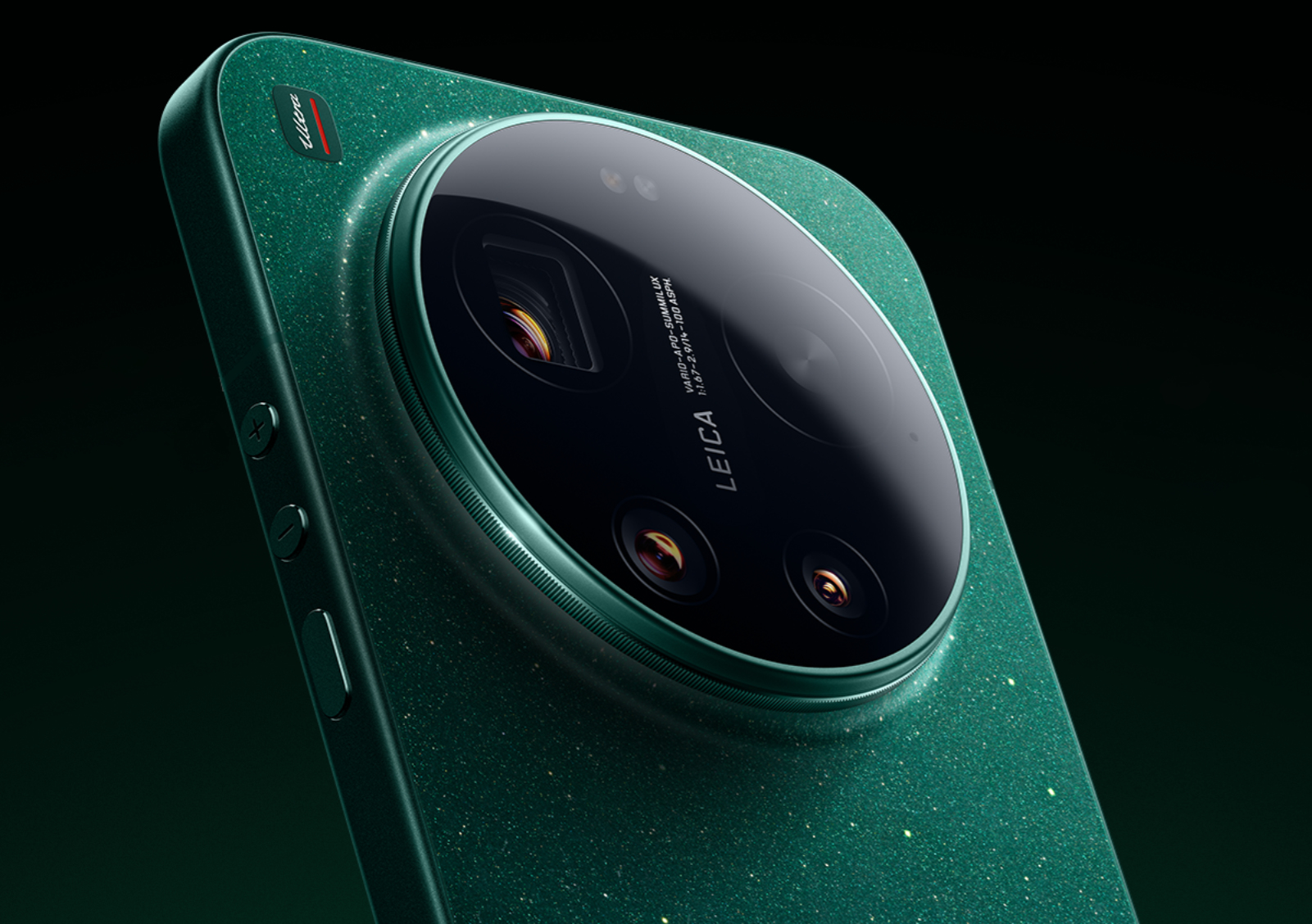
Early leaks, however, point to a launch story that may leave global users with mixed feelings.
According to the latest information, Xiaomi 17 Ultra has been confirmed for a global release.
Yet the experience awaiting international users, particularly in Europe, may fall short of what Chinese consumers are anticipating.
The disappointment does not stem solely from a sky-high price.
More critically, it involves one of the most important factors in today’s premium smartphones: battery capacity.
Leaks indicate that the European version of Xiaomi 17 Ultra will start at 1,499 euros, equivalent to roughly 1,620 USD.
At this price point, the device is said to feature a 6,000mAh battery.
This is a noticeable downgrade from the 6,800mAh battery expected on the China-exclusive variant.
The information was revealed by the well-known leaker @MysteryLupin on social platform X.
According to the leak, Xiaomi 17 Ultra in Europe will be offered in only one high-end configuration.
That version includes 16GB of RAM and 512GB of internal storage.
The 1,499-euro price tag will also be the starting price, with no cheaper options available.
In reality, this pricing does not come as a major surprise.
Previous models such as Xiaomi 16 Ultra and Xiaomi 15 Ultra debuted in Europe at similar price levels.
However, in a market facing increasingly intense competition, the lack of any price adjustment has drawn criticism.
Still, the biggest point of controversy remains the reduced battery capacity.
While Chinese users are set to enjoy a generous 6,800mAh battery, European buyers will have to settle for 6,000mAh.
Although this figure remains higher than the average of many flagship devices, including the rumored Galaxy S26 Ultra, the cut undeniably makes the global version less appealing.
Xiaomi 17 Ultra faces off against iPhone 17 Pro Max and Galaxy S26 Ultra
Despite debates surrounding pricing and battery compromises in international markets, Xiaomi 17 Ultra is undeniably one of the most powerful flagships of 2026.
The device is expected to feature a large 6.9-inch AMOLED display with extremely high brightness.
This combination promises a top-tier visual experience that rivals anything currently on the market.
Under the hood, Xiaomi equips the 17 Ultra with Qualcomm’s latest Snapdragon 8 Elite Gen 5 chipset.
This ensures performance at the very top of the Android ecosystem.
The camera system stands out as another major highlight.
On the rear, Xiaomi is said to use a triple-camera setup, including a 50MP main sensor, a 50MP ultra-wide camera, and a particularly ambitious 200MP periscope telephoto lens.
On the front, the 17 Ultra reportedly sports a 50MP selfie camera.
This puts it ahead of many competitors in the same segment.
The 6,000mAh battery on the global version, while smaller than the China-only variant, is still considered generous by flagship standards.
Xiaomi 17 Ultra runs HyperOS based on Android and supports up to 1TB of storage alongside 16GB of RAM.
These specifications are designed to meet heavy usage demands for years to come.
In the 2026 flagship race, Xiaomi 17 Ultra will directly challenge the iPhone 17 Pro Max and Galaxy S26 Ultra.
Apple’s iPhone 17 Pro Max is also expected to feature a 6.9-inch display and draw its power from the new Apple A19 Pro chip.
However, its battery capacity is rumored to be around 5,000mAh, significantly smaller than Xiaomi’s offering.
Apple’s camera system is likely to remain a triple 48MP setup, without the ultra-high-resolution telephoto advantage seen on Xiaomi’s device.
Meanwhile, the Galaxy S26 Ultra, though not officially unveiled, is rumored to come with a 6.9-inch display, the Snapdragon 8 Elite Gen 5 chip, and a quad-camera array.
Samsung is expected to stick with a 5,000mAh battery, as seen in previous generations.
This would leave the Galaxy at a disadvantage in terms of battery life when compared to Xiaomi 17 Ultra.
Overall, Xiaomi’s biggest strengths lie in its aggressive hardware configuration, ambitious camera system, and battery capacity.
This is especially true for the Chinese variant, which boasts an even larger battery.
Large batteries remain one of the most attractive features of modern premium smartphones.
More milliamp-hours translate into longer usage times and less anxiety about charging throughout the day.
For that reason, the decision to equip the European Xiaomi 17 Ultra with a 6,000mAh battery instead of 6,800mAh inevitably creates a sense of compromise.
Even so, a 6,000mAh battery remains an impressive figure in the flagship landscape.
Hai Phong
.svg)
