 Vietnamnet.vn

 Podcast



Apple has long run its iPhone development roadmap in multi-year cycles. The company works in parallel with suppliers on several future generations, so it is hardly surprising that rumors often emerge very early, long before launch day.
The iPhone 18 lineup is no exception. Even now, the tech world already has a relatively clear picture of what Apple may be preparing for iPhone 18 Pro and iPhone 18 Pro Max.
Notably, Apple is said to be planning a major shift in its iPhone launch strategy starting with the iPhone 18 generation. Specifically, the company may adopt a two-stage release model. Under this plan, iPhone 18 Pro, iPhone 18 Pro Max and an iPhone Fold model would debut in September 2026, while the standard iPhone 18 and iPhone 18e would arrive later, in spring 2027.
Overall design: Carrying forward the iPhone 17 Pro look
Recent leaks suggest iPhone 18 Pro will not undergo a dramatic exterior “reinvention,” instead largely inheriting the iPhone 17 Pro design.
The rear camera module is expected to retain the familiar raised “platform,” with three lenses arranged in a triangular layout. Screen sizes are also said to remain unchanged, with the Pro using a 6.3-inch display and the Pro Max a 6.9-inch display - similar to the earlier iPhone 16 Pro generation.
However, Apple may drop the two-tone finish on the back that was rumored for iPhone 17 Pro, replacing it with a more seamless look.
The company is also believed to have improved the back-glass replacement process, helping reduce color differences between the Ceramic Shield 2 glass and the aluminum frame, resulting in a more uniform, premium overall appearance.
Thicker body: A sign of a bigger battery?
Another rumor claims the iPhone 18 Pro Max will be slightly thicker than the iPhone 17 Pro Max. Its weight could reach around 243g, heavier even than the iPhone 14 Pro Max, which is currently Apple’s heaviest iPhone model.
The reason behind the change has not been confirmed, but it is likely linked to Apple fitting a larger battery.
If true, this would be welcome news for users who have long hoped for a clear improvement in battery life on Pro Max models.
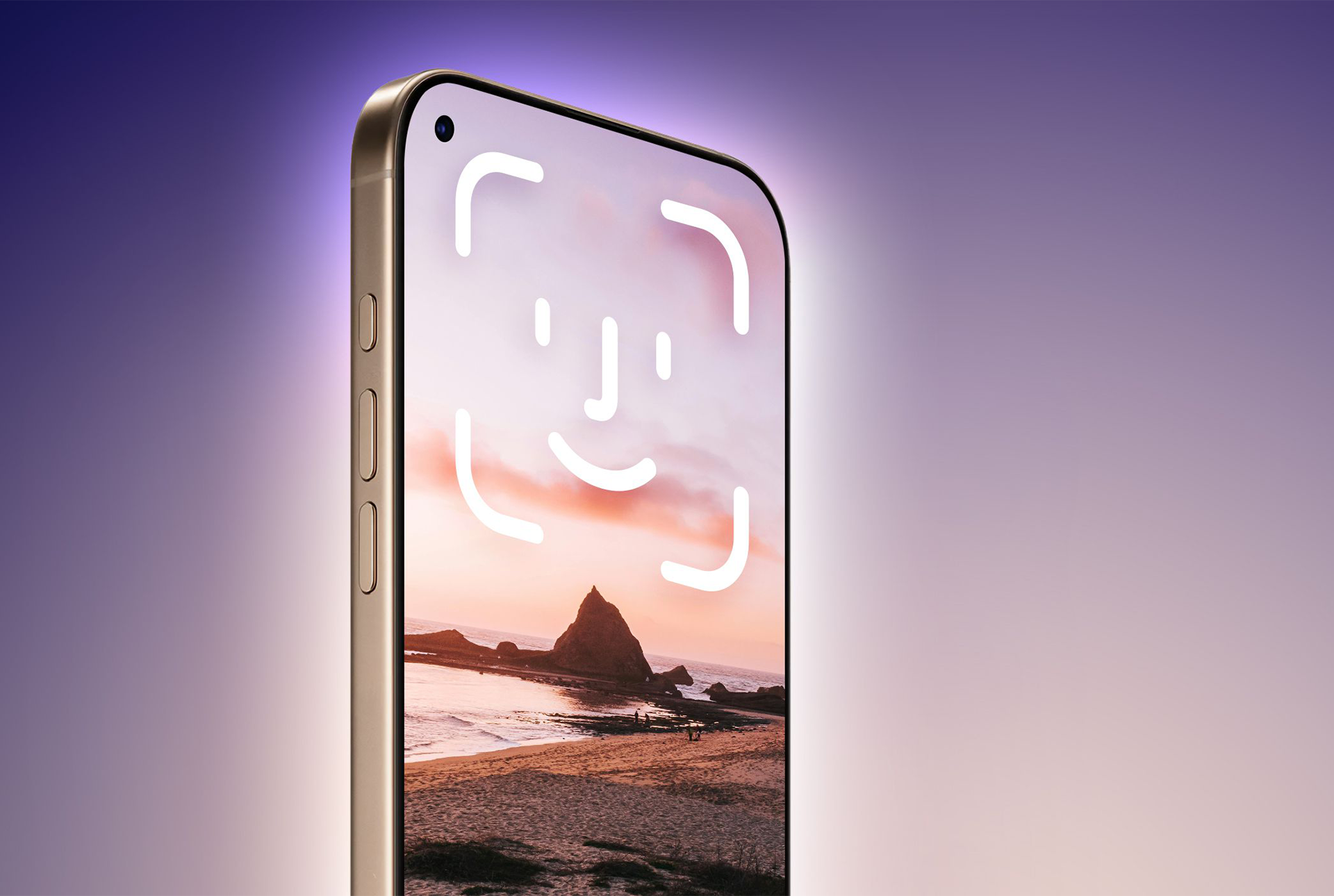
Smaller Dynamic Island: A bridge toward under-display Face ID?
The prospect of Face ID hidden under the display remains a contentious topic. Some sources claim iPhone 18 Pro will completely remove the Dynamic Island, replacing it with a small camera hole in a corner of the screen. However, many credible experts have taken a more cautious view.
Display analyst Ross Young and Bloomberg journalist Mark Gurman both suggest Apple is not ready to “kill off” the Dynamic Island yet. Instead, the company may significantly shrink the cutout.
Apple is also said to be testing ways to miniaturize the front camera and Face ID sensors to reduce the screen area they occupy.
Overall, iPhone 18 Pro could be a transitional step before Apple moves toward a truly full-screen design in later generations.
A20 Pro chip: Power from 2nm process
iPhone 18 Pro is expected to be equipped with the A20 Pro chip, built on TSMC’s advanced 2nm process. This would represent a major leap in manufacturing technology, allowing higher transistor density and improving both performance and power efficiency.
Early estimates suggest A20 Pro could be about 15% faster and up to 30% more power-efficient than the A19 in iPhone 17.
Notably, Apple is said to adopt WMCM packaging technology, enabling RAM to be integrated directly on the same wafer as the CPU, GPU and Neural Engine. This is expected to deliver stronger performance for AI tasks and extend battery life.
C2 modem: Apple’s push for independence from Qualcomm
Apple is reportedly set to use its in-house C2 modem for iPhone 18 Pro. As the successor to the C1 and C1X modems, it would mark another step in Apple’s strategy to reduce reliance on Qualcomm.
The C2 modem is expected to deliver higher speeds, lower power consumption, and, notably, support mmWave 5G in the United States - a capability missing from Apple’s earlier self-developed modems.
New camera sensor from Samsung
Another major change could come in the camera system. Samsung is reportedly developing a three-layer stacked image sensor, called PD-TR-Logic, specifically for iPhone 18. The sensor is expected to improve processing speed, reduce noise and expand dynamic range.
If this becomes reality, it would be a rare instance of Apple bringing Samsung into its camera supply chain, which has long been dominated by Sony.
Variable aperture: iPhone moves closer to DSLR-like control
iPhone 18 Pro is also rumored to debut a variable-aperture lens for the first time. Instead of a fixed aperture like ƒ/1.78 on previous generations, users could adjust the physical aperture, similar to a DSLR camera.
This would enable better control over depth of field, producing more natural background blur in portraits, or keeping more of the scene sharply in focus when needed.
5G satellite internet: Connection without limits
Apple is also planning to support true 5G satellite internet connectivity, going beyond today’s emergency-focused features.
If it is ready in time for 2026, iPhone 18 Pro could become one of the world’s first smartphones to access full internet services via satellite.
A simplified Camera Control button
To reduce costs, Apple is expected to simplify the Camera Control button design. Instead of combining capacitive touch with a force sensor as it does now, the new version would reportedly keep only force detection, while still retaining full functionality.
New colors: Burgundy, brown and purple
Finally, Apple is said to be testing three new colors for iPhone 18 Pro: burgundy (wine red), brown and purple.
If realized, it would mark the first time the Pro line offers a deep red shade, as well as a true brown - color choices that could make the new generation stand out more clearly from previous models.
With a wide range of expected upgrades - from design and performance to cameras and connectivity - the iPhone 18 Pro lineup is being viewed as one of Apple’s biggest leaps in years, enough to make many users consider waiting.
Hai Phong
.svg)
