 Vietnamnet.vn

 Podcast



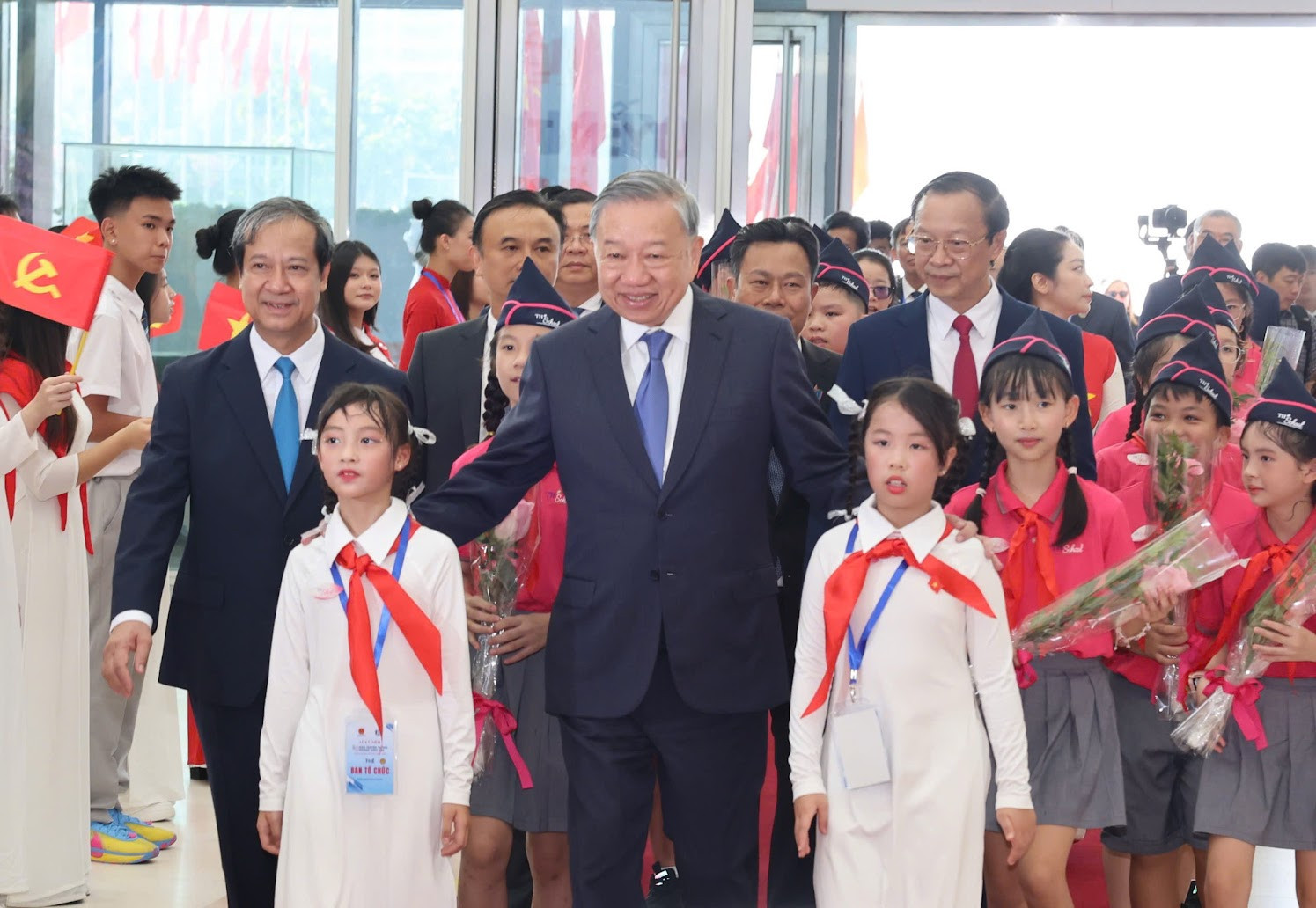

On December 10, 2025, the National Assembly passed amendments to the Education Law, redefining Vietnam’s national qualifications framework.
Under the new law, the list of official diplomas includes: high school diploma, vocational and technical certificates, associate’s degree, bachelor’s degree, master’s degree, doctorate, and special professional training certifications.
Notably, the middle school diploma has been eliminated. Students who complete lower secondary education and meet the criteria will have their achievement certified in their academic records by the school principal. High school graduates will receive official diplomas issued by their principals.
Nationwide restructuring of schools from preschool to university
2025 marked the beginning of a strategic reorganization of Vietnam’s educational institutions, aimed at creating a more efficient and high-quality network from preschool to higher education.
The Ministry of Education and Training instructed local governments to assess all educational institutions based on student population, teacher and staff resources, and infrastructure. Based on these evaluations, provinces were required to develop restructuring plans - including mergers, closures, or the establishment of new facilities - prioritizing efficiency and avoiding resource waste.
Permanent Deputy Minister Pham Ngoc Thuong emphasized that this restructuring was not merely a numbers game but a quality-driven process aimed at improving learning conditions and teachers' work environments. Small or underutilized satellite campuses would be considered for mergers, while overcrowded schools would be expanded or split.
This reorganization also includes Vietnam’s university system. According to Minister Nguyen Kim Son, underperforming or substandard institutions will be merged or closed. Some research institutes will be integrated into universities, and certain universities will be placed under local government management. Around 140 public universities (excluding those under military, police, or private control) are included in the review. The goal is to reduce fragmentation and foster sustainable development.
Teacher Law passed; recruitment and management authority restructured
On June 16, 2025, the 15th National Assembly passed the Teacher Law - Vietnam’s first legal document defining the roles, responsibilities, and rights of educators.
The law establishes teachers’ salaries as the highest within the public sector pay scale, with additional allowances based on region, job duties, hardship zones, and inclusive education responsibilities. These changes aim to improve teacher income and status.
Crucially, the law formalizes teacher ethics, outlining standards in interactions with students, colleagues, parents, and society. It emphasizes role modeling, integrity, and professionalism in education.
For the first time, the education sector now has more autonomy in hiring and managing teachers. Public universities and vocational institutions can independently recruit staff to address regional shortages and build better faculty teams.
Additionally, a new resolution on special mechanisms and policies, effective January 1, 2026, delegates authority for public school hiring to provincial directors of education and commune-level chairpersons. This change is expected to resolve long-standing human resource bottlenecks in the education sector.
Thanh Hung
.svg)
