 Vietnamnet.vn

 Podcast



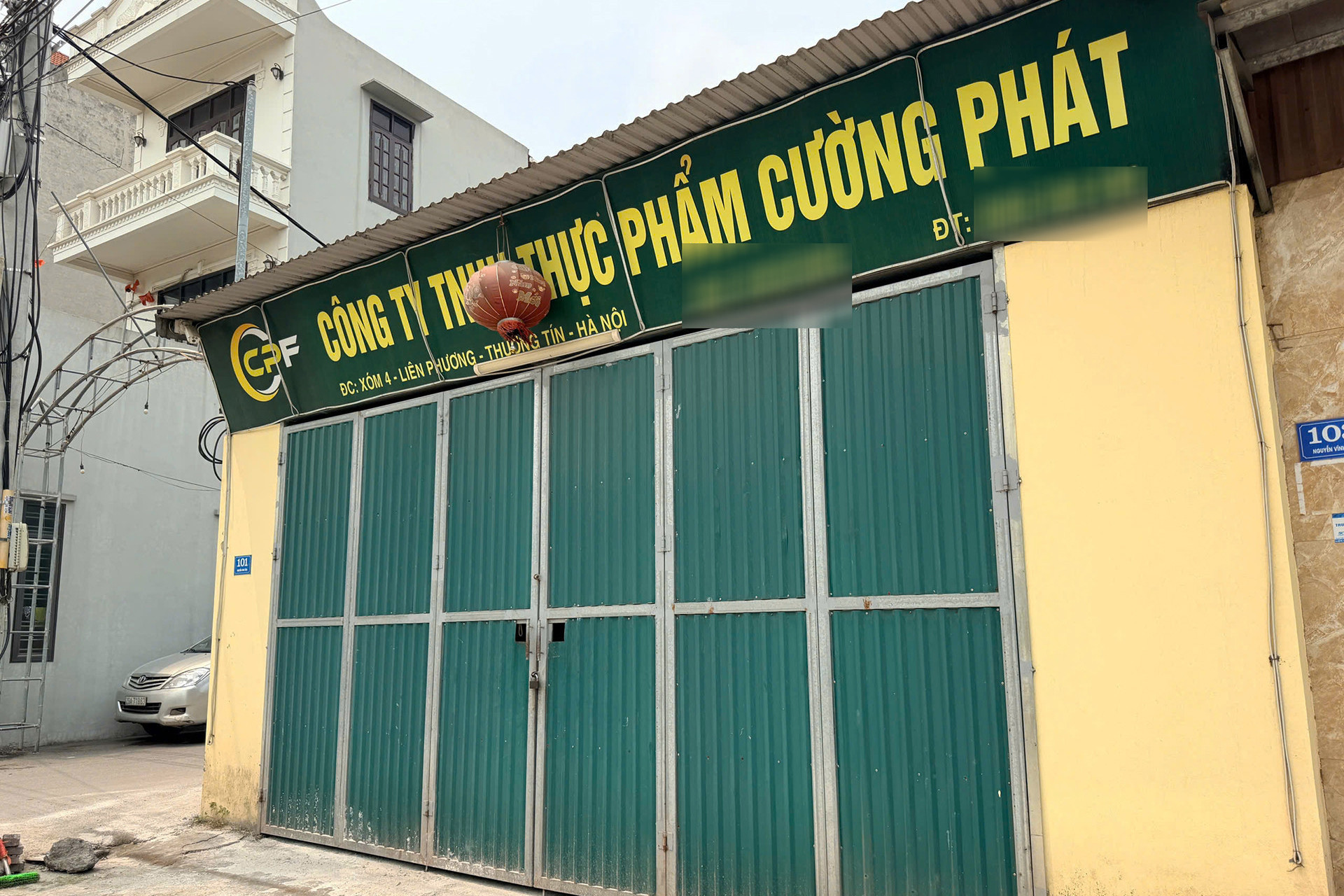
Parents have been outraged and worried about their children. The mood is understandable, representing millions of parents, who when sending their children to school every morning, have faith that the semi-boarding meal at school is safe and strictly controlled.
That trust is even more significant given that, according to the Hanoi Department of Health, the city manages 2,181 public schools serving more than 1 million meals daily.
A meal system of such scale, if properly operated, is not merely a logistical service but also a reflection of modern urban governance.
The case involving nearly 300 tons of pork infected with African swine fever being distributed to local markets and making its way into kitchens of hundreds of kindergartens and primary schools is a very serious incident, one that is unacceptable as it directly affects students’ health.
However, what is necessary now is to view this as a very expensive lesson to patch the holes in the school meal chain, rather than letting the worry spread into a state of panic.
Nearly 3,600 diseased pigs, equivalent to nearly 300 tons of meat, were brought from provinces to Hanoi, slaughtered at centralized facilities, and then "legitimized" to move further into the market. Eight defendants have been prosecuted.
The Ministry of Agriculture and Environment called it a serious incident, revealing loopholes in slaughter management, quarantine, and the execution of public duties. More than 2,900 schools in Hanoi had to review all food supply sources for semi-boarding meals.
What is concerning is that this meat passed through multiple agencies that should have protected consumers, from transportation, slaughtering, quarantine certification and suppliers to school dining tables.
The problem is not a lack of regulations, but the loosening of control at many agencies.
However, caution is needed to avoid casting suspicion over the entire system of more than 1 million school meals served daily in the capital, where most schools, administrators, and suppliers operate responsibly under food safety procedures.
During a recent trip to France, what impressed me most was that almost all fresh beef and most pork sold on the market carry detailed traceability codes, allowing tracking back to farms, slaughterhouses and distributors.
For cattle, each animal is tagged from birth; and for pigs, strict batch management is applied at both farming and slaughter stages. By scanning codes on packaging or labels, consumers and regulators can trace the product’s journey across key supply chain stages.
Based on how France manages fresh meat, it becomes clear that traceability is not an unrealistic goal.
The lesson here is not to foster extreme suspicion, but to raise transparency standards and traceability across the entire supply chain.
First, slaughtering and quarantine processes need to be tightened through digital technology. Each batch should have an electronic traceable identity, connecting farming, transportation, slaughtering, and final suppliers. Quarantine should not stop at simple ink marks on animals but become verifiable digital data.
This data-based governance creates a strong safety barrier, helping prevent contaminated meat from entering the market. With over 1 million school meals daily in Hanoi, this is feasible to implement immediately.
In addition, the school meal supply chain should be reorganized to prioritize traceability, compliance history, and actual supply capacity rather than just low prices. A supplier competing solely on price without traceability capacity cannot be a sustainable choice for students’ meals.
Moreover, a shared data system among education, health, agriculture and public security sectors should be established to monitor the school food supply chain. Managing more than 1 million meals daily cannot rely primarily on paper records, manual signatures, and fragmented inspections.
Schools themselves should also be granted greater autonomy. When there are doubts about food sources, principals must have the authority to immediately suspend a batch or halt contracts with suppliers for verification. In food safety risk management, rapid response is more critical than slow but procedurally complete action.
Finally, parents should be enabled to participate in meaningful oversight rather than just receiving information. Supplier lists, traceability documents, menus, and meal portions should be transparently disclosed for easy access and joint supervision.
Tu Giang
.svg)
