 Vietnamnet.vn

 Podcast



Police in Hanoi have launched criminal proceedings against eight suspects linked to a large-scale network accused of slaughtering and distributing diseased pigs, with nearly 300 tonnes of contaminated pork entering the market.
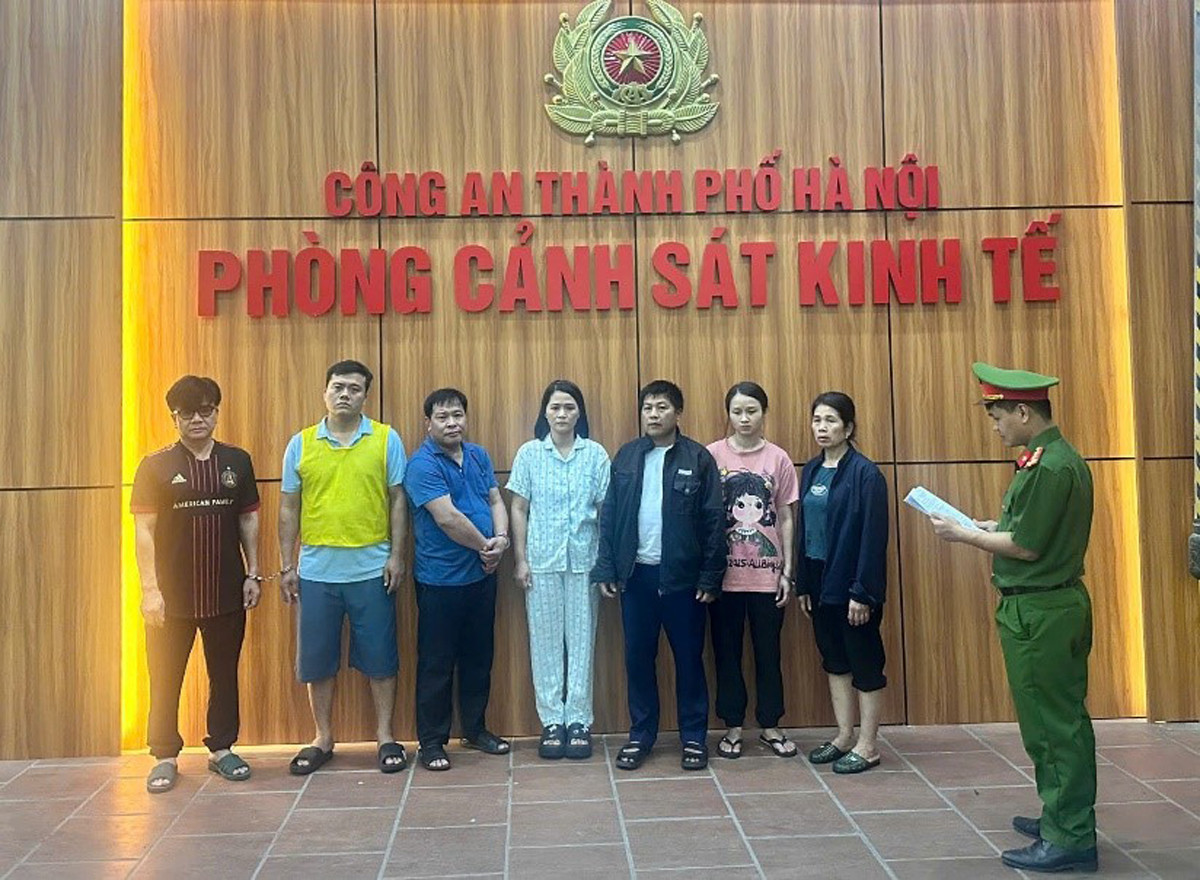
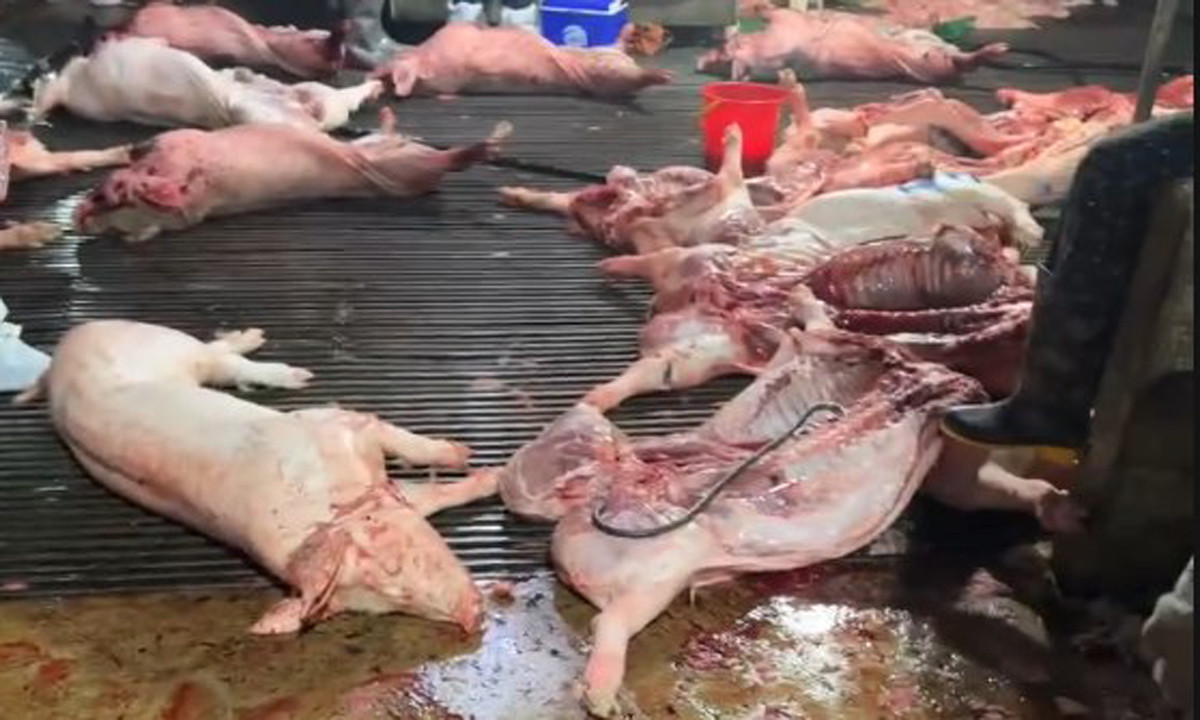
The investigation, led by the city’s Economic Police Division, uncovered a closed supply chain that sourced infected pigs from provinces such as Phu Tho and Tuyen Quang, transported them to Hanoi, processed them at centralized slaughterhouses and distributed the meat widely across wholesale markets, traditional markets and even school kitchens.
Authorities said the operation involved around 3,600 infected pigs since the beginning of 2026. The meat was also supplied to a food company that provided meals to several schools, raising concerns over potential exposure among children.
At the center of the network was a slaughterhouse operated by Nguyen Thi Hien at the Van Phuc centralized slaughter facility. Despite operating within an official complex, the facility notably lacked signage, unlike other slaughterhouses, and maintained a steady output channel.
Investigators found that the group had systematically bypassed mandatory quarantine controls by colluding with certain inspection officials, allowing even dead or visibly infected pigs to be processed and certified for sale.
Following the arrests, operations at the Van Phuc facility were temporarily suspended, and extensive sanitation measures, including disinfecting with lime powder and environmental cleanup, were carried out.
Based on collected evidence, authorities charged the suspects with multiple offenses, including violations of food safety regulations, abuse of power for personal gain and falsification in official duties.
The case has triggered strong reactions from regulators. At a regular press briefing on April 1, Phan Quang Minh, Deputy Director of the Department of Livestock Production and Animal Health under the Ministry of Agriculture and Environment, described the incident as “serious,” warning it posed risks of disease transmission and direct threats to public health, particularly among children.
The ministry has since advised the Prime Minister to issue an urgent directive tightening slaughterhouse controls and strengthening discipline in inspection procedures. Nationwide inspections are set to be deployed, with a focus on traceability across the entire supply chain, from farming and transport to slaughter and distribution.
Officials also acknowledged systemic weaknesses, noting that tens of thousands of small-scale slaughter facilities remain difficult to control, while centralized models have yet to operate effectively. As a result, informal and unregulated slaughtering has shown signs of resurging.
Authorities emphasized that stricter quarantine controls will be enforced not only at slaughterhouses but also at border points and within domestic markets, aiming to prevent unsafe meat from circulating.
The Hanoi Police Department stated it will continue dismantling illegal food supply networks, pledging strict enforcement with “no exceptions and no off-limits zones.”
Tien Dung - Vu Diep - Dinh Hieu
.svg)
