 Vietnamnet.vn

 Podcast


In Du hamlet, Xuan Dai commune, Phu Tho province, a centuries-old persimmon tree stands among traditional Muong homes, its expansive canopy providing shade for generations of villagers.
Locals affectionately call it "Cu Thi," or Grand Elder Persimmon, a name reflecting the deep connection between the tree and the community.
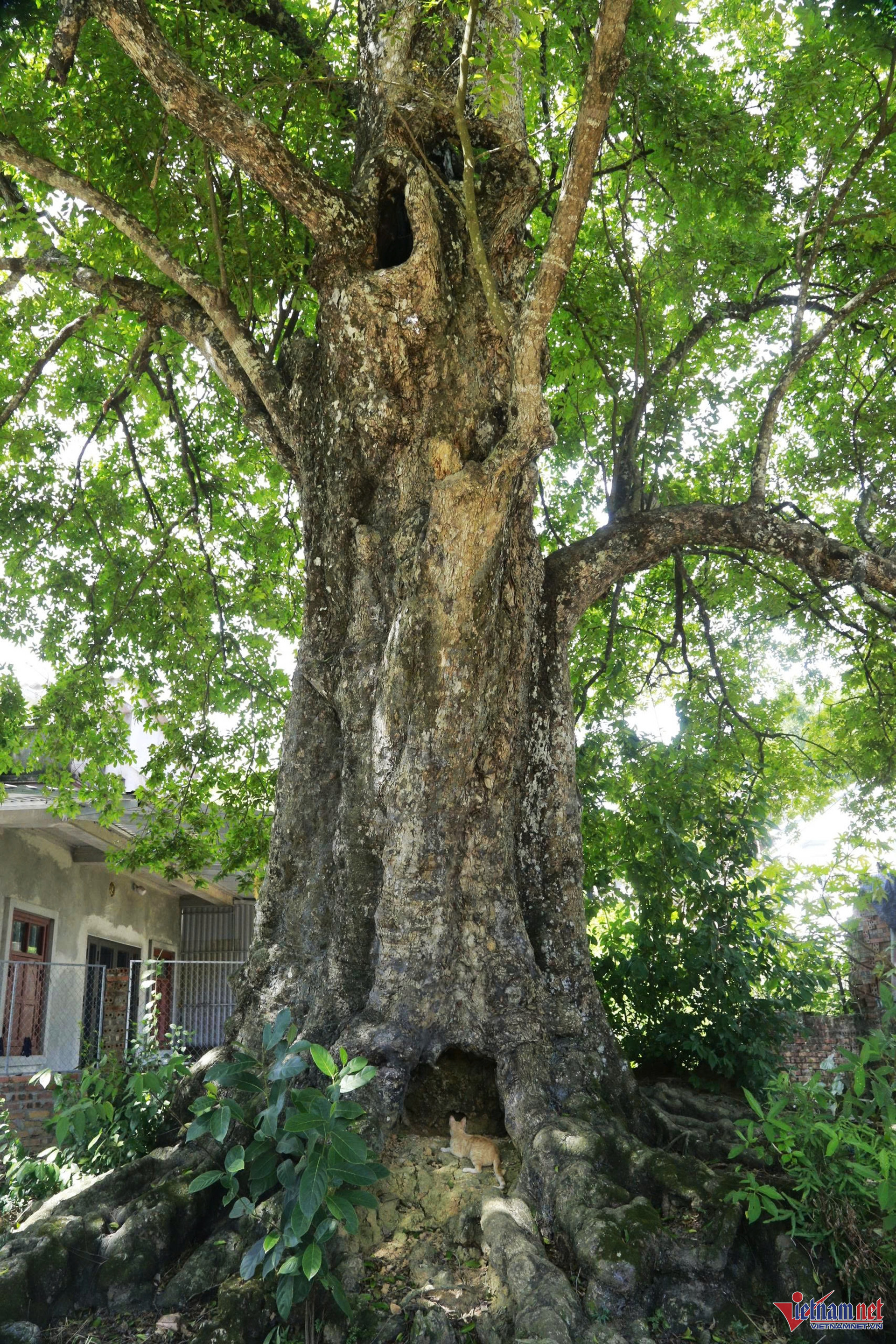
Its massive trunk, weathered bark and hollow cavities bear the marks of centuries, while its branches continue to produce fruit each year.
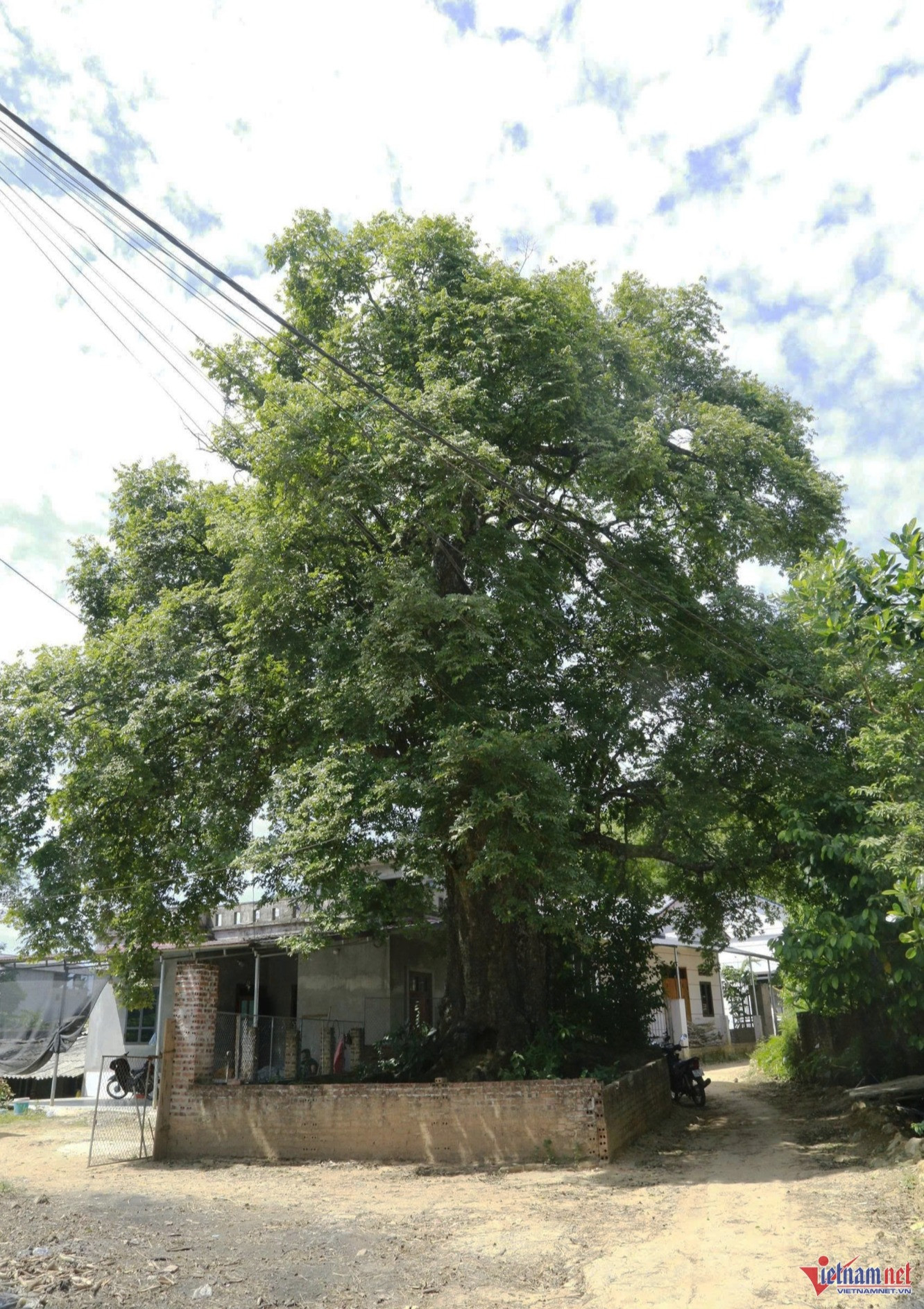
Nobody knows exactly when the tree first took root in the village.
Older residents recall stories passed down by their grandparents, who said the tree was already standing when they were children tending buffaloes and cutting grass.
Over time, it became a familiar landmark and an enduring part of the cultural landscape of the Muong community in Xuan Dai.
The tree's enormous base is so wide that four adults are needed to encircle it with their outstretched arms. Its trunk rises more than 20 meters, supporting a broad canopy that shades a substantial area of the hamlet.
Its rough bark is covered with natural knots and protrusions, while deep hollows have formed in the aging wood.
Ha Luong Thien, former vice chairman of the former Xuan Dai Commune People's Committee, said local accounts passed down through generations suggest the tree is approximately 300 to 400 years old.
One tree, three different fruit shapes
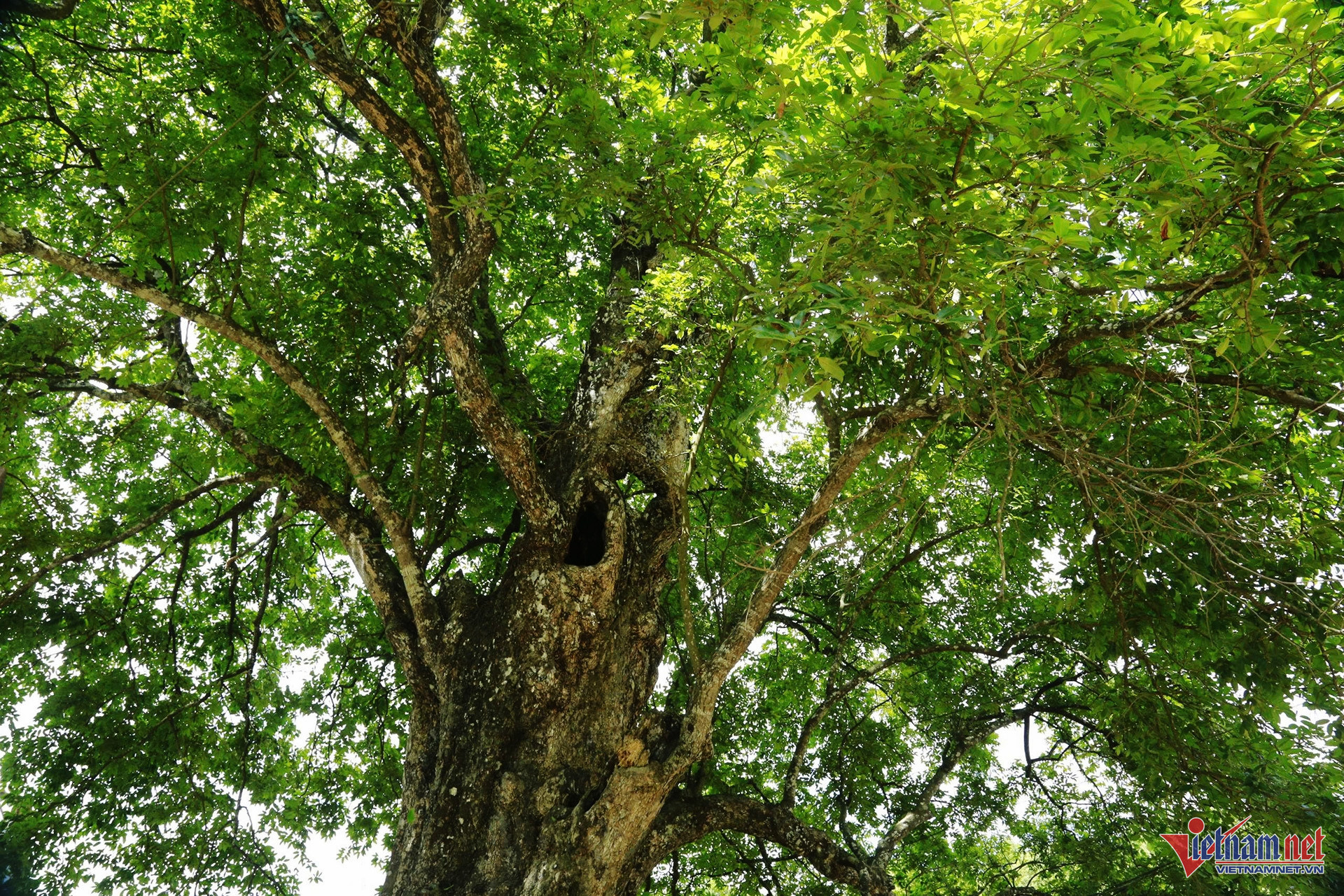
The most remarkable feature of the ancient tree is that three of its branches produce fruits with distinctly different appearances.
According to Phung Thanh Minh, a local resident familiar with the tree's history, one branch bears large, elongated fruits known locally as thi ong, or "male persimmons."
Another produces evenly rounded fruits called thi ba, or "female persimmons."
The third bears smaller, flattened fruits known as thi bet.
Despite their different shapes, all three types grow on the same tree.
This unusual characteristic has earned it the local nickname "three-lineage persimmon tree."
When the fruits ripen, villagers often ask permission to take a few home, placing them indoors to enjoy their distinctive fragrance.
For many people who grew up in the Muong village, the sweet scent of ripe persimmons evokes childhood memories and the rhythms of rural life.
The tree is therefore valued not only for its unusual fruit but also for the personal and collective memories associated with it.
A living symbol of Muong heritage
Numerous stories and traditional beliefs surround the ancient persimmon tree.
One local custom holds that people may ask for ripe fruit but should never break its branches or deliberately damage it.
Although rooted in folk belief, the practice also reflects the community's longstanding commitment to protecting the tree.
For residents of Du hamlet, caring for their beloved "Cu Thi" involves simple but consistent efforts.
They keep the area around its base clean and avoid activities that could damage its trunk or roots.
Thanks to this care, the tree continues to flower and bear fruit despite its considerable age.
It has witnessed generations of families, changes in village life and the gradual development of the surrounding community.
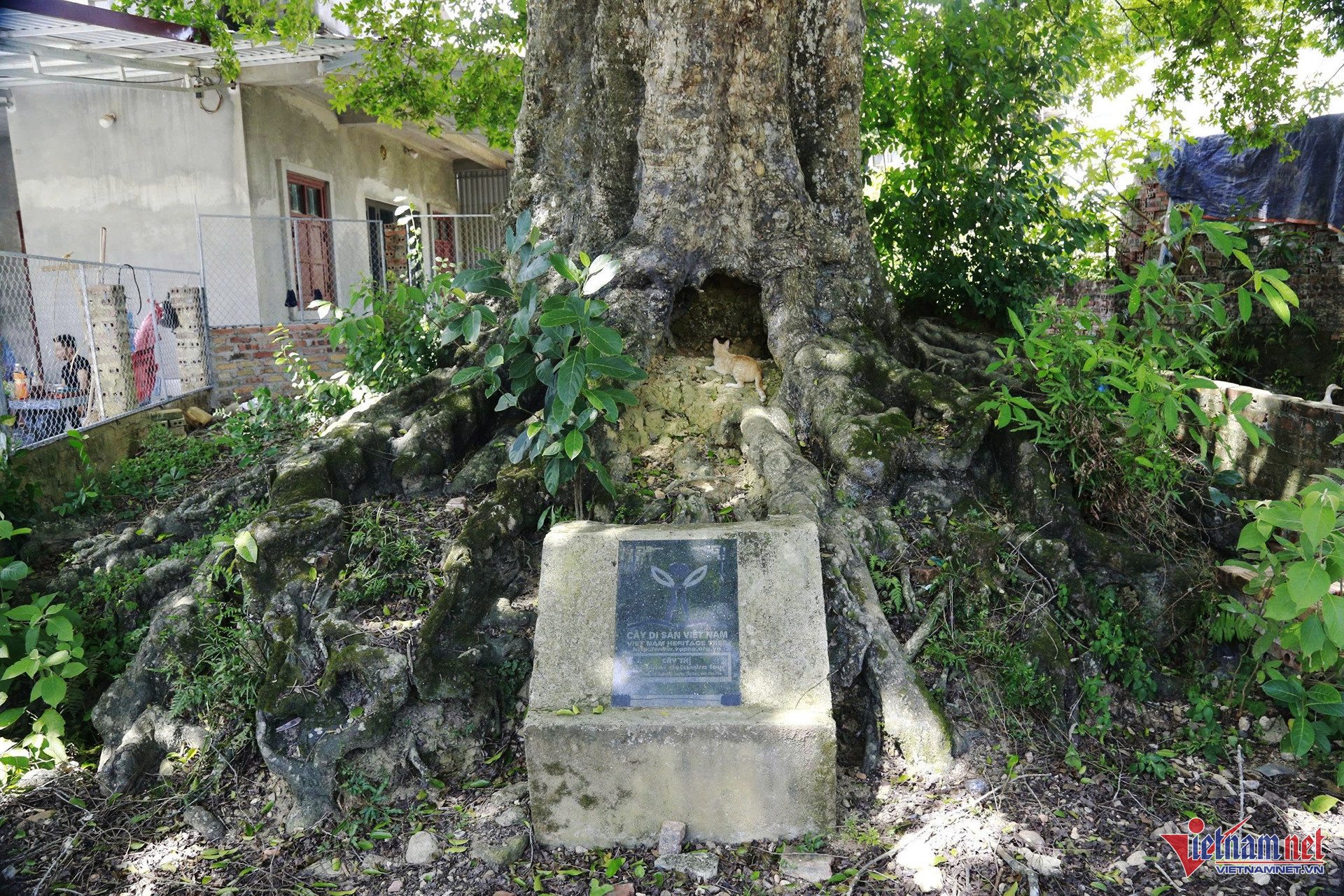
In 2017, the Vietnam Association for Conservation of Nature and Environment officially recognized the ancient persimmon tree in Du hamlet as a Vietnamese Heritage Tree.
The designation acknowledges its ecological, historical and cultural significance.
Yet for the Muong residents of Du hamlet, its meaning extends beyond formal recognition.
The tree is a living reminder of the village's past, of homes that once stood beneath its branches, of childhood days spent in its shade and of the familiar fragrance that returns with every fruiting season.
After centuries of change, the ancient persimmon tree remains deeply rooted in both the landscape and the memories of the community.
Duc Hoang

