 Vietnamnet.vn

 Podcast



Tran Nghi
Phu Khong lies along Route No. 1 of the Trang An ecotourism complex in Ninh Binh, northern Vietnam. The journey takes visitors through three spiritual sites and nine caves and lasts around three to three and a half hours.
Near the entrance to Khong Cave and overlooking the Khong valley, the shrine sits beneath towering limestone mountains. It is associated with numerous stories and legends from Vietnam’s 10th-century Dinh Dynasty, including the mystery surrounding the burial place of Emperor Dinh Tien Hoang.
Stories from the Dinh Dynasty
According to an inscription at Phu Khong, the area lay at the southwestern gateway to Hoa Lu, the capital of Vietnam in the 10th century.
After Emperor Dinh Tien Hoang and his son Dinh Lien were assassinated, the young Dinh Toan ascended the throne. With the Chinese Song Dynasty threatening an invasion, Empress Dowager Duong Van Nga handed the imperial robe to military commander Le Hoan. Le Hoan subsequently became emperor and founded the Early Le Dynasty.
According to the inscription and stories passed down locally, some officials who remained loyal to the Dinh Dynasty resisted the new court after Le Hoan took the throne.
Among them was Dinh Cong Tiet Che, an official said to have been placed under house arrest in the area where Phu Khong now stands. After learning that resistance to the Le court had collapsed and those involved had been captured or killed, he took his own life. Local people later established a place of worship for him here.
Phu Khong is also associated with a legend about seven loyal officials of the Dinh Dynasty.
According to the story, after Dinh Tien Hoang was assassinated, the seven were entrusted with preparing the emperor’s body and taking it to its burial place. To keep the location of his real tomb an absolute secret, they and their entourage later took their own lives, carrying the secret with them to the grave.
The tale has helped shroud the Khong valley in enduring legends about the tomb of the emperor who ushered in an era of centralised feudal rule in Vietnam.
The legend of 99 coffins and the mystery of King Dinh’s tomb
The story of those entrusted with protecting the secret location of Dinh Tien Hoang’s burial place also inspired the historical fantasy film Ho linh trang si - Bi an mo vua Dinh.
The film follows seven warriors on a final mission entrusted to them by the late emperor. They must take 99 coffins belonging to Dinh Tien Hoang in different directions to mislead forces seeking to locate and destroy his tomb.
Drawing on the legend, the film imagines what might have been hidden inside the coffins and the secret the warriors were prepared to sacrifice their lives to protect.
Scenes were filmed in Ninh Binh, where the limestone mountains, waterways and historical sites associated with the ancient capital of Hoa Lu provide a distinctive setting for the story.
An ancient persimmon tree bearing two types of fruit
Alongside the Dinh Dynasty legends, an ancient persimmon tree standing in front of Phu Khong has attracted attention for an unusual phenomenon.
Its fruit typically ripens around the middle of the eighth lunar month, coinciding with commemorations for Emperor Dinh. What intrigues visitors is that the same tree produces fruit in two distinct shapes - round and flattened - which can even appear on the same branch.
It has become one of the curiosities most frequently mentioned by locals and visitors to Phu Khong.
Surrounded by layers of limestone mountains and the green waters of Trang An, Phu Khong is therefore more than a spiritual stop on a sightseeing route. Tales of the seven loyal officials, the mystery of Dinh Tien Hoang’s tomb and the ancient tree with two forms of fruit give the site its distinctive air of mystery.
Phu Khong was built on a flat piece of land at the foot of Vong Cung and Son Duong mountains, surrounded by a flooded valley. Facing southeast beneath a limestone overhang, the shrine is constructed primarily of stone and wood in a traditional Dinh-shaped architectural layout.
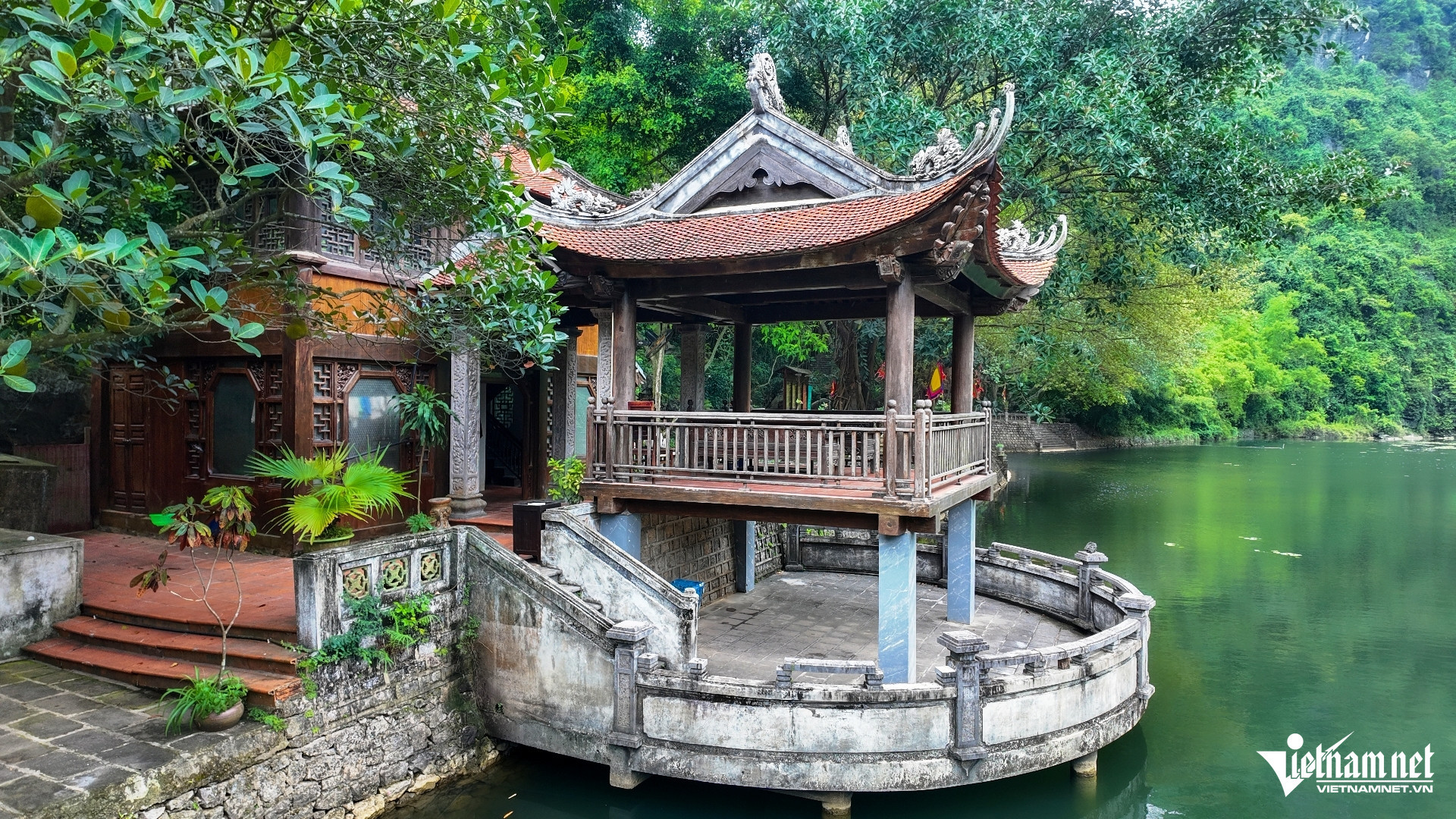
Today, visitors reach Phu Khong aboard boats weaving between Trang An’s limestone karsts. They come not only to pay their respects but also to hear stories handed down through generations - stories in which the boundary between history and legend continues to inspire curiosity.
Within the Phu Khong grounds stands the ancient persimmon tree whose fruit ripens around the middle of the eighth lunar month, coinciding with the anniversary of Emperor Dinh’s death. Remarkably, it produces both round and flattened fruit, sometimes on the same branch. To this day, the phenomenon has yet to be explained.
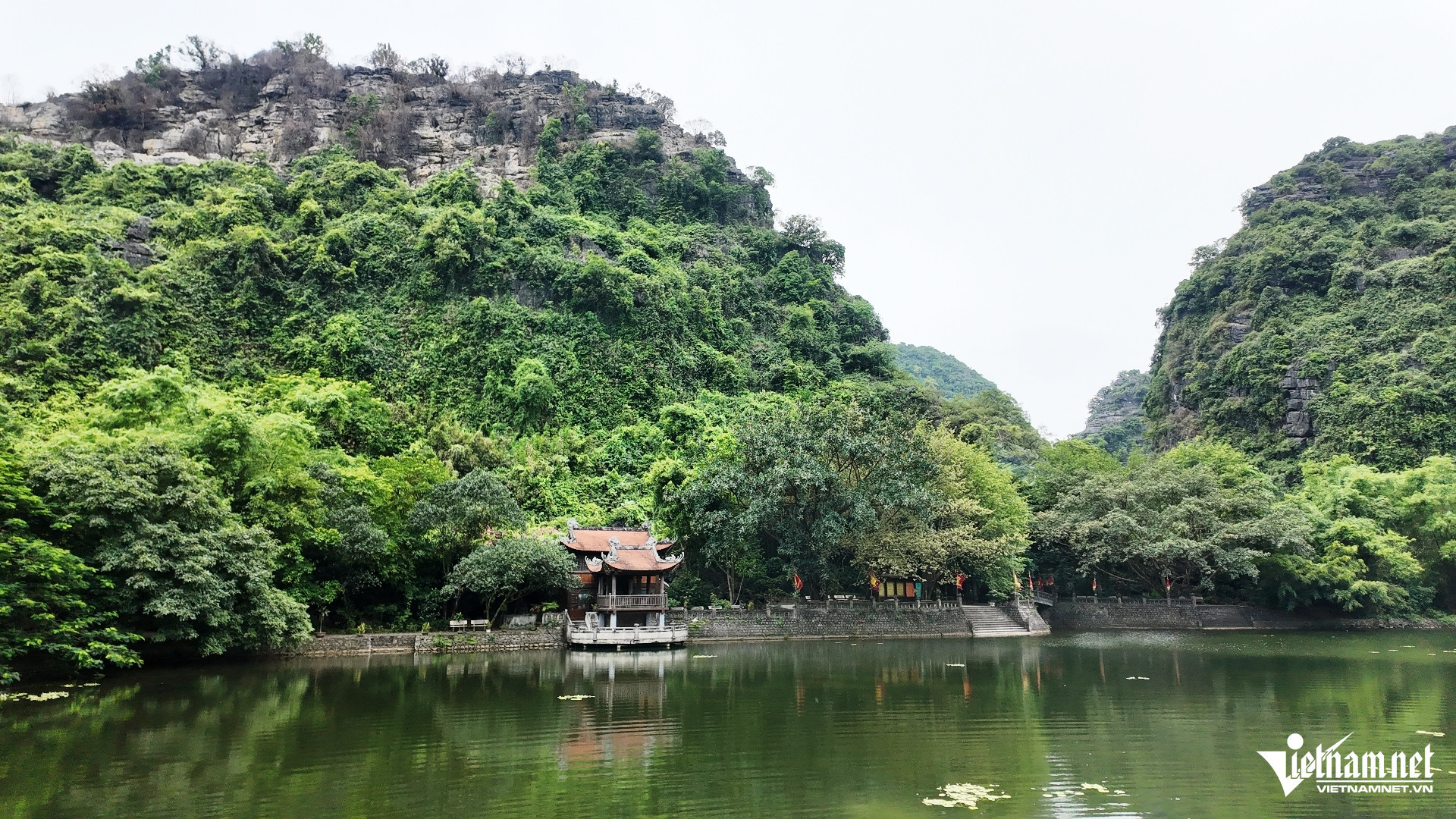
Phu Khong stands on flat ground at the foot of Vong Cung and Son Duong mountains in Trang An. Photo: T.A
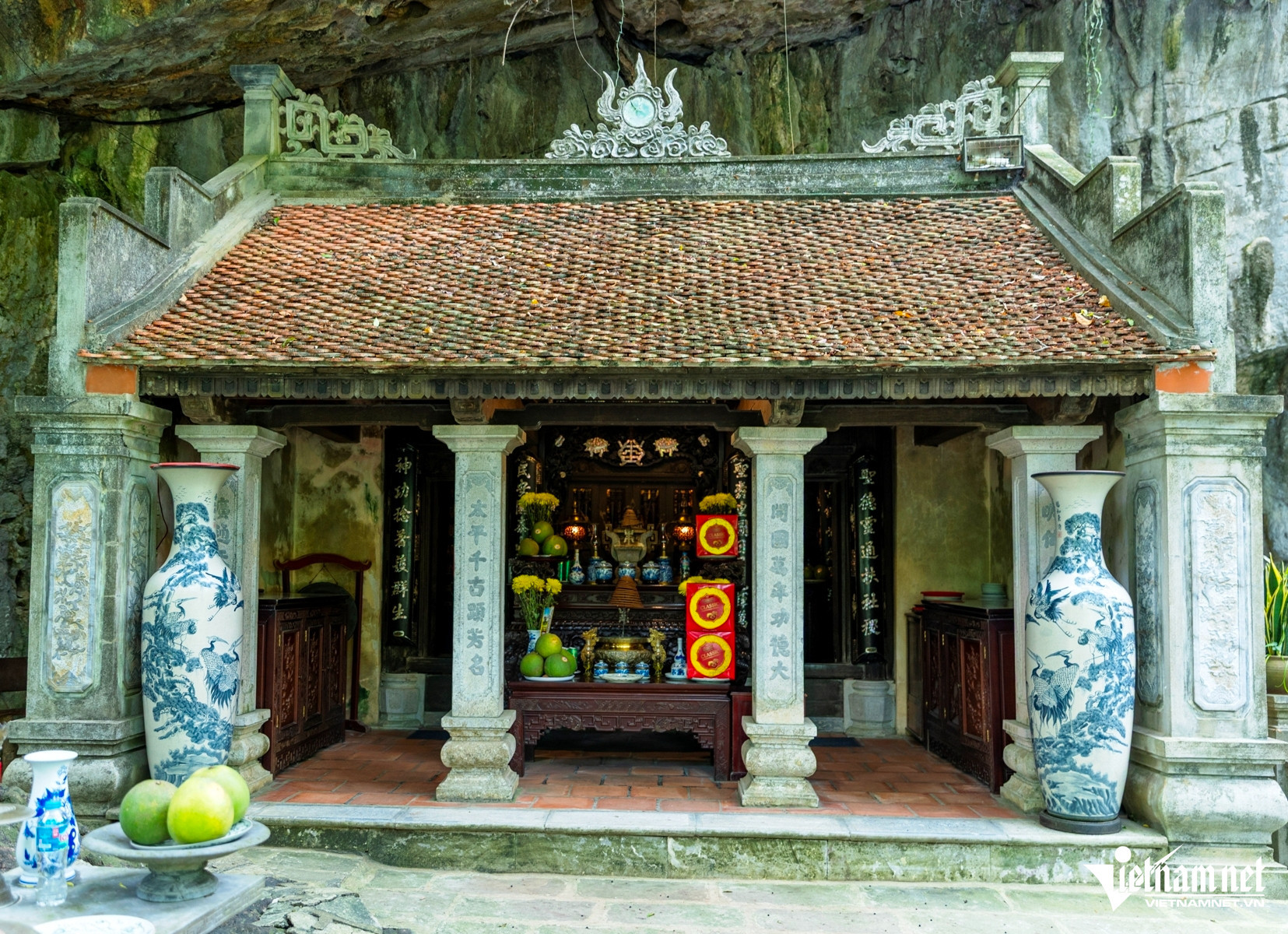
Phu Khong is a spiritual site surrounded by the limestone landscape and waterways of Trang An. Photo: T.A
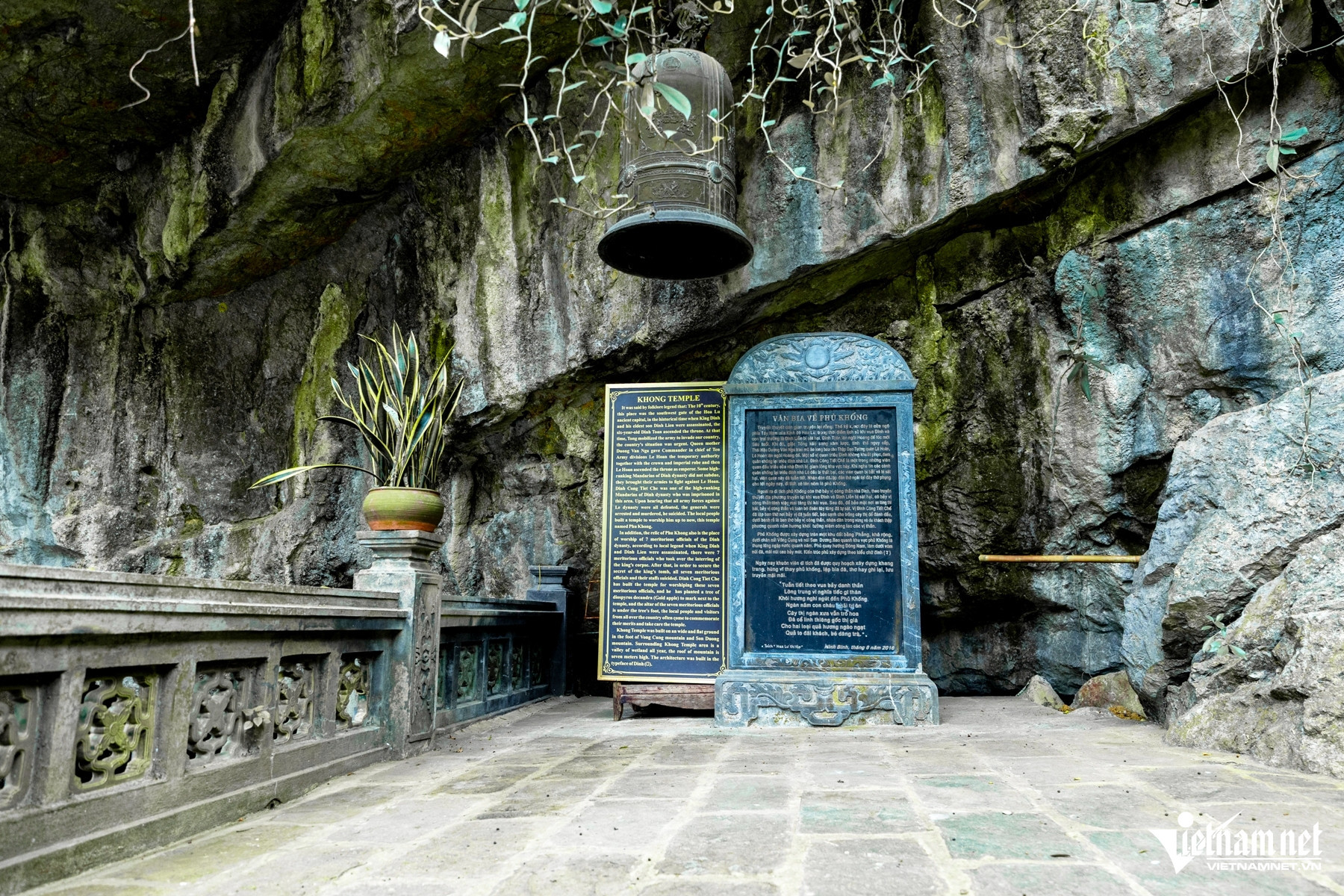
According to an inscription at the shrine, Phu Khong honours Dinh Cong Tiet Che and seven loyal officials of the Dinh Dynasty. Photo: T.A
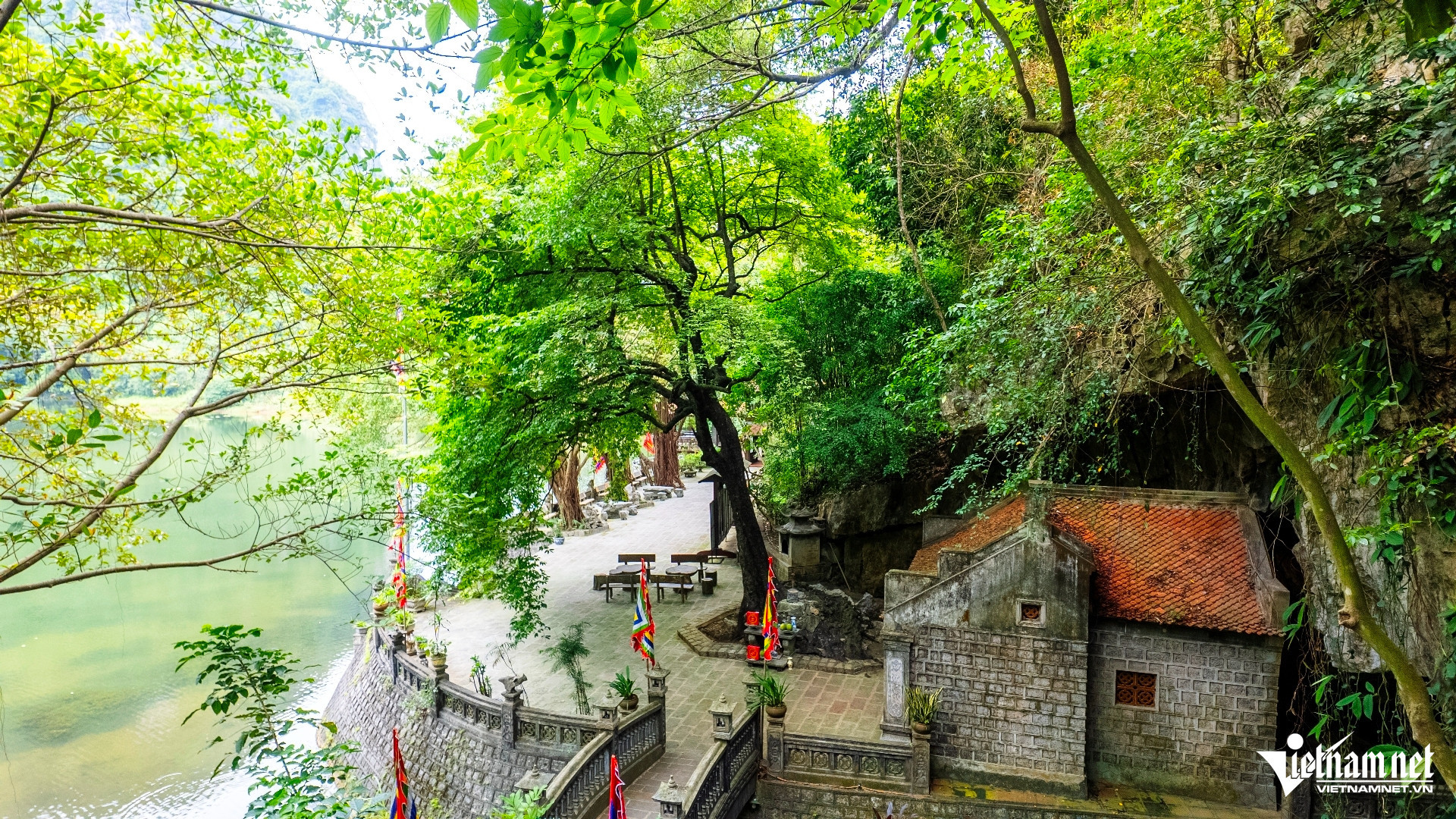
Facing southeast beneath a limestone overhang, Phu Khong was built mainly from stone and wood in a traditional Dinh-shaped architectural layout. Photo: T.A
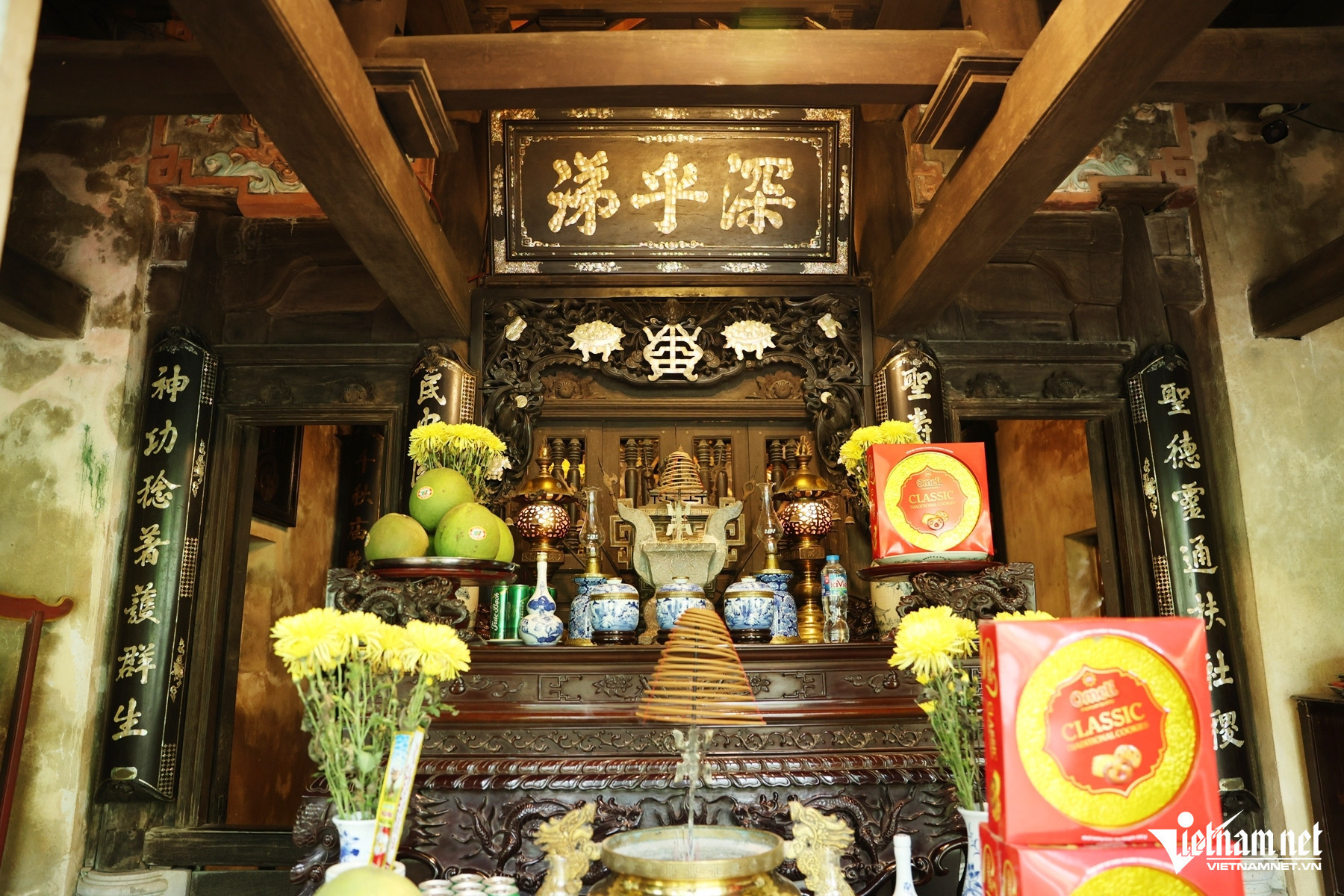
Legend says the seven loyal Dinh officials took their own lives, carrying the secret of Emperor Dinh Tien Hoang’s burial place to their graves. Photo: T.A
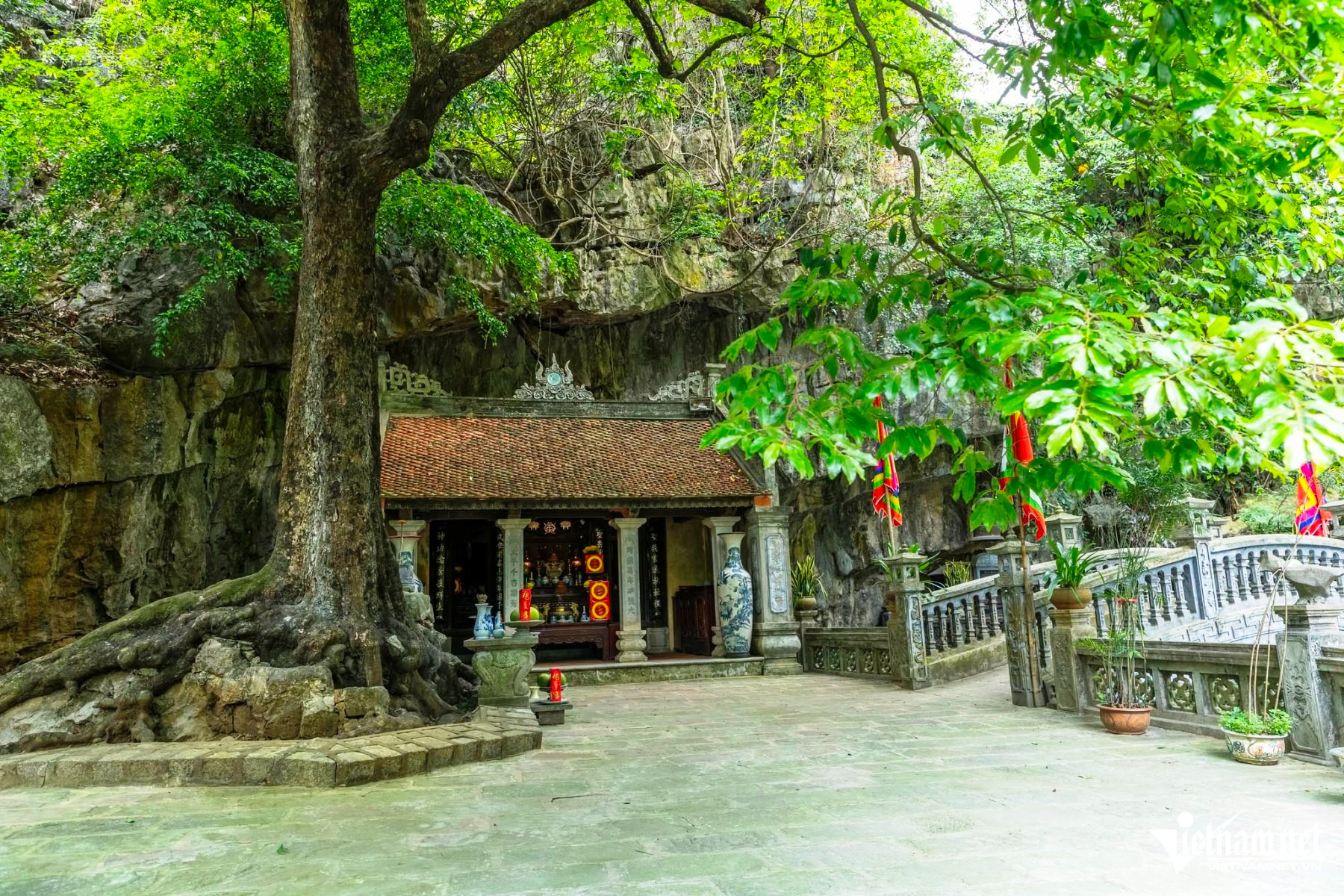
The legends surrounding Phu Khong inspired the historical fantasy film Ho linh trang si - Bi an mo vua Dinh. Photo: T.A

An ancient persimmon tree in front of Phu Khong ripens around the middle of the eighth lunar month and produces both round and flattened fruit, sometimes on the same branch. Photo: T.A
.svg)
