 Vietnamnet.vn

 Podcast



“Time for breakfast, Mr. Cam!”
At 7 a.m., a nurse’s voice echoes through the rehabilitation room, trying to rouse a weary veteran whose vacant eyes drift in a haze.
At that same moment, the treatment area at the Kim Bang Center for War Invalids starts to stir. The veterans begin to emerge from their rooms and head toward the dining hall.
This is how every day begins here.
Wounds that never heal
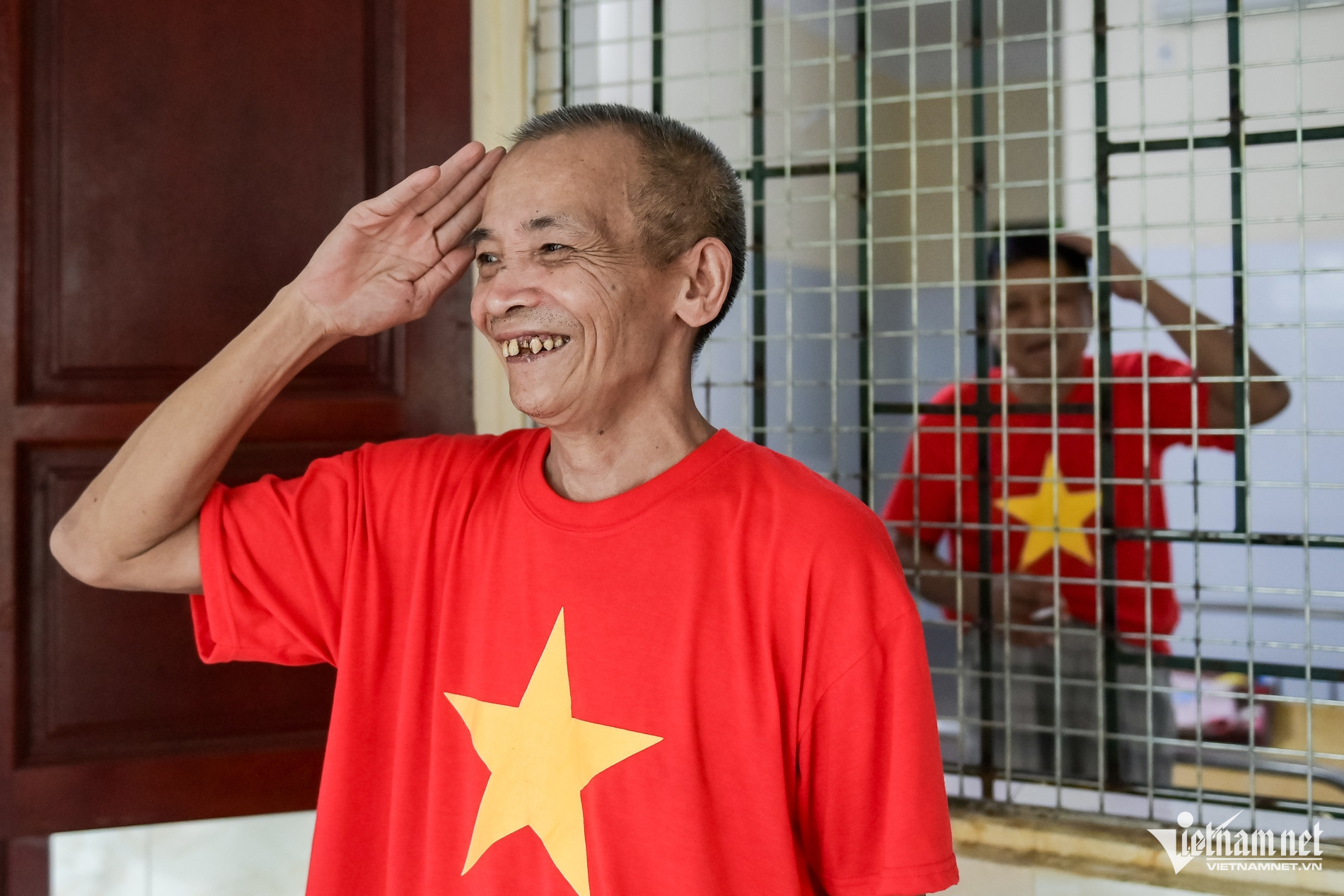

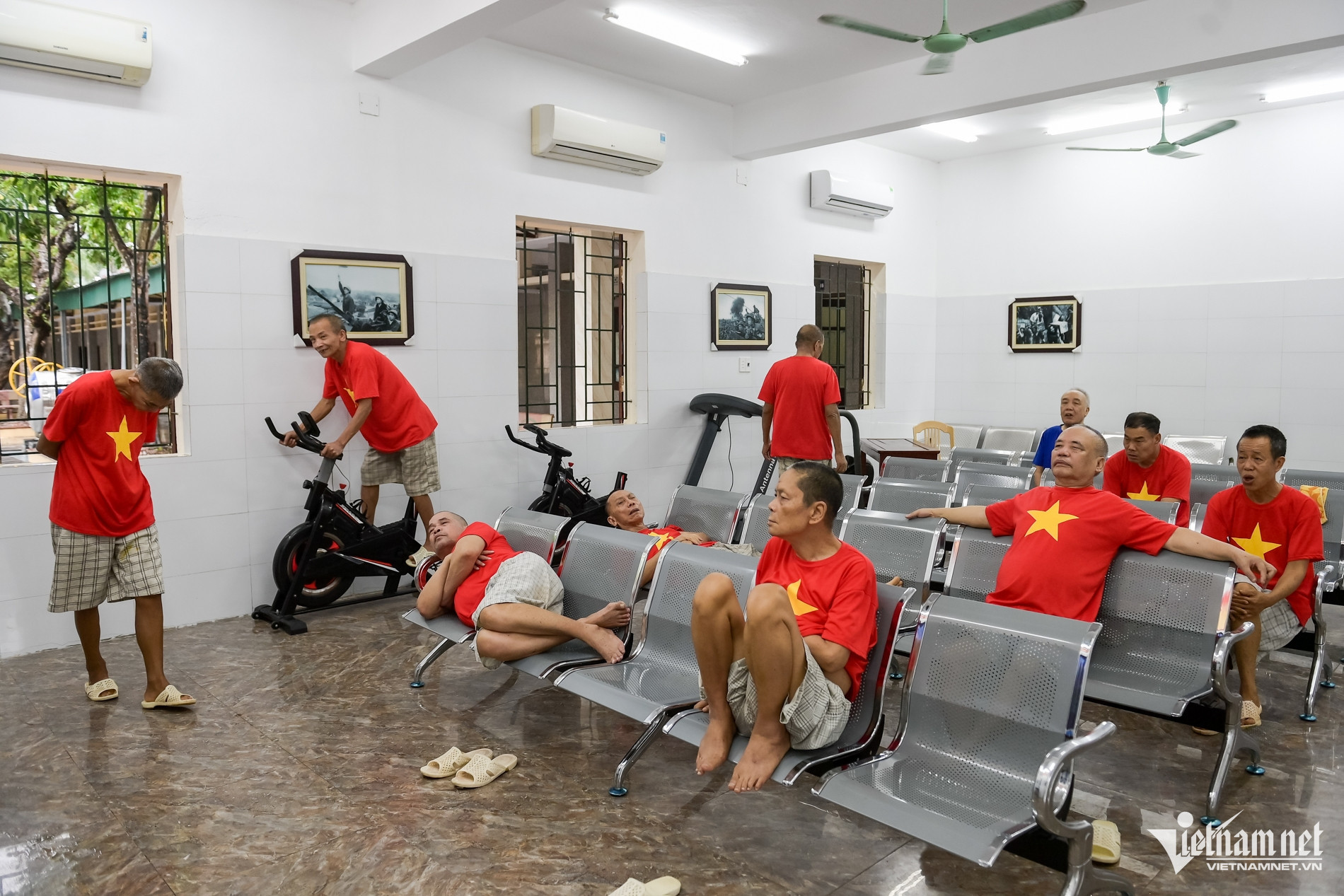
The Kim Bang Center currently cares for 106 people, including severely injured veterans, civil servants with loss of labor capacity, and relatives of war heroes. Among them, 72 are classified as extremely severe cases, with over 81% physical disability and chronic mental illness.
These men were once fearless soldiers, unflinching in the face of bullets and bombs, ready to meet death head-on. Returning from the battlefield, they entered a different war – silent, grueling, and just as brutal. A war without gunfire, but with lingering trauma that has haunted them for more than half a century.
 |
 |
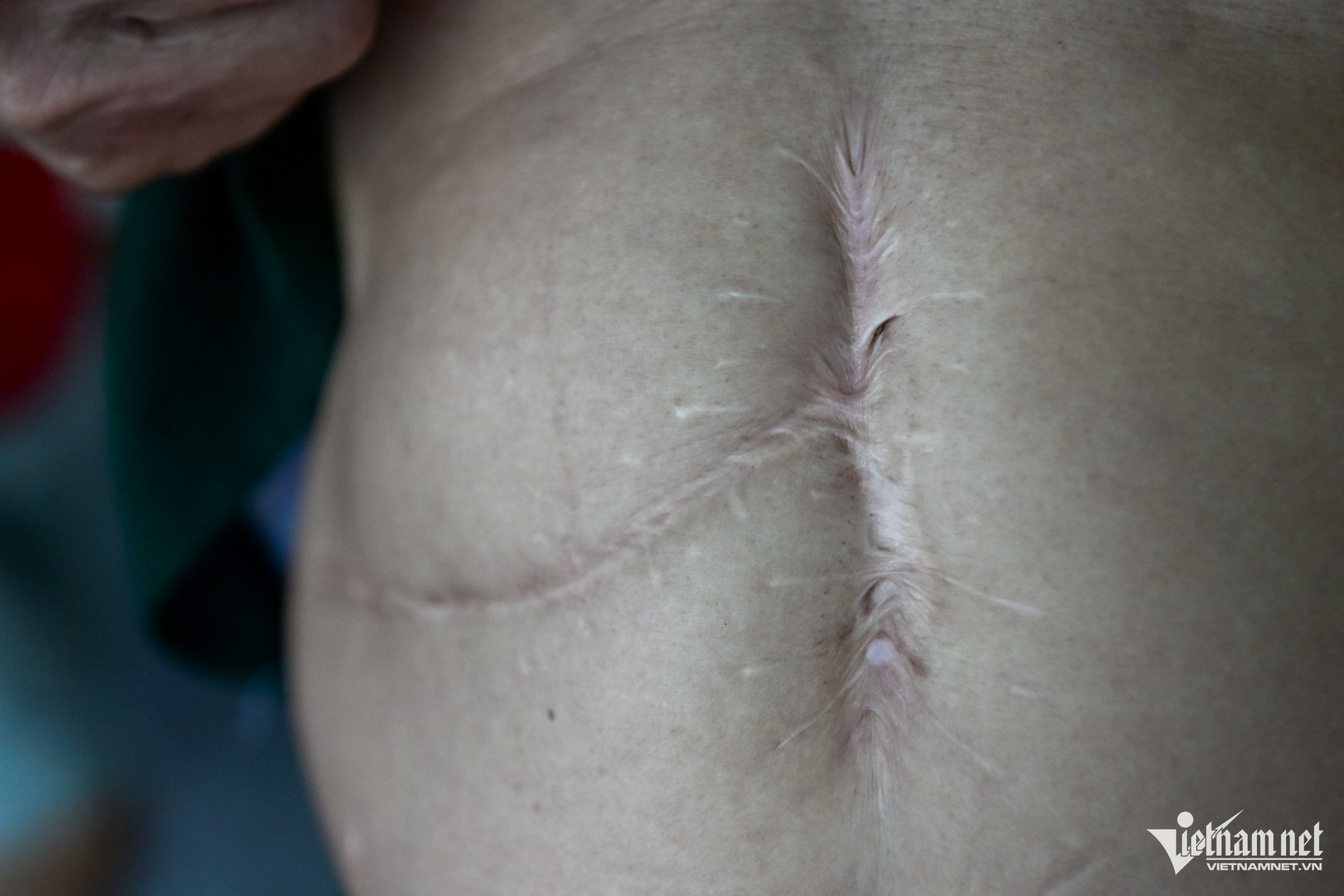 |
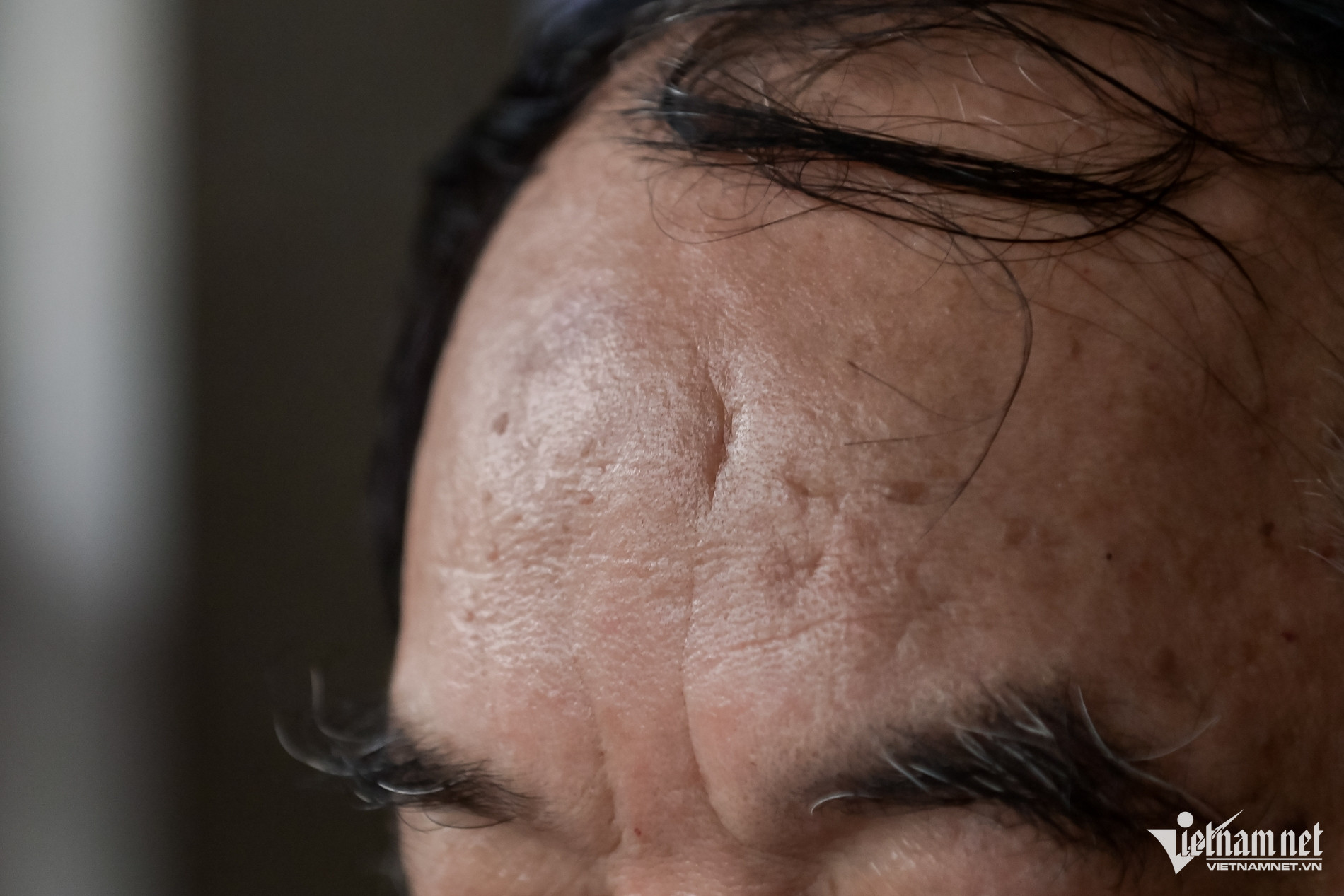
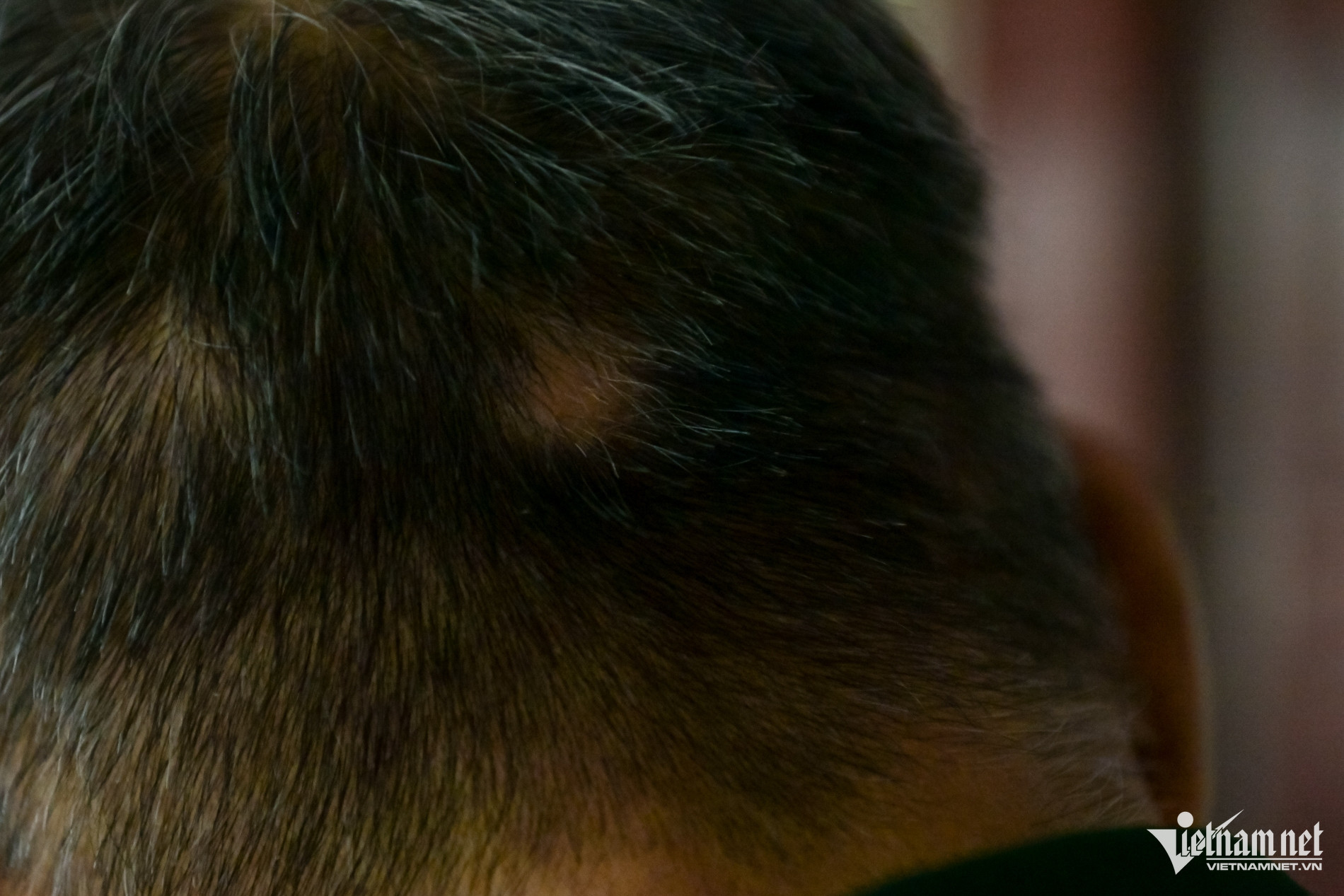
Fragments of bombs and landmines lodged in their skulls left devastating injuries. The effects of brain trauma, war memories, and unending pain make it feel as if these veterans are still trapped in the heat of battle.
Some suddenly stand to salute the flag and sing the national anthem. Others scream “charge!” as if back on the frontlines, while some harm themselves using sharp objects.
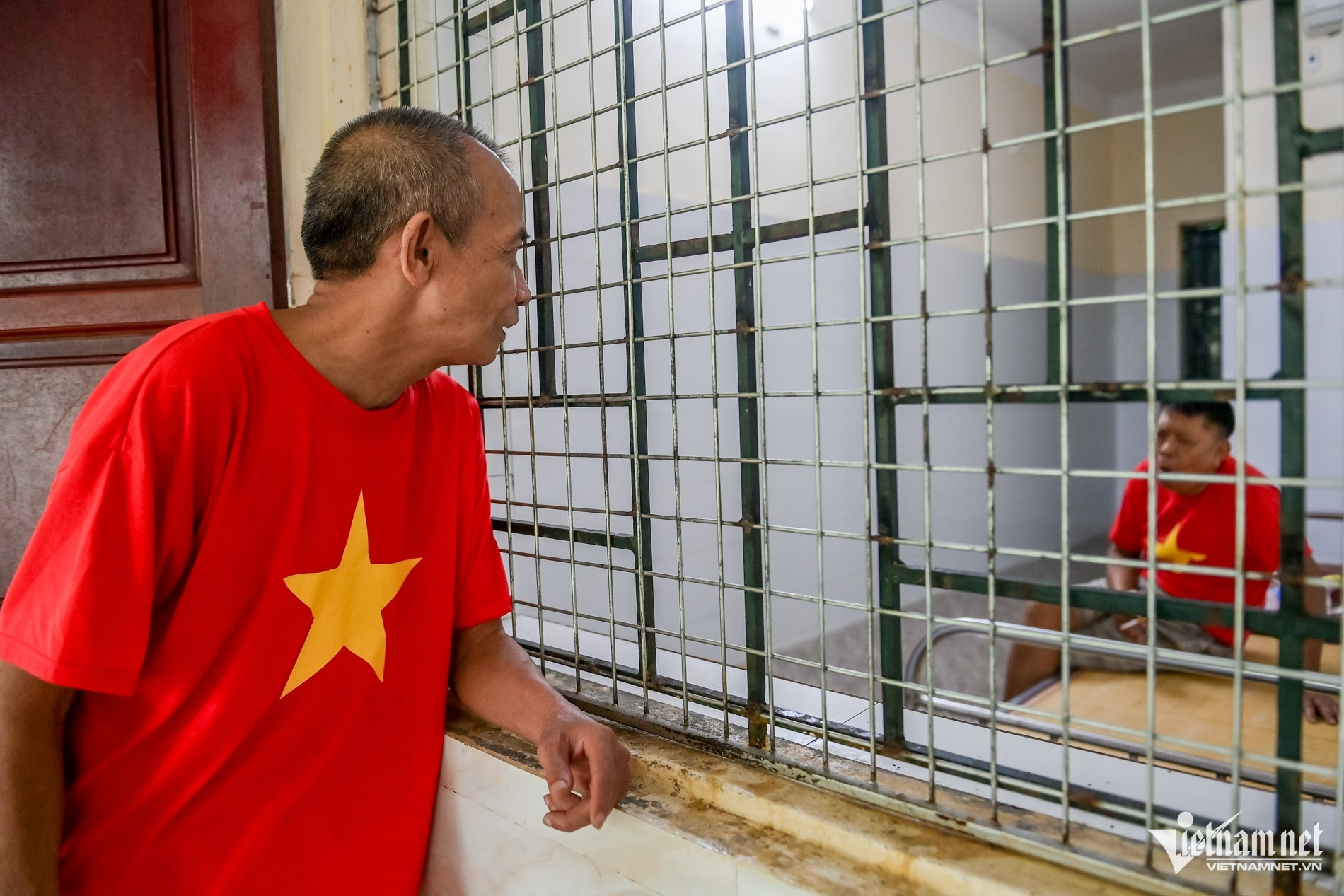
Certain veterans, prone to violent outbursts, must be confined to separate rooms with continuous supervision. Beds are bolted to the ground, and windows covered with extra wire mesh.
 |
 |
 |
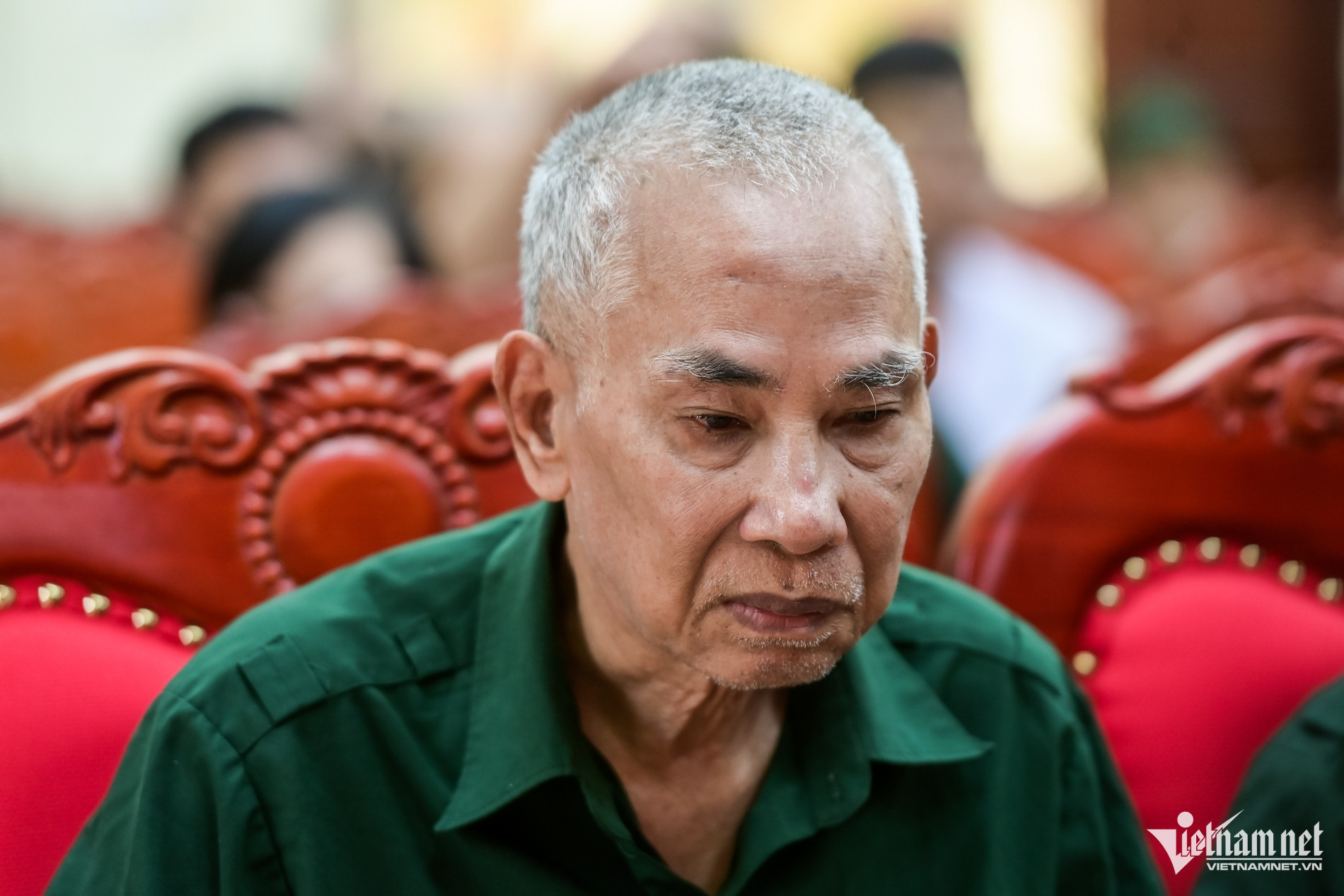 |
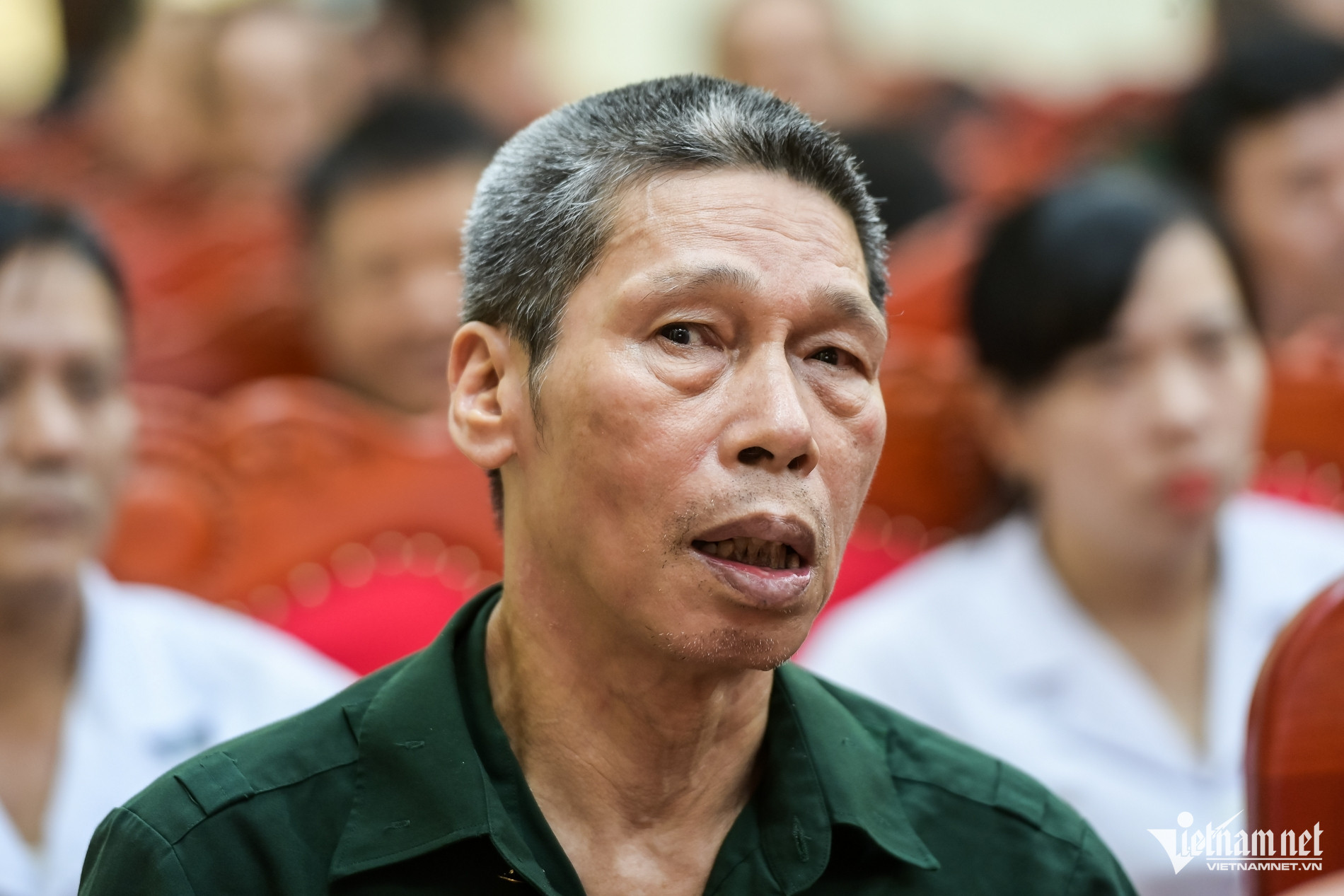
Even those who appear indifferent can erupt in rage without warning. Their moods swing wildly, leading to destructive behavior and loss of control over daily activities.
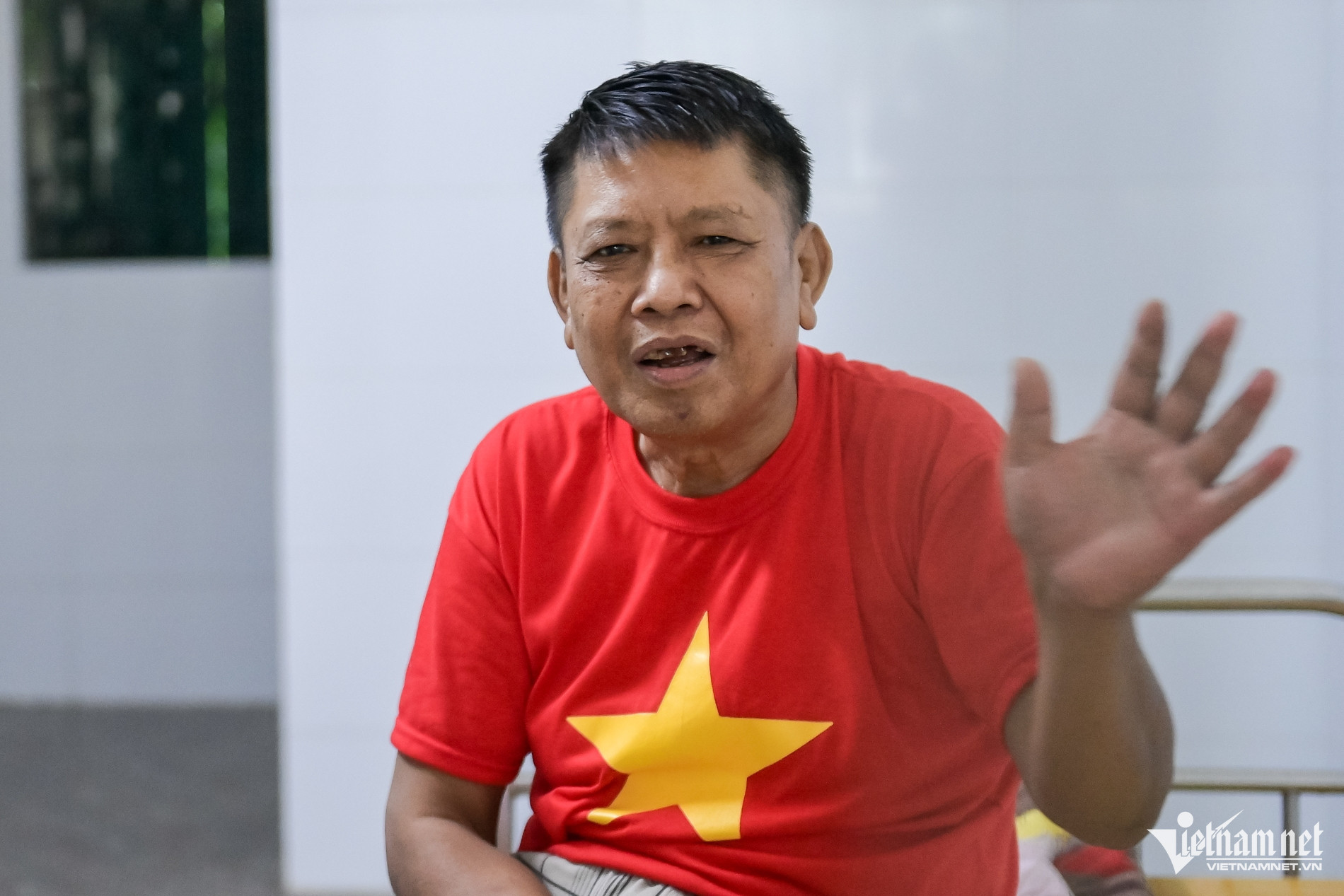
Many are haunted by memories of war. Take Dang Thanh Long (born 1956, Ninh Binh). After years battling a head injury, he managed to recover to a degree. But for years now, he cannot even handle butchering a chicken. The sight of blood sends him into a frenzy – panic, rage, and destruction.

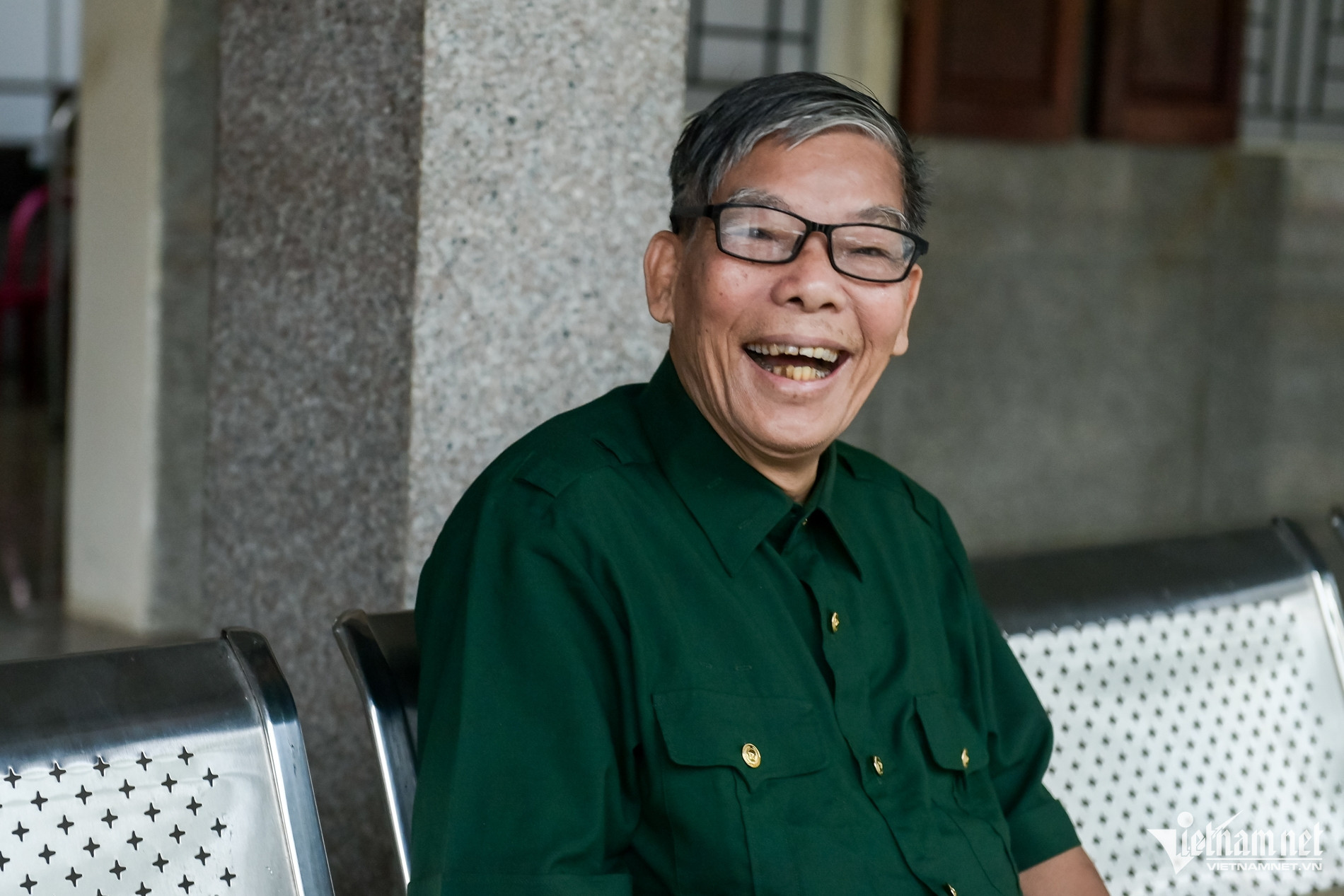
Trinh Quang Trung (born 1948, Hanoi), is one of the more stable cases. Enlisted in 1968, he fought on many fierce frontlines. His worst injury came in 1974 when a shell fragment struck his head.
“That injury ended my time on the battlefield. It triggered bouts of mental instability. In 1976, I was admitted here for treatment. For four straight months, I suffered uncontrollable episodes, up to two or three times a day. I had to be restrained, often left without clothes. After years on medication, I’ve stabilized, but the pain still lingers. When the weather changes, I get easily irritable,” Trung shared.
 |
 |
 |
 |
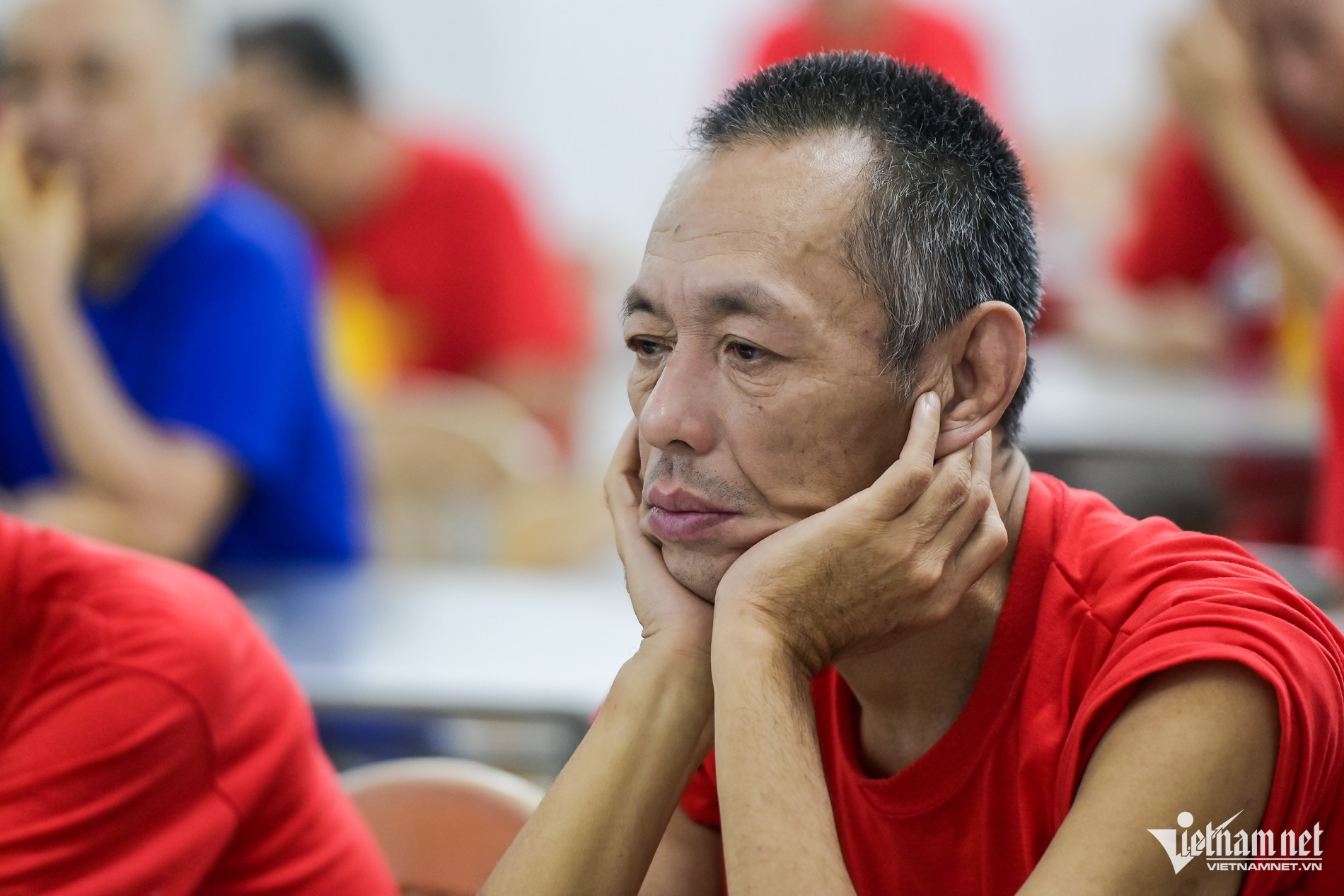
Vu Huu Ty, a former Truong Son truck driver from Ninh Binh, was conscripted in 1968. In 1971, he suffered trauma from a bomb blast, leading to 81% disability.
His mental state was also severely affected. Whenever an episode hit, he’d destroy things and attack people around him, believing they were enemies. After years struggling with the mental toll of war, he was recently diagnosed with lung cancer.
Though peace has reigned for over 50 years, their lives remain far from peaceful.
The unbroken spirit of soldiers
 |
 |
 |
 |
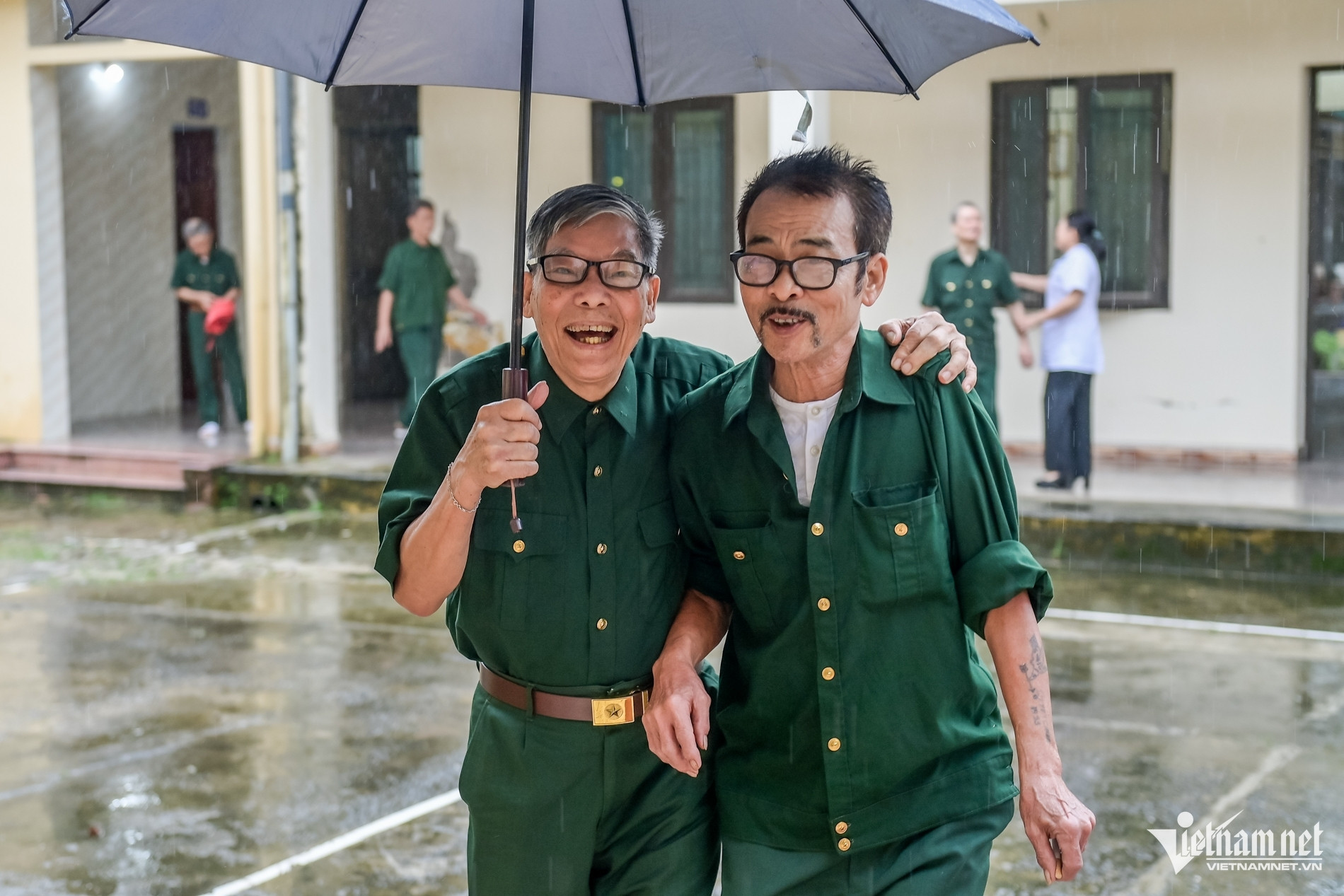
Though physically impaired, these veterans retain the unyielding spirit of warriors.
Many have fought through war trauma to regain partial memory and awareness.
Mr. Long, for example, returned to his hometown and started a family after stabilizing. Now he divides his time between home and the center, always disciplined. He takes his medication on time and exercises to stay alert. Being mentally sharp enough to help his wife and children in any small way makes him happy.
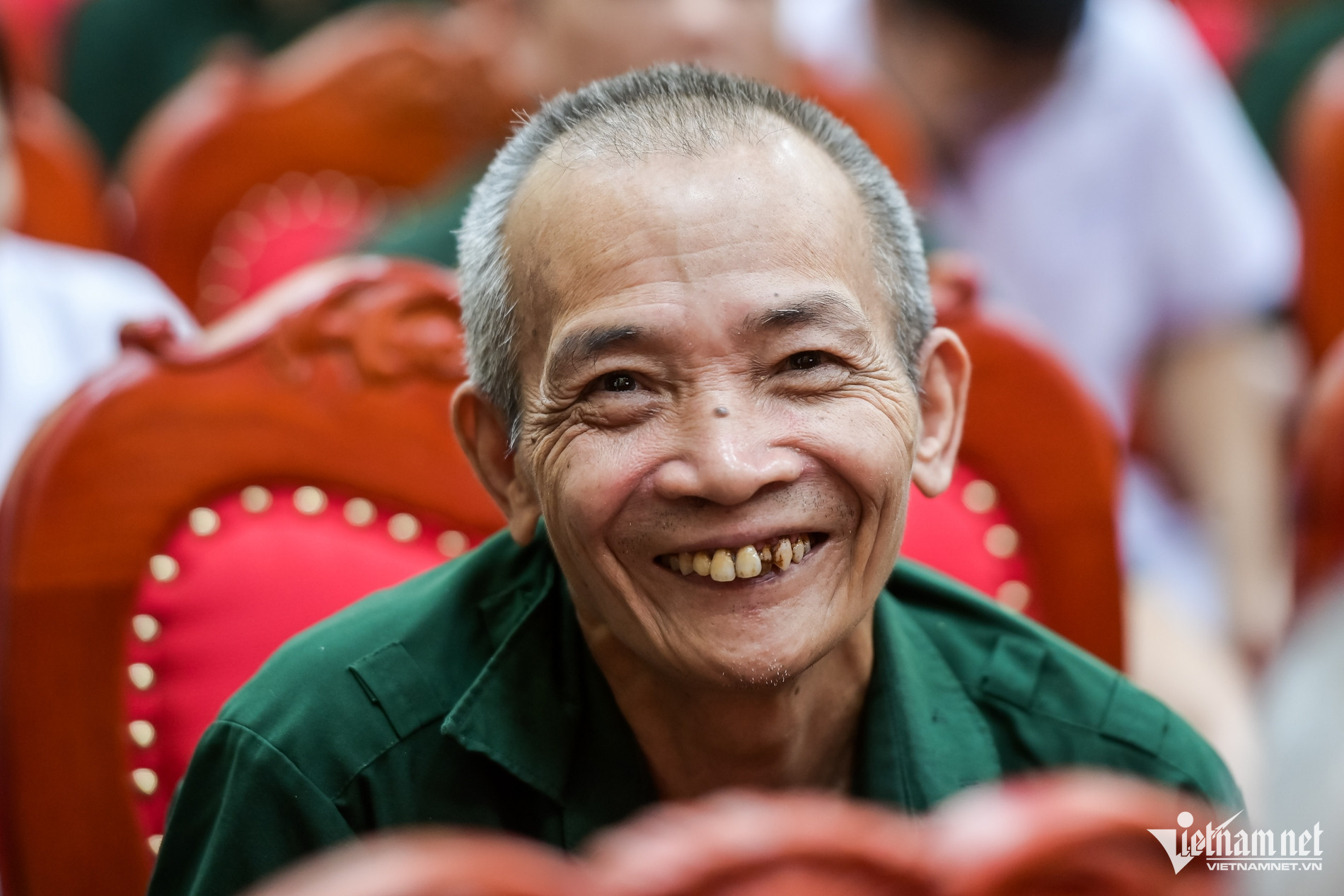
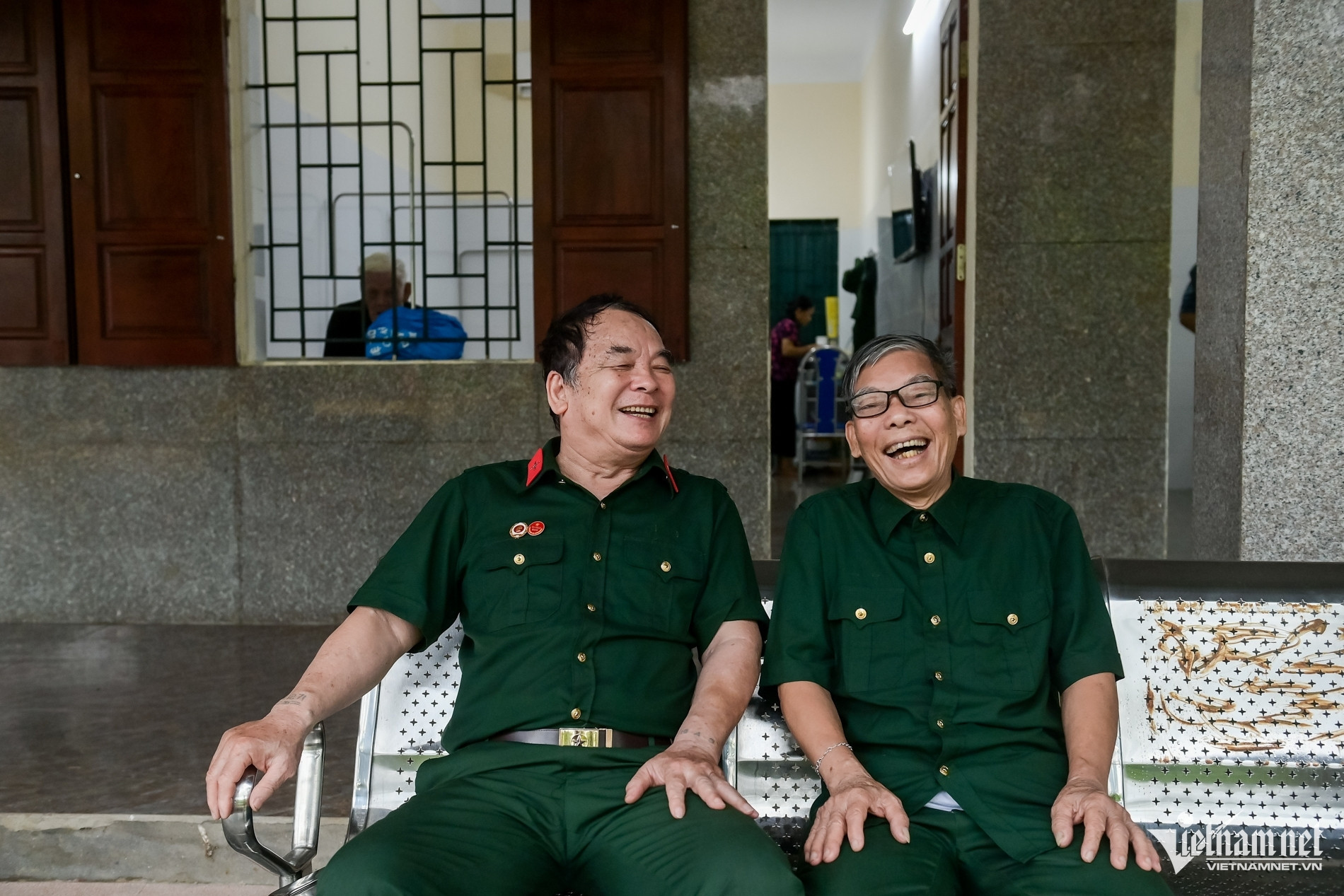
When feeling well, the veterans gather to chat and share laughter – a precious source of emotional strength.
Vu Duc Luyen (born 1958, Hanoi), a former combat engineer, suffered brain trauma in 1979 from a landmine blast. He was admitted to the center in 1984.
Years of persistent pain have caused mood swings and fits of rage. Yet in lucid moments, Luyen greets fellow veterans with a salute, engages in conversation, and often bursts into patriotic songs like “As if Uncle Ho were here on the day of great victory.” He’s especially fond of physical activity and enjoys exercising with comrades.
Cao Dang Ha (born 1960, Hanoi) often joins others at the center, clutching his guitar and strumming familiar tunes from their wartime days.
The quiet hands easing pain
 |
 |
 |
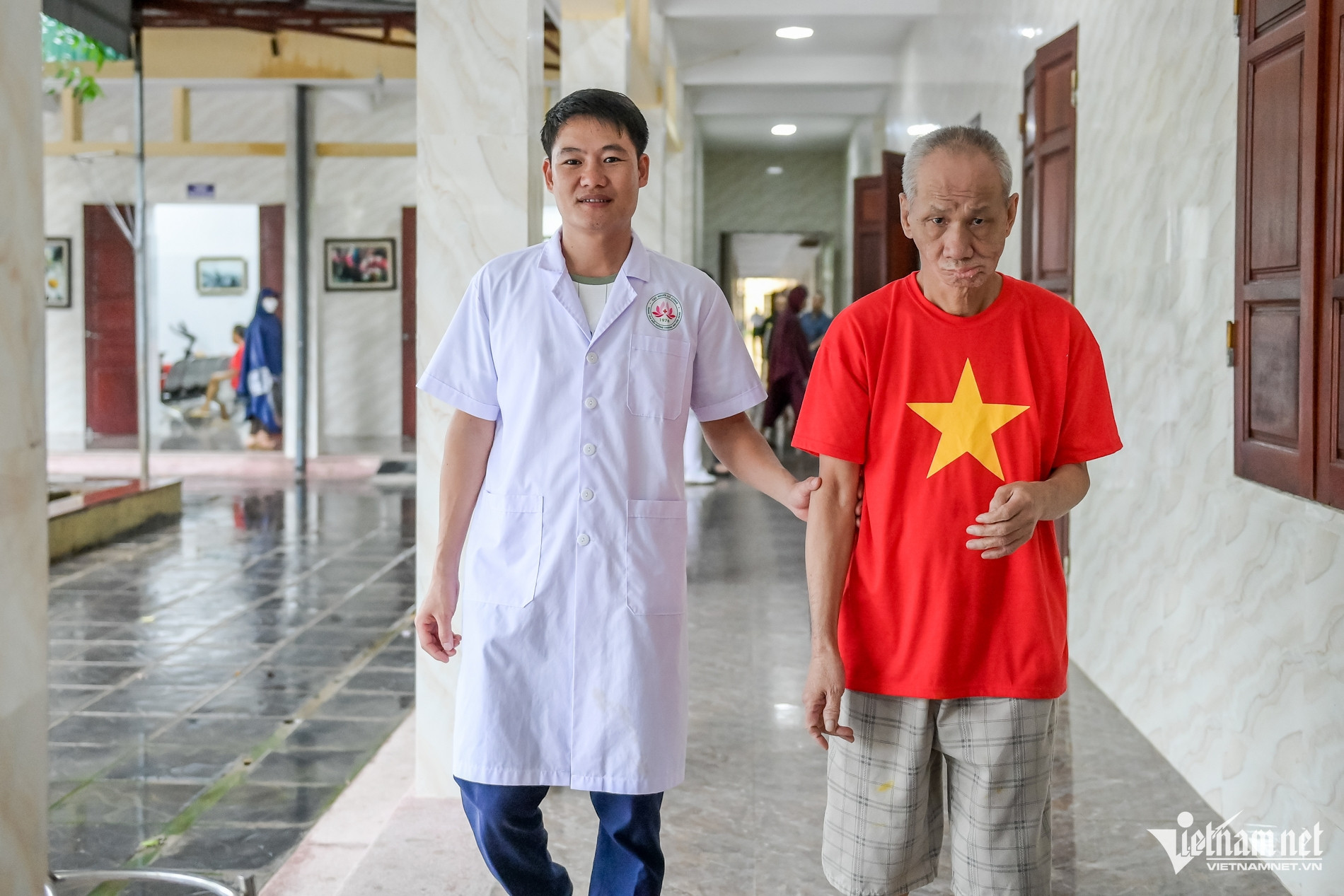 |
For veterans battling mental illness, medication offers only partial relief. What truly soothes their suffering is the patient, heartfelt care from the center’s medical staff.
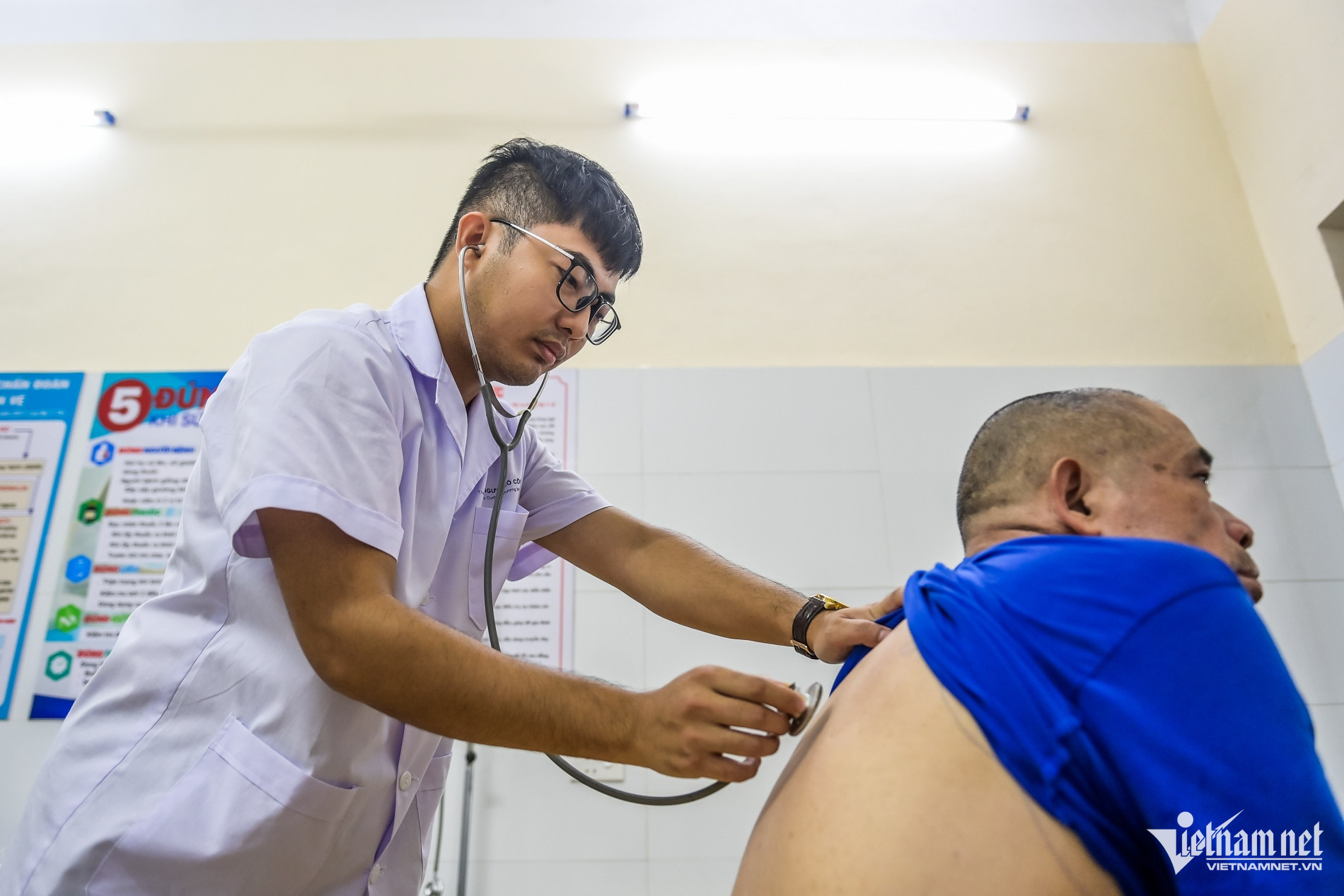
Most veterans cannot accurately describe their symptoms, making verbal communication ineffective. Doctors and nurses must read body language, eye movements, sleep patterns, and subtle changes to detect any abnormalities.
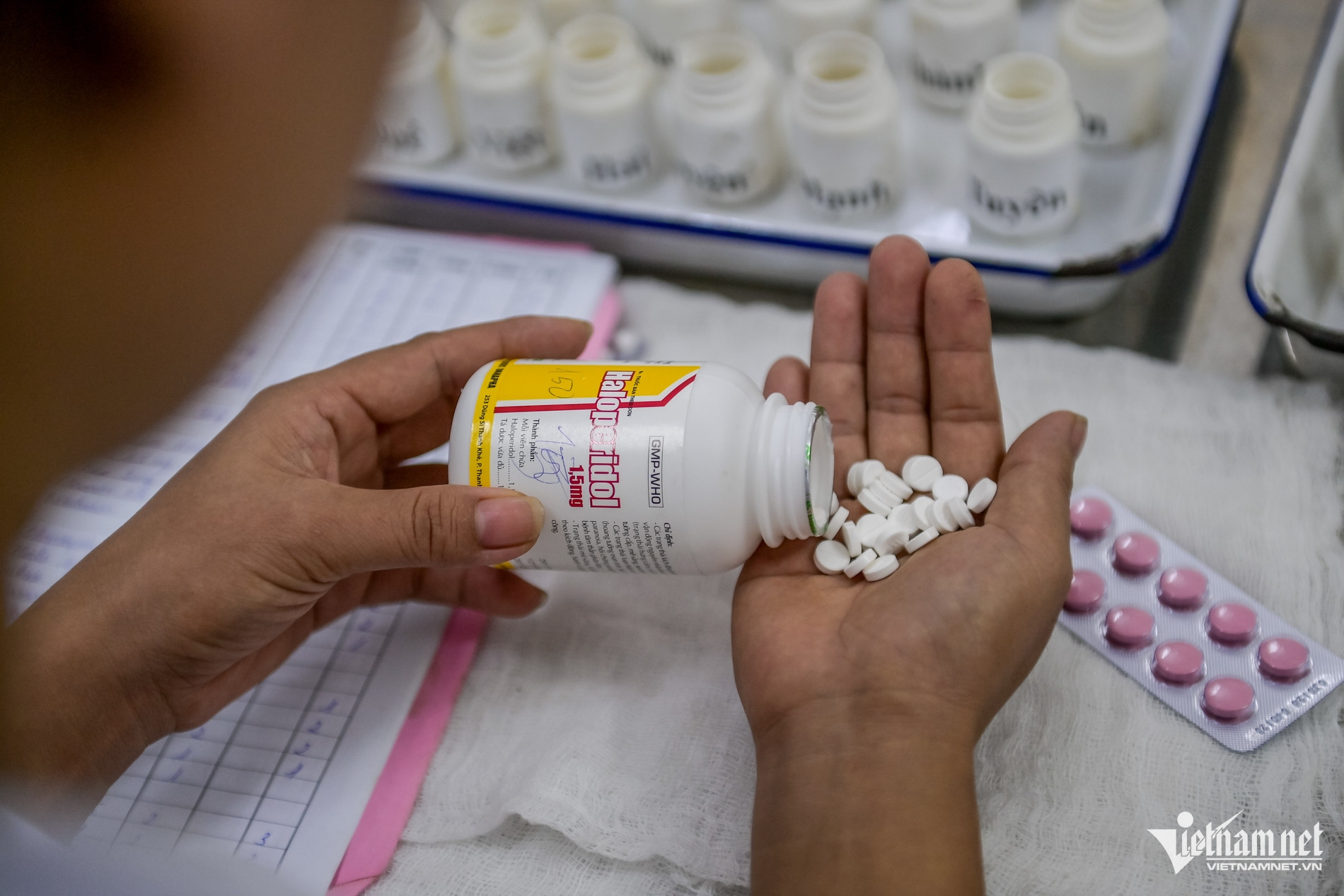
Stability requires taking specialized medication twice daily. Each veteran has a customized prescription.
Daily routines like bathing, changing clothes, or washing are performed entirely by the nurses and doctors.
Meals are carefully prepared with full nutrition, tailored to each individual's taste. For those with difficulty eating, food is pureed and fed spoon by spoon by caregivers.
 |
 |
 |
 |
Here, medical staff are not only professionals but also compassionate companions, stabilizing the veterans’ mental states and minimizing relapse risks.
Nguyen Thi Thu Ha, a nurse who has been with the center for over 30 years, heads the rehabilitation unit. For her, this is more than a job – it’s a way to honor those who gave part of their bodies for the nation.
Her father, a first-degree war invalid, also suffered brain trauma and was treated at this very center. Her mother was a military medic. From a young age, she and her siblings were taught how to handle their father’s episodes when their mother wasn’t home.
 |
 |
 |
 |
“I remember my father would sometimes warn us, ‘I feel an episode coming, tie me up.’ We’d rush to restrain him and wait for it to pass. But other times, it came suddenly, and he’d lash out at everyone, thinking we were enemies,” Ha recalled.
“I was beaten many times by my father, but I never blamed him. I only felt more love. That’s why I chose medicine – to care for my father and others like him who sacrificed so much.”
For over three decades, she has comforted veterans with love and patience. During episodes, she quietly soothes and stays close, forming deep bonds with the residents.
Ha is not alone. The entire staff shares this deep sense of respect and gratitude. For them, caring for these veterans is more than a duty – it is a profound honor.
Trong Tung
.svg)
