 Vietnamnet.vn

 Podcast



In recent years, alongside traditional Tet ornamentals such as peach and kumquat, the market has welcomed fruit-bearing trees like pomelo, orange and persimmon. Among them, the ancient persimmon variety has become especially beloved for its natural beauty, striking colors and symbolism of prosperity at the start of the year.
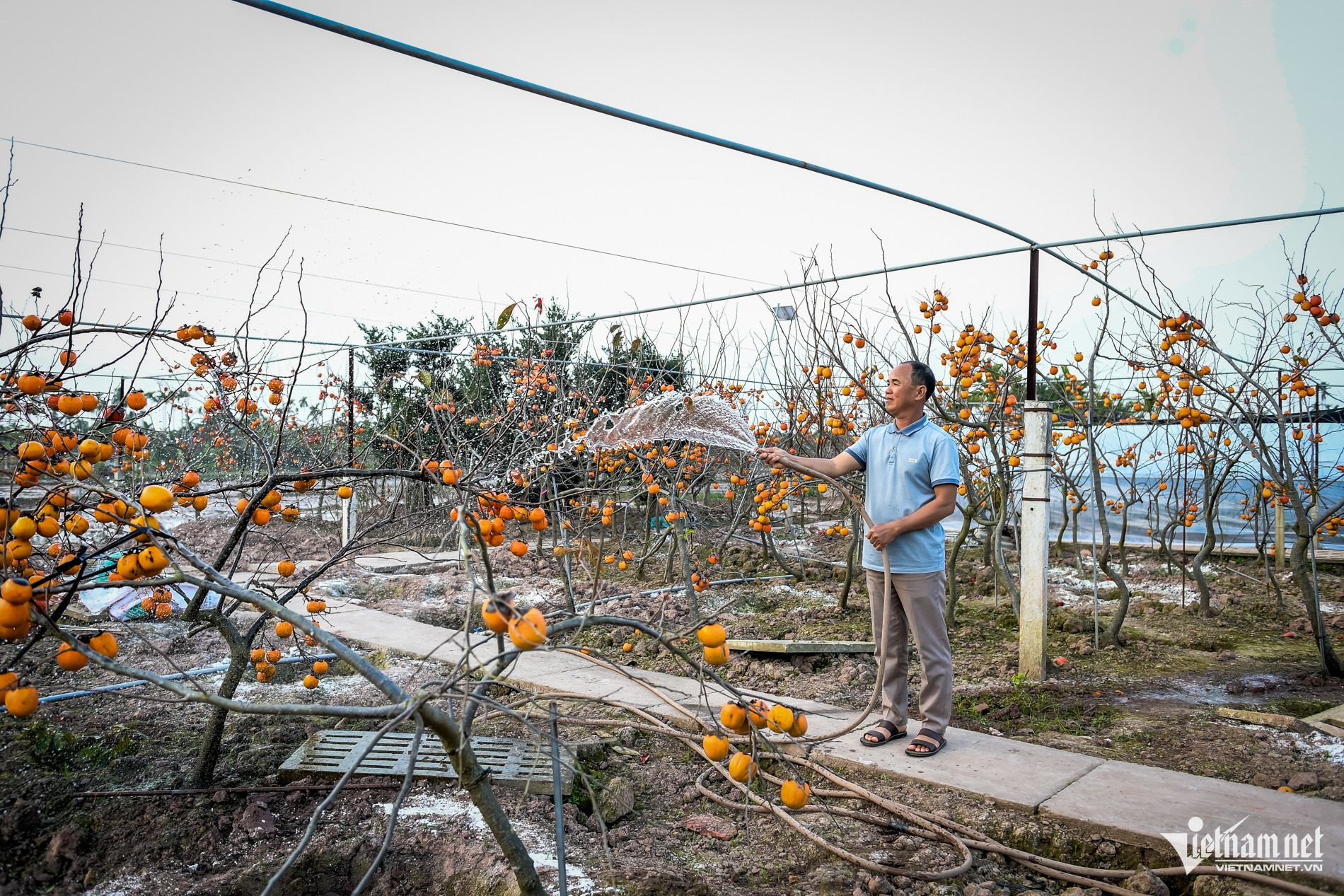
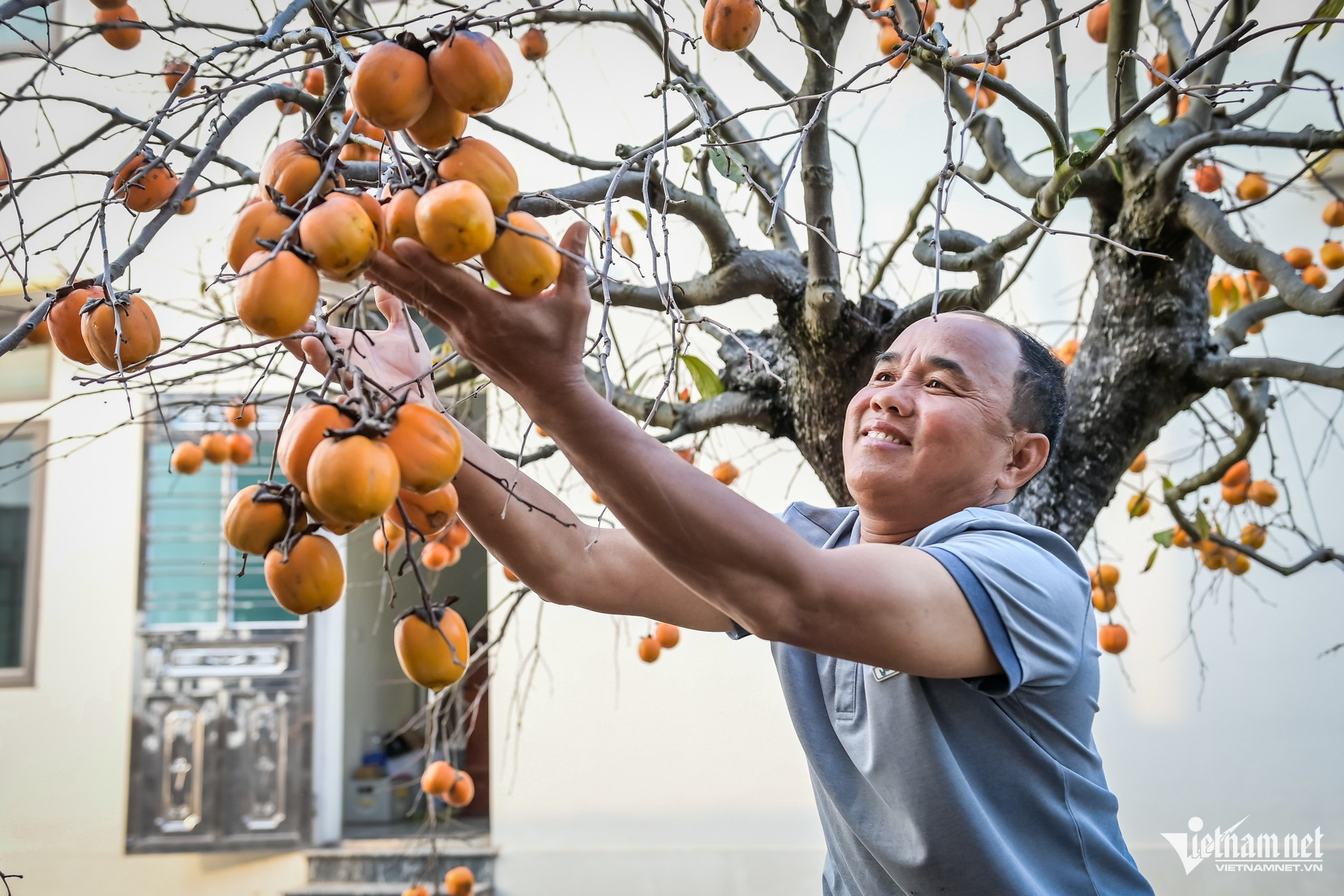
Cu, born in 1971 and living in Hai Anh commune of Ninh Binh province, manages a garden of roughly two northern acres with thousands of persimmon trees, earning him more than one billion dong annually.
This Tet season, he has about 2,000 persimmon trees between three and seven years old ready for sale, priced from 3.5 million to 30 million dong depending on age and form.
He noted that demand for the ancient persimmon variety has risen sharply in recent years. By now, he has already sold about two-thirds of the trees prepared for Tet, with most buyers coming directly to the garden to choose their favorite specimens.
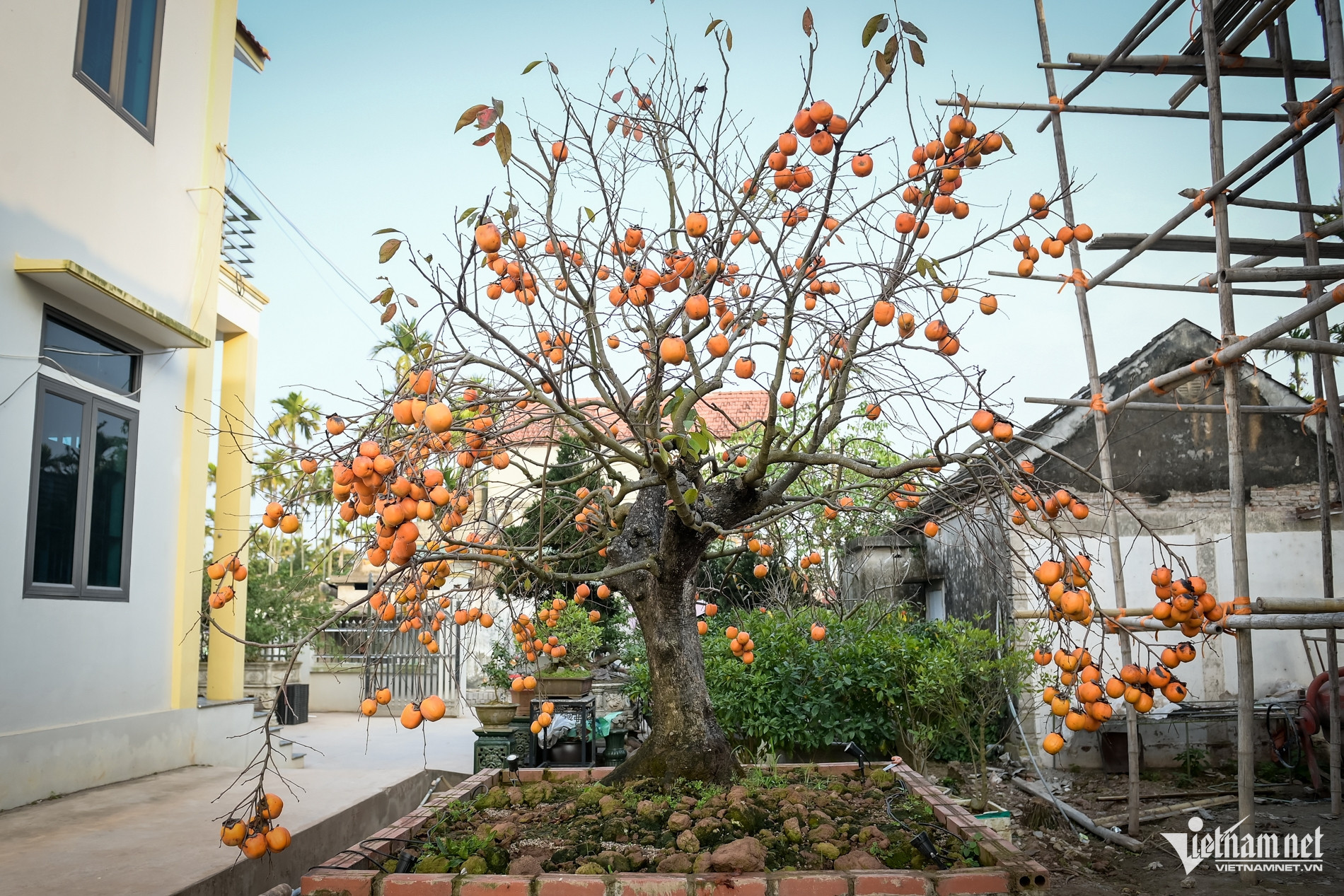
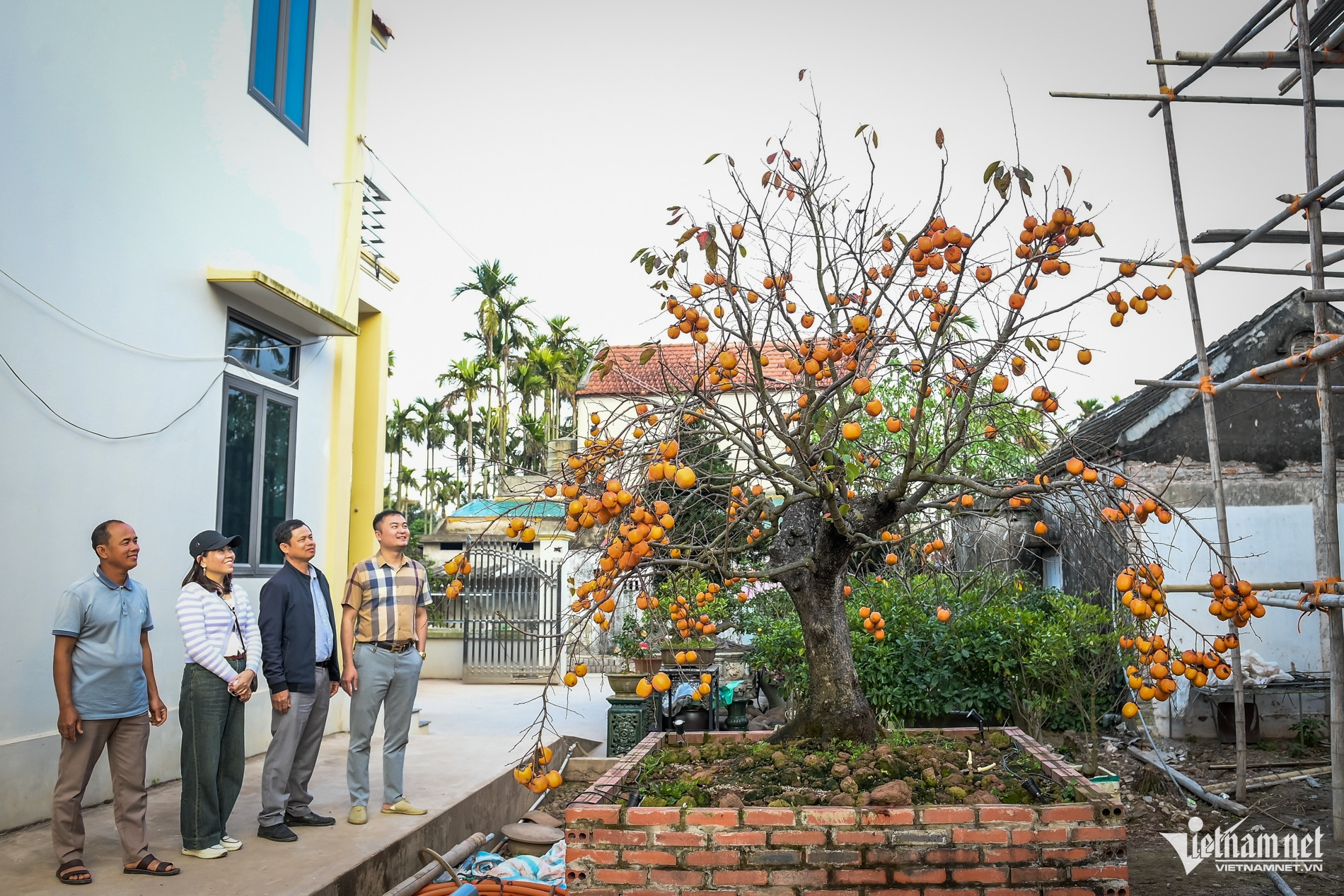
Among his collection stands a special tree around 100 years old, heavily laden with fruit, which has received a purchase offer of 500 million dong.
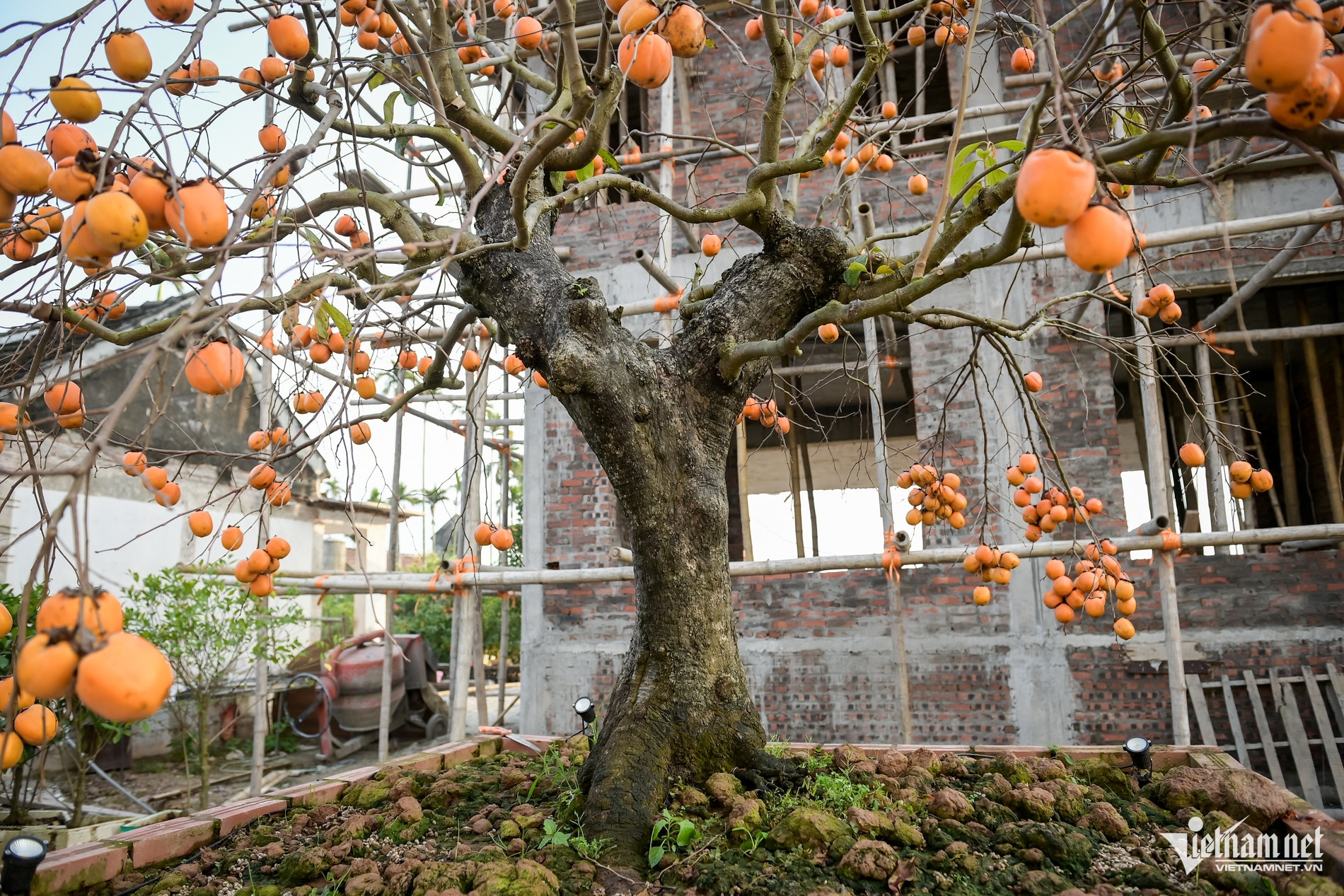
The tree reaches more than three meters in height, its canopy spreading roughly four meters wide with a trunk circumference of about one meter. Its branches are harmoniously arranged.
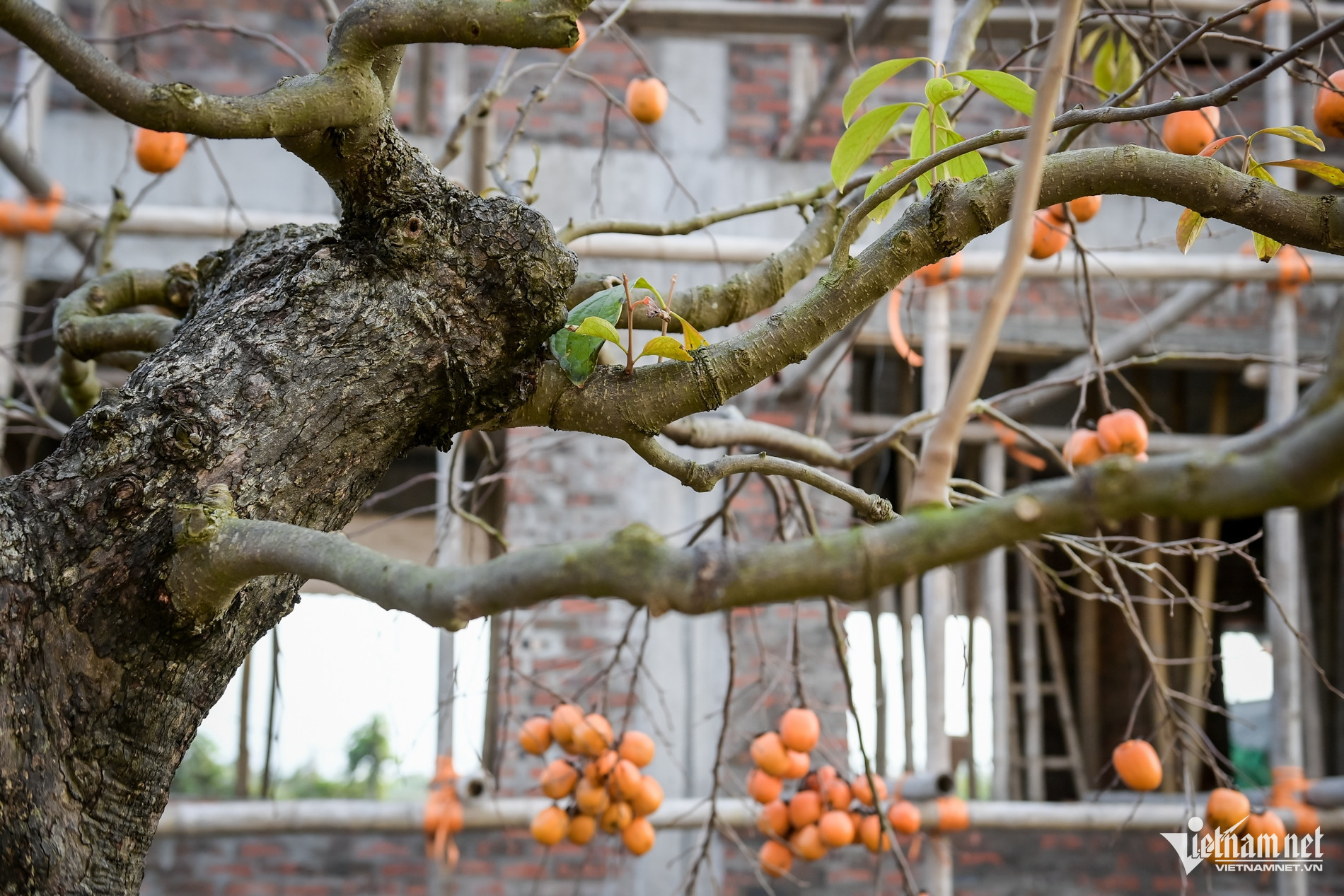
Unlike many ornamental trees shaped through elaborate bending, this ancient persimmon retains its natural form, giving it a rustic and timeworn charm deeply aligned with traditional aesthetics.
In earlier years, the tree stood five to six meters tall, but Cu trimmed it down to suit contemporary ornamental preferences and to create a more balanced overall form.
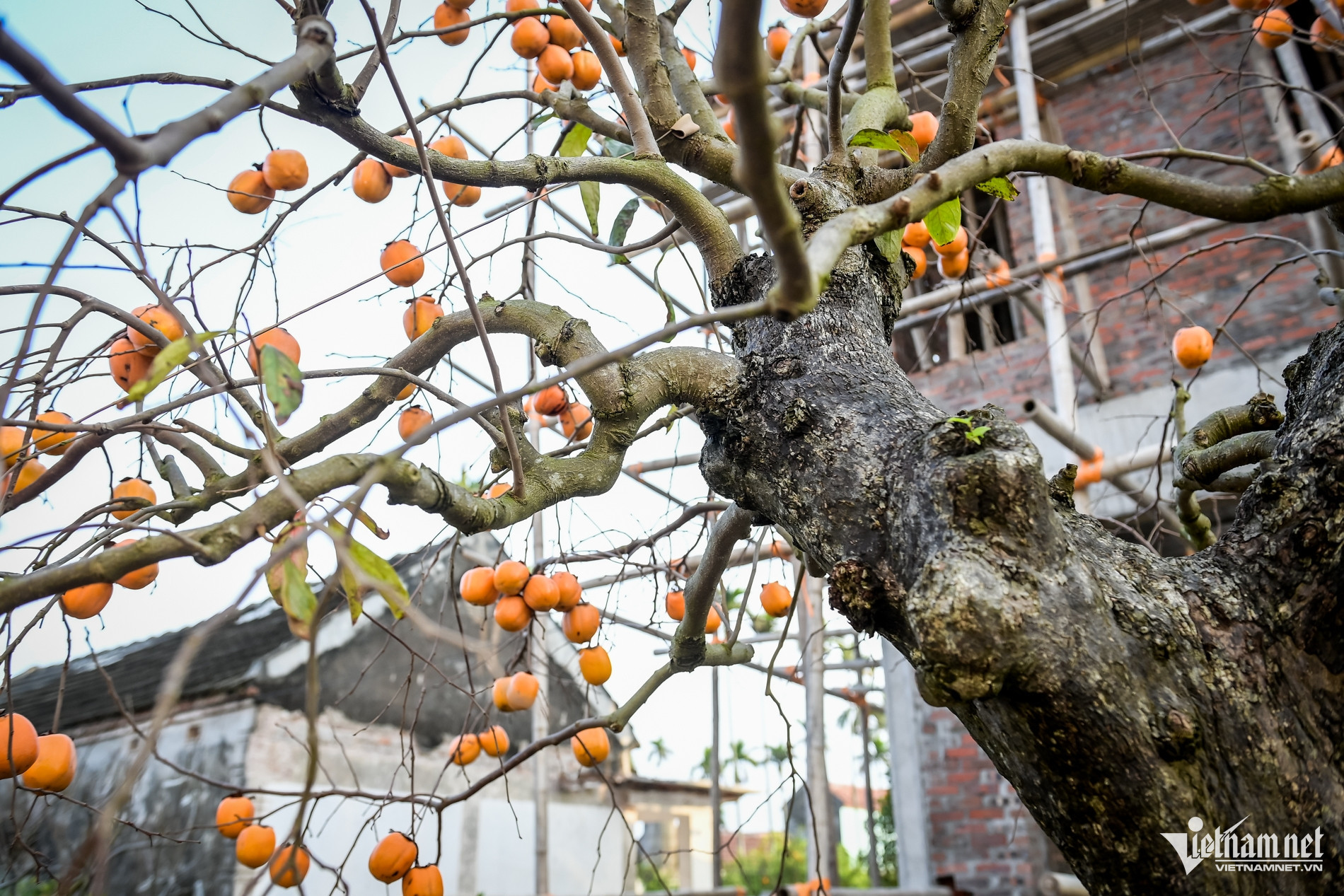
Its aged, textured trunk exudes a quiet beauty, while clusters of fruit enhance its visual value.
Cu explained that the tree belongs to the Hai Hau ancient persimmon variety, known for strong growth and easy care. It mainly requires proper watering, nutrition and periodic fertilizing to ensure healthy annual fruiting.
In the past, many families in Hai Hau - previously part of Nam Dinh and now within Ninh Binh - planted this persimmon by ponds and harvested the fruit at Tet to place on the ancestral altar. For this reason, the Hai Hau persimmon carries cultural meaning, symbolizing abundance and fullness in the new year.
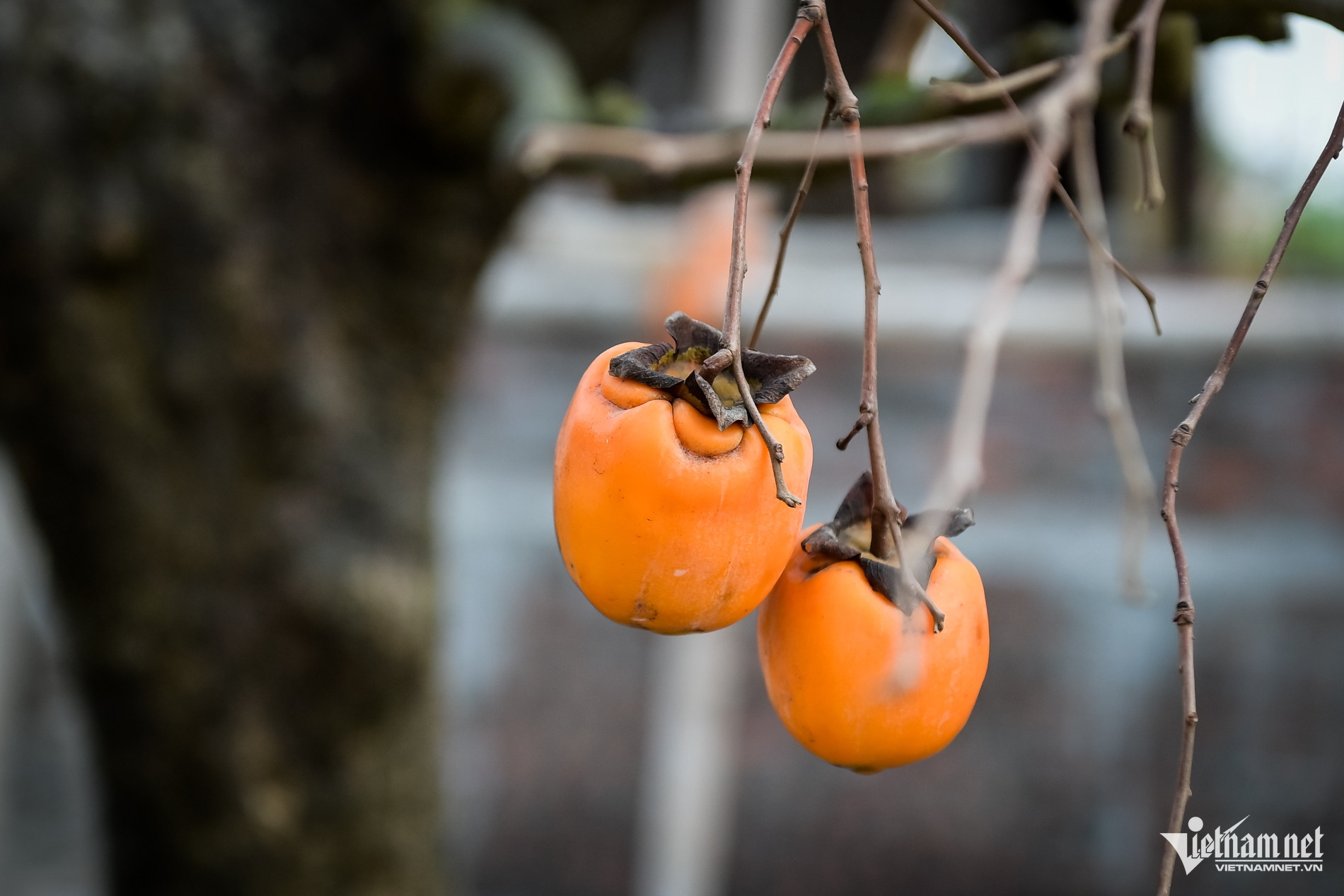
The variety is known for its squared shape, defined segments, small “ears,” and seedless flesh. It can hold fruit on the branches for months, often until the second or third lunar month. The fruit can be soaked to enjoy its crispness or left to ripen naturally for a soft, sweet flavor.
In winter, the tree sheds all its leaves, leaving only golden clusters of fruit hanging vividly. After the ripe fruit falls or is harvested, new buds appear around the third lunar month, followed soon by the next season’s fruit - meaning the tree almost always bears fruit at some stage of the year.
As Tet approaches, the fruit gradually turns from yellow to red, contributing to the festive atmosphere.
“This tree is about 100 years old,” Cu said.
“Yet it continues to grow well and produces abundant fruit every year. Someone has offered 500 million dong, but I still don’t want to sell. I want visitors to come see it in person, to appreciate the Hai Hau ancient persimmon. When the right person comes along, I may consider transferring it.”
According to Tran Viet Trung, vice chairman of the Vụ Bản ornamental creature association, the Hai Hau ancient persimmon is favored for its rustic beauty, easy care and exceptional fruit-holding ability that creates a vibrant red display at Tet. These traits make older trees increasingly valuable in the ornamental market.
“I have seen Cu’s ancient persimmon tree myself,” Trung said.
“It is a rare specimen with a naturally elegant form, advanced age, a mature trunk and well-balanced branches, all covered with dense clusters of fruit.
Such ancient ornamental persimmons are now scarce, and therefore highly prized by collectors.”
Trong Tung
.svg)
