 Vietnamnet.vn

 Podcast



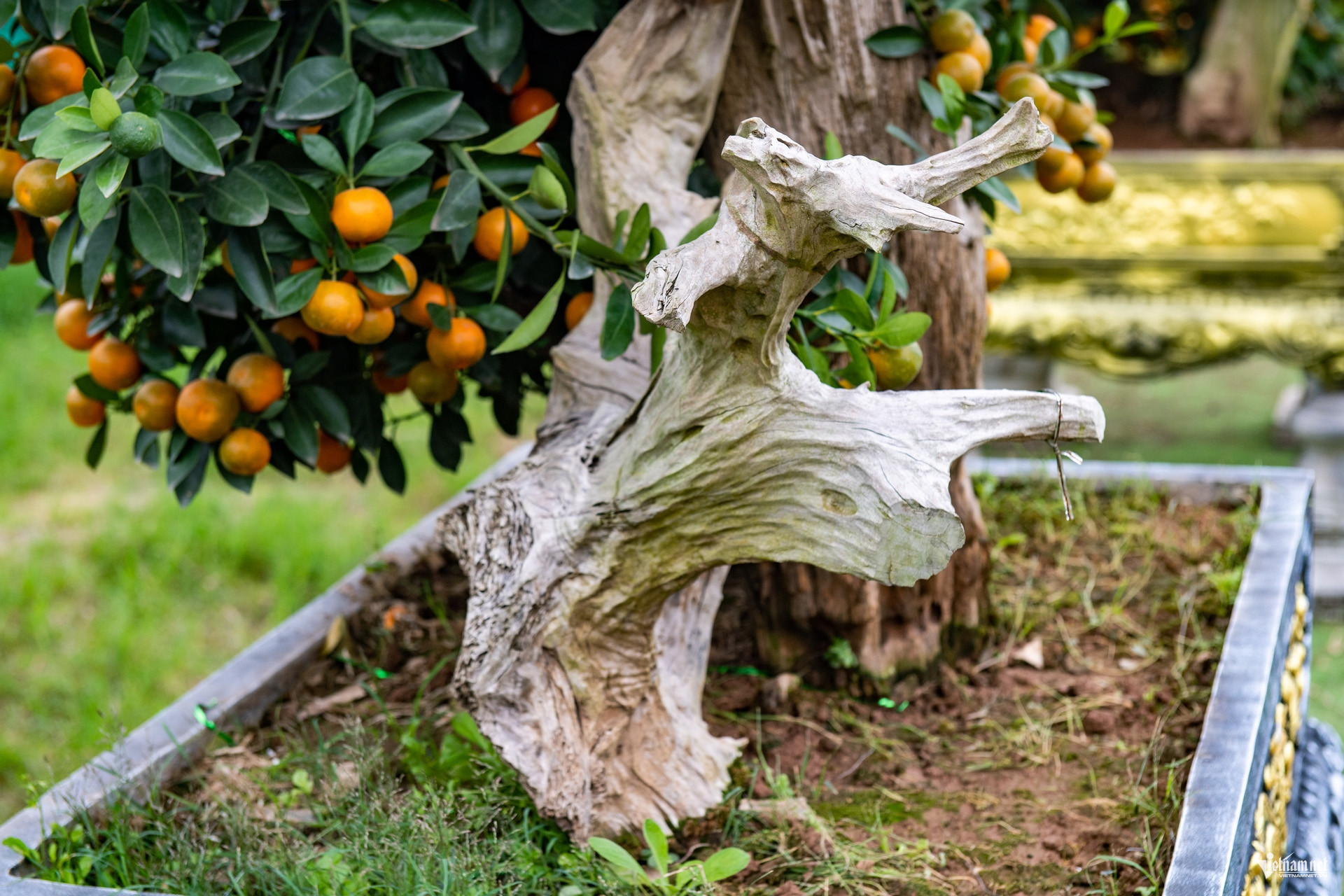
In the renowned Tu Lien flower village of Hanoi, a remarkable kumquat tree shaped like a horse standing atop a mountain has become the focal point of the Tet flower season. Priced at 30 million VND (approximately USD 1,200), the tree is the result of a decade-long labor of love by its creators.
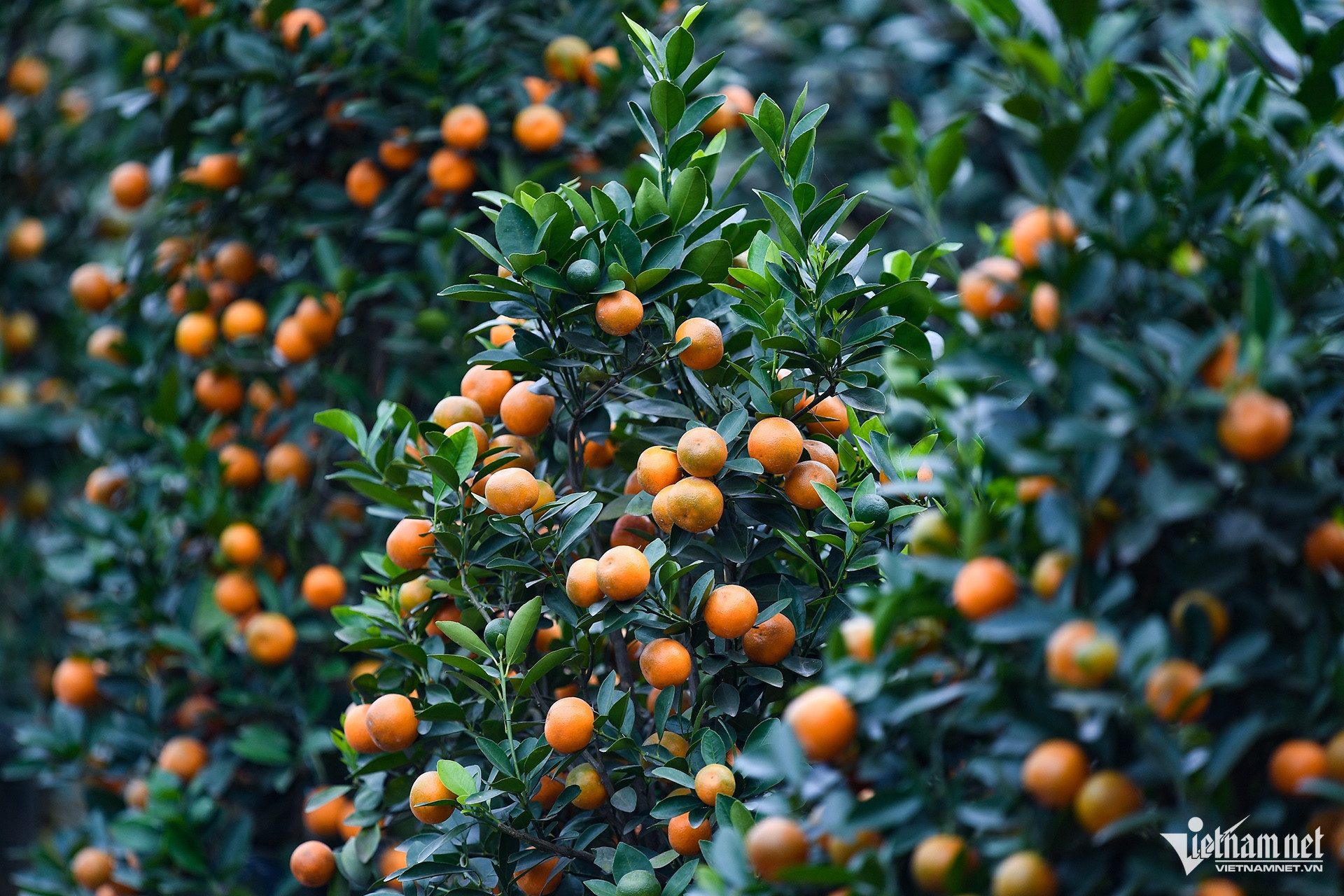
As Tet approaches, Tu Lien’s kumquat orchards-particularly in Hong Ha Ward-are glowing in golden hues. Trees heavy with fruit line the gardens, and farmers work tirelessly to care for each pot. Many of the most striking trees have already been reserved by early buyers.
As with previous years, creatively shaped kumquat trees-especially bonsai-style or grafted into unique forms-are once again the highlight of the village.
At Xuan Loc Garden, a kumquat tree styled to resemble a horse, symbolizing the Year of the Horse, has been named “Dinh Son Phong Ma Ket Trai Khai Hoa,” meaning “A horse standing tall on the mountain, bearing fruit and blooming flowers.” The tree is priced at over USD 1,200.
The garden owner shared the philosophy behind the work: “When people achieve meaningful things in life, their fragrance naturally spreads far.” It took the couple 10 years to complete this tree. Its completion aligned perfectly with the Year of the Horse, making it ideal for spacious homes or grand living rooms with high ceilings.
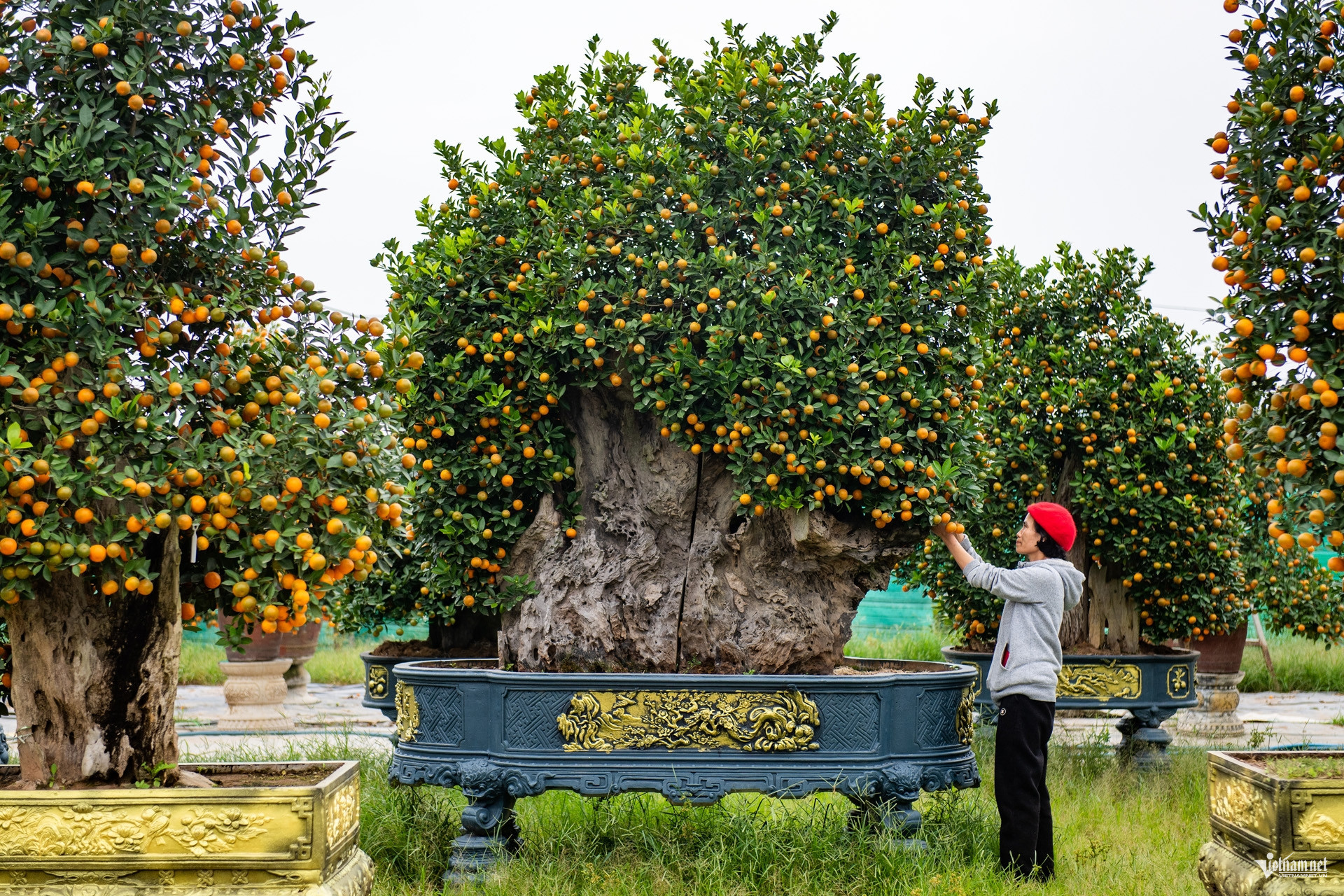
Another notable piece at the garden is a kumquat tree grafted onto a piece of driftwood, standing over 3 meters tall from pot to tip. Its commanding presence makes it suitable for display in villa courtyards or grand halls.
Ngo Thu Trang, owner of the garden, said the tree was cultivated from a seedling 5–7 years ago. When completed, its foliage blossoms evenly at the top, embodying a humanistic vision. The piece symbolizes the permanence of time etched into the aged wood and the blossoming of life and fruitfulness. It is priced at around 60 million VND (roughly USD 2,400).
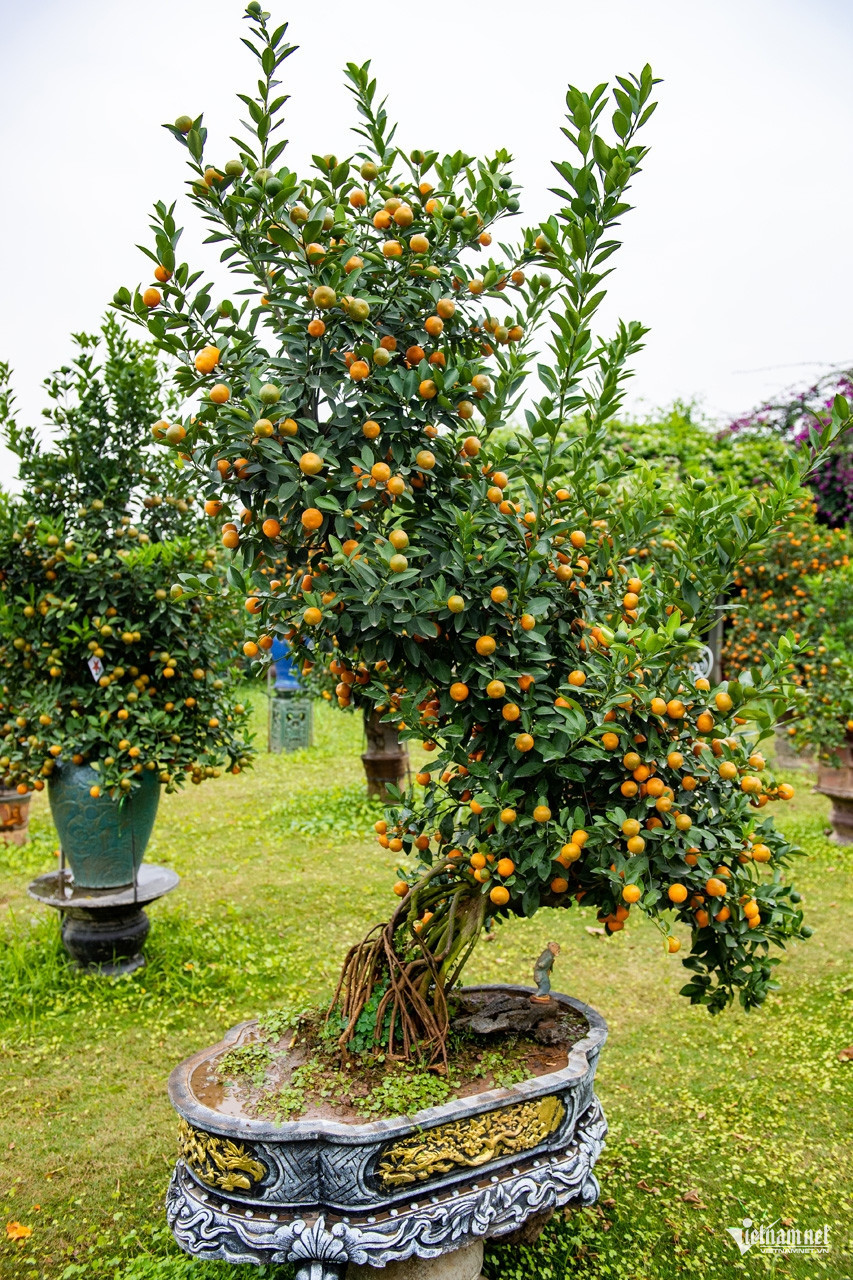
Another standout creation, titled “Phu The Hoa Hop” (Marital Harmony), features a tree shaped to resemble a woman leaning gently against a man. This design continues a tradition among Vietnamese bonsai artists, who often use the interplay of tree trunks, fruits, and leaves to express love, unity, and family harmony.
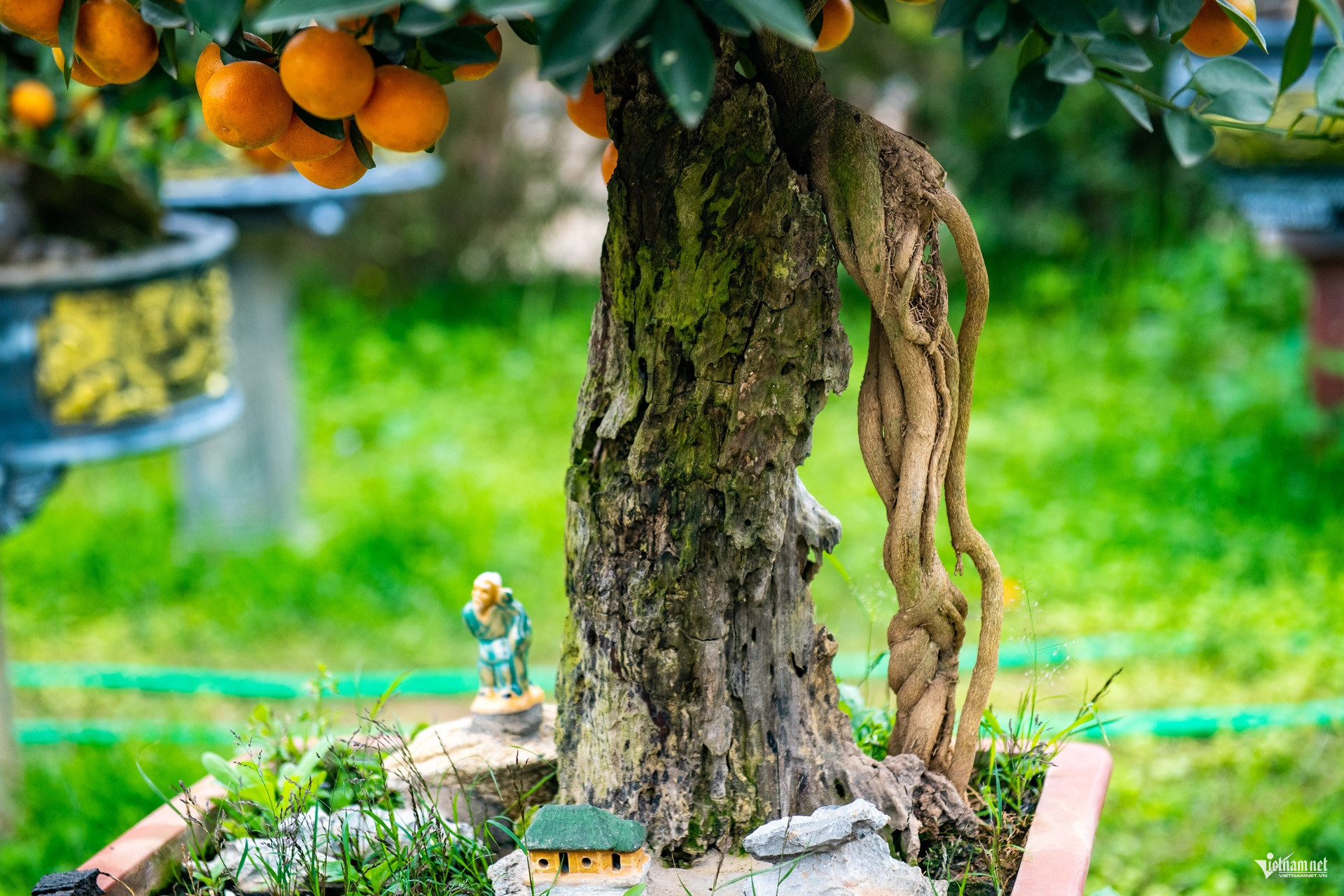
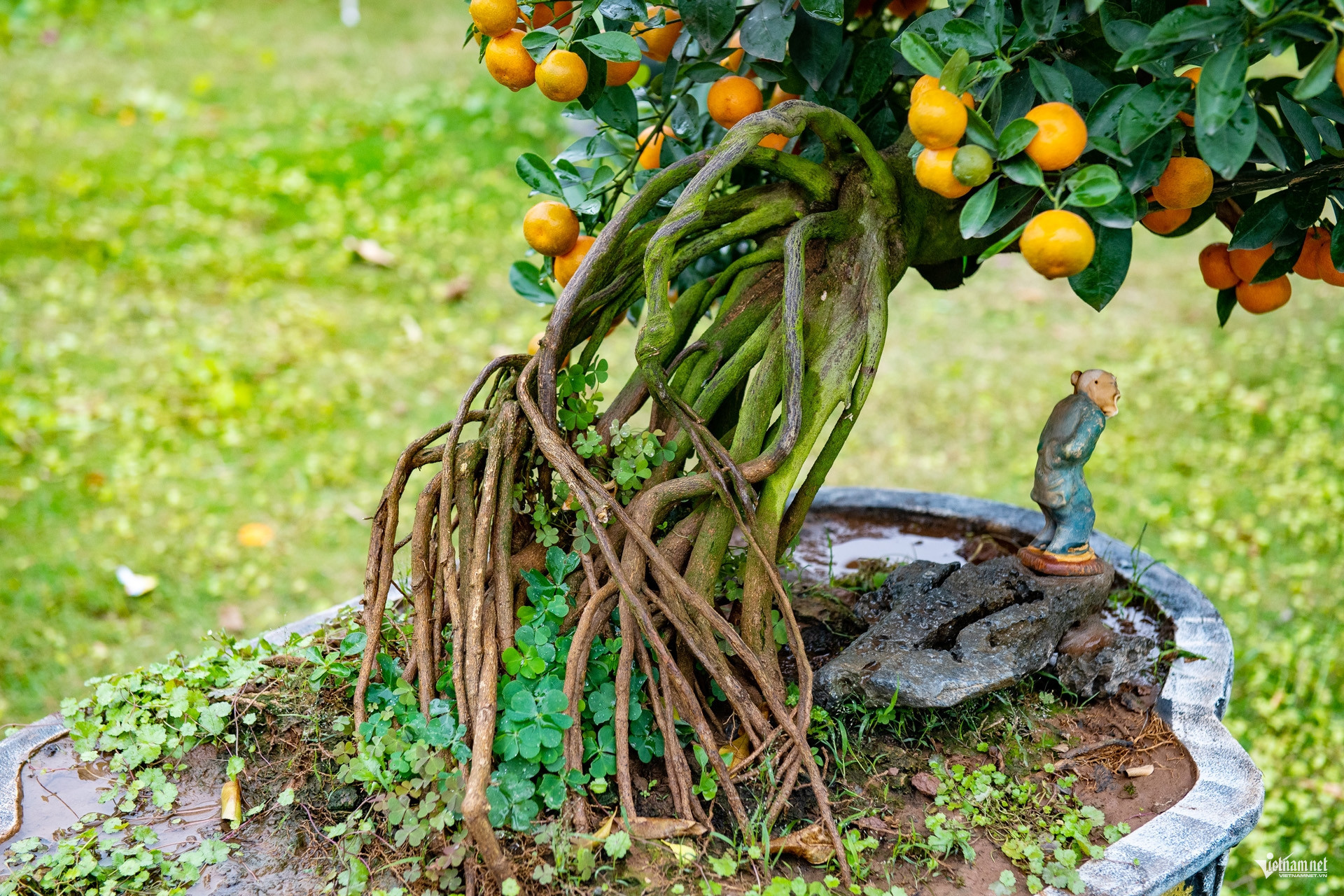
Then there’s “Moc Can Vu Khuc Khong Tuoc Hoi Dau” (The Peacock’s Return Amid the Roots’ Dance), a tree with exposed roots stretching 45 cm above ground. Valued at 30 million VND (USD 1,200), this tree carries rich symbolic meaning. Trang explained: “‘Moc’ means tree, ‘can’ means root. The gnarled, blackened roots have undergone great hardship, as if they died and came back to life.”
“‘Vu khuc’ represents movement, a blend of stillness and dynamism, like a cycle of rebirth. ‘Khong tuoc hoi dau’ refers to a peacock flying skyward, looking back to honor past generations. Playing with kumquat trees like this is also a form of paying tribute to our ancestors.”
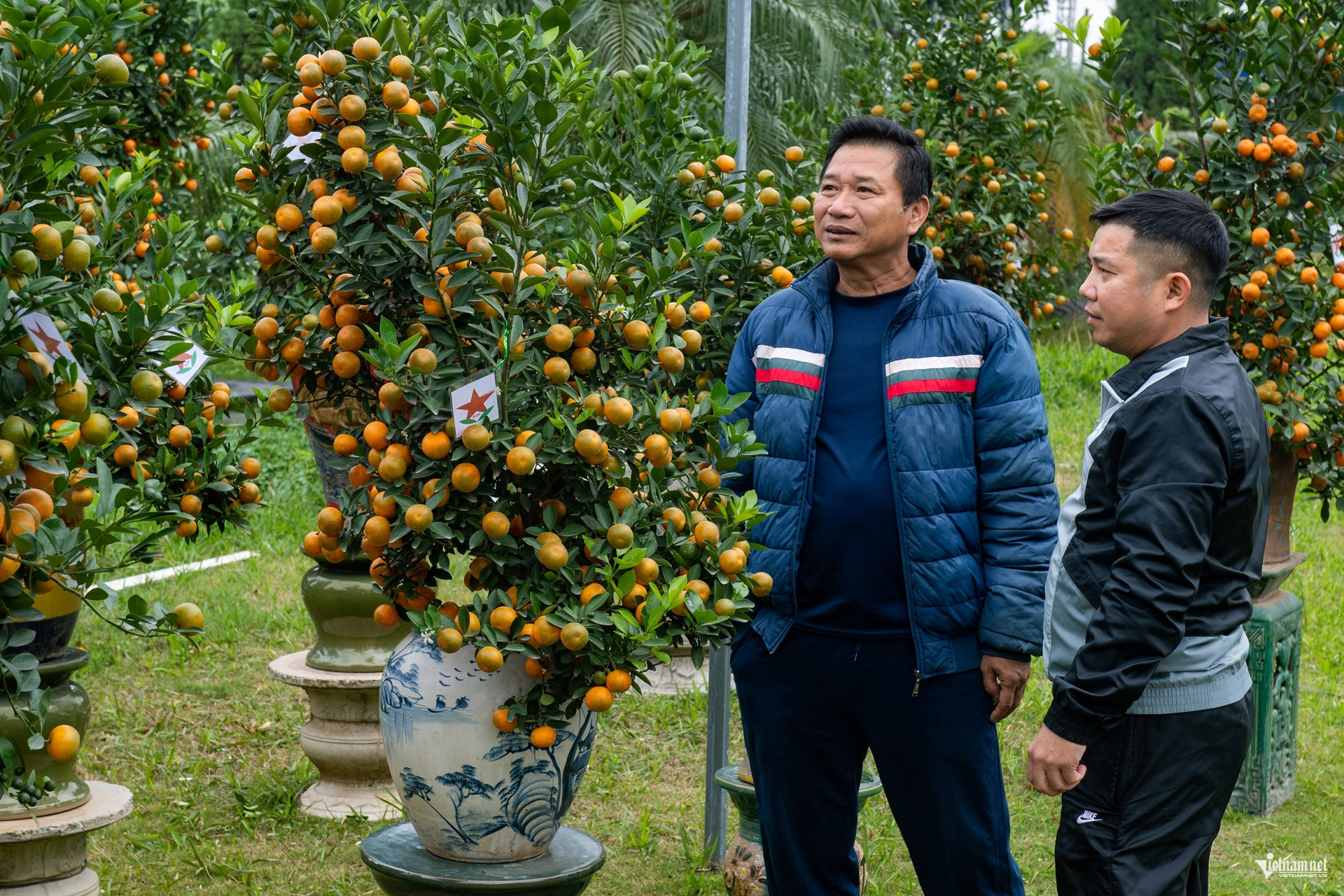
At the heart of this blooming artistry stands Nguyen Huy Hai, Vice Chairman of the Traditional Ornamental Kumquat Association of Tu Lien Village. He remarked that while these styled kumquat trees are undoubtedly intricate and beautiful, more and more Tet flower buyers are leaning toward natural, unshaped trees.
“I believe consumer preferences are shifting. People now favor the organic, unrestrained beauty of naturally grown trees,” Hai noted. “Even when styling the tree, growers must prioritize its innate characteristics so that it can thrive in harmony.”


Thao Nguyen
.svg)
