 Vietnamnet.vn

 Podcast



Han Thuc Festival in the Year of the Horse 2026, which falls on the third day of the third lunar month, will be observed on Sunday, April 19. Banh troi and banh chay are the two traditional dishes most closely associated with this occasion.
The meaning of banh troi and banh chay
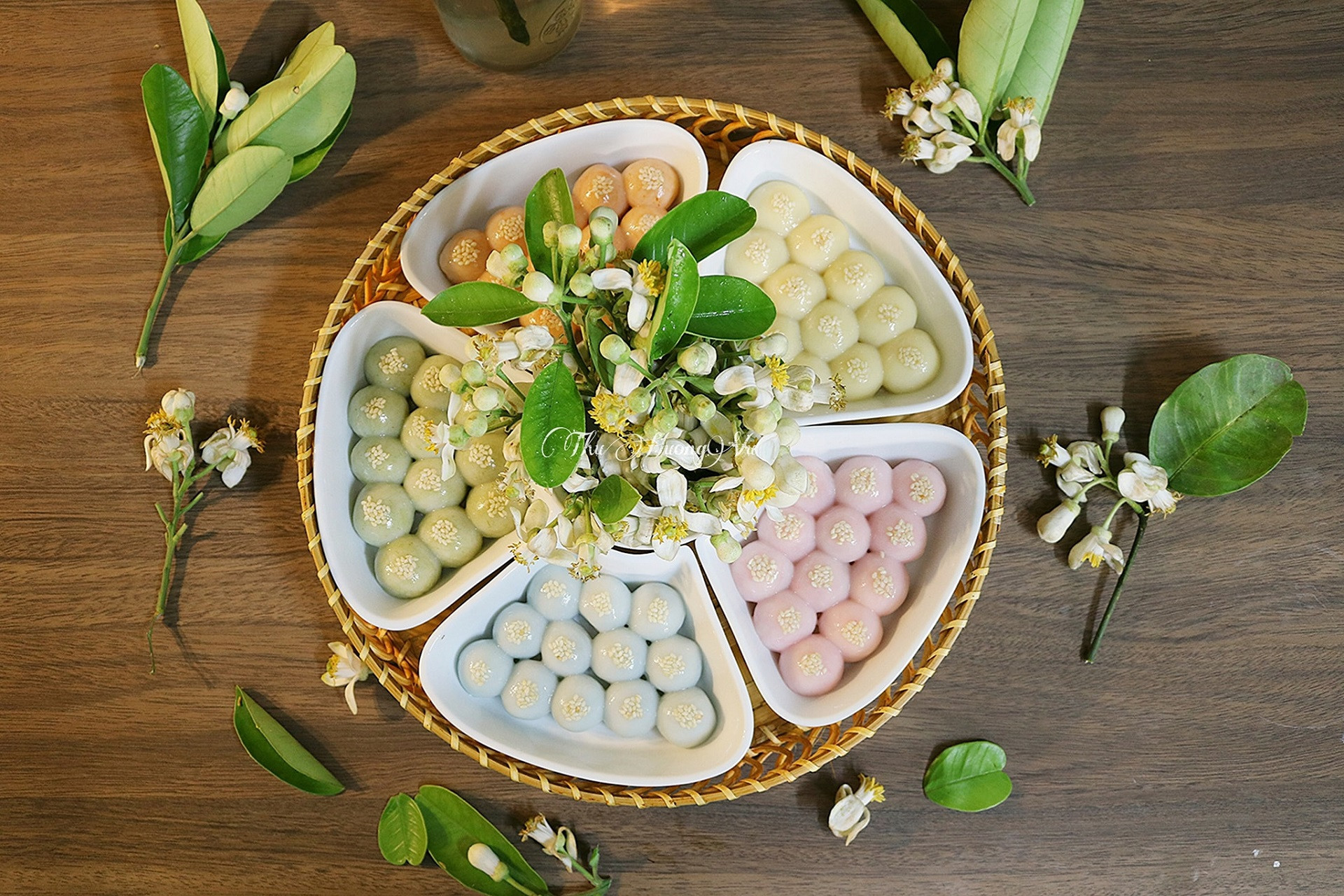
According to feng shui expert Nguyen Song Ha, the term “Han Thuc” originates from Chinese characters, where “han” means cold and “thuc” means food, together referring to “cold food”.
While influenced by long-standing cultural exchanges with China, the festival in Vietnam has developed its own distinct meaning and identity.
In Vietnam, Han Thuc Festival is associated with remembering ancestors and honoring those who have passed away. On this day, banh troi and banh chay become symbolic offerings. Though shaped by cultural interaction, these dishes have been localized and are now an integral part of Vietnamese tradition.
Made primarily from glutinous rice flour, the cakes have a light sweetness and are eaten cold, making them suitable for the early summer weather.
Their ingredients - mainly rice and mung beans - reflect the staples of wet-rice agriculture, carrying wishes for favorable weather and abundant harvests.
In some regions, people also prepare banh nhot, which is made similarly to banh chay but shaped like the nhot fruit, creating a distinctive appearance.
Notes on preparing banh troi and banh chay
Although these cakes are now widely available for purchase, many Vietnamese families still maintain the tradition of making them at home during Han Thuc Festival as a way to express sincerity toward their ancestors.
According to culinary artisan Pham Anh Tuyet in Hanoi, the dough should be made from high-quality glutinous rice such as nep cai hoa vang, known for its fragrance and elasticity. The recommended ratio is nine parts glutinous rice flour mixed with one part regular rice flour, or close to a two-to-one ratio.
The filling for banh troi is made from solid brown sugar, with varieties from Duong Lieu or Cat Que considered the best - firm, richly colored and aromatic.
After shaping, the balls are dropped into boiling water. When they sink and then float to the surface, they are removed and placed in cooled boiled water to firm up, then arranged on a plate and topped with roasted sesame seeds.
Banh chay is also made from glutinous rice dough but filled with mung bean paste that has been steamed, mashed and sweetened. The cooking process is similar to that of banh troi.
When serving, cooks typically press a small indentation into the center of each cake before adding a light syrup made from sugar mixed with arrowroot or tapioca starch, often infused with pomelo blossom fragrance.
Khoi Vy
.svg)
