 Vietnamnet.vn

 Podcast



A living heritage in the deep forest
The “po mu kingdom” stretches across roughly 450 hectares, perched at an altitude of more than 1,200 meters. Shrouded in mist year-round, the cool and humid climate creates ideal conditions for these towering conifers to thrive.
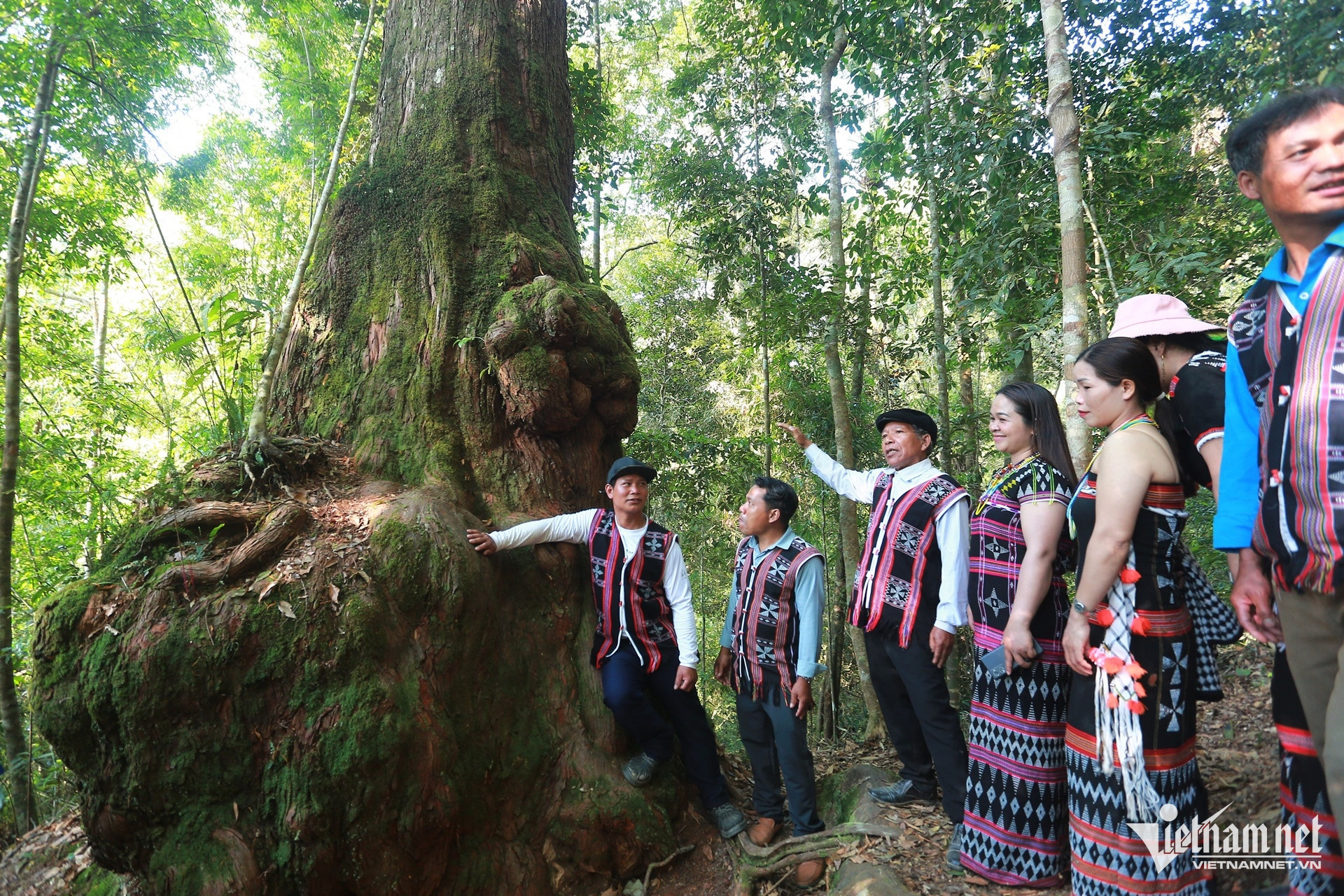
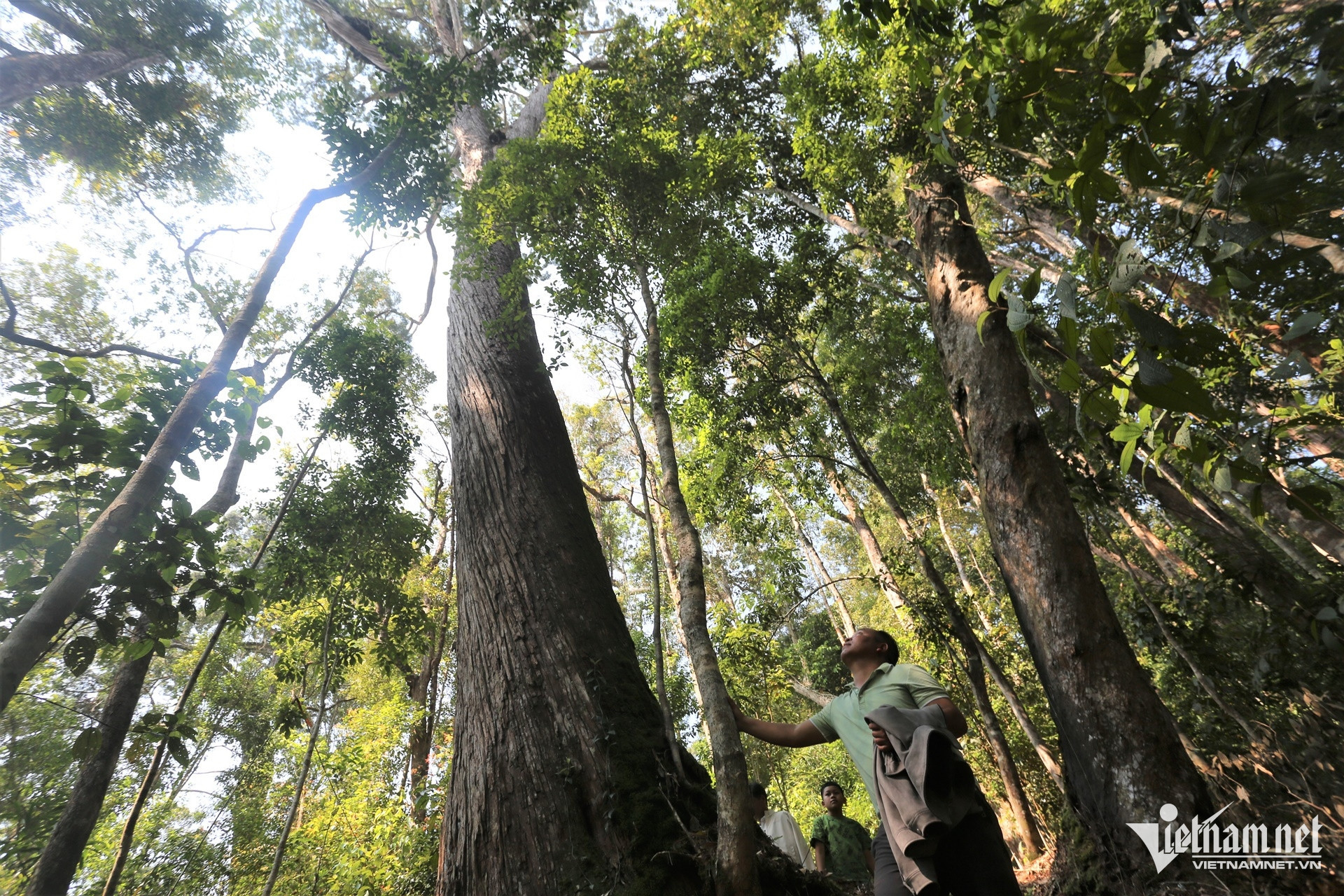
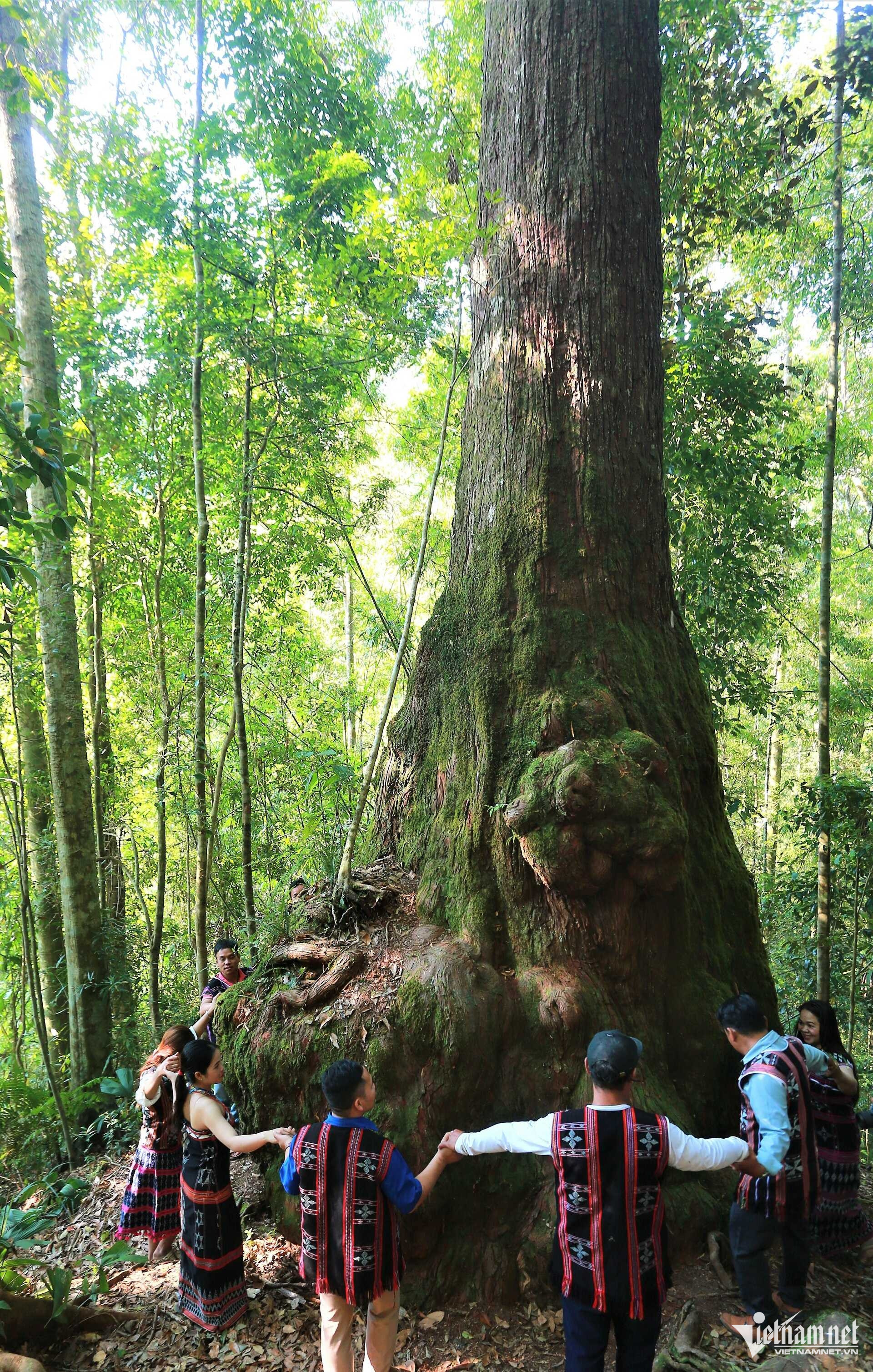
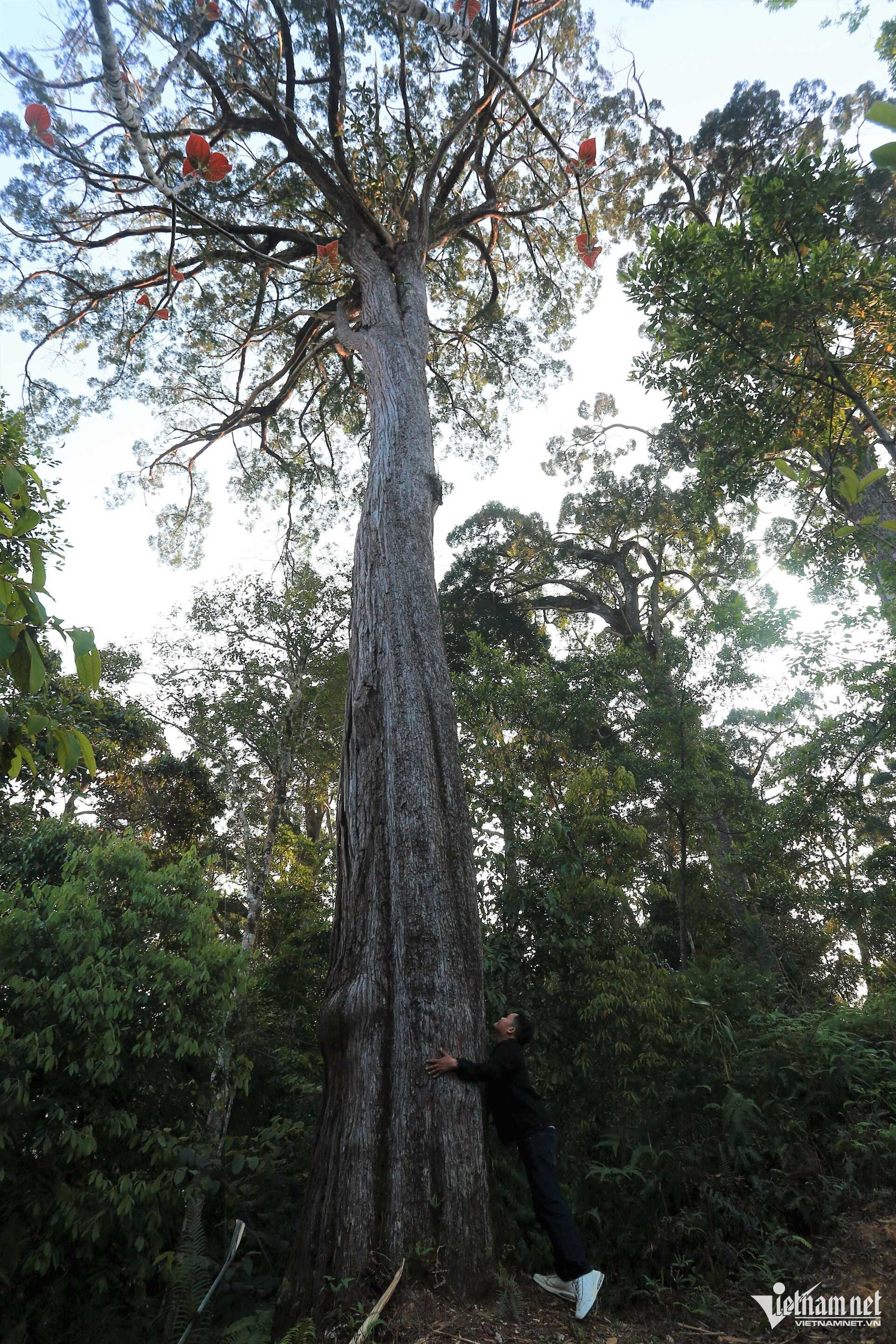
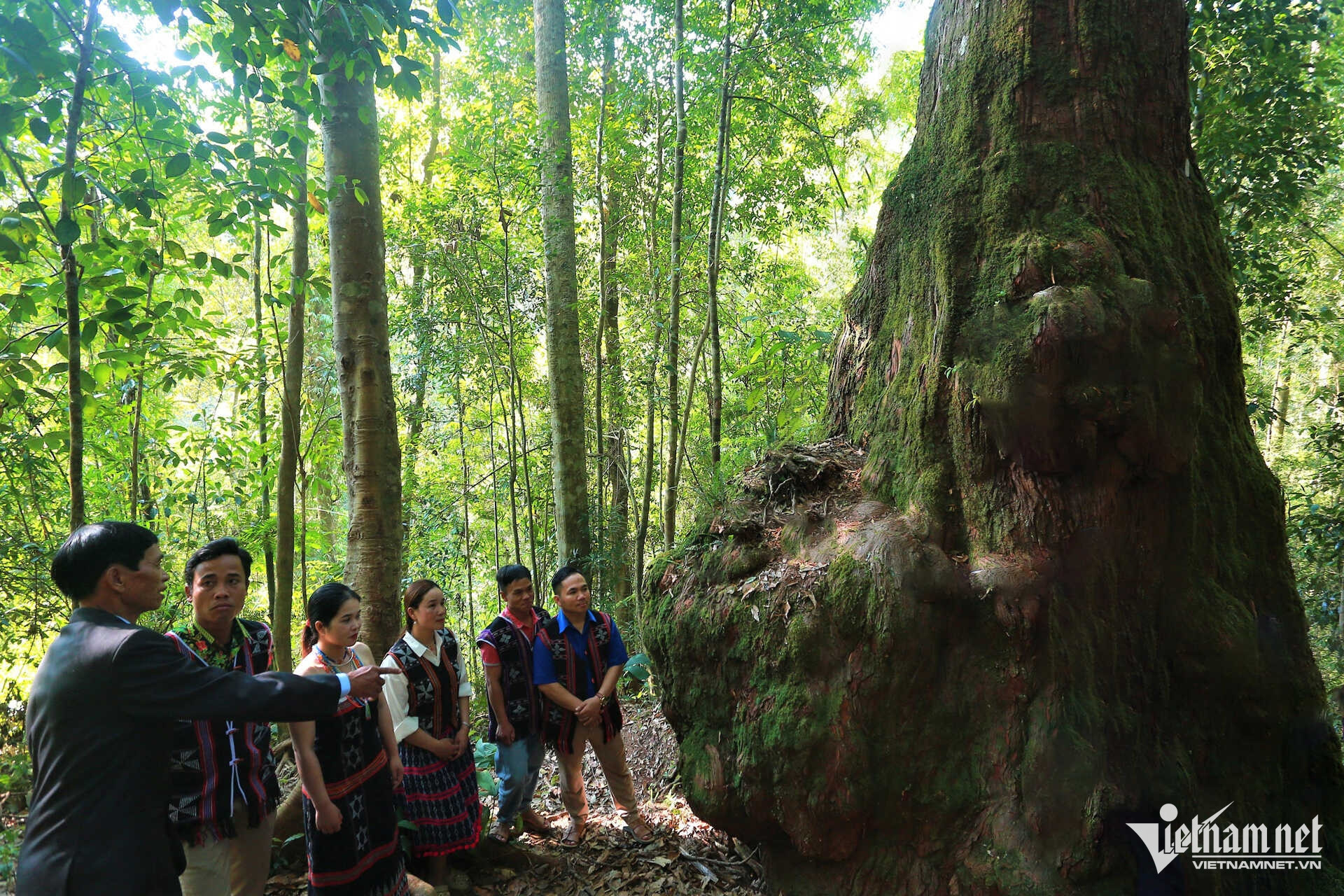
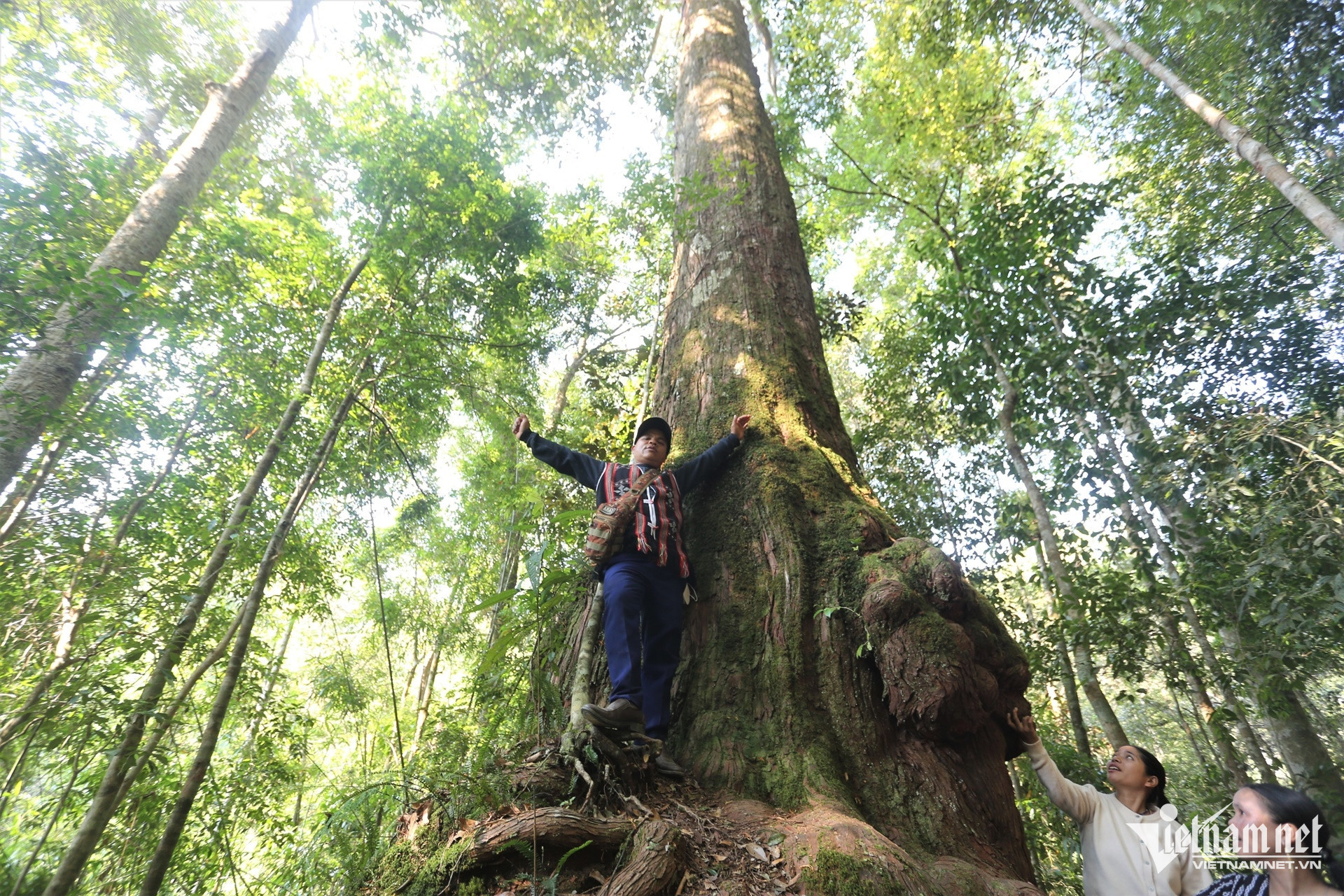
The forest is home to 2,011 po mu trees, of which 1,146 have been officially recognized as Vietnam Heritage Trees. Experts estimate that many are between 300 and 1,400 years old. The largest rises more than 40 meters high, with a diameter of 5.5 meters and a trunk circumference reaching 11 meters.
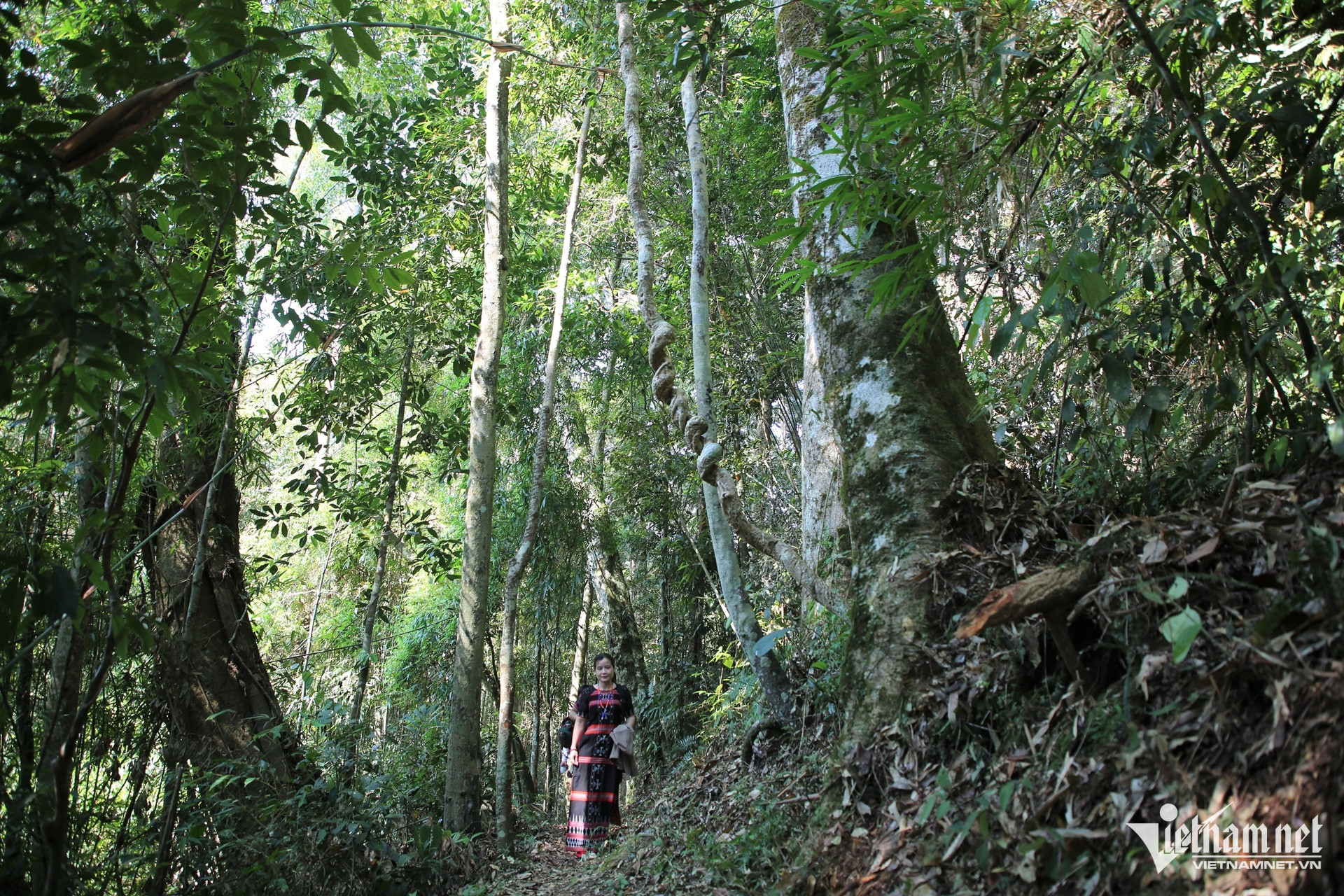
For the Co Tu people, the forest is not merely a natural space but a sacred one. Reaching it requires a demanding journey from the commune center - steep, slippery trails where travelers often cling to tree roots for balance. As the path deepens into the forest, sunlight fades beneath thick layers of canopy.
After hours of trekking, the ancient trees emerge through the mist.
“Walk gently, don’t speak loudly… this forest is sacred,” village elder Hoih Rieng, 75, quietly reminds visitors.
Before them stand massive trunks, some believed to have lived for over a thousand years.
“No one here would dare harm these trees,” he says.
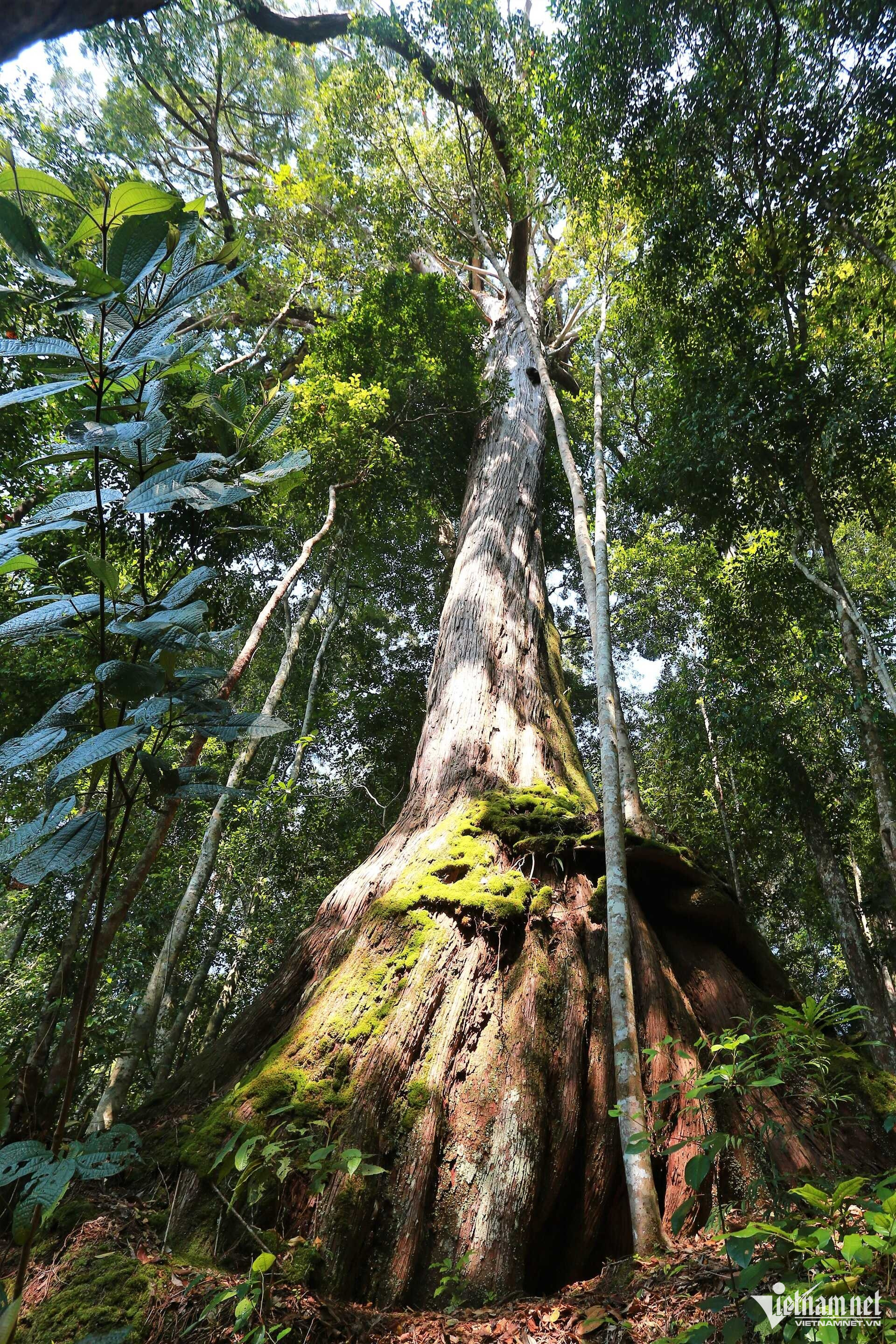
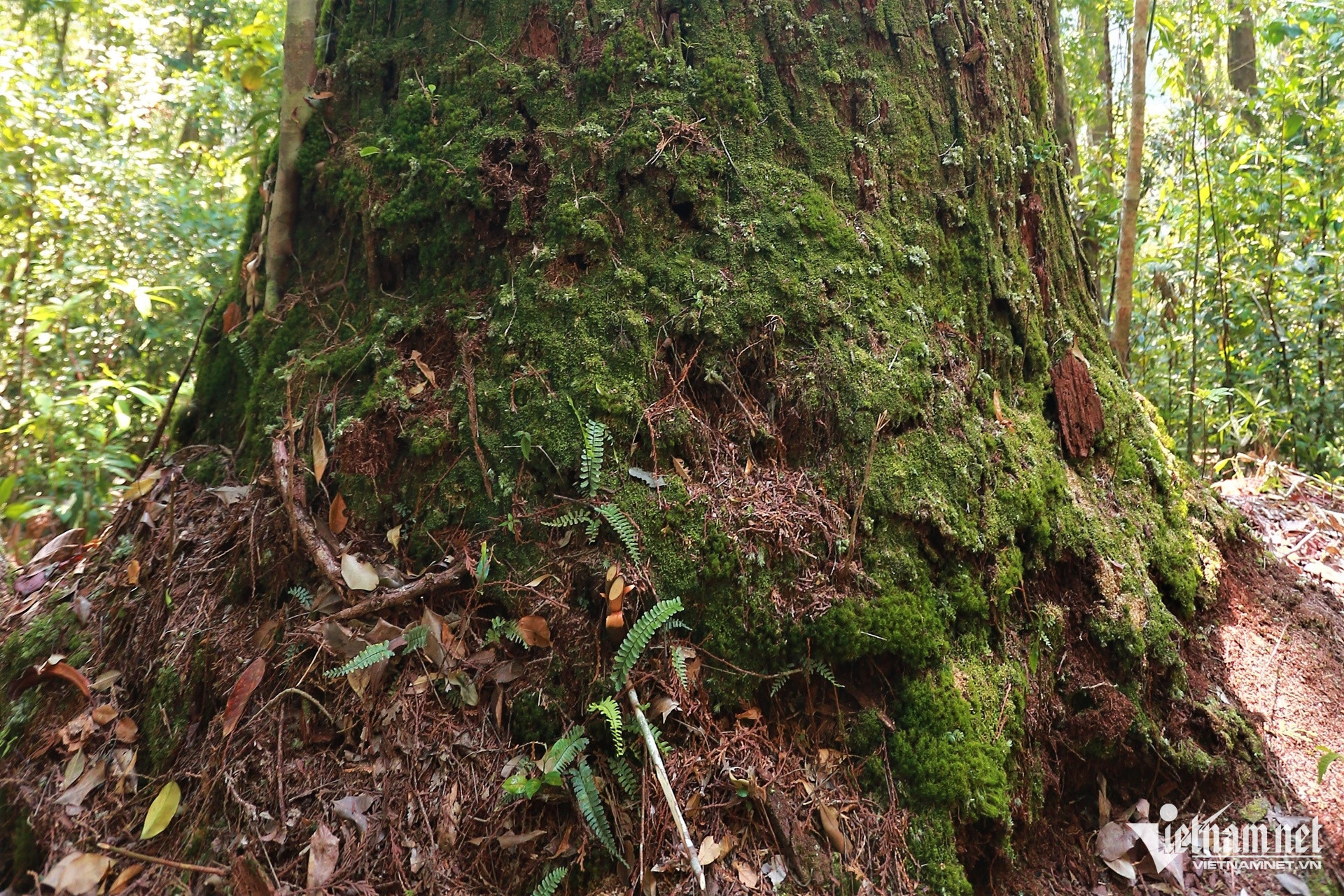
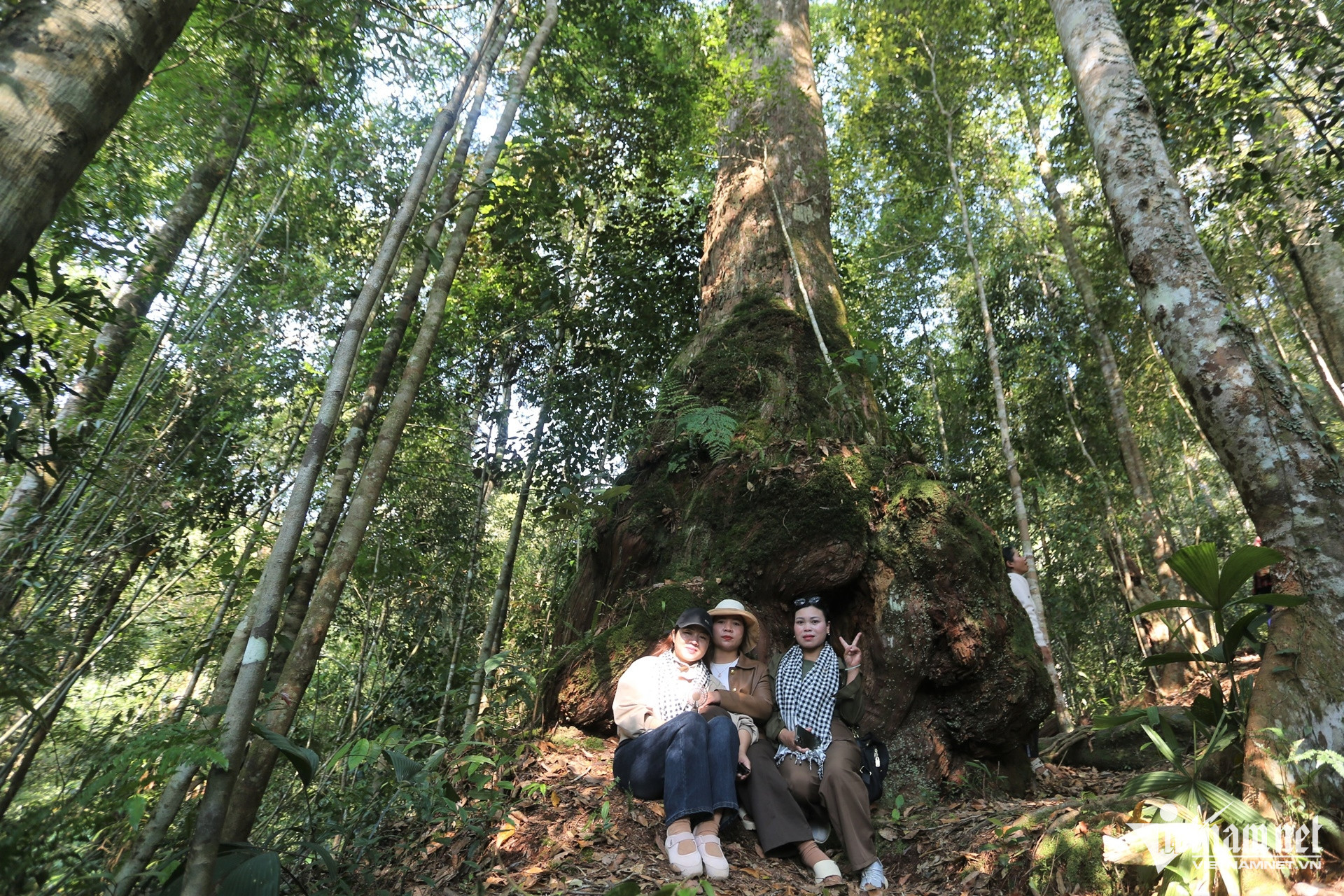
The po mu do not grow sparsely but cluster densely, forming a striking ecosystem. Their straight trunks rise skyward, cloaked in moss, dominating the forest canopy.
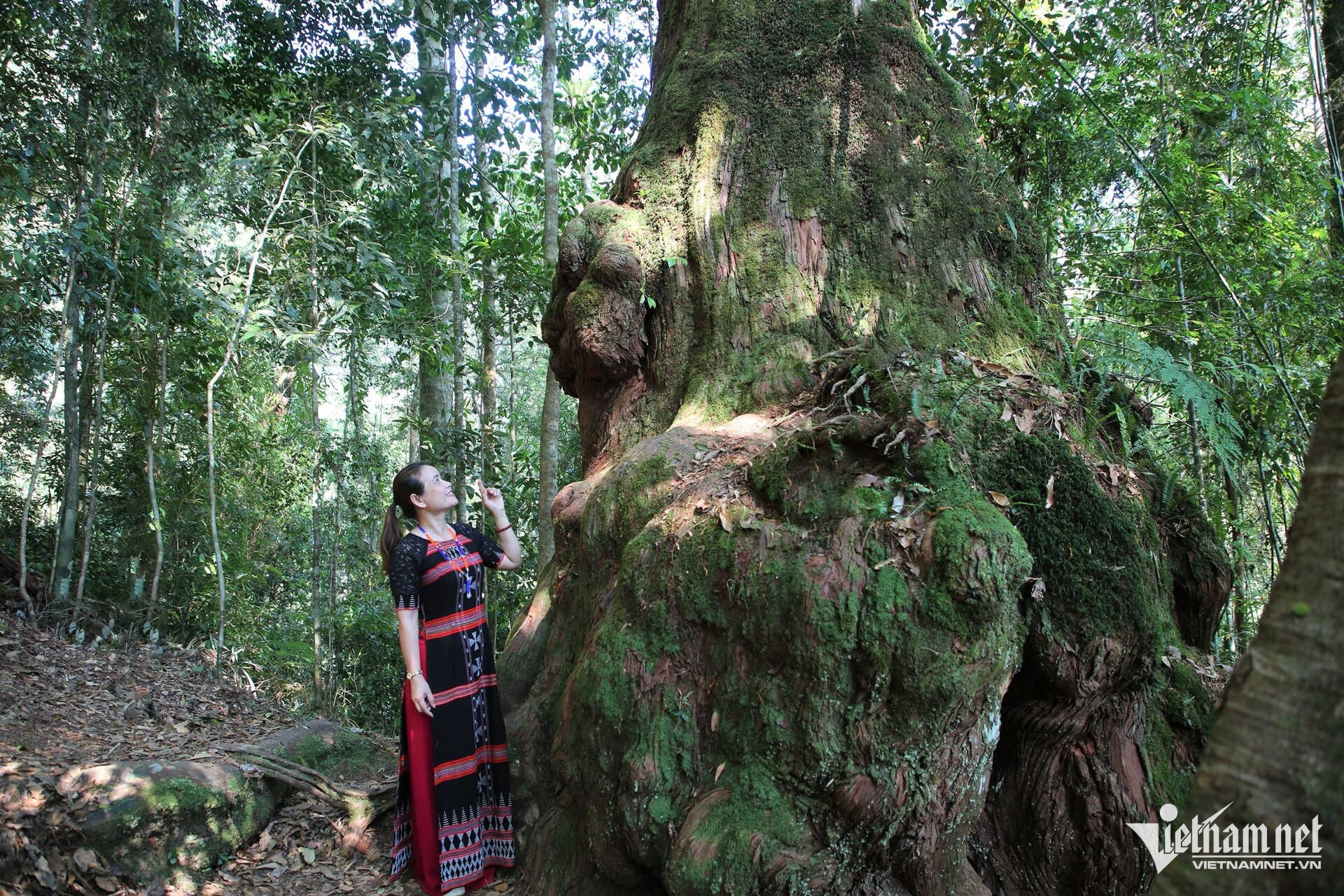
At ground level, their roots are just as remarkable - sprawling, twisting above the soil, forming natural hollows large enough for several people to sit within.
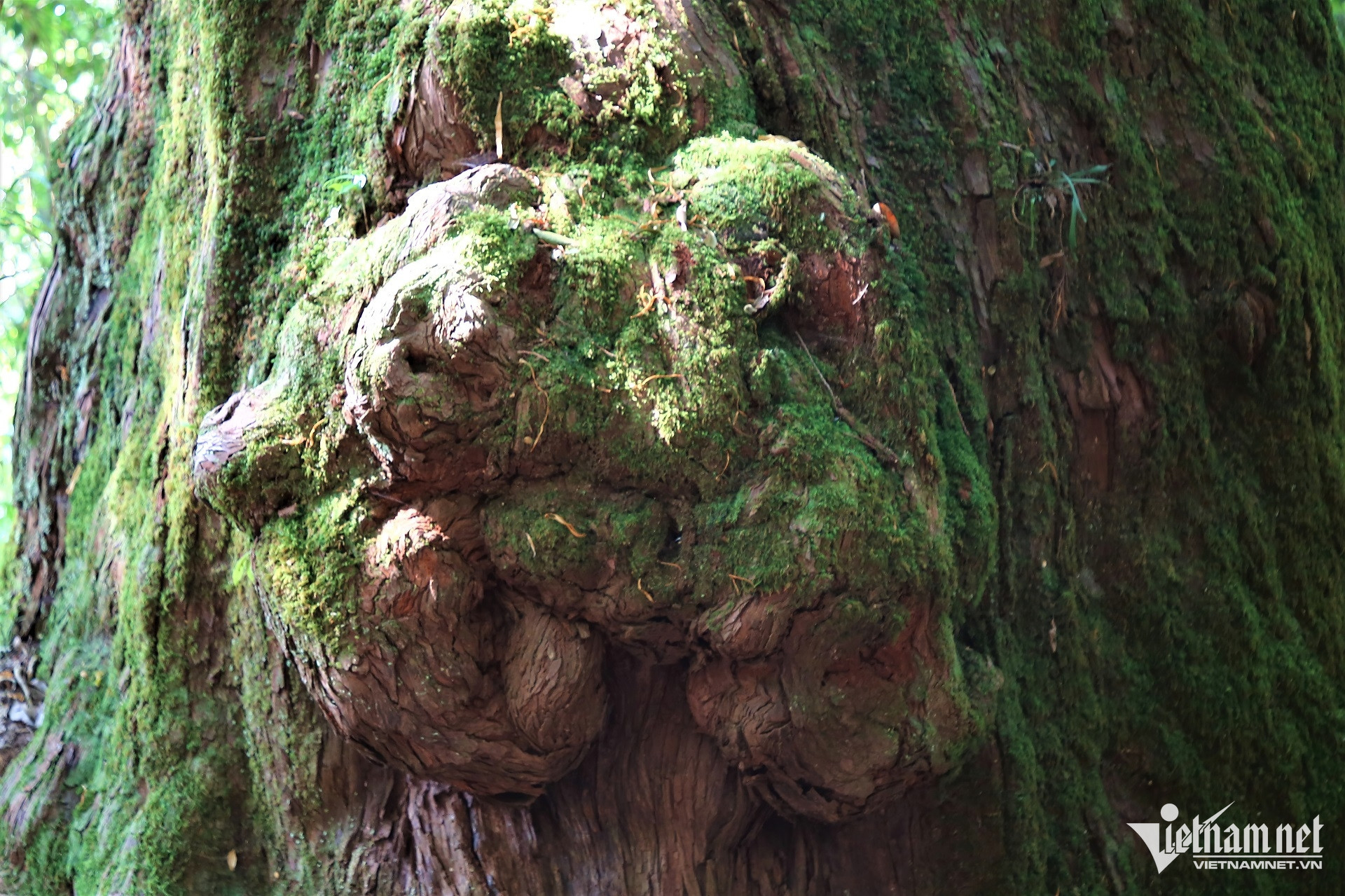
Each tree carries its own form and identity. Some resemble resting animals, others twist gently with age, while certain trunks swell like sculpted stone. Locals even name them based on their shapes - “roof tree,” “dragon back tree” - as a way to recognize and preserve them.
“We call this the mysterious forest,” Rieng says. “And what is mysterious cannot be fully explained.”
Preserving a legacy for generations
For generations, the Co Tu people have believed that ancient trees are the dwelling places of spirits. The largest among them symbolize strength and endurance, making them untouchable by default. Po mu trees hold a particularly sacred place in this belief system.
“Po mu is not meant for the living,” says elder C’lau Blao, 78.
According to him, the wood was traditionally reserved only for coffins, used to send the deceased back to their ancestors. It was never used for daily life. “This is a sacred forest. No one can enter or take anything without the village’s consent,” he says.
Despite its remoteness, the forest was only formally recognized in 2010. From that moment, the community came together, agreeing to protect it at all costs. Their shared commitment became an invisible boundary, ensuring the forest’s survival.
Beyond belief, action followed. Local patrol groups were formed, taking turns monitoring the area and controlling access.
At times, the economic value of po mu attracted outside interest. In response, villagers set up checkpoints, preventing unauthorized entry.
“This forest is a gift from the heavens to the Co Tu people,” elder Hoih Mia, 68, says. “We must protect it not only for today, but for future generations. Losing it would mean failing our ancestors.”
More than a landscape, the forest represents a living heritage - rich in biodiversity, cultural meaning, and potential for sustainable eco-tourism.
In 2016, when the forest was officially recognized as a heritage tree complex, the community felt a deep sense of pride. Soon after, an 8km trail into the forest core was opened. Villagers contributed their efforts to build stilt houses and communal Gươl houses, serving both protection and visitors.
Today, the area has begun to attract trekkers, though access remains carefully managed to avoid damaging the ancient trees.
Amid the vast Truong Son range, the po mu forest continues to endure - not only as a natural wonder, but as a sacred “kingdom” held intact by generations of quiet guardians.
Ha Nam
.svg)
