 Vietnamnet.vn

 Podcast



The forest gratitude ceremony marking the beginning of a new year has been revived in Da Nang, following the traditional practices of the Co Tu people. The ritual serves as a moment to honor “Mother Forest” - the life source that has sustained highland communities for generations.
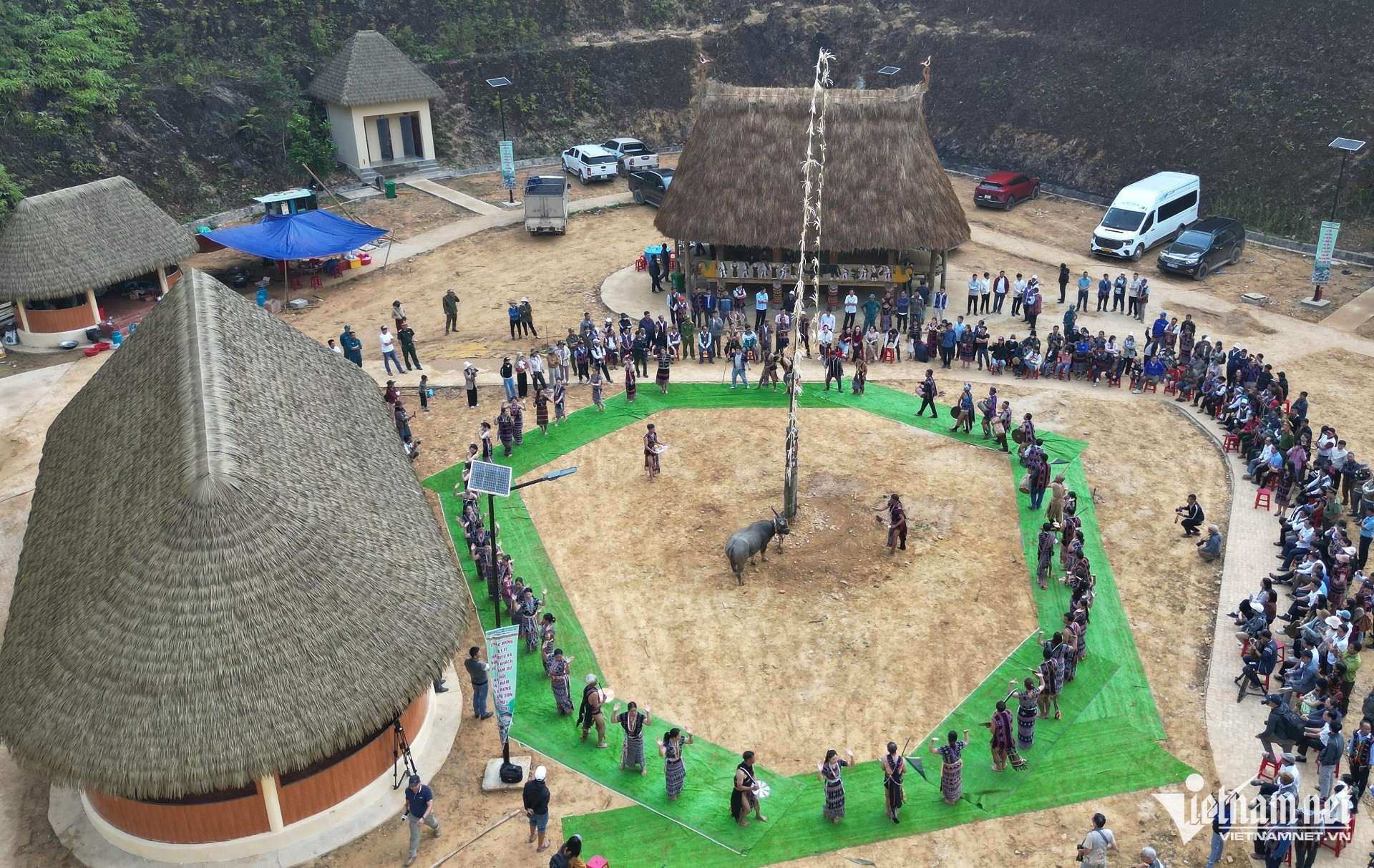
On April 5, the ceremony was held in the border commune of Hung Son. From early morning, the communal house area at the Po Mu forest eco-tourism site came alive with the sounds of gongs and drums, laughter, and the vibrant colors of traditional attire. At the center of the courtyard, a ceremonial pole was erected, signaling the opening of the festival season.
A large number of visitors gathered at the Po Mu heritage eco-village to take part in the event.
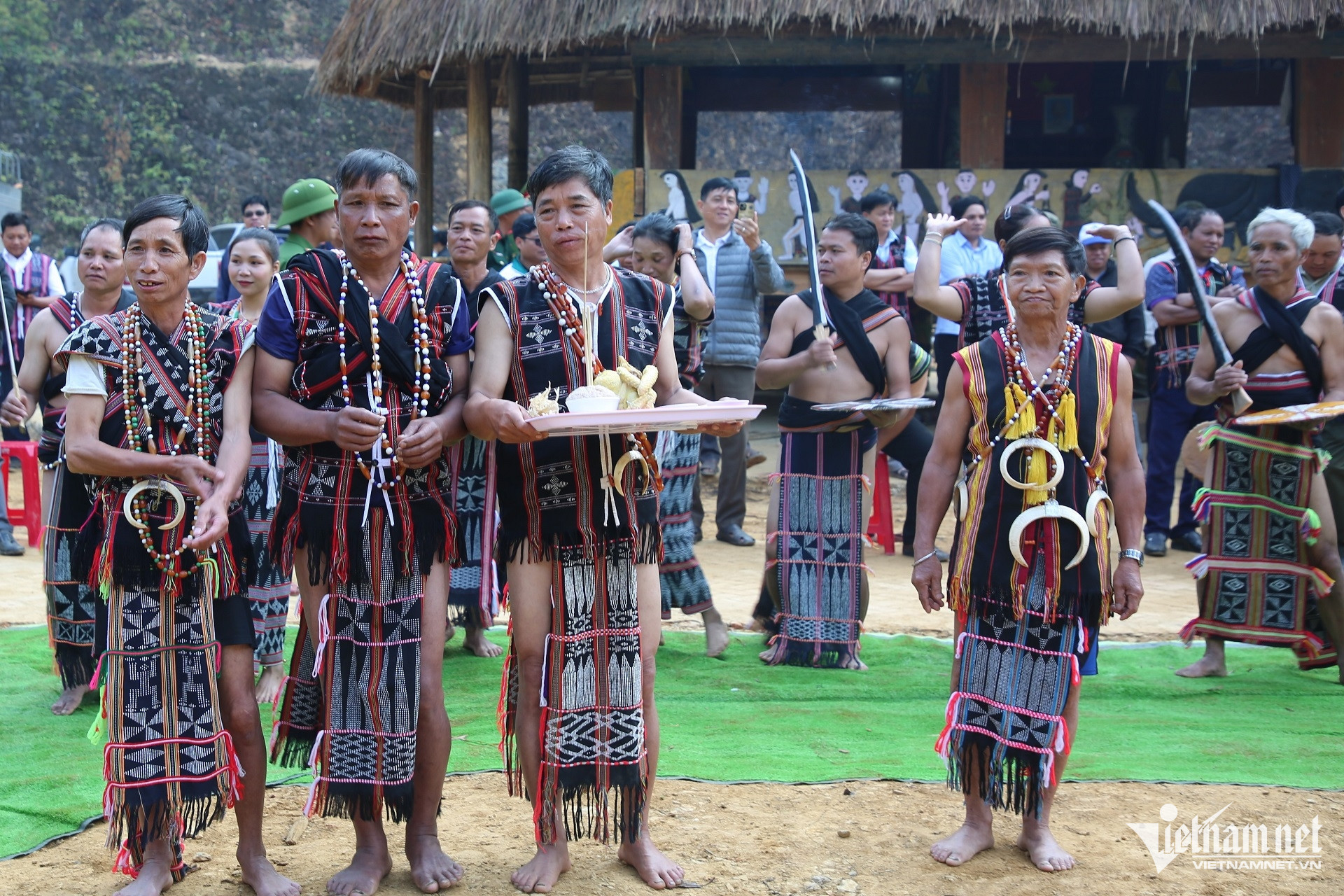
The ritual segment unfolded in a solemn atmosphere, with offerings and prayers conducted according to long-standing customs. For local residents, the forest is not only a source of livelihood but also a sacred cultural and spiritual space deeply intertwined with generations of community life.
Village elder Hoih Mia shared that the Co Tu people have always regarded the forest as both protector and provider. The ceremony is a way for the community to express gratitude, pray for good harvests and peaceful lives, and remind younger generations of the responsibility to protect the forest.
“For the Co Tu, with the forest and with Giang, all beings can live and grow,” he said.
Community members carefully prepared traditional offerings to present to the deities believed to govern the mountains, forests, and rivers.
The ritual was conducted with reverence, reflecting deep respect for Giang - the spiritual forces of nature.
Following the ceremonial rites, the atmosphere shifted into celebration, with performances of gong music, tung tung da da dance, and folk singing exchanges.
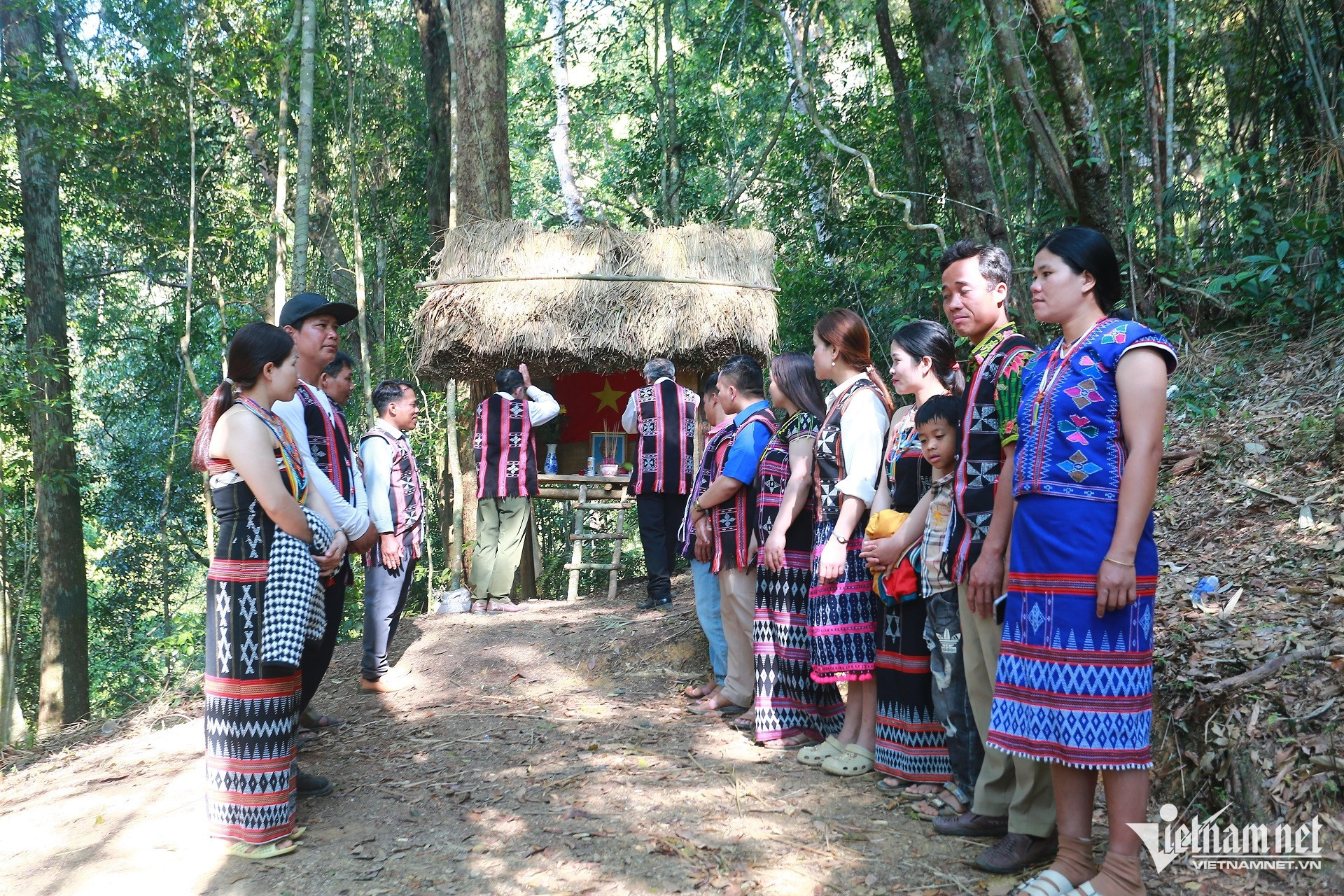


A highlight of the event was the ancient Po Mu forest itself, home to centuries-old trees that create a pristine and immersive landscape. This setting also provides a foundation for developing experiential tourism tied closely to nature and indigenous culture.
Visitors can follow forest trails, experiencing the quiet rhythms and unhurried pace of life in the mountains.
The sound of gongs echoed as Co Tu villagers performed the traditional tung tung da da dance during the festival.
The forest gratitude ceremony is also an occasion for the Co Tu people to give thanks for a year of protection and prosperity granted by “Mother Forest.”
According to Nguyen An, Secretary of the Hung Son Party Committee, maintaining the festival plays a key role in preserving traditional cultural identity while gradually shaping a distinctive tourism product that supports local livelihoods. In preparation for the event, the commune conducted surveys and assigned specific responsibilities to each village to ensure the rituals were recreated in accordance with their original cultural form.
Ha Nam
.svg)
