 Vietnamnet.vn

 Podcast



In a narrow alley off Tran Binh Trong Street in Can Tho lies a rice shop without a name, a sign, or any advertisement. Locals simply call it “Mrs. Cuc's rice shop” - a name made up for memory’s sake. In truth, the owner is Nguyen Thi Mai, a soft-spoken woman now 73 years old.
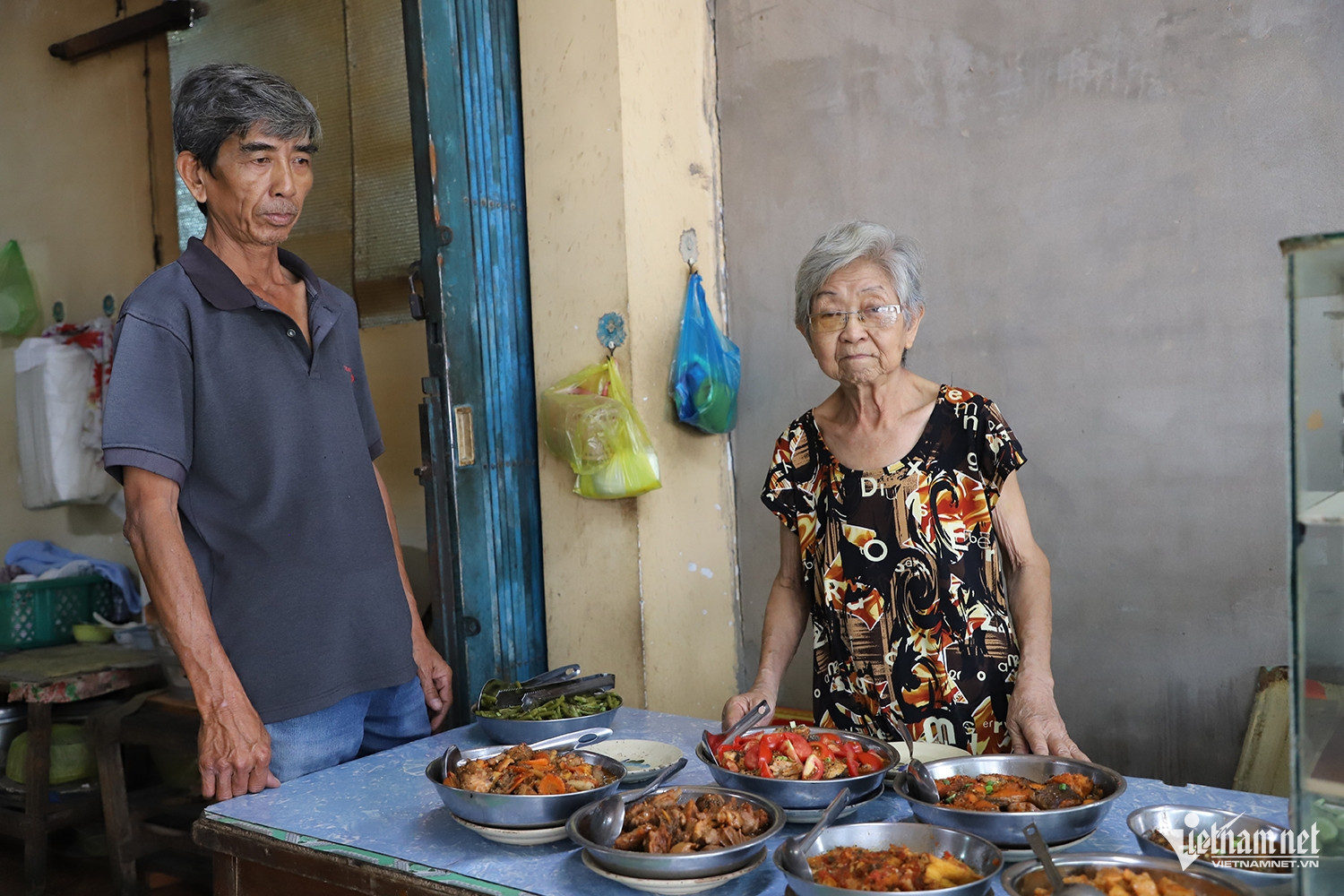
For decades, Mai has stood beside a coal stove, cooking for anyone who came hungry - especially students. She never thought to name her shop. To her, it was just a place to cook meals for the neighborhood and ensure no student went to class on an empty stomach.
A quiet voice, a warm welcome
What diners remember most is not just the food - but how she speaks. Every interaction begins with “dạ” (a polite Vietnamese word of respect).
“Dạ, you’d like some rice, young man?”
“Dạ, please wait a moment.”
Her words come softly, her tone calm. For many, it felt like coming home.
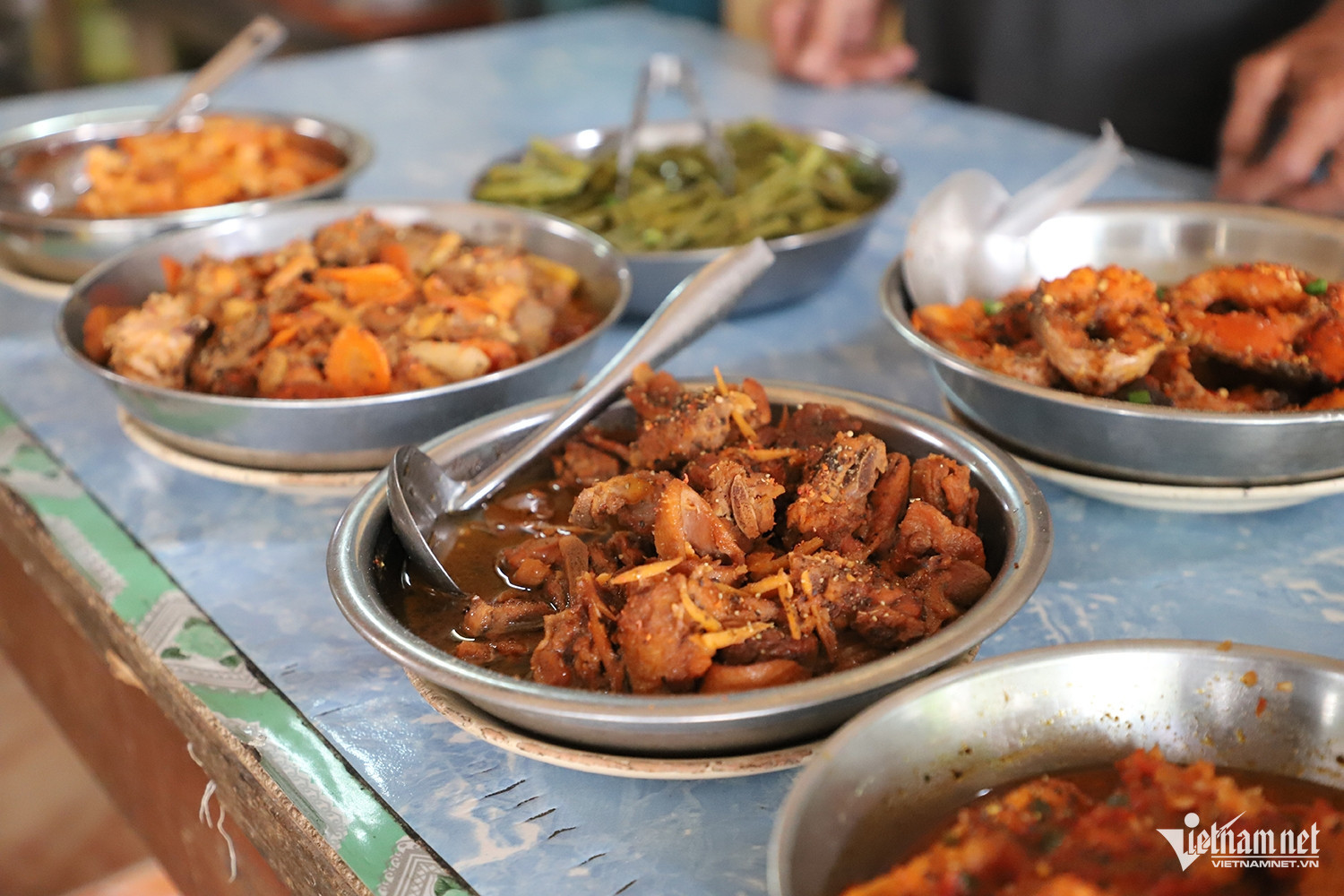
The shop itself is only about 20 square meters. At the entrance, a large wooden table holds plates of fried fish, braised meat, stewed chicken, stuffed tofu, stir-fried vegetables, and sunny-side-up eggs. Just beyond are four small wooden tables, enough for a few groups to sit elbow to elbow.
In one corner, two coal stoves burn constantly, keeping soup and rice warm. On the tables: a few chili peppers, bottles of fish sauce and soy sauce, and chopsticks in a tin.
From a pushcart to a refuge
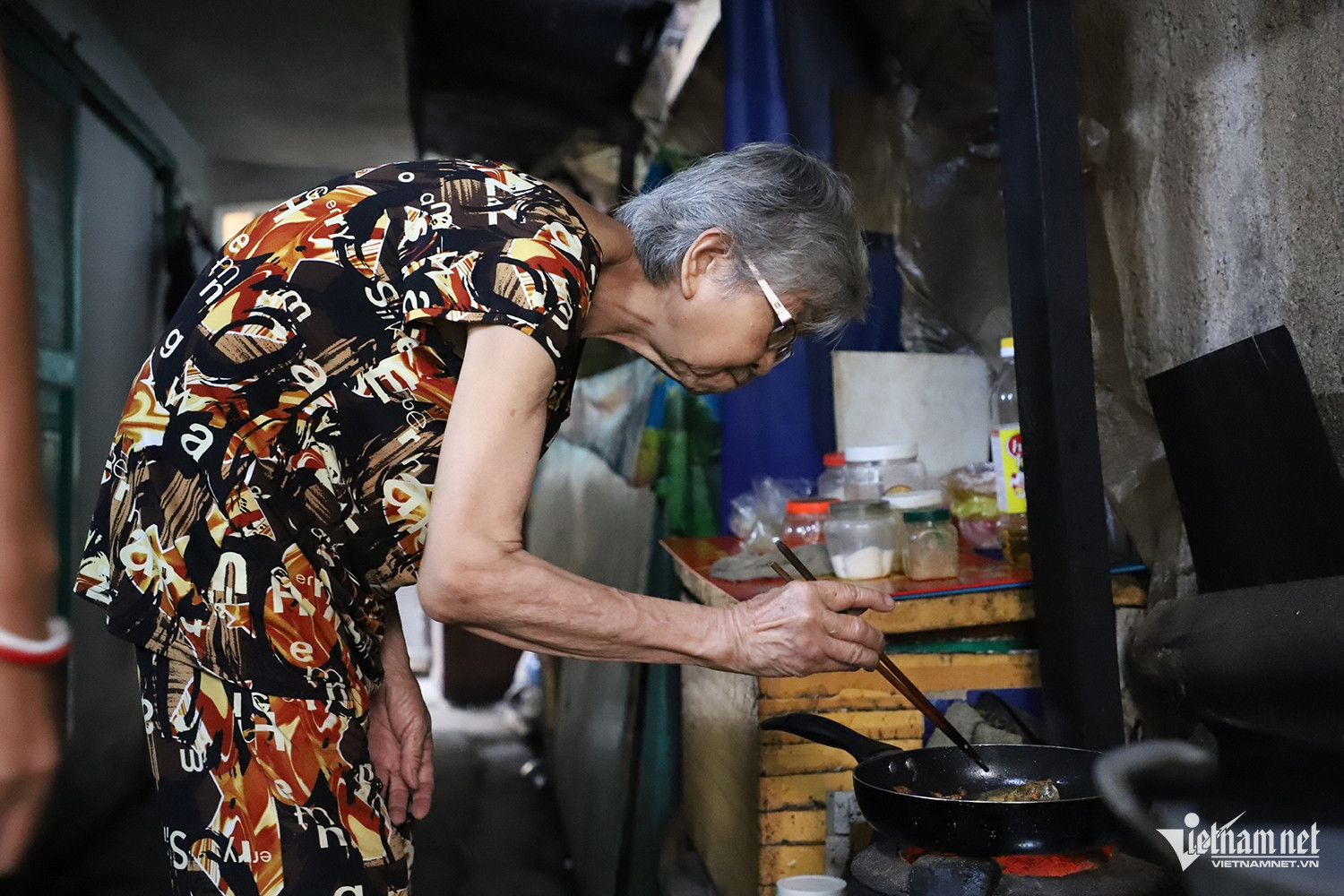
Back when she started, Mai sold rice from a pushcart just a few dozen meters from where she stands today. She doesn’t remember the exact year - only a vivid memory from 1985.
“One day, a vendor I knew came by with nearly 300 ceramic plates from the South. He said it was the last batch, just 200 đồng each. I still use them now, though many are chipped or missing,” she said.
In those early days, her menu only had three items: braised pork, fried fish, and a pot of soup. Yet she could go through two 50-kilo bags of rice in a single day. Most of her customers were medical students from the nearby school. A meal cost 2,500 đồng, and rice refills were always free.
“The students were so poor back then. One boy once ordered just one piece of fried fish, but ate two full plates of rice. I told him, ‘Eat all you want. If you run out of rice, just ask for more.’”
The shop was tiny. Those who came late had to wait for others to finish, but no one ever complained.
Never turned away
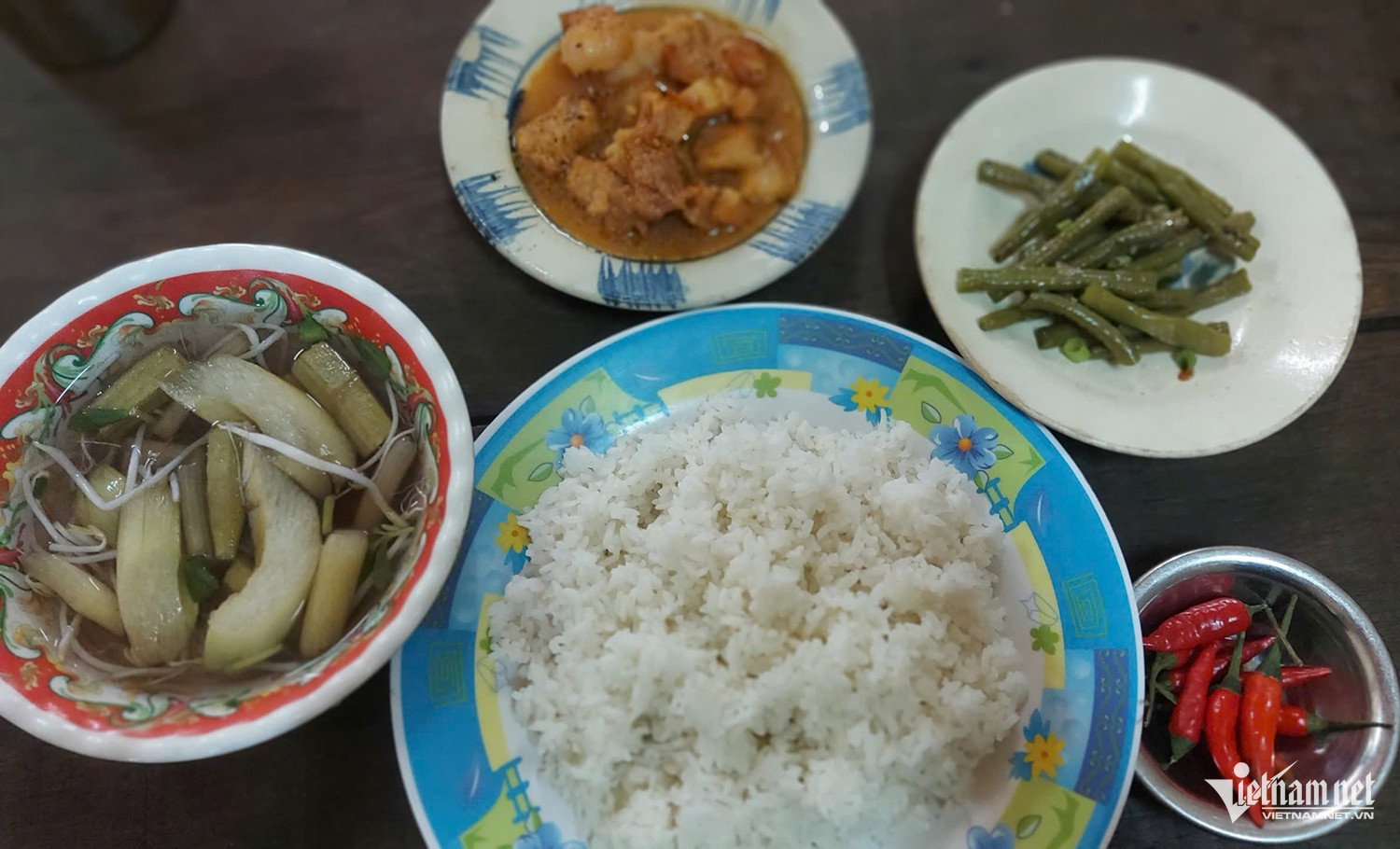
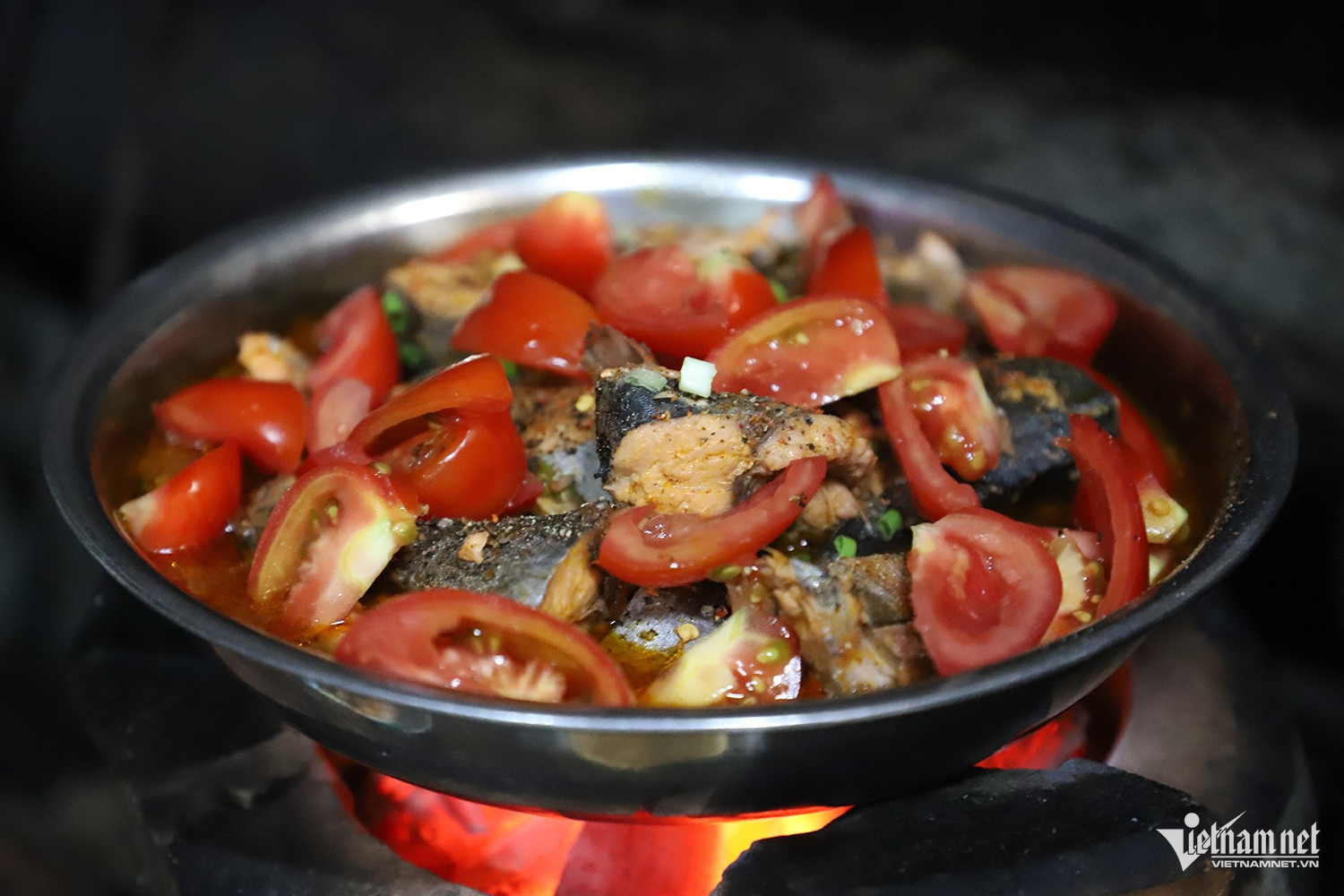
Mai often let students eat on credit - sometimes just for a few days, sometimes for an entire year. She never once asked to be repaid.
“Helping students made me happy. It took away the tiredness,” she said.
One story stays with her: a student named Khoi from Ca Mau. His classmates pooled money to cover his rent and meals. He was too shy to accept much help, so he began eating only one meal a day.
“I noticed right away. My heart ached, but I didn’t know what to say. So, many days, I just didn’t take his money,” she said.
Years later, Khoi returned. He’d graduated, found a job, and come back to find her.
He walked up and embraced her. She was startled.
“Where are you from, young man?” she asked.
“Don’t you remember me? I’m the one you always fed,” he replied with a smile.
The fire still burns
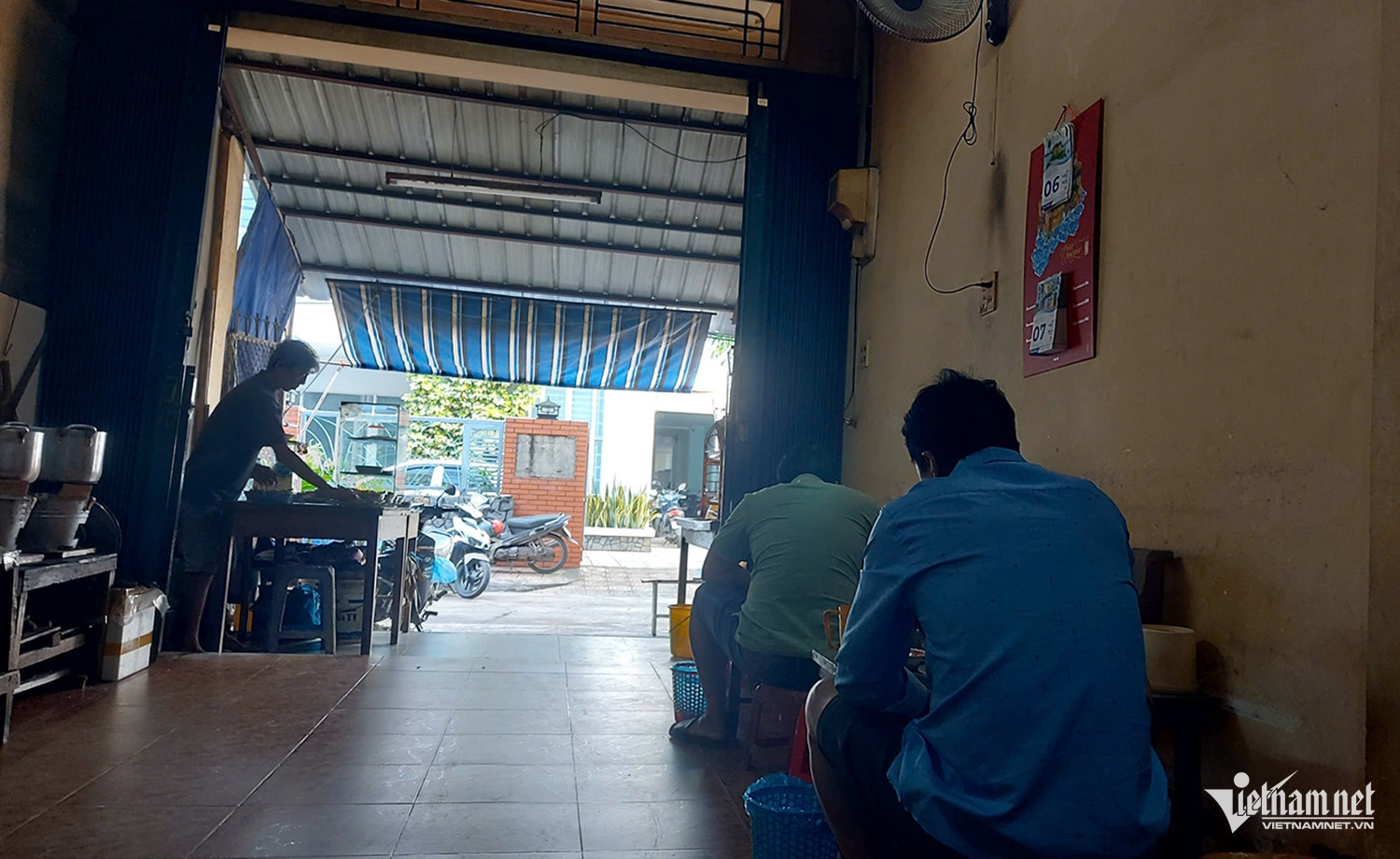
After the nearby university relocated, student customers thinned out. Mai moved her shop to its current spot. She never married and ran the shop with her sister. A few years ago, their younger brother, Nguyen Van Tuong, 59, left his job as a welder to help.
Then three months ago, tragedy struck - the sister passed away after a serious illness. Now, only Mai, Tuong, and a niece remain to run the shop.
Mai still wakes at 5 a.m. each day to shop for ingredients. The daily menu includes five to eleven dishes, depending on what’s available. The shop opens at 9 a.m., though it isn’t fully stocked until around 11. It closes by 5 p.m. - or earlier if the food runs out.
“I only cook 7 to 10 kilos of rice a day now. Most customers are local residents, patients, or occasional passersby,” she said gently.
At her age, with frequent health issues, things aren’t as easy as they once were. But she and her brother still want to cook as long as they can.
Tucked quietly into an alley, Mai’s rice shop keeps its fire glowing. She doesn’t just feed people - she has nourished decades of students with rice, soup, and silent generosity.
For her and her late sister, cooking wasn’t just work. It was joy. It was purpose. It was the feeling of watching someone leave the table with a full belly - and a little more hope.
Tran Tuyen
.svg)
