 Vietnamnet.vn

 Podcast



Editor's note: In Vietnam's mountainous regions, new livelihoods do not necessarily have to begin with something new. Sometimes, the answer lies in what communities already possess: a plot of land, a forest, a native crop, a traditional dish or knowledge passed down through generations.
The key is to rediscover the value of these resources and put them to work for local people. By doing so, ethnic communities, including the Thai, Mong and Muong, can move beyond poverty to take charge of ecological and organic agriculture on their own land, creating new opportunities without losing touch with their cultural roots.
This series, "Indigenous vitality and ecological-organic livelihoods in Son La: When the land sustains its people," explores how that vision is taking shape in the highlands of northern Vietnam.
A $19,300 dream in a village without electricity
Tucked away among the rugged limestone mountains of the Van Ho plateau in northern Vietnam's Son La province, Buot village spent decades largely cut off from the outside world.
The Thai people who settled here named their valley "Buot," a word that Vietnamese speakers associate with "uot," meaning wet. Village elders say the name reflects the landscape they found on arrival: lush vegetation, abundant water and streams winding down from the surrounding forests.
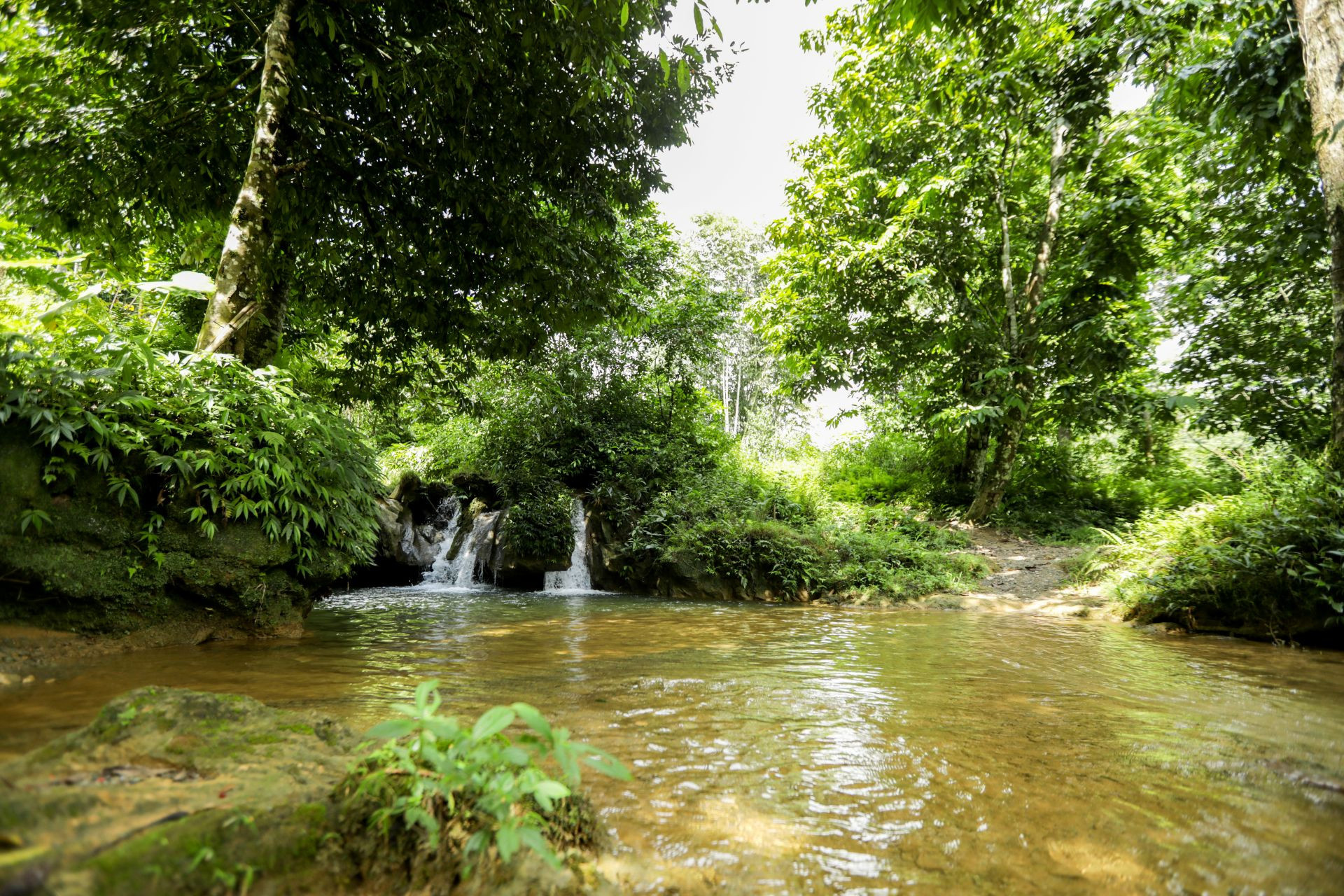
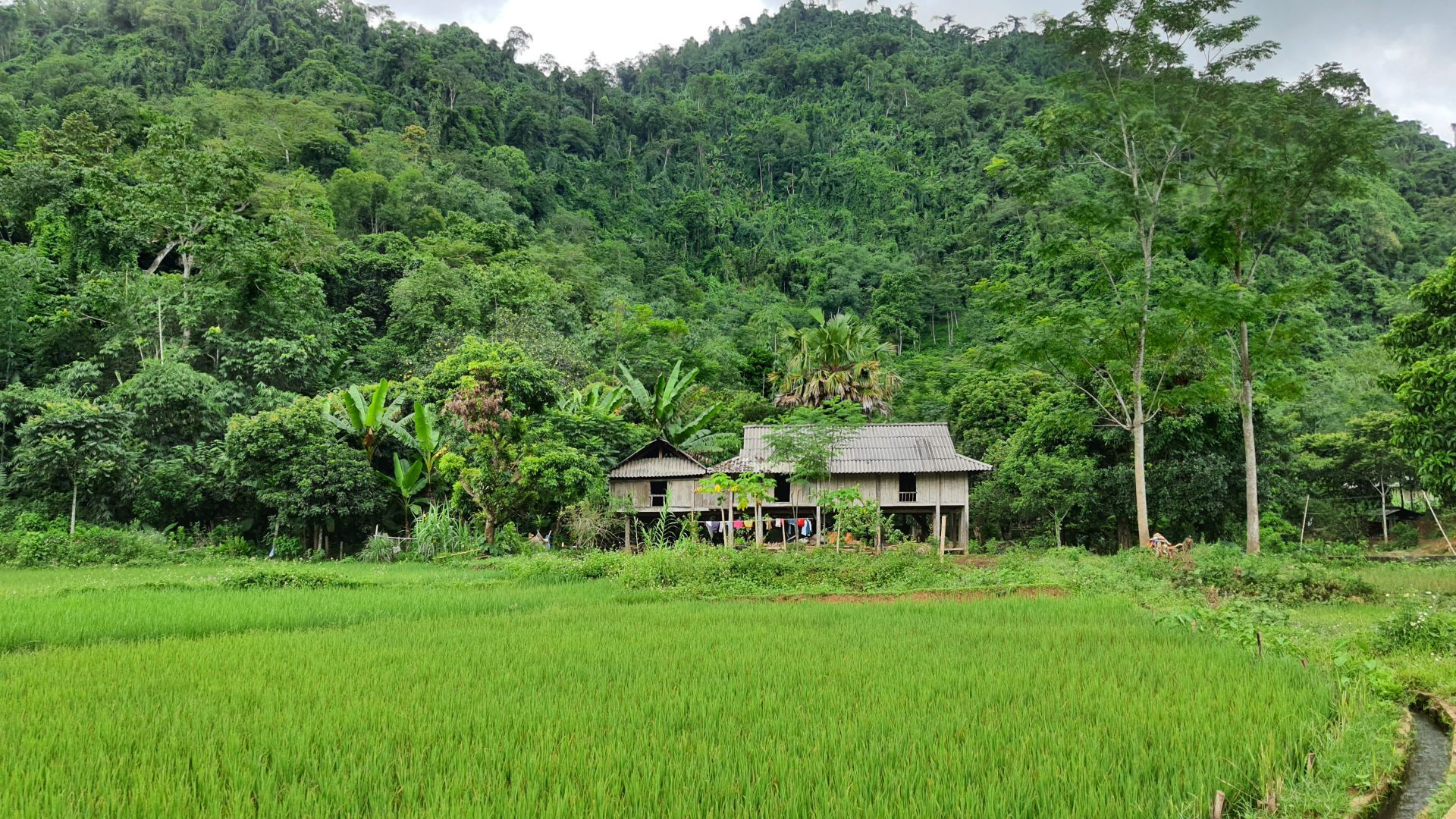
In those days, the only way into the village was along a rough, muddy trail. During the rainy season, residents hoping to sell vegetables or corn had to carry their produce on their backs for hours to reach National Highway 6.
Poverty hung over the village's 58 households. At one point, nearly half were classified as poor. Most families farmed simply to feed themselves, while those seeking additional income often had little choice but to leave home for temporary work elsewhere.
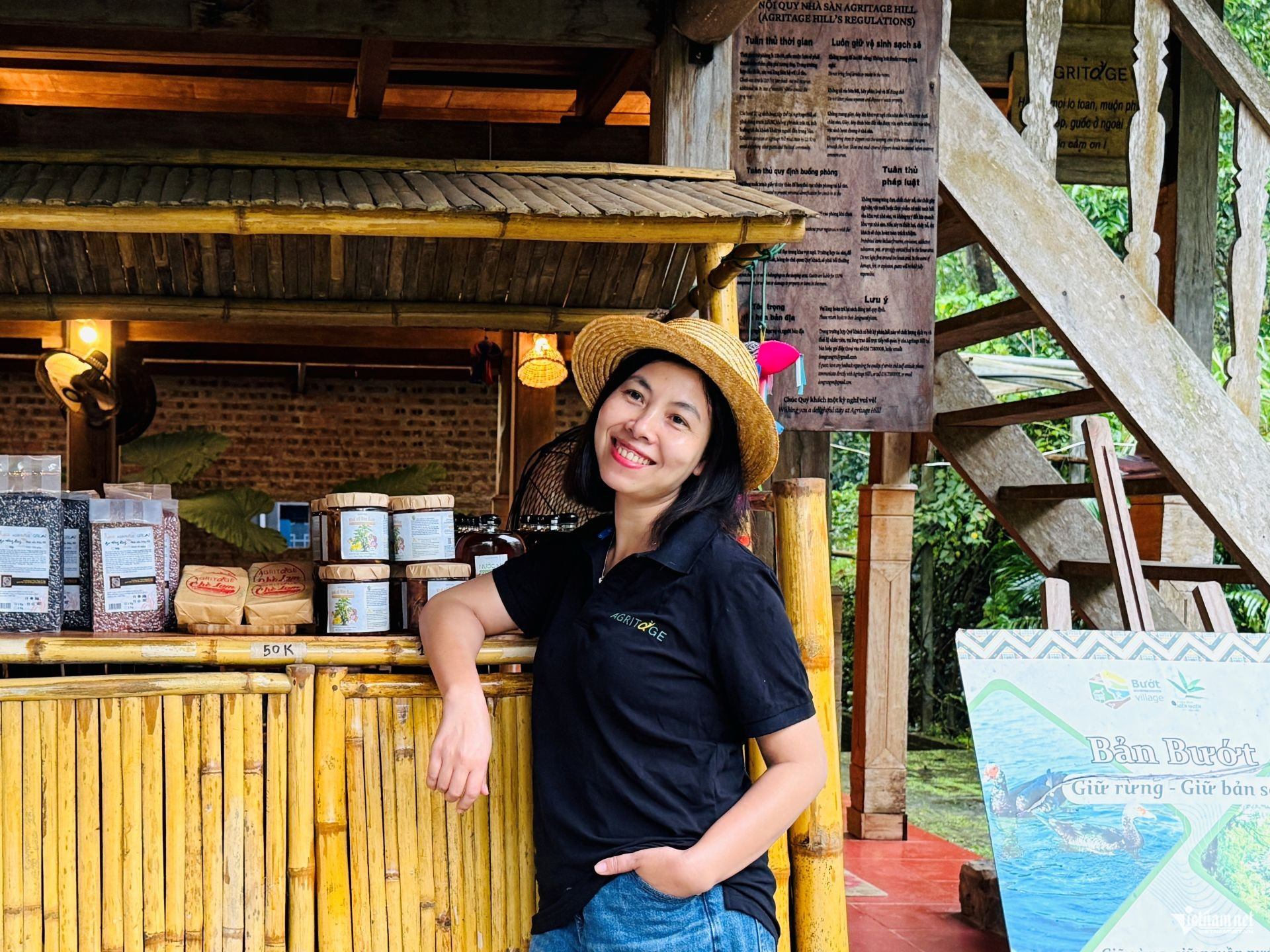
That began to change in 2019, when Dinh Thi Huyen, a woman from the Muong ethnic community in neighboring Hoa Binh, arrived in Buot.
Huyen and her colleagues at the Northwest Development Center (TABA) had previously experienced what she described as a "crisis of values."
They had seen many well-funded technical assistance projects fall apart once outside experts departed. Farmers might acquire new skills, but without lasting connections to buyers and markets, the benefits rarely endured.
Determined to address that underlying problem, Huyen established Agritage Vietnam, a social enterprise whose name combines "agriculture" and "heritage."
Its mission was to work alongside communities and local authorities to transform agricultural villages into living heritage ecosystems, where traditional knowledge, farming practices and cultural identity could generate lasting economic value.
Buot became the first agricultural heritage village jointly developed by Agritage Vietnam, local authorities and residents in 2019.
The obstacles were formidable.
Electricity did not reach Buot until July 2020, when the village was finally connected to the national power grid. Even today, it remains largely outside reliable 4G and 5G mobile coverage.
When the Van Ho Agritage heritage farming village project began, Buot was a village of "four no's": no grid electricity, no concrete road, no Internet access and no connections to commercial markets.
Residents were caught in a cycle of subsistence farming and increasing dependence on chemical fertilizers and pesticides brought in from elsewhere. Few recognized that their land and traditions held something potentially far more valuable: the agricultural and cultural heritage of the Thai community.
Yet Huyen had only around $19,300 in initial funding, provided through a component of GREAT, an Australian government-funded project promoting gender equality through economic opportunities in agriculture and tourism.
Looking back, she said the project began not with ambitious promises but with conversations about what the community already possessed.
"We began turning our dream of an agricultural heritage village into reality by sitting down with local people, rediscovering the value of our roots and finding ways to create livelihoods right here on our own land," Huyen recalled.
Bringing te rau rice back to life
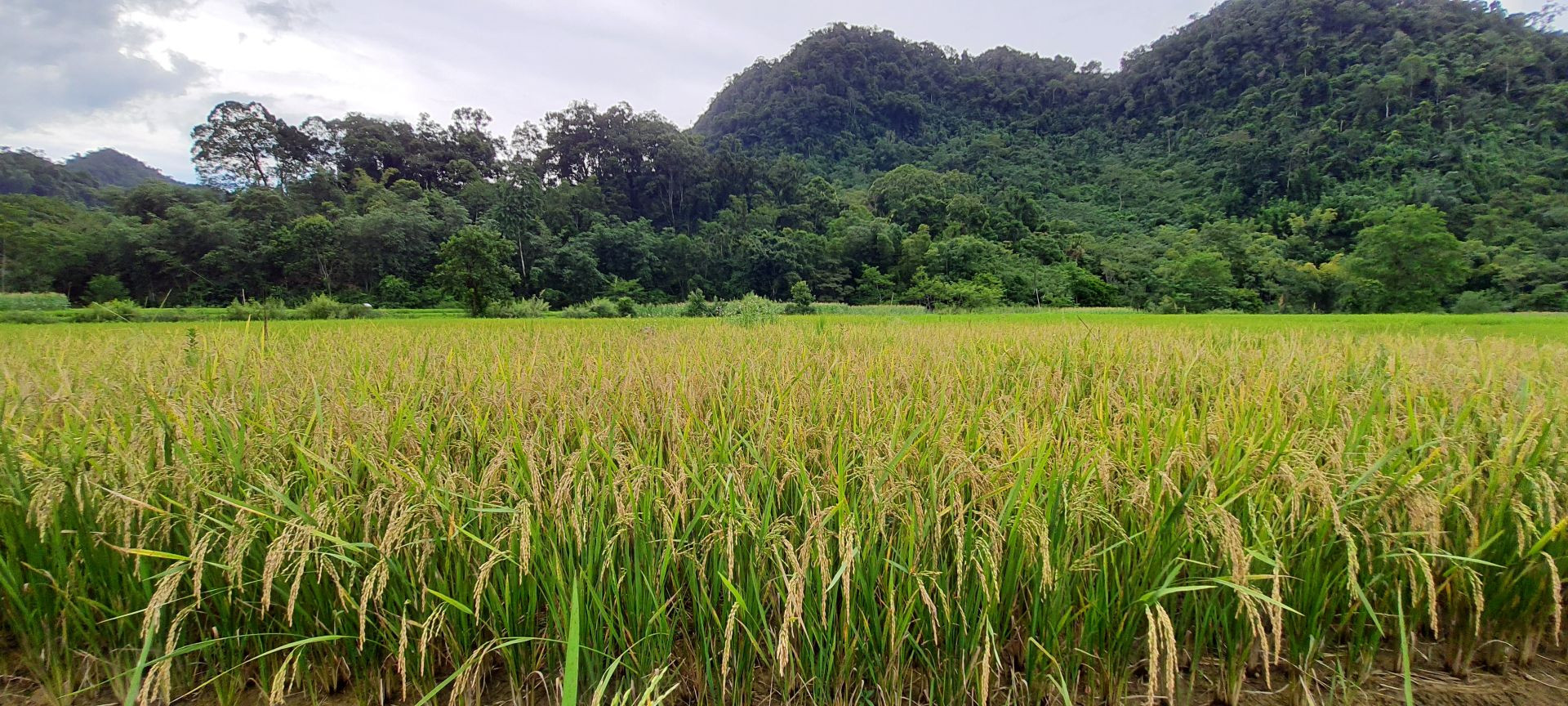
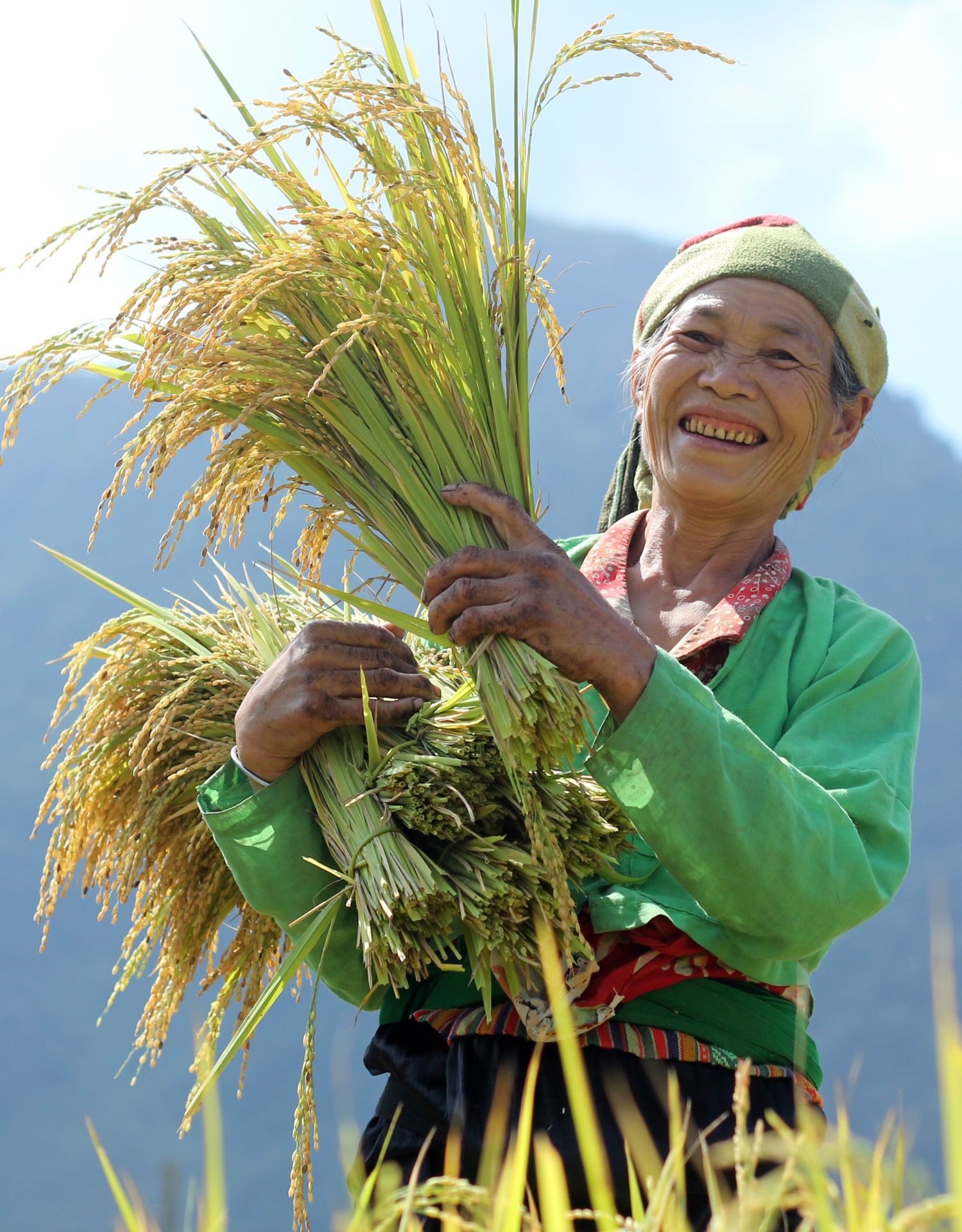
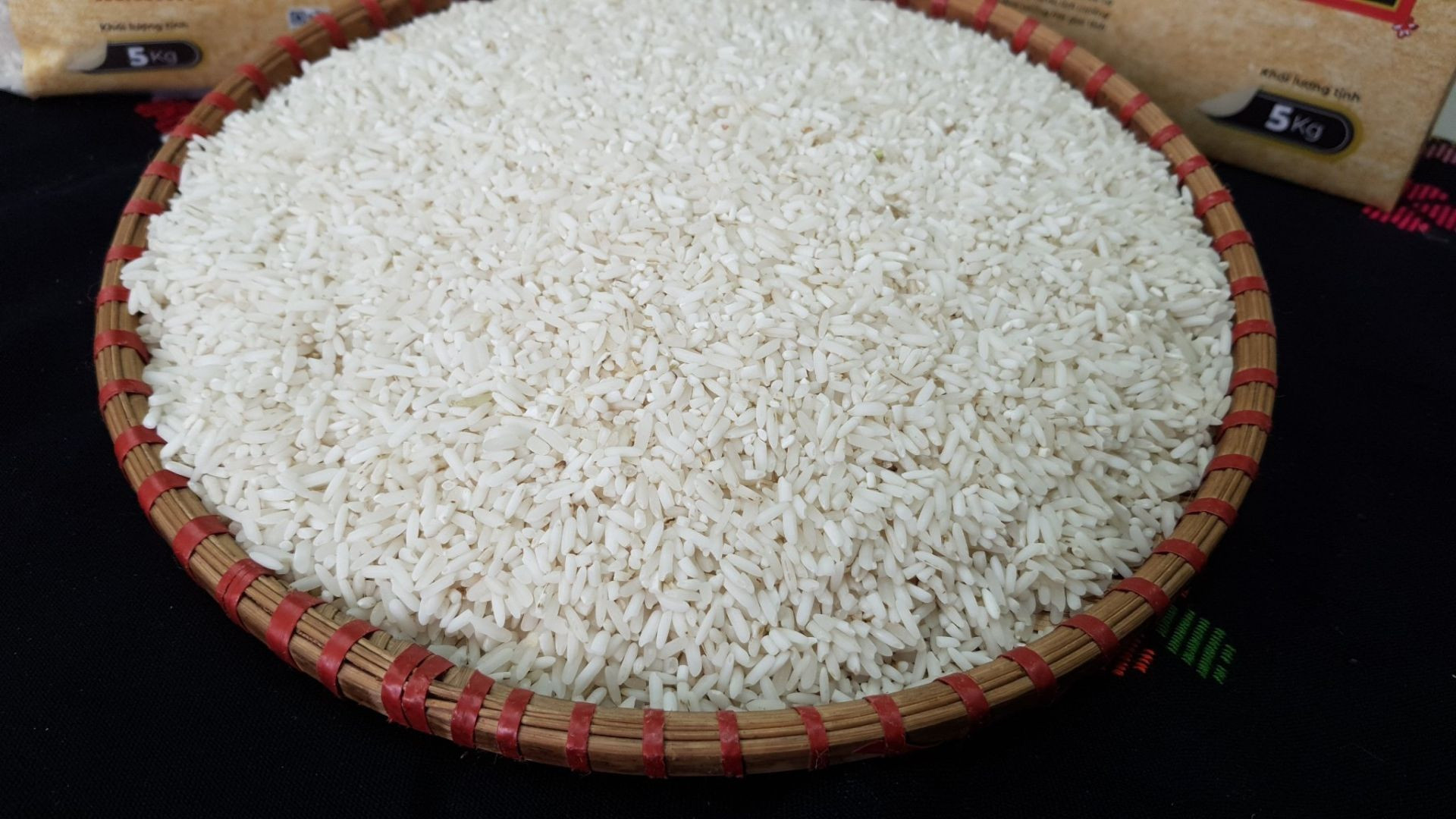
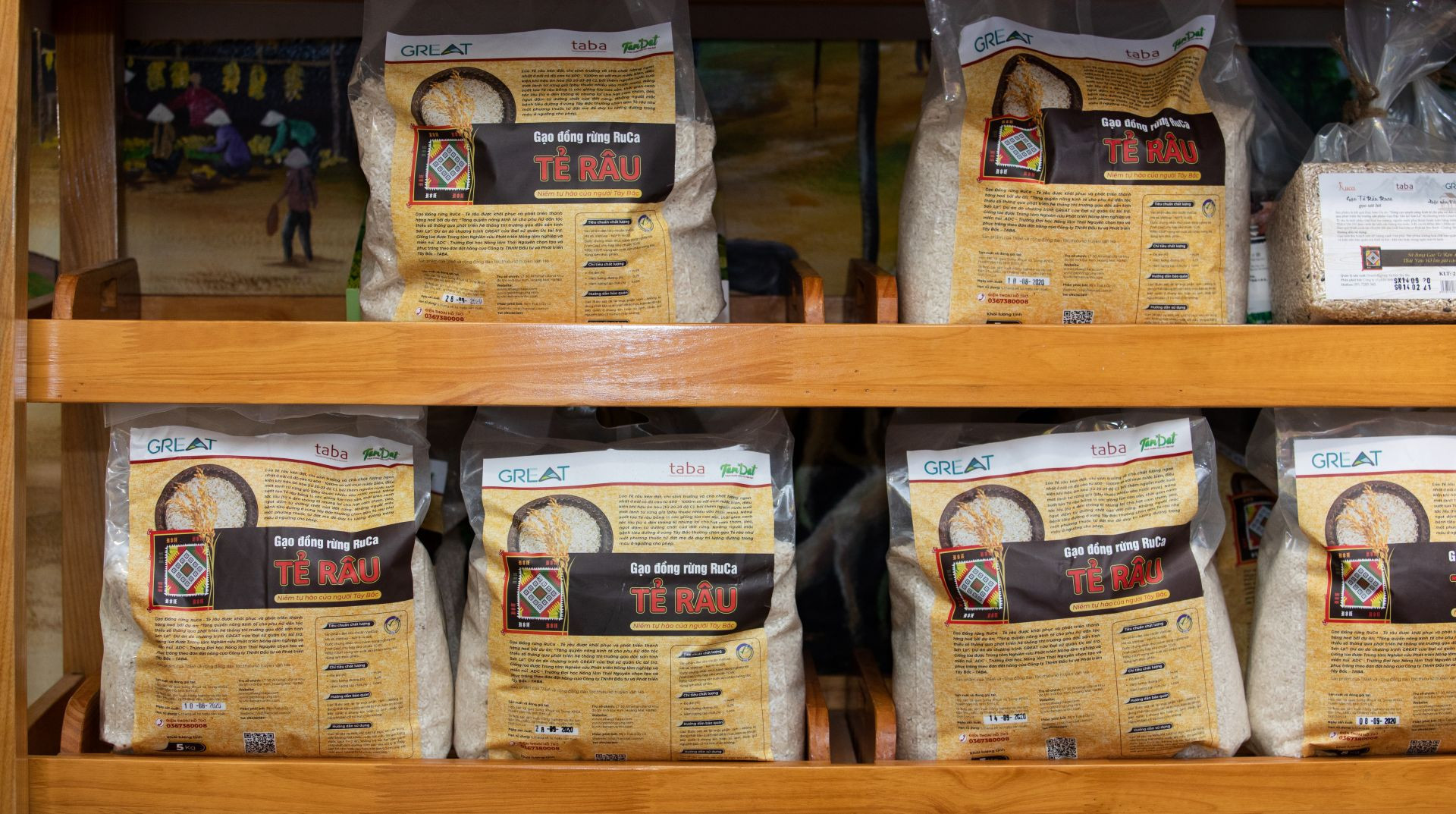
To create a viable livelihood, Huyen and the Thai community of Buot chose to begin with te rau, a traditional upland rice variety native to Vietnam's northwestern mountains.
Known for its fragrant, pleasantly chewy grains and rich flavor, te rau had become increasingly rare as hybrid rice varieties and chemical-intensive farming spread through the region.
According to laboratory findings cited in the project, the rice has a natural sugar content of just 0.02%, claimed to be among the lowest of rice varieties and described as beneficial for people with diabetes and those following specialized diets.
But restoring the crop through ecological and organic farming proved far more difficult than simply planting traditional seeds.
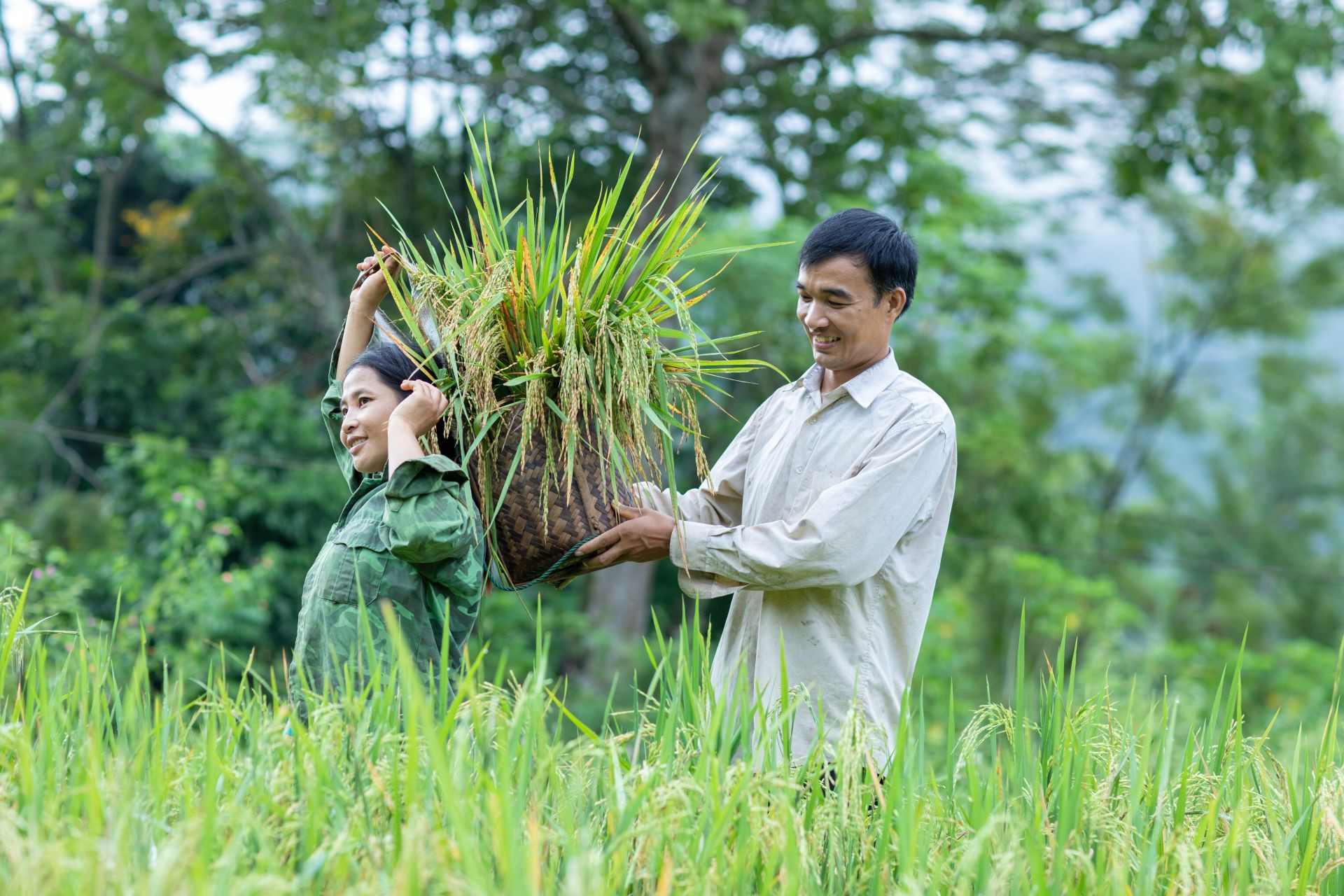
Huyen's team invited organic agriculture specialists, including Tu Tuyet Nhung and Dr. Nguyen Thi Thanh Binh, to work directly with villagers over two years.
Teachers and researchers from the Agroforestry Research Center for Mountainous Regions (ADC) also joined the effort.
Together, the community established the Van Ho Participatory Guarantee System (PGS), bringing together farmers' associations, businesses and pioneering households to support the transition to organic production.
The first two years tested everyone's determination.
Without chemical fertilizers, rice plants struggled and pest outbreaks became more frequent. Yields fell by nearly half, from 500-600kg to just 300-400kg per sao, a traditional Vietnamese unit of agricultural land area.
Many villagers grew discouraged and considered abandoning the experiment.
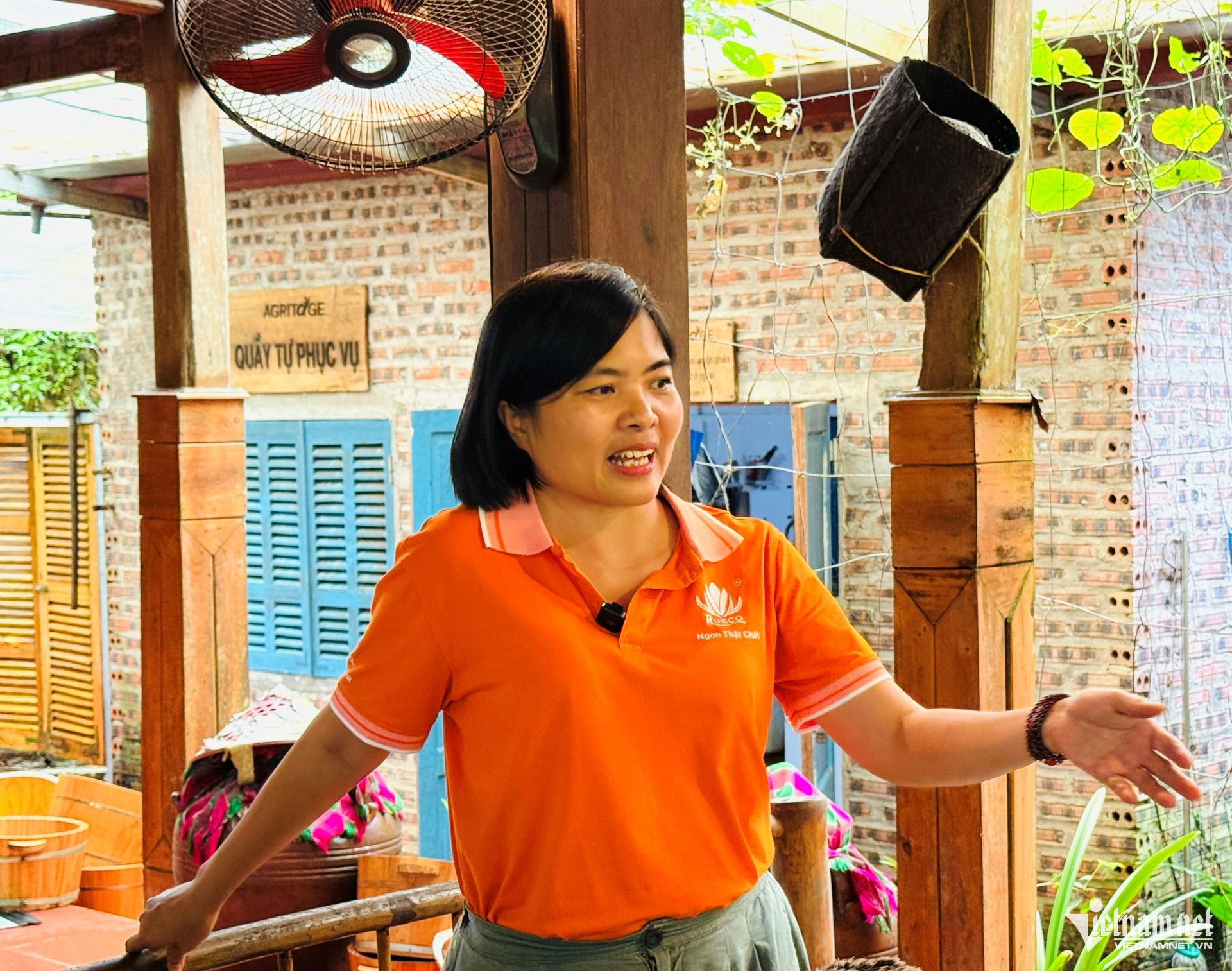
Pham Thi Kieu Oanh, director of Ruong Ruoi Ecological Joint Stock Company (Rueco), which had committed to purchasing the villagers' te rau rice from the beginning, remembers those difficult early seasons.
"When we first came to Buot in 2019, ecological and organic farming were completely unfamiliar concepts to local people," Oanh said. "During the first seasons without chemical inputs, the rice fields looked weak and barren. It was heartbreaking for everyone."
But she and her colleagues believed the land needed time to recover.
"We understood that nature needed time to heal. We patiently worked alongside farmers, showing them everything from drying rice to the correct moisture level and storing it properly to milling and packaging it for commercial sale. What we have achieved today is the reward for refusing to give up."
After two years, signs of recovery began appearing across the fields.
Soil that had once been hard and compact became loose and fertile again. Earthworms returned, while dragonflies, spiders, grasshoppers and other insects became part of a recovering field ecosystem, helping restore natural pest control.
Farmers also learned to make their own microbial compost from rice straw and livestock manure, alongside herbal preparations to repel insects.
Ha Van Nguy, director of the Dong Rung Van Ho Cooperative, says the transformation has changed the way villagers think about farming.
"When we first stopped using chemical pesticides, production fell for two years. But once the soil and plants recovered, the rice became more resistant to disease," he said.
The cooperative now cultivates three hectares of organic te rau rice alongside a range of ecologically grown vegetables.
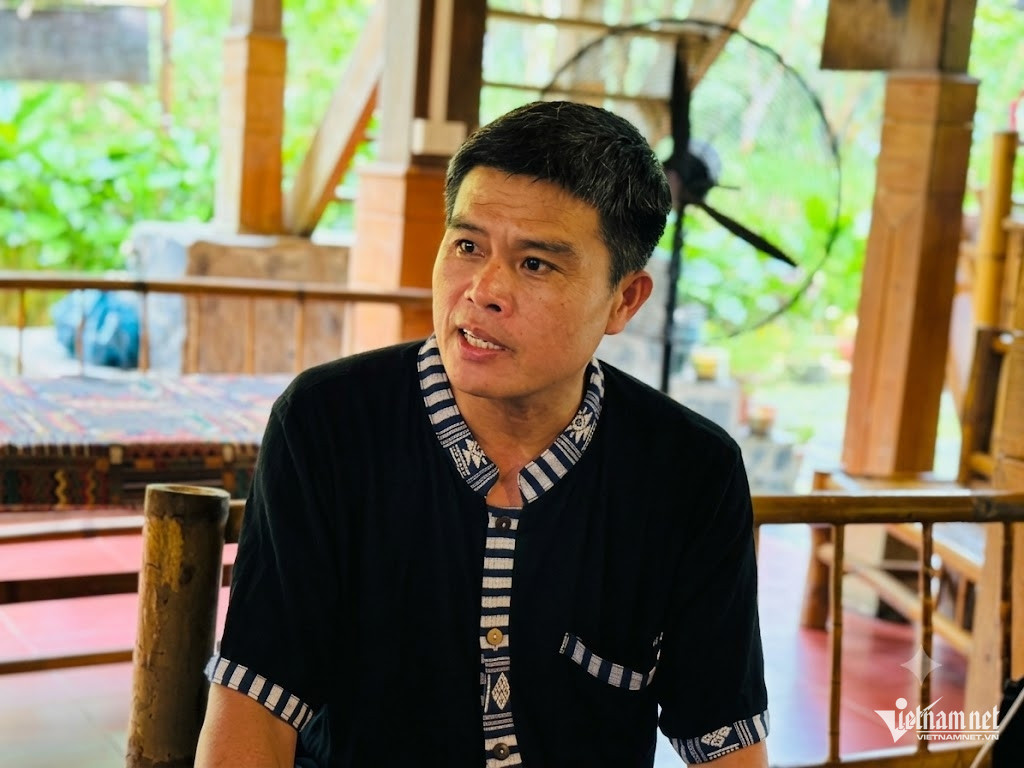
According to Nguy, tourists and commercial buyers purchase virtually everything the farmers produce, paying prices two to three times higher than those for conventionally grown products.
"People no longer have to worry about being unable to sell their crops or being forced to accept low prices," he said.
The change has been particularly striking for families who once struggled to find buyers beyond the village.
Instead of transporting their rice and other produce elsewhere in the hope of making a sale, farmers now receive orders from visitors and purchasing partners directly at their fields.
For dozens of households, the revived rice variety and other organic farm products have become a more dependable source of income.
When cultural heritage becomes a livelihood
The revival of te rau rice was only the beginning.
Building on its agricultural success, the Van Ho Agritage initiative began exploring another source of opportunity: the traditional culture, customs and forest knowledge of Buot's Thai community.
The aim was not simply to preserve these traditions as relics of the past, but to make them part of a distinctive community-based tourism experience.
A hillside once left barren by erosion has been replanted with more than 1,000 trees, creating layers of forest vegetation.
Traditional wooden stilt houses, built with three central rooms and two side wings, have been maintained in their original form, with firewood still stacked beneath the raised floors.
Visitors come to Buot for more than a peaceful mountain retreat. They are invited into the stories and everyday traditions that have shaped life here for generations.
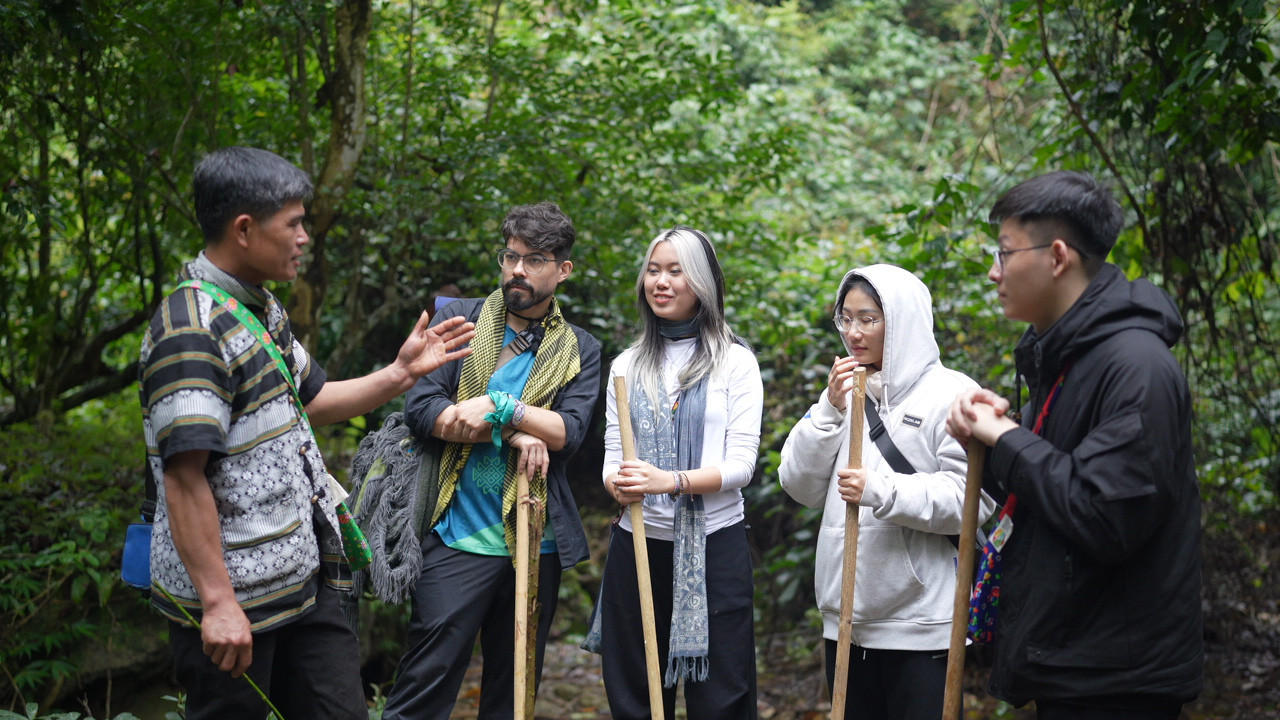
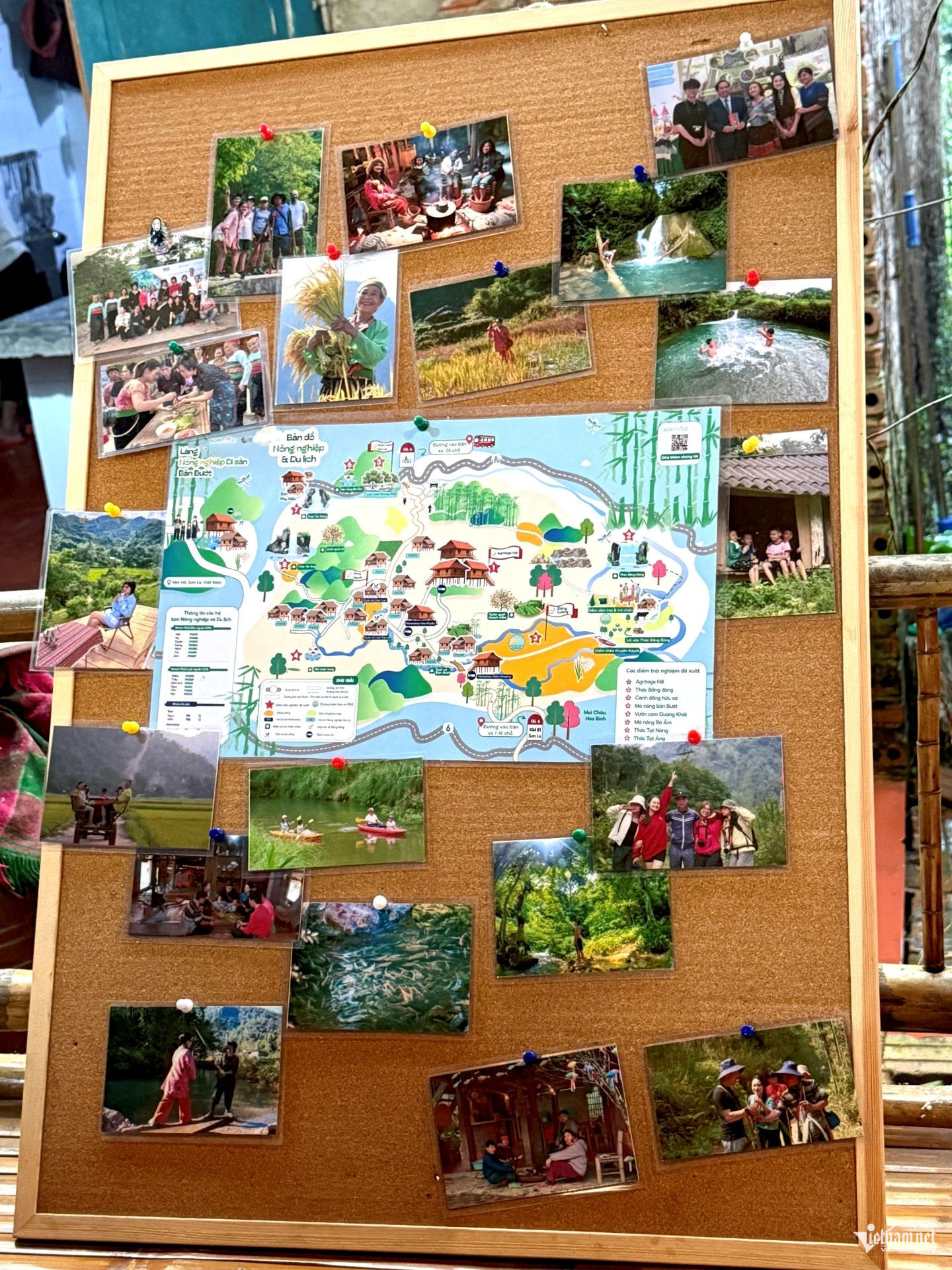
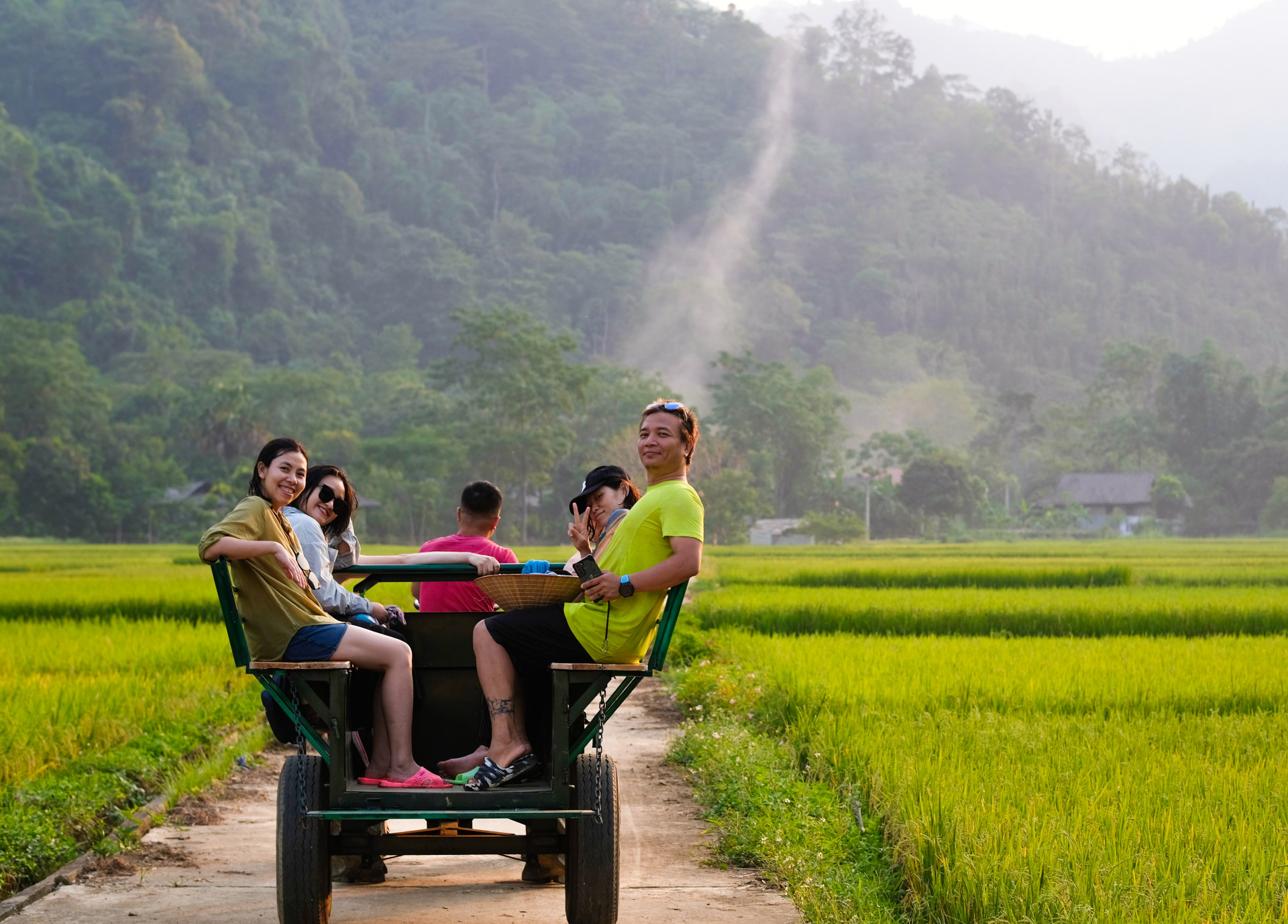
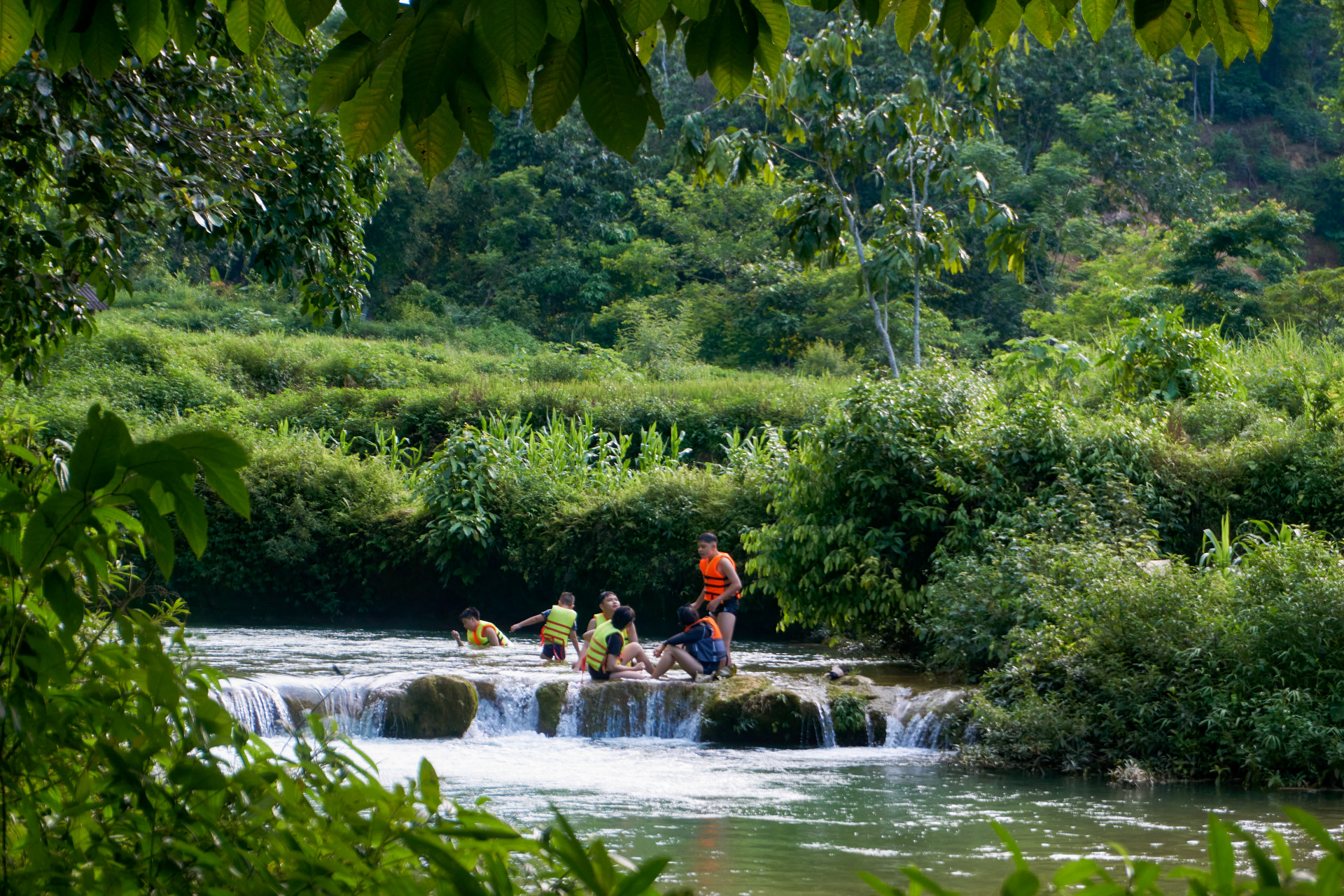
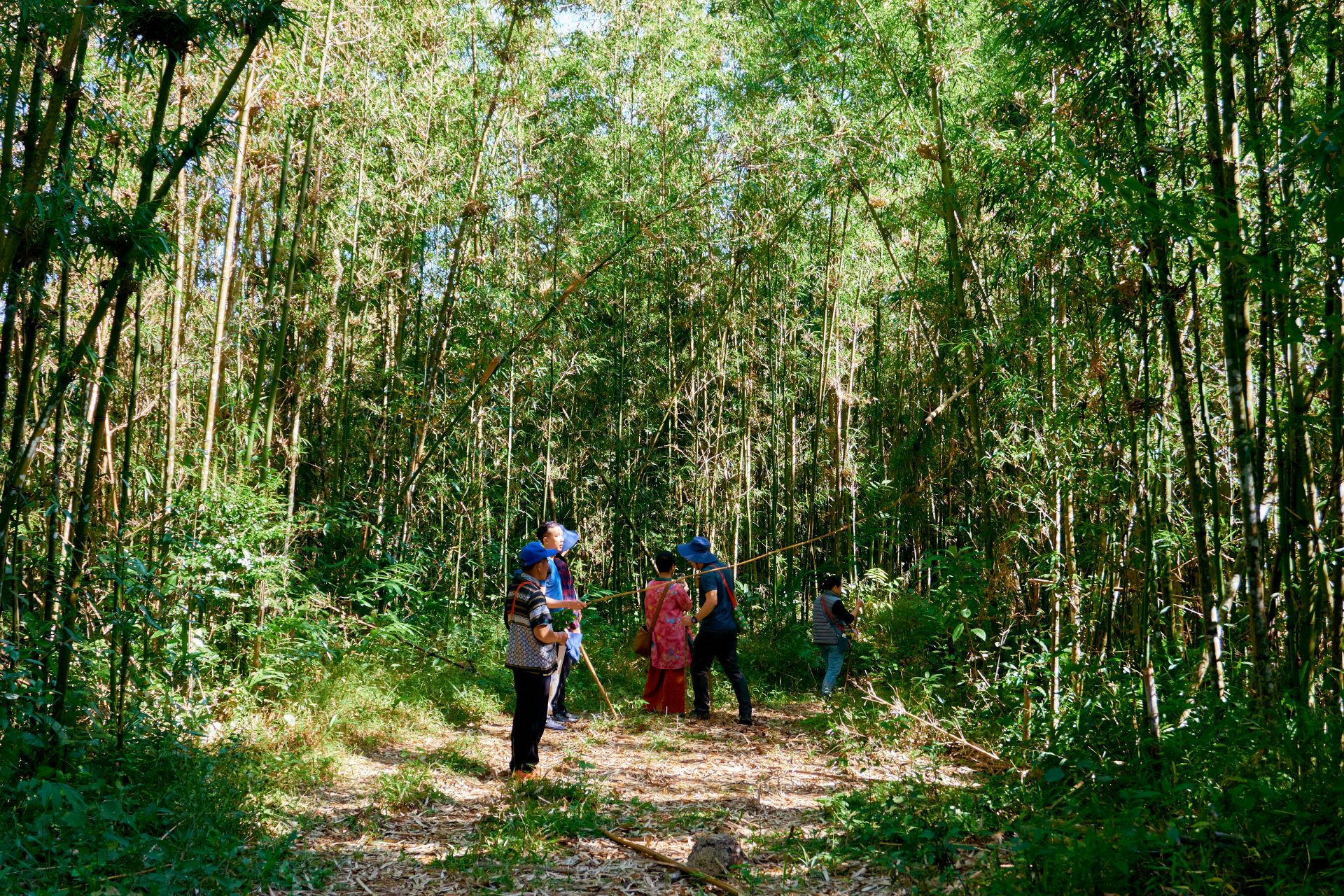
Local Thai guides lead treks through cool bamboo forests, share stories about a natural hot spring and point out pa mon and pa trat fish swimming in the streams.
Guests also learn the customs and taboos associated with entering a traditional Thai stilt house, practices that reflect the community's respect for its ancestors and domestic spaces.
Some of the most memorable encounters involve the knowledge villagers have inherited about the forest.
Visitors learn, for example, about a branch of sa nhan, a native aromatic plant, placed against a rock face to mark ownership of a wild beehive.
Known locally as a "mieu" mark, the sign is respected by other community members, who understand that the hive must not be disturbed or taken by anyone else.
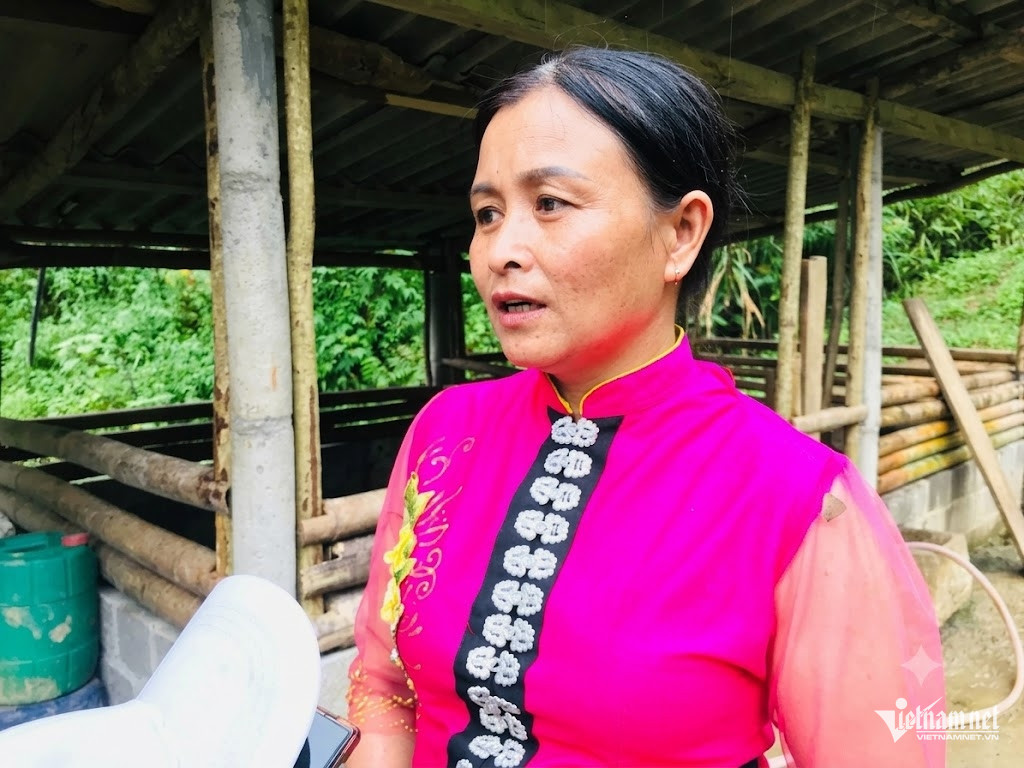
For Dang Thi Lan, born in 1982, community tourism has opened up an unexpected opportunity to share the traditions she has come to know and love.
A woman of Dao ethnicity who married into Buot village, Lan now works as a community tour guide and helps prepare traditional meals for visitors.
"Whenever I take tourists into the forest, I feel proud telling them about the 'mieu' marks or the medicinal plants whose uses have been passed down from our ancestors," she said.
Yet her most emotional memories come from preparing traditional meals served on leaves in the forest.
"When I see visitors enjoying the food and hear them say, 'Lan, your cooking is wonderful,' I sometimes cry with happiness," she said. "These simple dishes, made with ingredients and spices gathered around our homes, turn out to have such an extraordinary appeal."
For Lan, the experience has brought new recognition to knowledge and skills that once seemed ordinary.
Cooking, gathering forest plants and sharing local traditions have become valued contributions to the village economy.
The initiative's approach to community benefit-sharing is another important part of its long-term vision.
Each year, the Dong Rung Cooperative and Van Ho Agritage allocate 15% of profits from tourism and agricultural products to the village management board.
Residents collectively decide how the money should be reinvested in community facilities and services.
The funds have helped finance improvements worth thousands of dollars, including the concreting of nearly five kilometers of roads, renovation of the village cultural house and purchases of shared equipment.
The results are increasingly visible.
Buot, now administratively part of Hop Thanh village in Van Ho commune, has seen its poverty situation improve dramatically.
Where nearly half of its 58 households once lived in poverty, only four or five poor households remain.
Eleven families have invested as shareholders in local cooperatives and businesses, while dozens more participate in linked agricultural production.
For many residents, the changes mean more stable incomes, improved homes and the opportunity to build a future without leaving their community.
Vi Van Phuc, secretary of the local Party cell and head of Hop Thanh village, believes the new livelihood models have made a significant contribution to reducing poverty.
"Models such as the Dong Rung Cooperative and Van Ho Agritage have been extremely effective in helping reduce poverty in our community," he said. "Through their support, villagers have changed the way they think about production and learned how to increase the value of what they grow. As a local official, seeing people struggle less and enjoy better lives makes us genuinely happy."
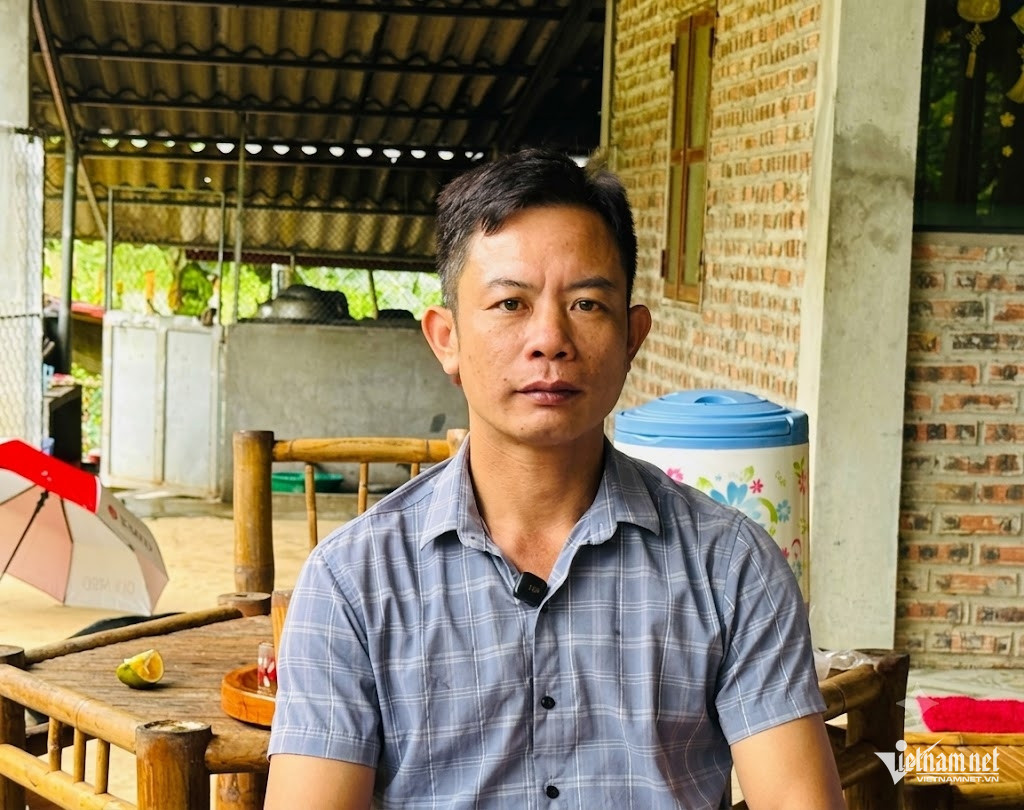
He hopes the cooperatives and businesses will continue working closely with the village management board to develop further solutions that improve people's livelihoods.
The experience in Buot has also given Huyen a broader platform for sharing lessons from community-based ecological agriculture.
As director of Van Ho Agritage, she represents businesses on the members' council of the Agroecology Learning Alliance in Southeast Asia (ALiSEA).
The network is coordinated by GRET, a French international non-governmental organization, with the Vietnam Rural Development Science Association serving as its implementing partner in Vietnam.
What began as a modest project in a village without electricity has grown into an example of how traditional farming, cultural heritage and community participation can reinforce one another.
For Huyen and the people of Buot, the journey has shown that rural development does not always require abandoning the past in pursuit of something new.
Sometimes, the most promising opportunities lie in the land, knowledge and traditions that communities have carried with them all along.
By restoring their value, the people of Buot are finding ways to make their land sustain them while keeping their cultural identity alive.
Binh Minh
.svg)
