 Vietnamnet.vn

 Podcast



In the quiet commune of Nam Phong, as the lunar year draws to a close, kumquat trees are the stars of the season - and this year, they're commanding some of the highest prices ever seen.
By the time November in the lunar calendar rolls around, fields in Vi Khe ward, Ninh Binh province are already bustling with visitors. These aren’t just curious tourists - they’re serious buyers, looking to secure the perfect kumquat tree to bring luck, prosperity, and vibrance into their homes for Tet, Vietnam’s biggest holiday.
For growers like Vu Cong Dung, the harvest is not about fruits for eating, but trees shaped into living sculptures of color and symbolism.
Dũng, who tends a plot of 900 trees, says about 300 are ready for sale this year. Prices range from 3 million to nearly 40 million VND per tree, depending on size, shape, and overall appeal.
“The most beautiful trees have strong, balanced branches, glossy leaves, and evenly ripened fruit,” he explains. “They give off this sense of vitality. You feel it as soon as you see them.”
It takes years to achieve that effect. A well-formed kumquat tree can take two to four years of careful cultivation. Some of Dũng’s largest specimens - nearly four meters tall and over two meters wide - have been shaped for nearly five years. Only five or six of these high-end trees are available this year, and many have already been reserved.
Normally, customers begin visiting and placing deposits in early November (lunar calendar). But this year, Dũng says buyers came weeks earlier, fearing limited supply after a season of unpredictable weather. Ironically, good weather spared the region from storms, making this one of the more successful years for growers - but demand still outpaced supply.
“Now I’m working around the clock,” Dũng says. “I’ve hired ten extra workers to help tie, shape, and polish the trees before delivery.”
For Dung and his peers, it’s a rush to the finish line that begins every morning at 6 a.m. and often stretches past midnight. Despite the pace, he says the joy of a good harvest and early payments makes it worthwhile.
“By the time Tet comes, the whole garden will be empty.”
Nearby, Vu Xuan Truong is also deep in preparation. With 200 lush trees ready for market, he’s carefully monitoring weather and soil conditions to keep the fruit round and vibrant until the last minute. Cold, dry days make the work harder, but precision is everything.
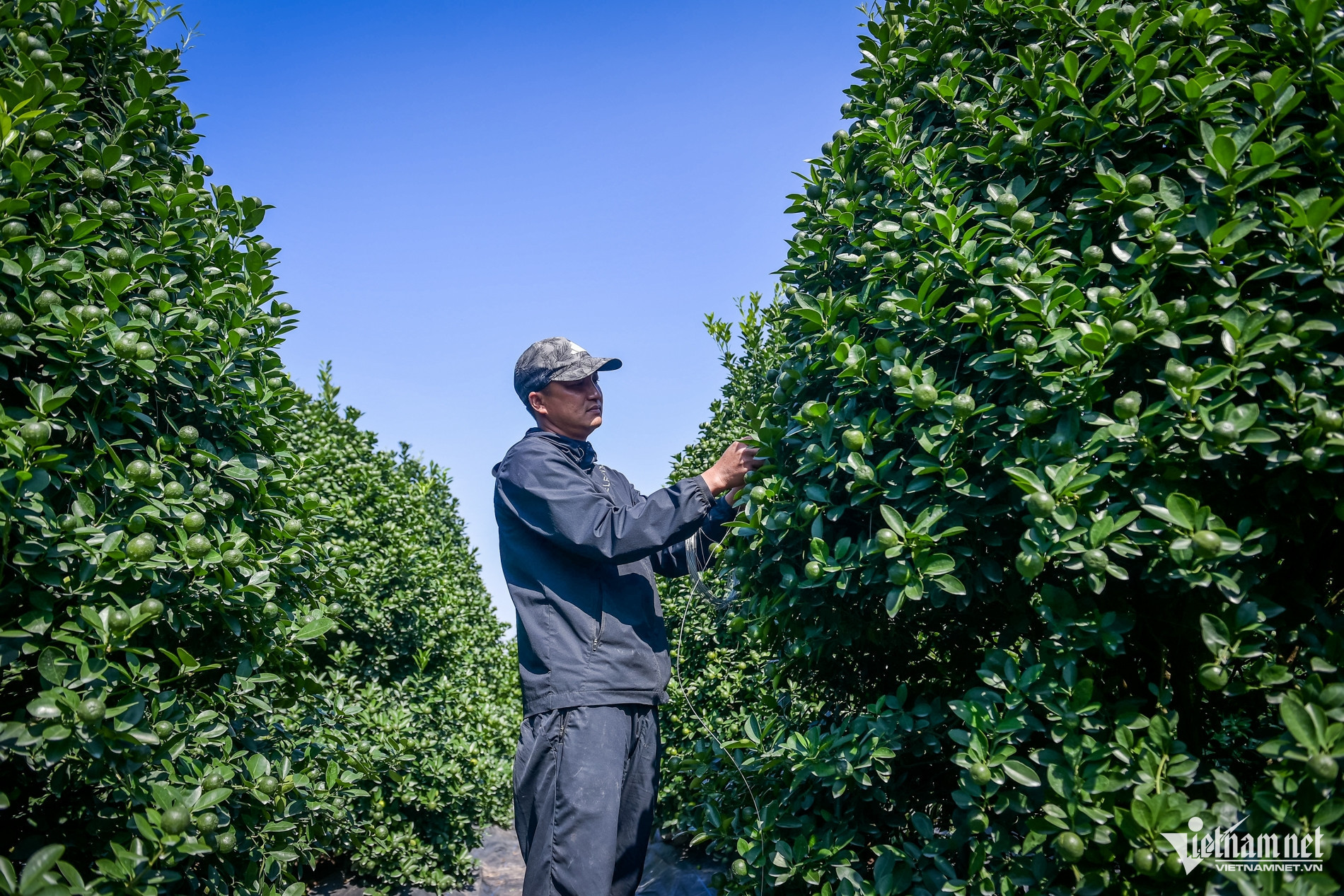
Growers must balance watering, fertilizing, and supplementing nutrients to ensure the tree is not only beautiful, but symbolically “healthy” - with fruit that ripens just in time for the New Year.
Every year, Truong surveys pricing trends in neighboring regions to stay competitive. This year, although the market is livelier, prices have remained stable.
His larger trees are expected to sell between 4 and 20 million VND apiece, and many have already been marked with customer tags and deposits.
“With so many buyers placing early orders, we feel more confident and hopeful for a good Tet,” Trường shares.
These are more than decorative trees. In Vietnamese tradition, kumquats represent wealth, fertility, and success. Each glowing fruit is a promise of fortune in the year ahead.
In Nam Phong, those promises are being shaped branch by branch - then carted away to living rooms and businesses across the country.
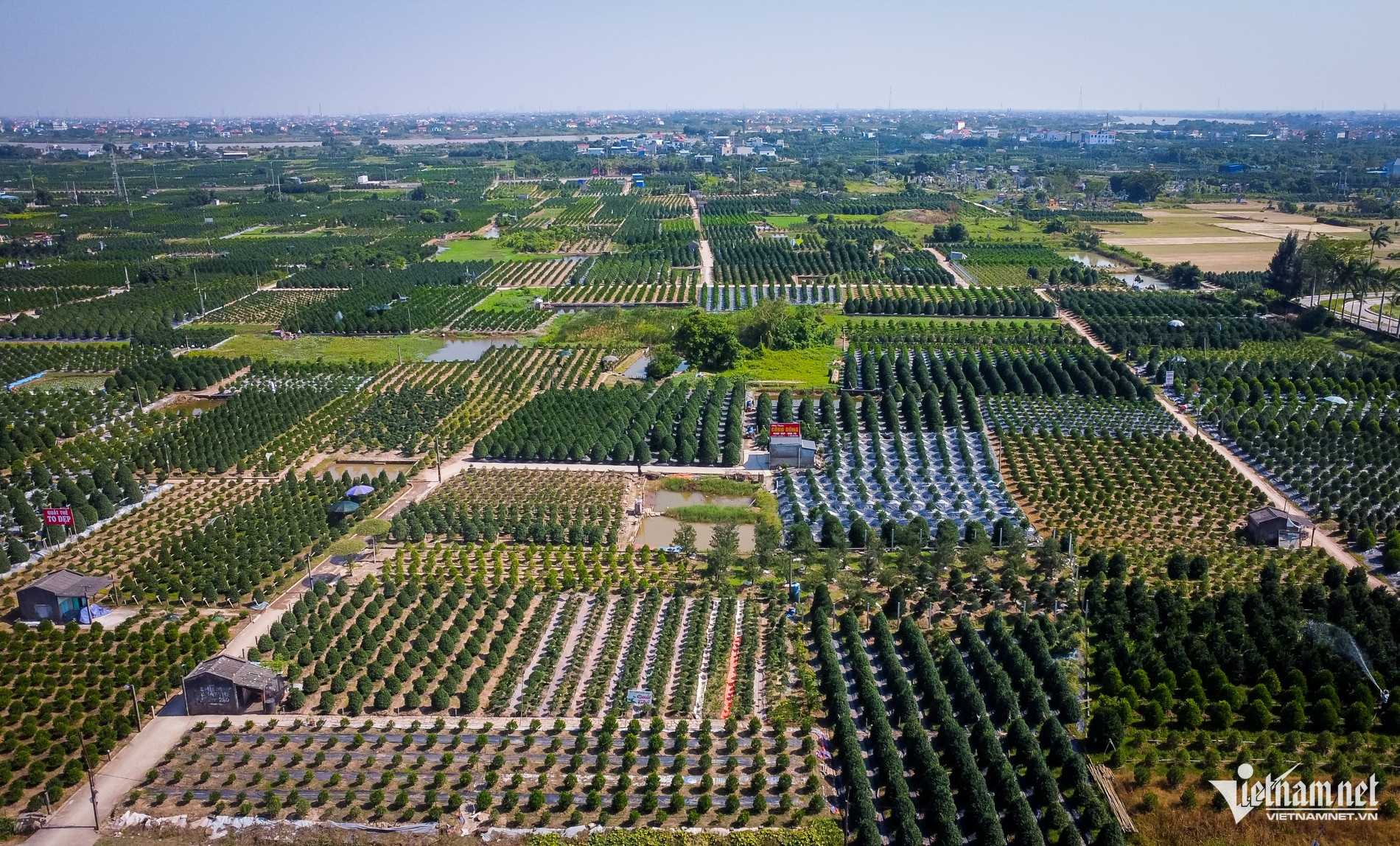
Kumquat growers in Nam Phong work from dawn till night to shape trees for the busy Tet market.
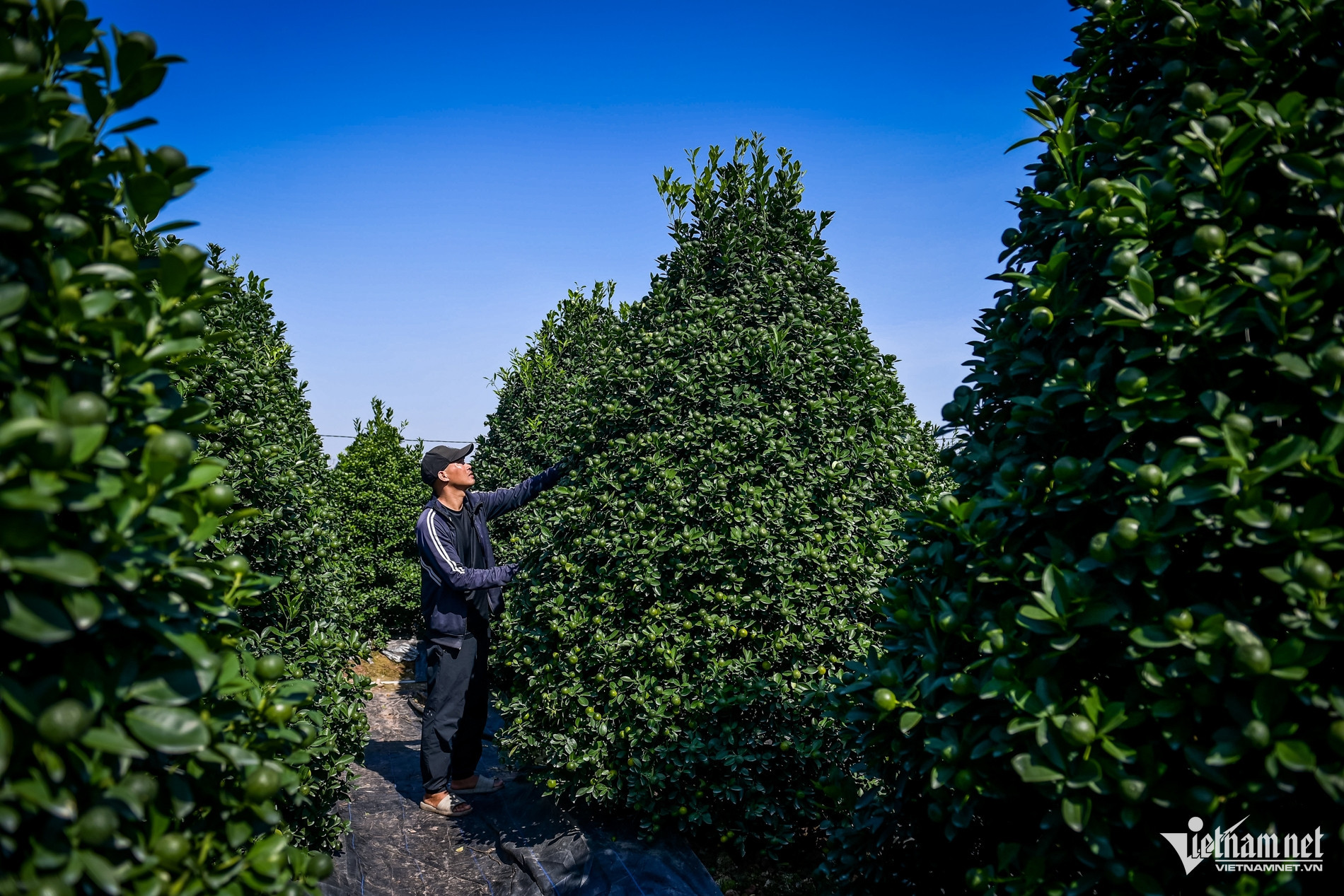
Each tree can take 2–5 years to cultivate and is shaped meticulously for balance and symbolism.
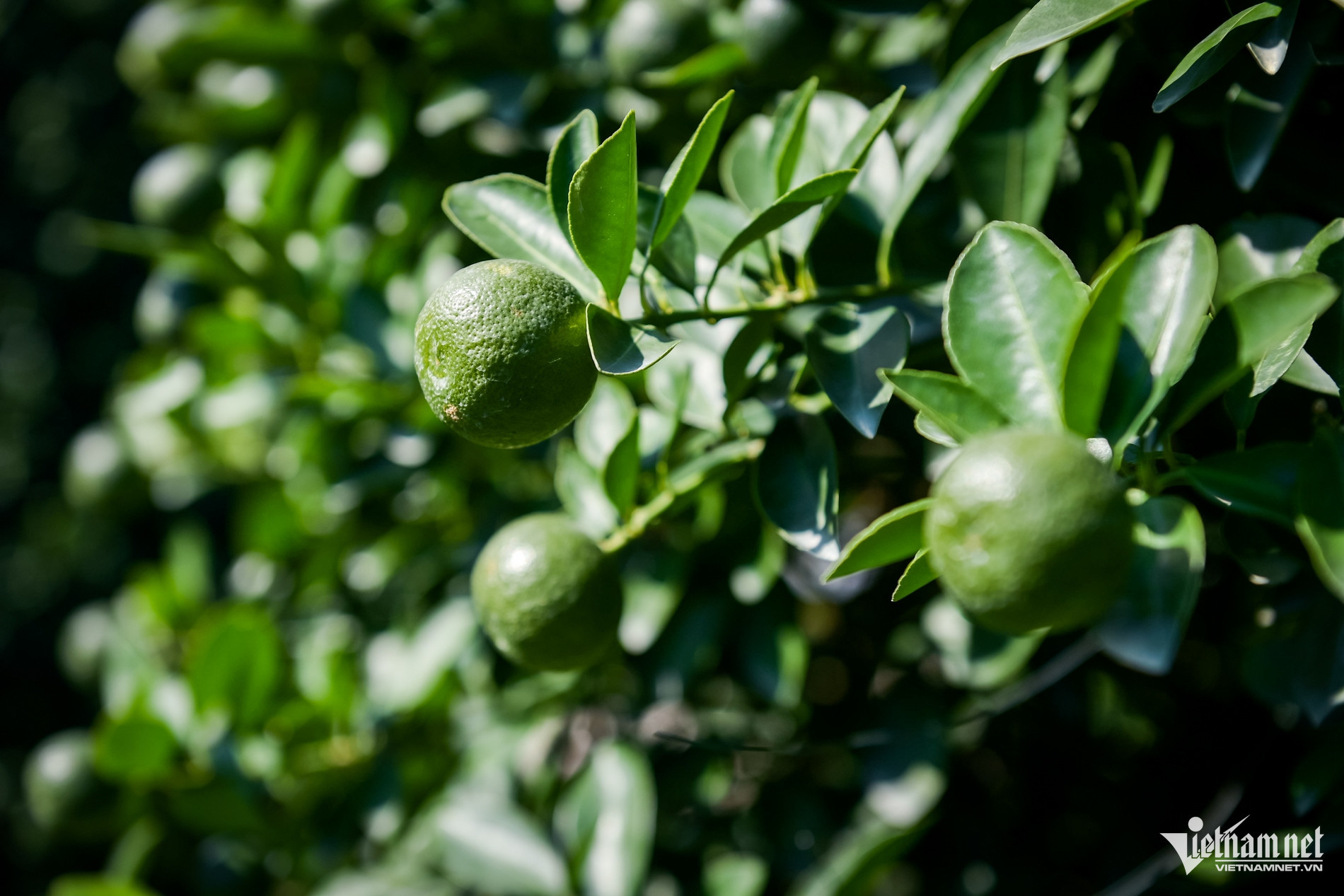
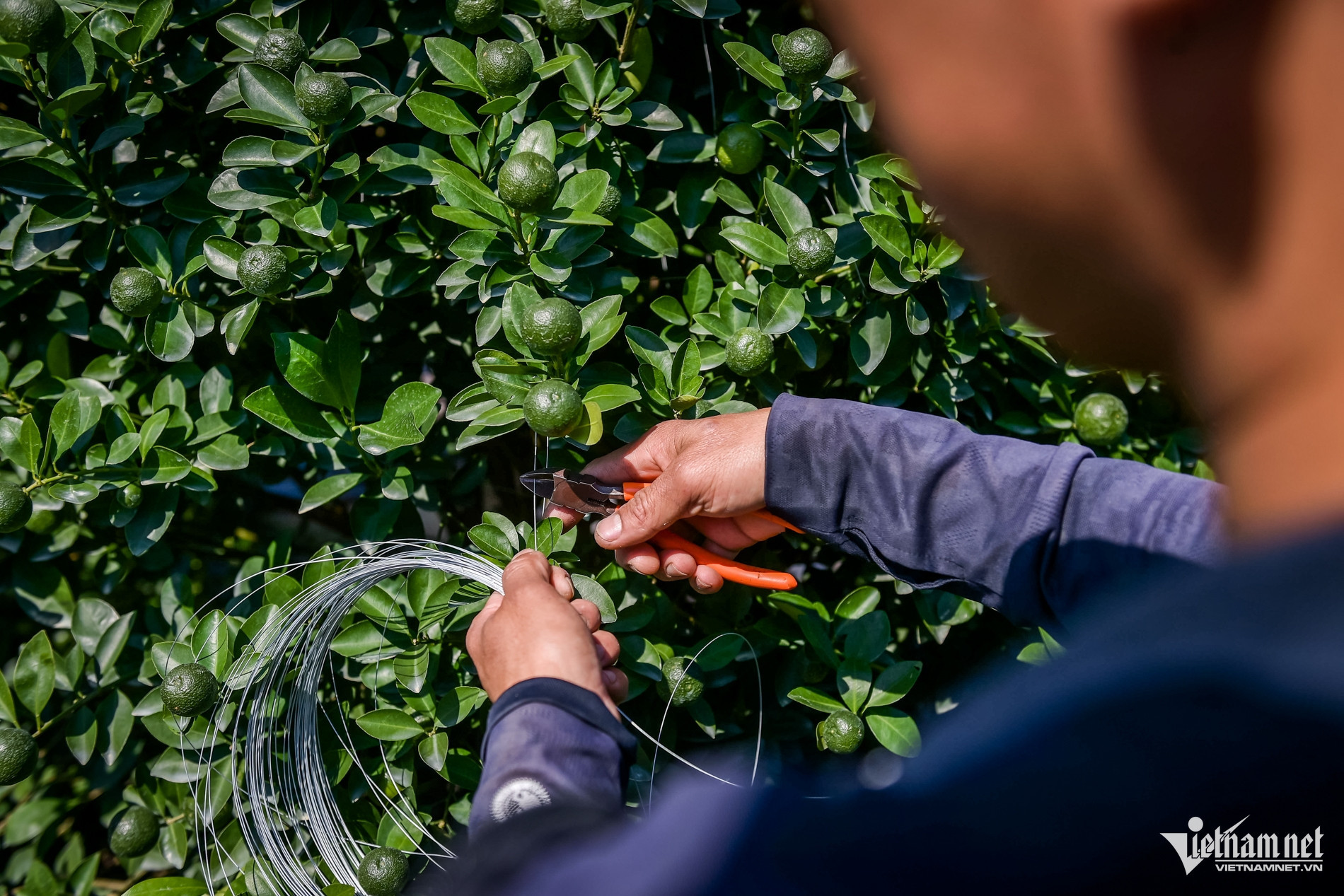
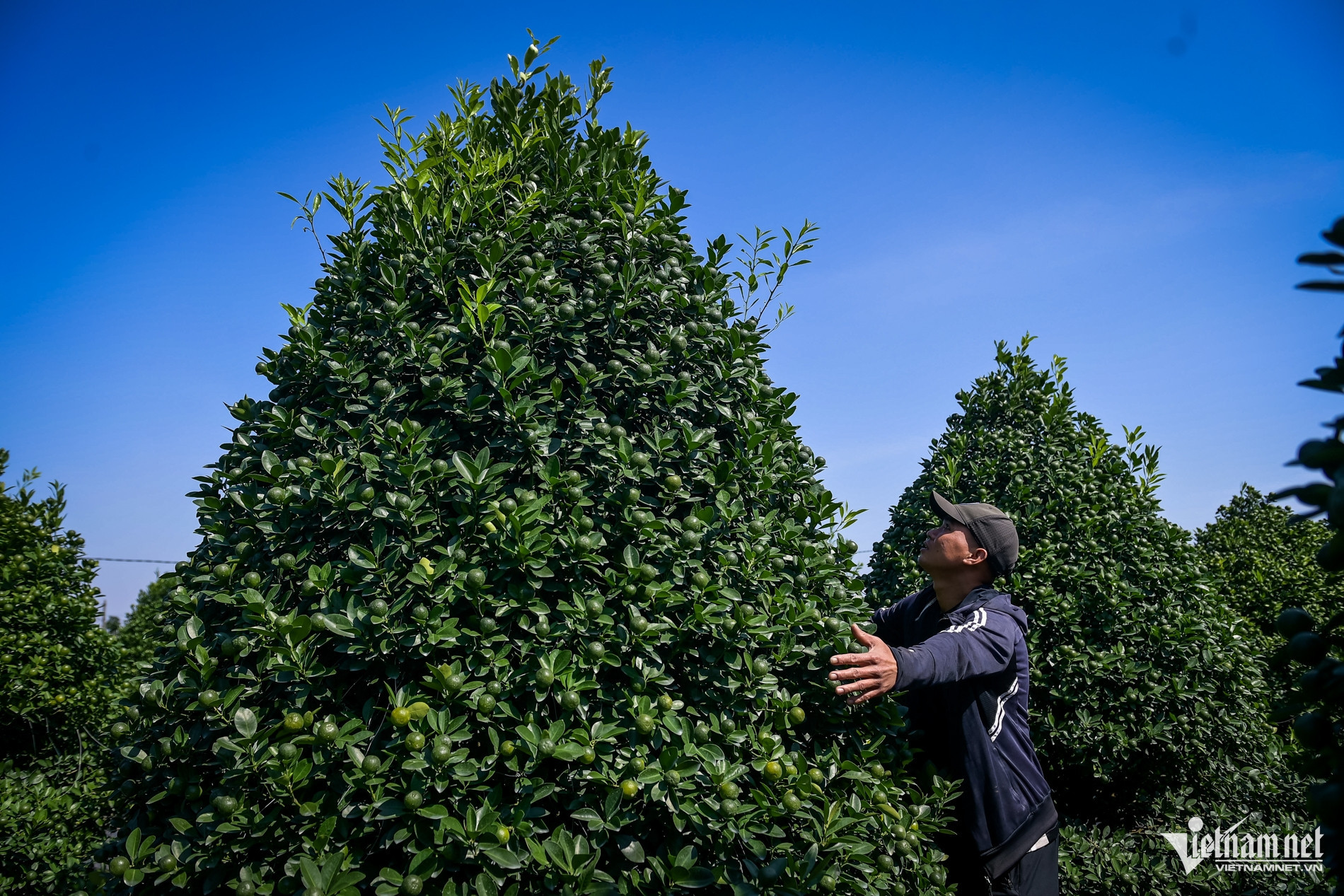
The most expensive trees stand up to four meters tall and can sell for nearly 40 million VND.
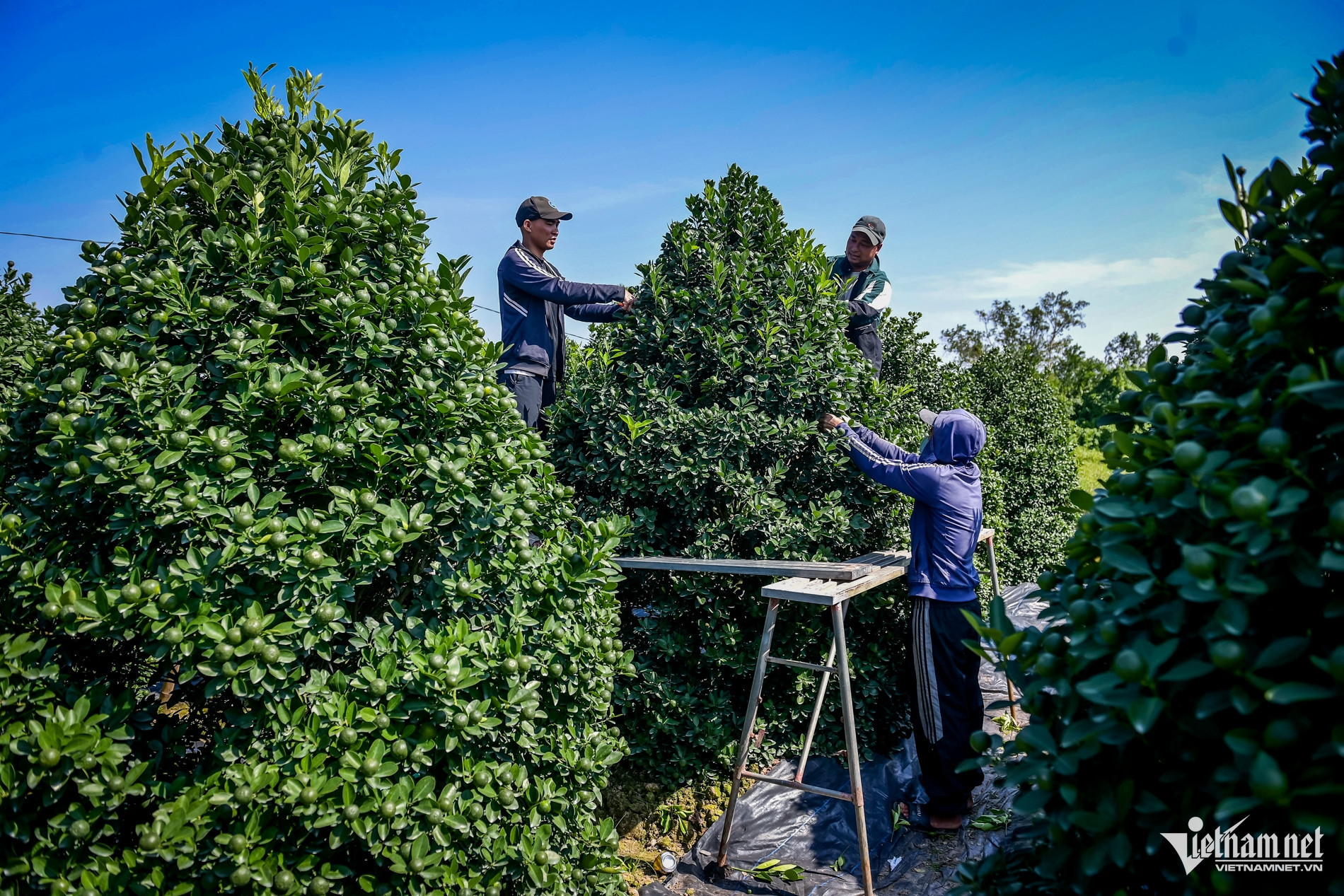
Growers like Dung and Truong must time fruiting, pruning, and ripening down to the week.
Trong Tung
.svg)
