 Vietnamnet.vn

 Podcast


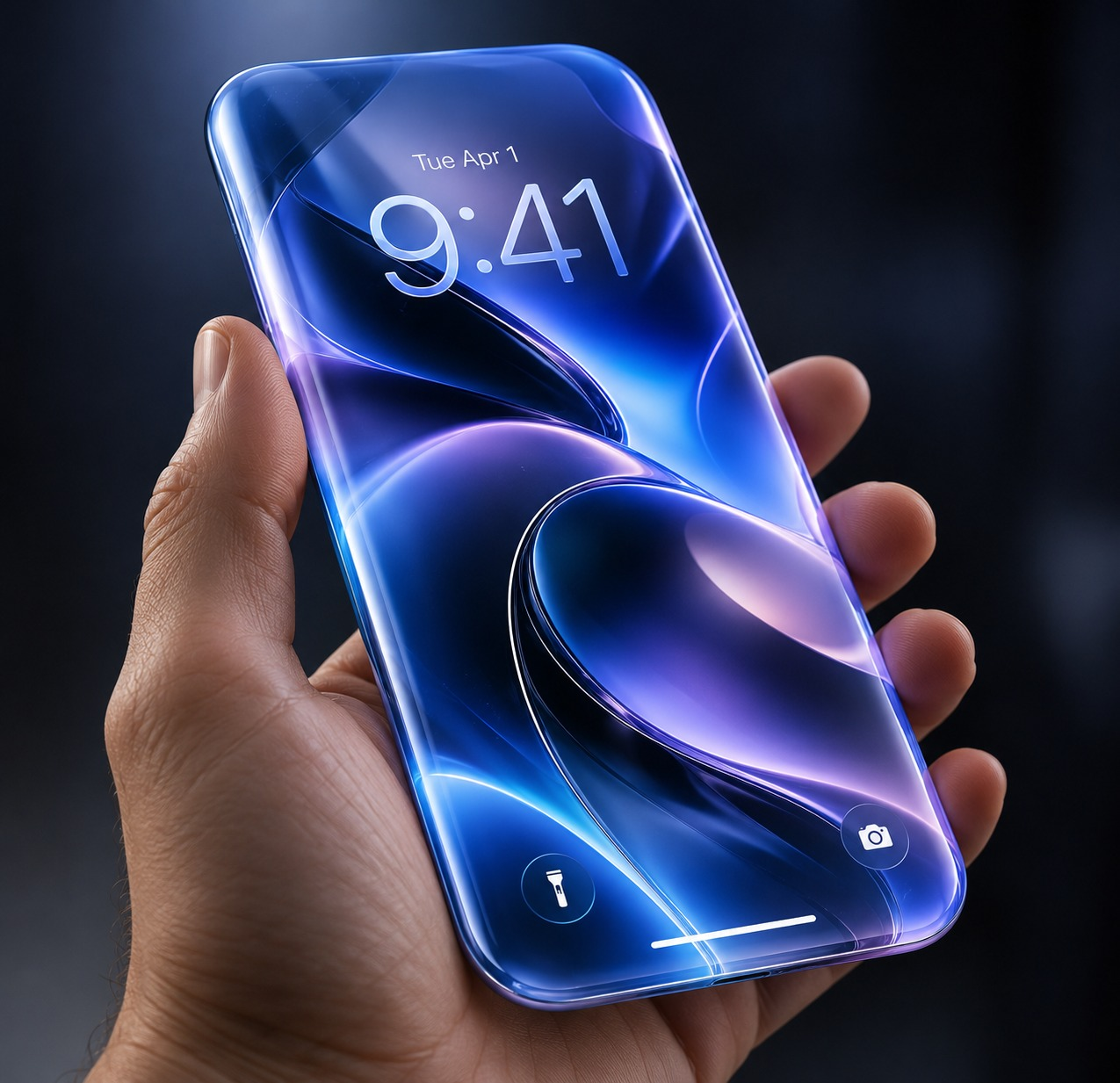
Apple's rumored iPhone 20 Pro was initially expected to mark one of the biggest design transformations in the iPhone's history. However, reported problems with the iPhone Duo and other recent products have raised questions about whether the company can deliver another ambitious redesign without compromising reliability.
The iPhone 20 Pro, widely discussed as a potential 20th-anniversary model, could introduce a radically different design. Yet recent leaks suggest that some of its most anticipated features may not materialize.
iPhone 20 Pro: Is Apple's anniversary flagship still worth the hype?
Speculation has suggested that Apple is considering skipping the iPhone 19 branding and moving directly to the iPhone 20 series.
Following the release schedule established for the iPhone 18 Pro and iPhone 18 Pro Max this year, Apple could introduce only the iPhone 20 Pro models around the same time next year.
Early rumors suggested that the anniversary iPhone would feature an all-glass design to commemorate 20 years since the original iPhone's introduction.
The device was expected to represent one of the most significant redesigns in the history of Apple's flagship smartphone.
Its most striking feature would be the display.
According to early design concepts, the screen would have no visible cutouts for the front-facing camera and virtually no surrounding bezels. Some reports even suggested that the entire rear panel would also be made of glass.
The display was envisioned as curving gently around all four edges, blending seamlessly into the frame without distorting the content shown on the screen.
Such a design could eliminate visible borders entirely, creating the impression of a smartphone consisting almost exclusively of one enormous glass display.
Even more appealing than the bezel-free design was the possibility of removing the Dynamic Island or punch-hole camera cutout.
This would represent a major step toward creating a genuinely distinctive iPhone after years of relatively familiar designs.
However, those expectations may not become reality.
Recent leaks suggest that both the iPhone 20 Pro and iPhone 20 Pro Max could retain a visible cutout for the front-facing camera.
It remains unclear whether Apple would adopt a smaller Dynamic Island similar to that reportedly used on the iPhone 18 Pro or switch to a conventional punch-hole design.
If these reports prove accurate, one of the most anticipated features of the anniversary iPhone could disappear before the device is even announced.
Recent product problems raise questions about Apple's reliability
The concern extends beyond Apple's possible decision to abandon a completely uninterrupted display.
Recent difficulties involving first-generation devices and major product redesigns have also prompted questions about the company's ability to execute ambitious technological changes.
Apple Vision Pro is one example cited in these discussions.
The mixed-reality headset reportedly failed to achieve expected sales volumes, while its development and commercial future have faced uncertainty.
Meanwhile, MacBook Pro models featuring PROLED displays have reportedly encountered usability problems affecting some customers.
Even the redesigned iPhone 17 Pro experienced several issues, although these were subsequently addressed.
The most prominent recent example, however, is the iPhone Duo, Apple's long-awaited foldable smartphone.
According to reports, development of the device was accelerated, while quality-control requirements were allegedly relaxed to meet inventory targets.
Those decisions have been linked in reports to problems affecting some iPhone Duo units, including serious display damage.
Images shared by users have shown screens with cracks and visible lines, raising concerns about the durability of the foldable design.
Although the extent and causes of these reported defects remain unclear, the incidents have intensified scrutiny of Apple's quality-control procedures, particularly for products incorporating entirely new designs.
For consumers considering the iPhone 20 Pro, these concerns raise an important question: Can Apple introduce a radically redesigned smartphone without repeating the problems associated with earlier products?
All-glass design could create overheating and durability challenges
If Apple proceeds with an all-glass iPhone 20 Pro, the company could face several substantial engineering challenges.
One of the most significant involves thermal management.
Glass generally conducts heat less efficiently than metals commonly used in smartphone construction.
If much of the device's exterior is covered in glass, dissipating heat generated by its processor and other components could become more difficult.
Without an effective cooling system, the iPhone 20 Pro could face thermal throttling, in which the device automatically reduces performance to prevent overheating.
Users might experience higher surface temperatures, slower operation or reduced processor speeds during demanding activities such as gaming, video recording and intensive multitasking.
A bezel-free display would present another challenge.
Even if Apple successfully removes visible screen borders, engineers would still need to prevent accidental touches along the edges.
Distinguishing intentional gestures from unintended contact when users hold the device could prove difficult, particularly if the display curves around all four sides.
Durability would also be a major consideration.
The aluminum frames used on the iPhone 17 Pro and iPhone 18 Pro have reportedly attracted complaints about scratches and dents following relatively minor impacts.
An all-glass iPhone 20 Pro could introduce additional risks of cracking or shattering when dropped.
Apple would therefore need to balance the visual appeal of an innovative design against the practical requirements of everyday smartphone use.
A visually striking anniversary model would offer limited value if its design significantly compromised durability, thermal performance or usability.
Should consumers wait before buying the iPhone 20 Pro?
The reported problems surrounding the iPhone Duo highlight the potential risks associated with first-generation products, especially those introducing major changes in hardware design and technology.
Although the iPhone 20 Pro remains an unannounced device and its final specifications are unknown, expectations for the anniversary model are already being reassessed.
Its success may depend not only on whether Apple delivers a revolutionary appearance but also on whether the company can ensure reliable performance, effective cooling and long-term durability.
For prospective buyers, a cautious approach may be warranted.
Rather than purchasing the iPhone 20 Pro immediately after launch, consumers may benefit from waiting for independent reviews, durability tests and reports from early users.
After the concerns surrounding the iPhone Duo, Apple's next major redesign may need to demonstrate that technological ambition can coexist with the reliability consumers expect from a premium smartphone.
Hai Phong

