 Vietnamnet.vn

 Podcast



On February 13, U.S. President Donald Trump signed an executive order imposing retaliatory import tariffs on foreign countries.
Under the directive, the United States would match the import tax levels other nations impose on American goods.
By the early hours of April 3 (Vietnam time), President Trump officially announced the new tariff policy, applying countervailing duties to all countries worldwide.
For Vietnam, this meant a sudden 46% tariff on all goods exported to the U.S. - a serious blow, given Vietnam’s $104.4 billion trade surplus with the U.S. in 2024.
The Ministry of Finance warned that the 46% tariff would severely impact key Vietnamese export sectors, including electronics, textiles, agriculture, and footwear.
Enterprises were thrown into crisis mode, scrambling to renegotiate contracts and adjust business plans to stay afloat.
On April 3, Minister of Industry and Trade Nguyen Hong Dien sent an official diplomatic note to the U.S., urging a delay in tariff enforcement to allow time for negotiations.
Previously, Vietnam had worked to address many concerns of U.S. businesses operating locally, including tax reductions for 13 key American product categories and support for multiple U.S.-backed investment projects.
Businesses brace for impact, then breathe a sigh of relief
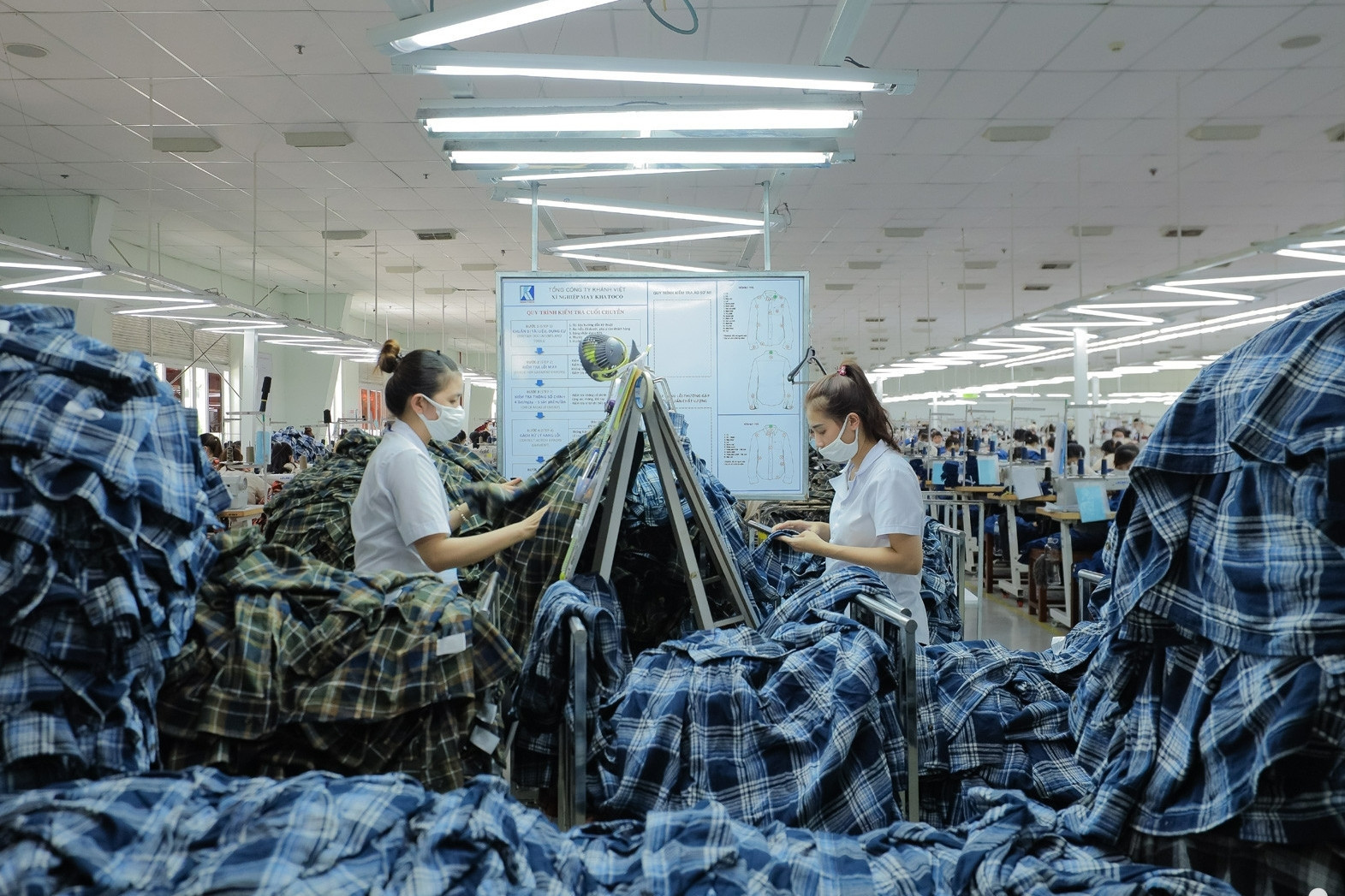
The Ministry of Industry and Trade advised companies to diversify into key traditional markets and explore new niche opportunities to reduce reliance on U.S. demand.
On the evening of April 4, General Secretary To Lam held a phone call with President Donald Trump to discuss bilateral trade ties.
General Secretary To Lam expressed Vietnam’s willingness to bring U.S. import tariffs down to zero and urged the U.S. to reciprocate.
He also encouraged further U.S. investment in Vietnam and highlighted the importance of facilitating trade flow in both directions.
Both leaders agreed to pursue a bilateral agreement to formalize these goals.
During an emergency government meeting on April 5, Prime Minister Pham Minh Chinh instructed ministries to step up diplomatic efforts and hold broad discussions with U.S. stakeholders.
He called for increased imports of U.S. goods to rebalance trade, alongside a review of Vietnam’s tariff structure on U.S. imports.
Pause in tariffs sparks hope for resolution
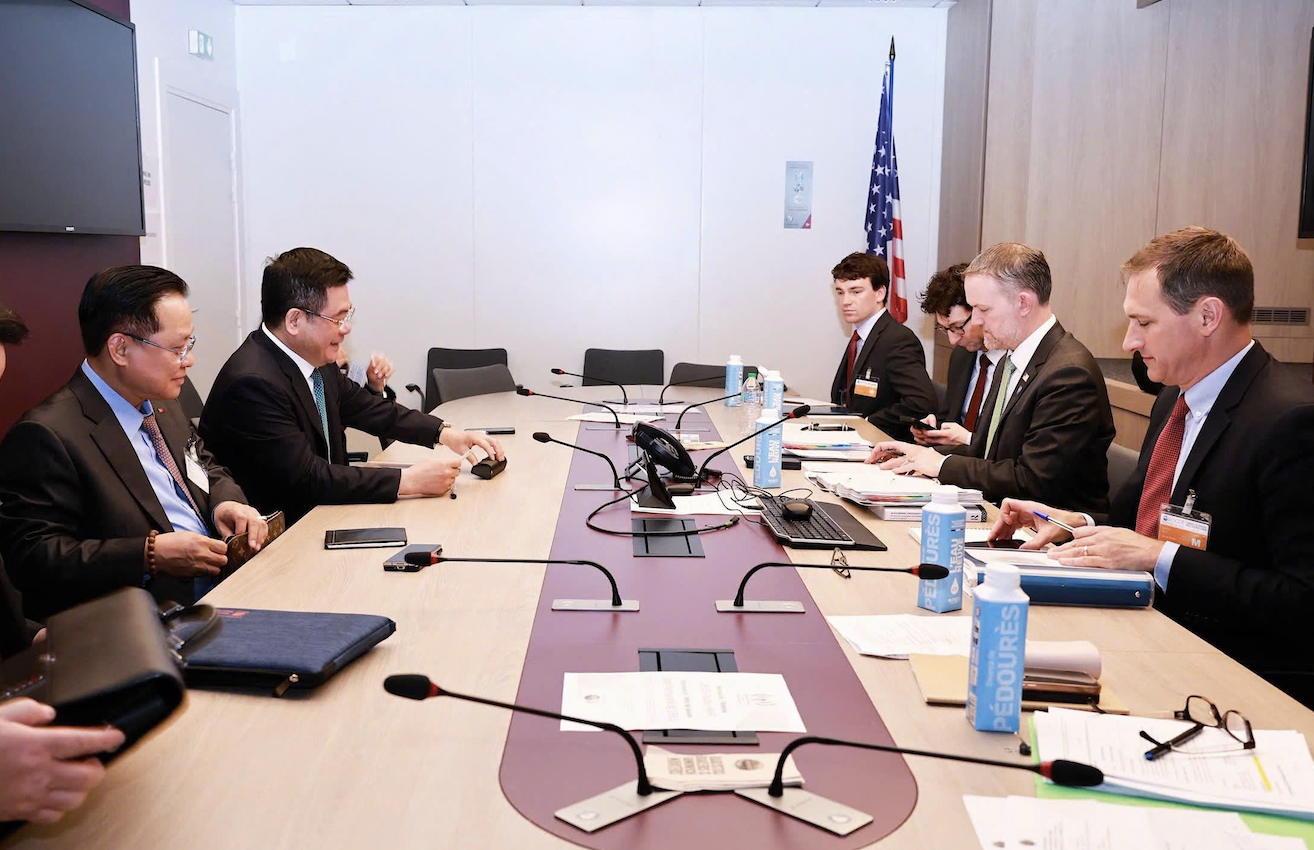
On April 9, President Trump unexpectedly announced a 90-day postponement of the retaliatory tariff hike for more than 75 countries, including Vietnam.
During the temporary delay, affected countries would only face a basic 10% tariff rate.
This three-month pause was hailed as a "golden window" for Vietnam to prepare, negotiate, and build strategic defenses against long-term risk.
On April 23, Minister Nguyen Hong Dien launched official talks with U.S. Trade Representative Jamieson L. Greer, marking the start of bilateral negotiations on the reciprocal trade agreement.
Technical and ministerial-level rounds of negotiations soon followed.
Toward a fair, balanced trade pact
The talks covered a wide range of issues: tariff frameworks, rules of origin, customs procedures, agriculture, non-tariff barriers, digital trade, services, investment, intellectual property, sustainable development, and supply chain resilience.
Multiple bilateral agreements were signed between Vietnamese and U.S. enterprises, showcasing a shared commitment to rebalancing trade.
On July 2, General Secretary To Lam again spoke with President Trump to review progress.
Both leaders praised the joint negotiation teams for reaching a draft of the Vietnam–U.S. Joint Statement on the Framework for a Reciprocal, Fair, and Balanced Trade Agreement.
President Trump affirmed the U.S. would significantly cut tariffs on many Vietnamese exports and would work with Vietnam to resolve remaining issues affecting trade.
By August 1 (Vietnam time), the White House published a new executive order adjusting tariffs for 69 countries and territories.
Vietnam’s tariff was officially lowered from 46% to 20%.
A turning point for bilateral trade
After months of diplomacy, Vietnam and the U.S. officially released their Joint Statement on the Framework for a Reciprocal, Fair, and Balanced Trade Agreement on October 26.
The agreement outlined a commitment by the U.S. to maintain a 20% reciprocal tariff as per Executive Order No. 14257 dated April 2, 2025 (as amended).
It also provided for a possible 0% reciprocal tariff on products listed in Appendix III of Executive Order No. 14356, titled Adjustments to Potential Tariffs for Aligned Trade Partners.
Technical negotiations on the final agreement continue, and a number of Vietnamese exports are expected to qualify for the 0% rate.
Remarkably, despite a year of volatility, Vietnam's exports to the U.S. reached $126 billion in the first 10 months of 2025 - surpassing the total for all of 2024 and setting a new record.
The U.S. remains one of Vietnam’s most important export destinations.
Tam An
.svg)
