 Vietnamnet.vn

 Podcast



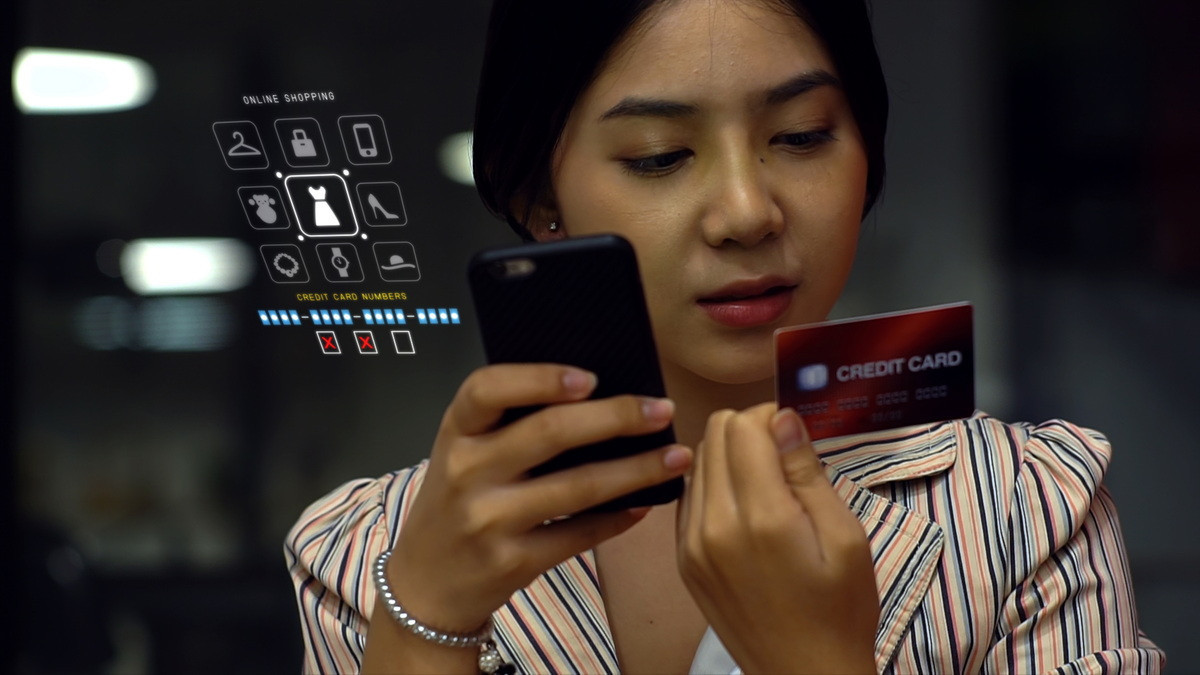
The concern is growing as cybercriminals exploit artificial intelligence to craft scenarios that strike directly at people’s emotions.
As year-end sales surge and online orders multiply, scammers take advantage of the common habit of accepting deliveries when the recipient is away from home and the tendency to overlook small payment requests.
According to Ngo Tran Vu, Director of NTS Security, the final months of the year are always the “peak season” for tech scams.
He noted that users tend to be busy, hurried and distracted by shopping and payments, making them more vulnerable.
More worrying, he said, is that cybercriminals now possess vast amounts of stolen personal data and use AI to weave multiple scenarios into a “matrix” of scams that significantly raises the success rate.
Fake shipper schemes have become one of the most common tactics, preying on widespread online shopping during Tet.
People of all ages now shop online, and scam groups exploit the familiar situation of delivery drivers arriving when recipients are not home.
The typical script begins with a phone call filled with convincing background noise, such as traffic or motorbike engines.
A “fake shipper” claims to have a parcel but says the recipient is not home, offering to leave the package with a guard or at the front door.
They then request a small transfer - usually 30,000 to 50,000 VND - for the delivery fee.
This small amount often lowers people’s guard, prompting the mindset of “It’s just a few thousand, I’ll transfer it quickly to get the package.”
Vu explained that scammers now escalate the scheme once the victim sends the initial payment.
The fake shipper then claims there was a transfer error and sends a QR code via Zalo or a link urging the victim to “fix the payment quickly.”
In reality, the link leads to a malicious website, and if the victim enters their OTP in a moment of distraction, they risk losing not just a few thousand đồng but hundreds of millions of đồng from their bank account.
Beyond fake shipper tricks, scammers also prey on the fear of “bad luck” and disruption during Tet.
If the shipper scam targets carelessness, the fake invoice scam targets the deeper anxiety many people carry near year-end - the desire to settle all debts before the new year.
With the belief that “starting the year with debt invites misfortune,” many feel compelled to pay every bill before Tet.
Cybercriminals take advantage of this psychology by sending fake brand-name messages appearing to come from telecom providers or electricity companies, often threatening service cuts or even travel bans over unpaid taxes.
Messages such as “Your electricity bill for January is overdue; power will be cut within two hours if payment is not received” or “The Tax Department reports unpaid taxes for the end of 2025; pay immediately to avoid a Tet travel ban” can send recipients into a panic.
In their worry and haste, many click the unfamiliar link and attempt to pay just to “avoid trouble.”
The rise of AI and deepfake technology has made this wave of Tet scams even more frightening.
Scam groups now use AI tools to write emails, messages and documents that look identical to those issued by agencies, companies or banks.
Deepfake technology allows fraudsters to mimic the faces and voices of loved ones in video calls.
They collect publicly posted photos and use AI to reconstruct a near-perfect likeness - “extremely difficult for non-experts to distinguish,” Vu warned.
Voice cloning technology intensifies the threat by enabling scammers to reproduce someone’s speech patterns with only a few seconds of audio.
AI can then “speak” any script in that person’s voice.
For years, many older adults relied on one golden rule to avoid scams: “Call and see their face.”
But, as Vu points out, this method no longer guarantees safety.
He said that near Tet, people may receive video calls claiming an urgent need for money - for stranded shipments, plane tickets home or sudden emergencies - followed by pressure to transfer funds to a strange account.
In these cases, he warned, the target may already be in the crosshairs of a deepfake operation.
Vu shared a set of practical guidelines he personally uses, known as the “3 Nos – 2 Musts,” combining emotional control with active verification.
The first rule, “Don’t rush,” is the most important.
Scammers rely on urgency - claims of lost deals, imminent power cuts or expiring discounts - to keep victims from thinking clearly.
No matter how urgent the situation appears, he said, people must pause to verify.
The second rule, “Don’t click strange links,” warns users never to click URLs sent via SMS, Zalo or email from unfamiliar sources, especially links with unusual domain endings.
People should never enter banking passwords or OTP codes on any site someone else sends.
The third rule, “Don’t transfer money unless absolutely certain,” is essential.
If a delivery arrives while no one is home, recipients should request a later delivery or ask a family member to receive it and inspect the goods in person.
They should never transfer money before confirming the order directly through the official shopping app.
The fourth rule, “Must verify,” applies to any unexpected video call from a loved one requesting money.
The safest step is to hang up and immediately call back using the person’s normal phone number.
Families, he said, should even establish a “family password” - a private question only real relatives can answer.
If the caller hesitates or fails, the deepfake is exposed.
The fifth rule, “Must report,” stresses that victims or near-victims should immediately contact their bank to freeze accounts and notify the police.
Equally important is sharing the experience with neighbors and relatives, since the victim’s data may already be compromised or their account hacked.
“Digital fraud now blends psychological manipulation with both direct and indirect contact, reaching levels of sophistication we have never seen,” Vu said.
He urged people to equip themselves with knowledge, information and calmness so they can welcome Tet with safety and peace of mind.
Thai Khang
.svg)
