 Vietnamnet.vn

 Podcast



In 2025, smartphones didn’t see jaw-dropping hardware breakthroughs. But that didn’t mean the mobile world stood still.
On the contrary, this year marked a quiet yet significant shift: smartphones evolved into real productivity tools - far beyond their role as just cameras or gaming machines.
For years, smartphones were marketed as mobile assistants, ideal for tackling work or personal tasks while waiting in line, commuting, or sipping coffee. But in reality, productivity features often took a backseat to camera specs or gaming performance.
That changed dramatically in 2025.
This year, productivity features took center stage in smartphone launches - and for good reason.
Part of this shift is thanks to maturing hardware. Faster, more power-efficient chips now let users switch between apps smoothly and handle complex tasks with ease.
Longer-lasting batteries and smarter power management also mean users can work confidently throughout the day, without choosing between “do it now” or “wait until I can charge.”
Larger screens also boost productivity. While not everyone loves big phones, it’s undeniable that more screen real estate helps with multitasking. A simple upgrade from a 6.1-inch to a 6.3-inch display, as seen on the iPhone 17, makes a noticeable difference in work comfort and efficiency.
But the real game-changer in 2025 is software - especially AI tools designed for productivity.
With iOS 26, Apple drew attention with its sleek Liquid Glass interface. But beneath the surface were meaningful, targeted upgrades.
The Reminders app now allows users to flag urgent tasks and set alarms for deadlines.
Apple Intelligence can detect to-do items buried in emails, notes, or webpages and suggest a complete checklist for the user - automatically.
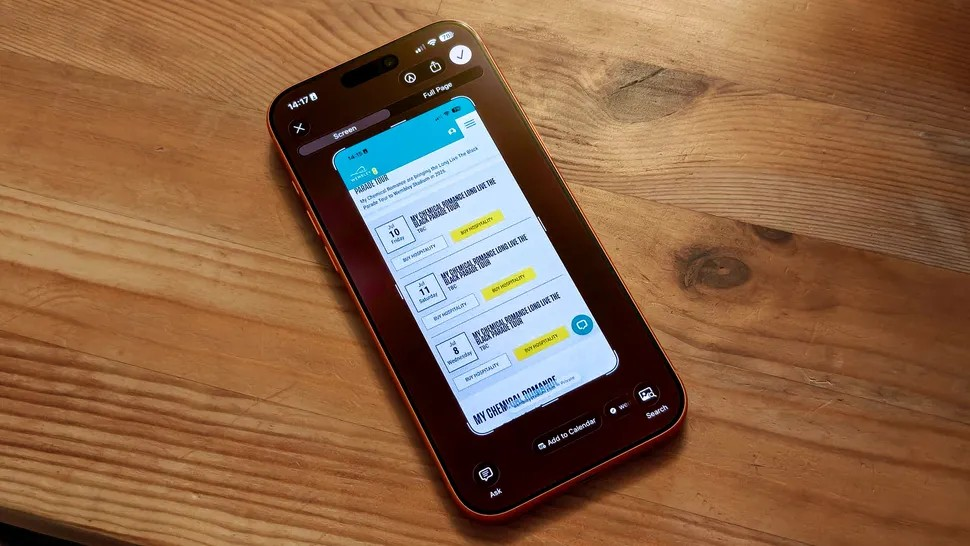
While Apple didn’t introduce a flood of new AI features, it focused precisely on what matters. Visual Intelligence, for instance, can now process screenshots, extract information, and convert it into calendar events or reminders.
Even non-work apps got smarter. The Messages app includes a voting feature, so group chats can quickly agree on dinner plans or movie nights. Spam filters for calls and texts also improved - saving time and frustration.
On Android, productivity-focused AI took bold steps.
Samsung’s latest Galaxy AI features now support cross-app commands. Users can tell the Gemini assistant to complete task chains involving multiple apps without switching between them.
Gemini Live gives the assistant “eyes,” using the phone’s camera to understand real-world context and offer instant information or guidance.
Google Pixel 10 added Magic Cue, which automatically surfaces relevant data - like travel itineraries or bills - at just the right moment.
Meanwhile, OnePlus 15 impressed with ultra-smooth multitasking, allowing users to juggle multiple work tasks without ever lifting their hands from the phone.
This strong focus on productivity raises an inevitable question: will smartphones be replaced by smart glasses?
With what we’ve seen in 2025, the answer - for now - is no.
Smart glasses may hold promise, but smartphones still feel intuitive, familiar, and trustworthy. They fit perfectly in the palm - and in daily life.
Nearly 20 years since becoming mainstream, smartphones are still evolving. And 2025 clearly proved they’re becoming more intelligent and indispensable than ever.
Du Lam
.svg)
