 Vietnamnet.vn

 Podcast



Myopia, or nearsightedness, is becoming so common in Vietnamese schools that experts are calling it an educational “epidemic.” With prevalence rising rapidly among students, protecting children’s vision is now viewed as an urgent public health priority.
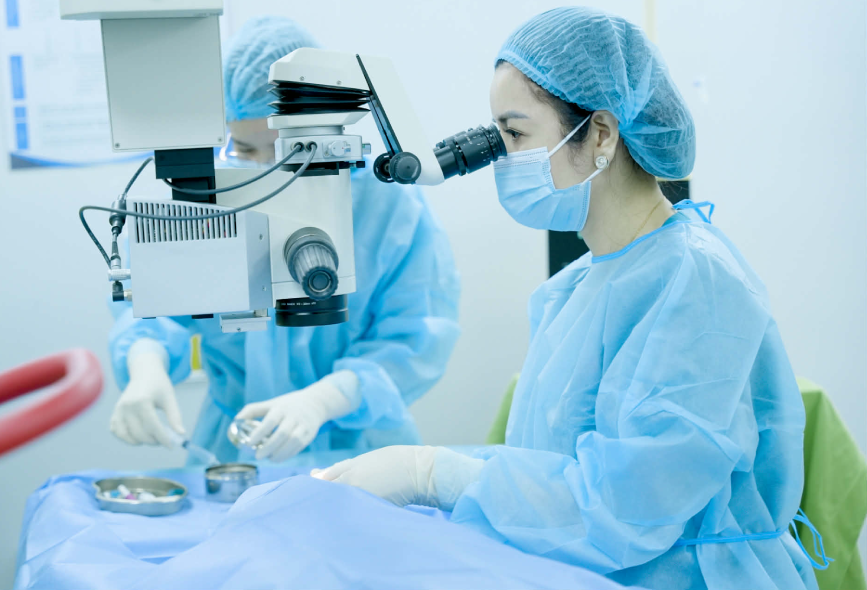
At a recent seminar on refractive surgery technologies, Dr. Pham Thi Hong Duong - former specialist at Hanoi Eye Hospital - highlighted the alarming trends. According to her, surveys at some universities in Vietnam show that around 30% of students suffer from refractive errors, with myopia accounting for 28%.
Even more concerning is how early it starts. In one Hanoi high school known for academic excellence, Dr. Duong reported that up to 90% of students were nearsighted.
Severe myopia isn’t just an inconvenience. It increases the risk of serious complications such as retinal degeneration, detachment, glaucoma, and early cataracts. The World Health Organization (WHO) has ranked myopia as the fifth leading cause of potential blindness, warning that high myopia rates are climbing fast across the globe.
Dr. Duong noted that treatment options vary based on age and severity. Common solutions include prescription glasses, contact lenses, and refractive surgery. For those aged 18 and above, laser-based surgeries can offer long-term vision correction. However, not all patients are suitable. Conditions like extremely thin corneas, high refractive error, or preexisting eye diseases may rule out surgical options.
Recent advances in refractive surgery have significantly improved outcomes. Some modern techniques involve laser exposure of just 10 seconds, and are supported by artificial intelligence tools that predict visual results not only immediately but also long into the future. Compared to older methods like corneal flap creation or surface ablation, newer procedures offer faster recovery, minimal side effects such as dry eyes, and better corneal integrity.
These innovations also address previous limitations, such as treating astigmatism or hyperopia, making them accessible to a wider range of patients.
Still, prevention is key - especially for children. Myopia often results from a combination of factors. Common contributors include prolonged close-up tasks, excessive screen time, poor lighting, inadequate outdoor activity, improper posture, and reading at very close distances. Genetics also play a role in early-onset cases.
Dr. Duong recommends regular eye checkups for children with myopia to monitor progression and implement control strategies. Current interventions include overnight orthokeratology (Ortho-K) lenses, specially designed eyeglass lenses, vision therapy programs, and certain medications.
On a broader level, maintaining healthy eye habits is essential. Children and adults alike should avoid excessive near work, manage screen time, use proper lighting, and maintain good posture when studying or working. More outdoor activity, a balanced diet, and nutritional supplements - especially vitamins A, C, E, and zinc - can also help sustain long-term eye health.
In short, as myopia continues to rise among students, awareness, early intervention, and modern technology offer the best defense against a problem that is silently reshaping the future of children’s vision.
Phuong Thuy
.svg)
