 Vietnamnet.vn

 Podcast



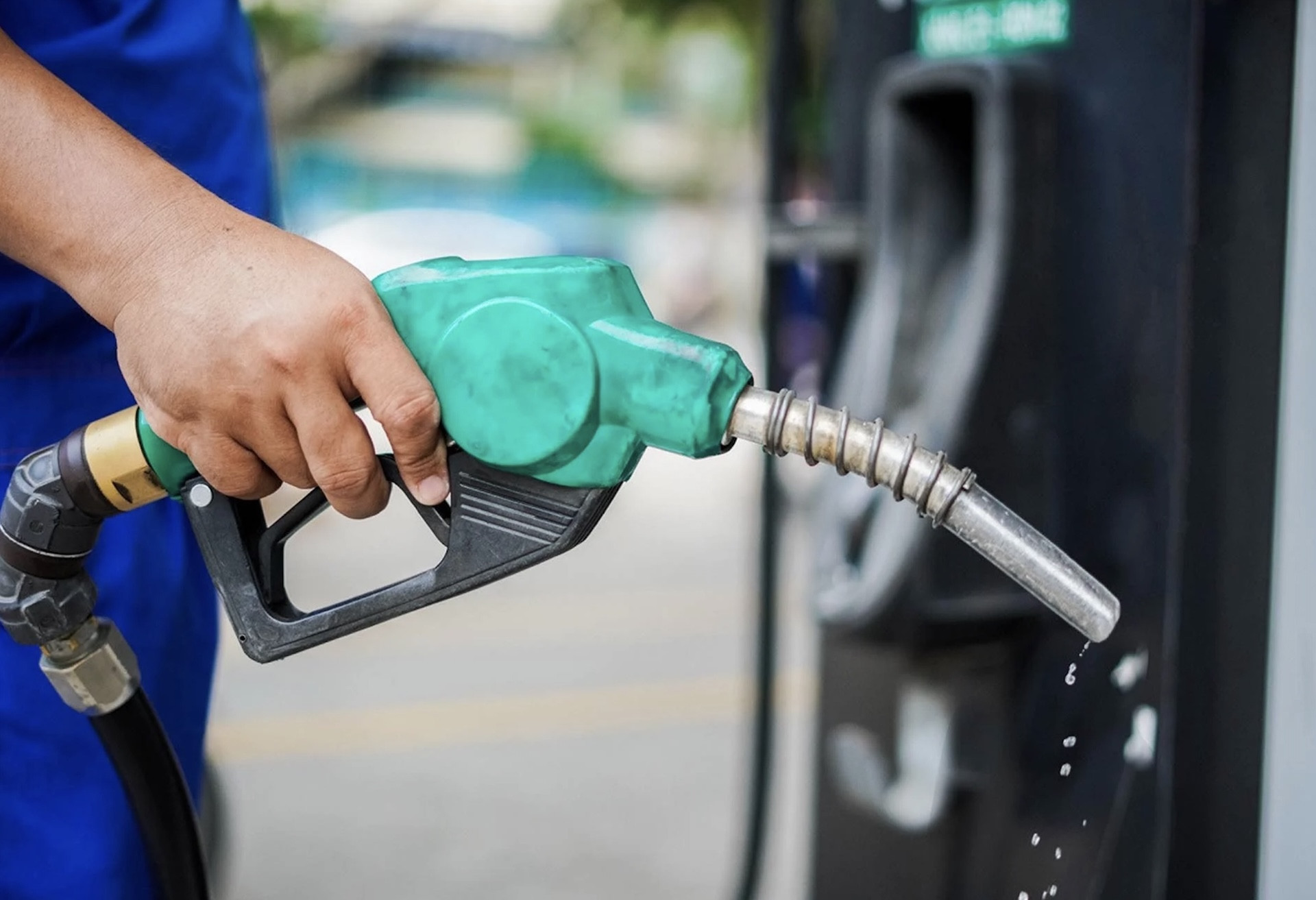
Diverse ways to reduce demand
Having been attached to his motorbike for many years, Nguyen Van Tuan (residing in Thanh Tri, Hanoi) has decided to leave his bike at home and buy a sports bicycle for work. The distance of more than 10 km from his home to the office has now become a "fitness race track" every morning.
Tuan said that previously, he spent an average of about VND80,000 on gasoline per week. Recently, rising gas prices caused this amount to increase to more than VND100,000 per week. Although the difference is not too large, when added up by month along with other living expenses, cutting this expenditure entirely is a reasonable choice.
According to Tuan, switching to cycling does not take much more time than riding a motorbike, while also saving a fixed cost and significantly improving health.
Not only motorbikes, but car owners are also adapting to the changes. To save on travel costs, Duy (Linh Dam urban area) decided not to use his private car for work and switched to public buses. Instead of having to bear gasoline and parking costs of up to more than VND2 million per month, he only needs to spend VND280,000 for an inter-route monthly bus pass.
Trading the convenience of a private vehicle for public transportation not only helps him save a significant budget but also reduces the stress of driving himself amidst heavy traffic during peak hours.
“If I drive a car myself, my monthly gas bill averages more than VND2 million, not to mention the parking fee at the office. Taking the bus might be a bit more circuitous, but in return, I have time to rest and save a significant amount of money,” Duy shared.
In the corporate sector, movements have also begun. A bank headquartered in HCMC started allowing employees to work under a "hybrid" model for the administrative block starting from March 26. Accordingly, staff rotate between working in person and online, depending on the characteristics of each position.
The bank said that in the context of the volatile global energy market, many countries, especially in Southeast Asia, are stepping up fuel-saving solutions and reducing the load on energy systems. Therefore, the trend of flexible work and reduced travel is considered one of the effective solutions.
Meanwhile, the "king" of fruit exports Nguyen Dinh Tung, General Director of Vina T&T Company, said the company is transitioning its logistics operations from fuel-based to electric transport. It is also installing solar energy systems at warehouses to reduce dependence on fossil fuels.
According to Tung, this shift is not just a temporary response but a long-term strategic direction.
Immediate-impact solutions
Amid ongoing Middle East tensions, the global energy market is facing one of its biggest shocks in decades. Disruptions to about 20 percent of global oil supply through the Strait of Hormuz have pushed oil prices above $100 per barrel, with risks of prolonged instability.
Nguyen Vinh Khuong, a lecturer in Electronic Engineering and Computer Systems at RMIT University Vietnam, said countries are not only try to secure supply but also focus on reducing energy demand.
The Philippines, Pakistan, Sri Lanka, and Egypt are adopting four-day workweeks or midweek breaks to cut commuting and fuel use. Myanmar has implemented odd-even vehicle restrictions, while Bangladesh has introduced fuel rationing.
For Vietnam, Khuong recommended considering similar policies, such as flexible work in the public sector, adjusting working hours to reduce congestion at peak hours, or standardizing air conditioning temperatures in public buildings.
According to him, besides short-term energy-saving measures to respond immediately to price fluctuations, Vietnam needs a long-term strategy based on energy efficiency and electrification. This will not only be a crisis response solution but also an opportunity to restructure the energy system in a more sustainable direction.
Khuong believes that the electrification process will bring three important benefits:
First is the reduction of geopolitical dependence. Electricity can be produced from many domestic sources (renewable energy, coal, gas, hydropower), helping reduce the risk of oil import disruptions.
Second is long-term cost stability. While oil prices fluctuate wildly, electricity costs, especially from renewable energy, tend to be more stable.
Third is promoting a green transition. The current energy crisis is making renewable energy more competitive compared to fossil fuels.
Tran Chung
.svg)
