 Vietnamnet.vn

 Podcast



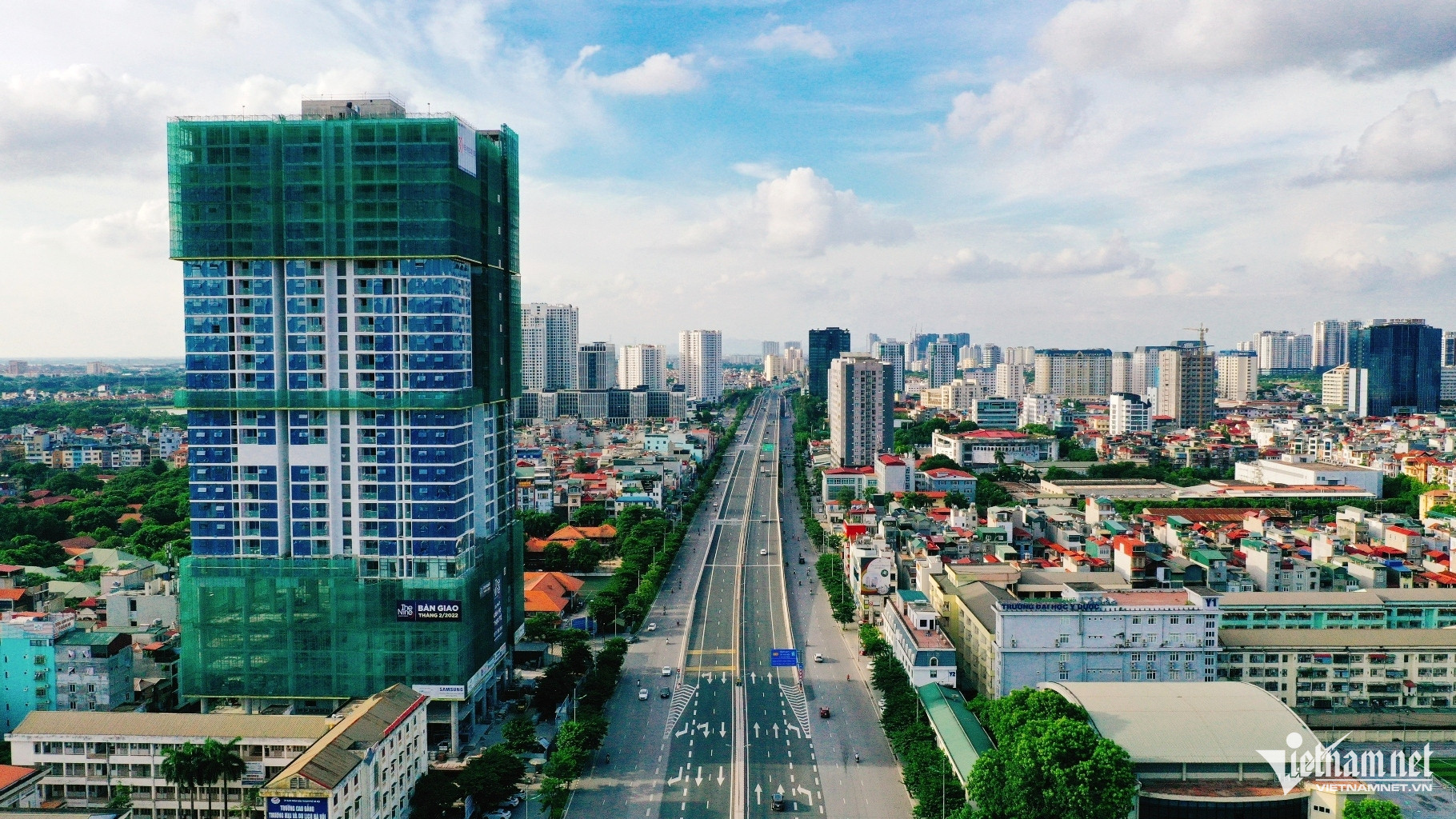
Pham Duc Toan, General Director of EZ Property, believes that demand for affordable housing is very high. The middle class in urban areas is expanding, with common incomes starting from about VND20 million per month.
Many people do not qualify to buy social housing and also find it difficult to access non-social market-rate housing because prices in major cities remain extremely high.
Developing affordable housing could help increase supply and meet the needs of many groups of buyers. As supply expands, apartments priced around VND30–40 million per sqm could reappear on the market.
Nguyen Chi Thanh, vice chair of the Vietnam Association of Realtors, also thinks that developing this segment could help bring down overall housing prices, contributing to a more stable and sustainable real estate market.
According to Thanh, homes priced below VND50 million per sqm are a segment that the market has been waiting for, especially among middle-income residents in major urban areas.
Clearer rules on land, taxes and financing
Although applauding the policy to develop affordable housing, Toan said some mechanisms still need clarification and should be included in a resolution for the segment to develop effectively.
The draft proposes that provincial-level People’s Committees allocate land banks for affordable commercial housing and approve investment policies while assigning investors to develop projects without requiring auctions or bidding. According to Toan, these mechanisms could help reduce costs for developers.
Along with that, the draft stipulates a maximum profit margin of 15 percent on the total construction investment cost. However, according to him, it is still unclear how land use fees for affordable commercial housing will be calculated.
While social housing developers are 100 percent exempt from land-use fees, the draft has not specified the corresponding incentive level for affordable housing. This makes it difficult for businesses to calculate input costs.
"There needs to be a clear method for calculating land use fees and what percentage the incentive is. When input costs are specifically determined, businesses will have a basis to calculate selling prices. With a 15 percent profit margin and financial costs and the risk of price slippage are large, if the mechanism is not clear, it will be very difficult for businesses to join the program on developing affordable commercial housing," Toan said.
In addition, the draft has not specified the Value Added Tax (VAT) rate applied to affordable housing, while the VAT for social housing is currently set at 5 percent.
Besides, it is necessary to clarify whether these projects can access preferential capital or still have to borrow at commercial interest rates. This is a crucial factor for businesses to calculate costs and determine selling prices.
Regarding the pricing, Toan suggested not applying a common price for the whole country, as house prices depend heavily on the land costs of each locality. So, a general policy framework should be built, while specific price levels should be assigned to local People's Councils and governments to decide.
Regarding home-buying conditions, the draft stipulates that buyers or lease-purchasers of affordable commercial housing can only buy one unit from the developers and cannot resell it for a minimum period of 5 years from the date of full payment.
Toan believes that it is necessary to further clarify criteria such as: At what income level are people not allowed to buy this type of housing? If someone already owns a house, can they buy affordable commercial housing, or must they be homeless to qualify? Or if someone has bought in one locality, can they buy in another?
"If conditions are tightened too much, the target buyers will be narrowed, making it difficult for developers to sell products. The:subjects eligible to buy affordable housing must be clarified," Toan said.
Assessing that a 15 percent profit level could attract investors, Thanh noted that project approval procedures need be shortened and simplified.
He proposed that a "green lane" for affordable housing projects, helping speed up procedures for planning, investment, and site clearance, thereby reducing costs for businesses.
"The most important issue is the land bank. To develop this segment, large land funds are needed to implement large-scale urban areas, thereby forming price levels suitable for middle-income earners," Thanh said.
Hong Khanh
.svg)
