 Vietnamnet.vn

 Podcast



Once one of Southeast Asia’s most prominent Buddhist centers, Dong Duong Monastery in Da Nang is now reduced to overgrown ruins. Yet the treasures uncovered here continue to reveal a flourishing era of Cham Buddhism and art more than a millennium ago.
Located in Dong Duong commune, Da Nang, the monastery was built in 875 by King Indravarman II to worship Laksmindra – Lokesvara, a form of Avalokitesvara regarded as the royal protector. The complex was once a major Buddhist center of the Cham civilization, with influence extending across Southeast Asia during the medieval period, often regarded as a sacred sanctuary of the kingdom.
Archaeological studies indicate that the complex included a monastery (Vihara) and a temple dedicated to Laksmindra Lokesvara Svabhayada, arranged along an east-west axis stretching approximately 1,300 meters. The architectural system consisted of multiple rectangular enclosures connected in sequence, each with a gate tower facing east and flanked by guardian deities.
At the heart of the complex stood the main temple within a vast compound surrounded by brick walls, connected to residential quarters for monks and lecture halls, forming a self-contained center for religious training.
The sculptures discovered at Dong Duong reflect the development of Mahayana Buddhism in Champa. While influenced by Chinese, Indian and regional elements, the architecture and sculpture retain strong local characteristics, forming a distinctive style in Cham art.
After centuries of war and historical upheaval, the once-glorious Buddhist center has largely vanished. Today, only remnants such as the Sang Tower and foundational traces of structures remain, many areas now covered with wild grass. The tower has been reinforced with a metal frame to prevent further deterioration.
Despite the ruins, excavations have uncovered hundreds of valuable artifacts, partially reconstructing the former grandeur of the temple complex. Many important objects, including two recognized national treasures, are currently preserved and displayed at the Da Nang Museum of Cham Sculpture.
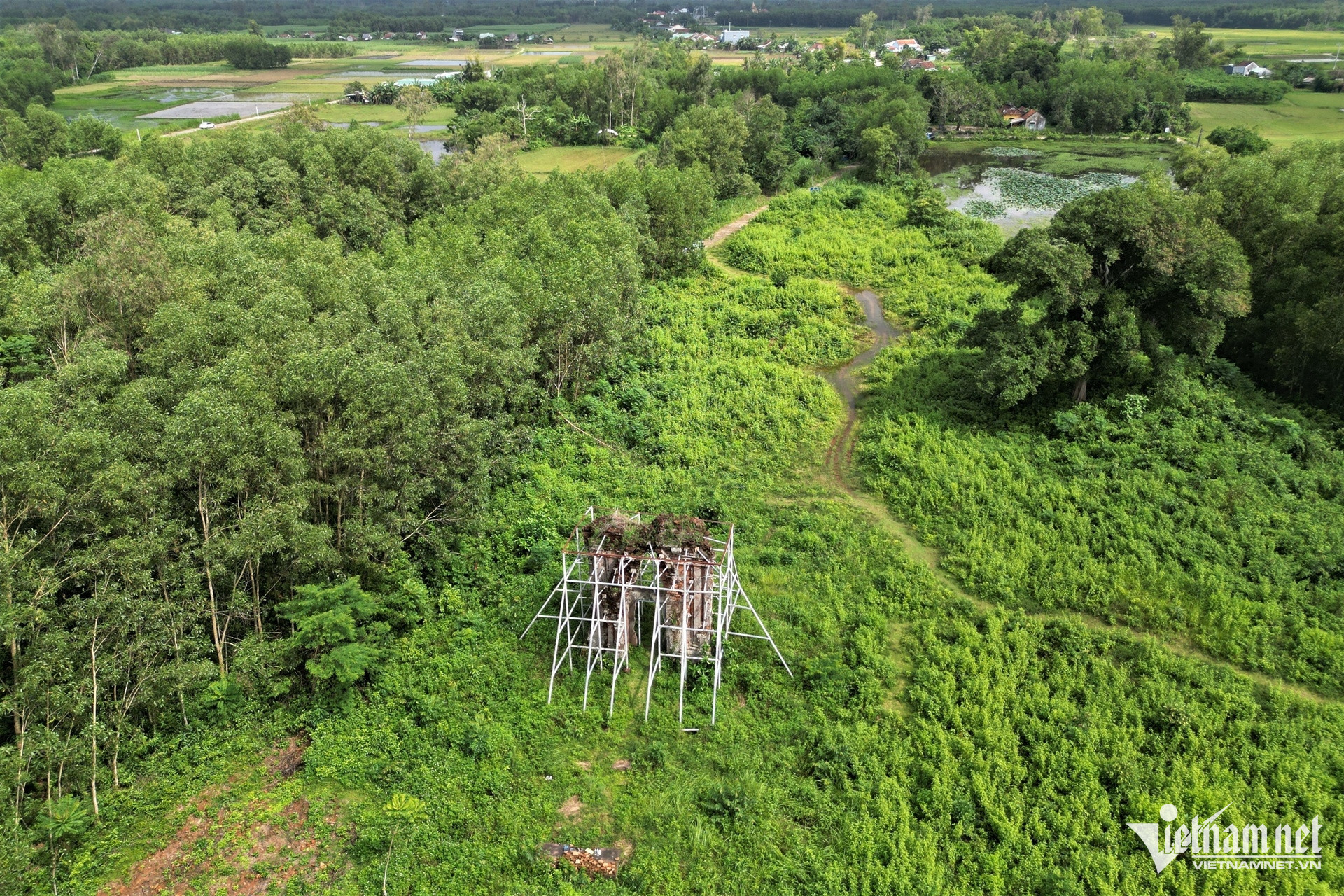
Dong Duong Monastery was built on semi-hilly plains in Dong Duong commune, Da Nang. Photo: Ha Nam
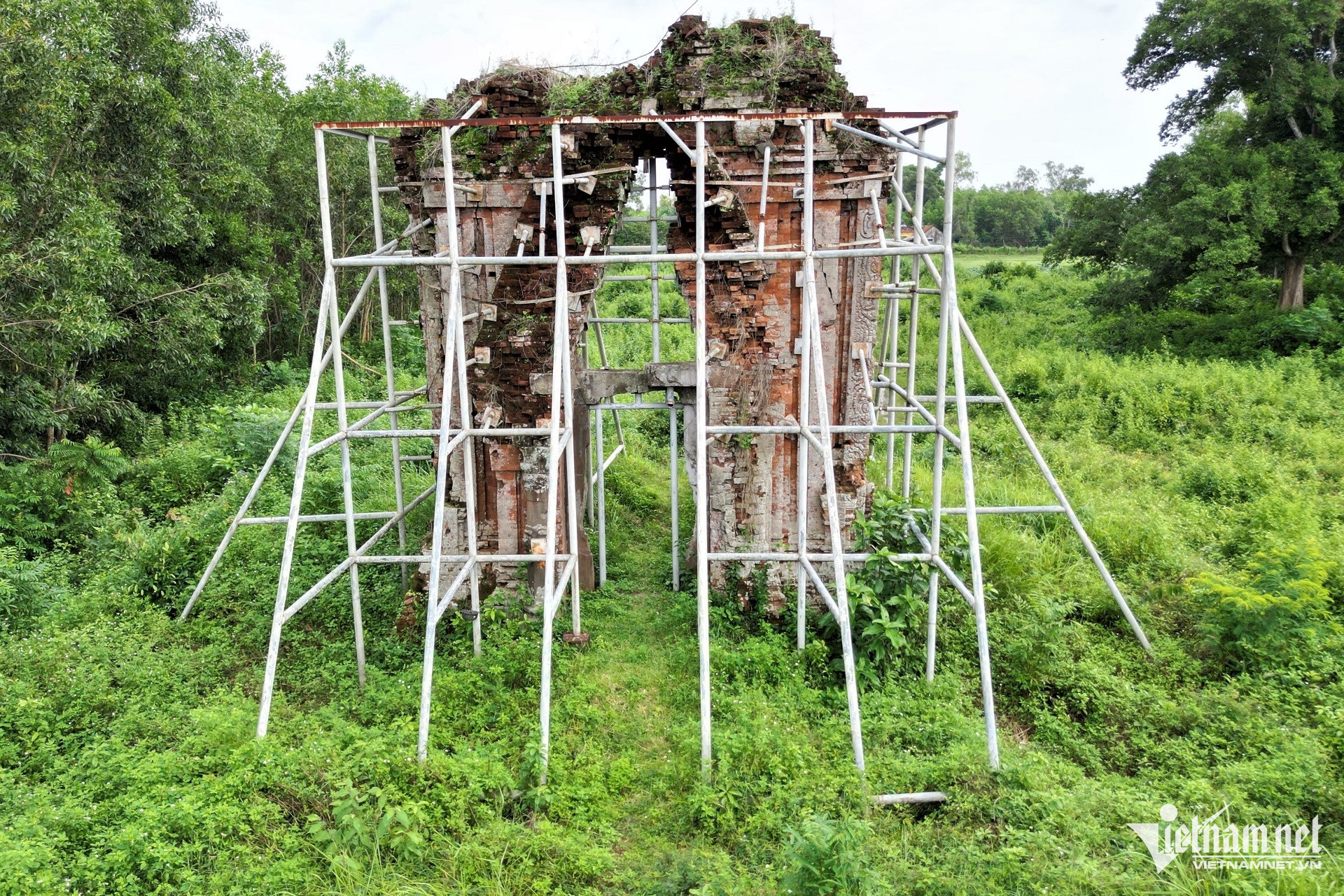
The Sang Tower is one of the few surviving structures of the more than 1,150-year-old site. Photo: Ha Nam
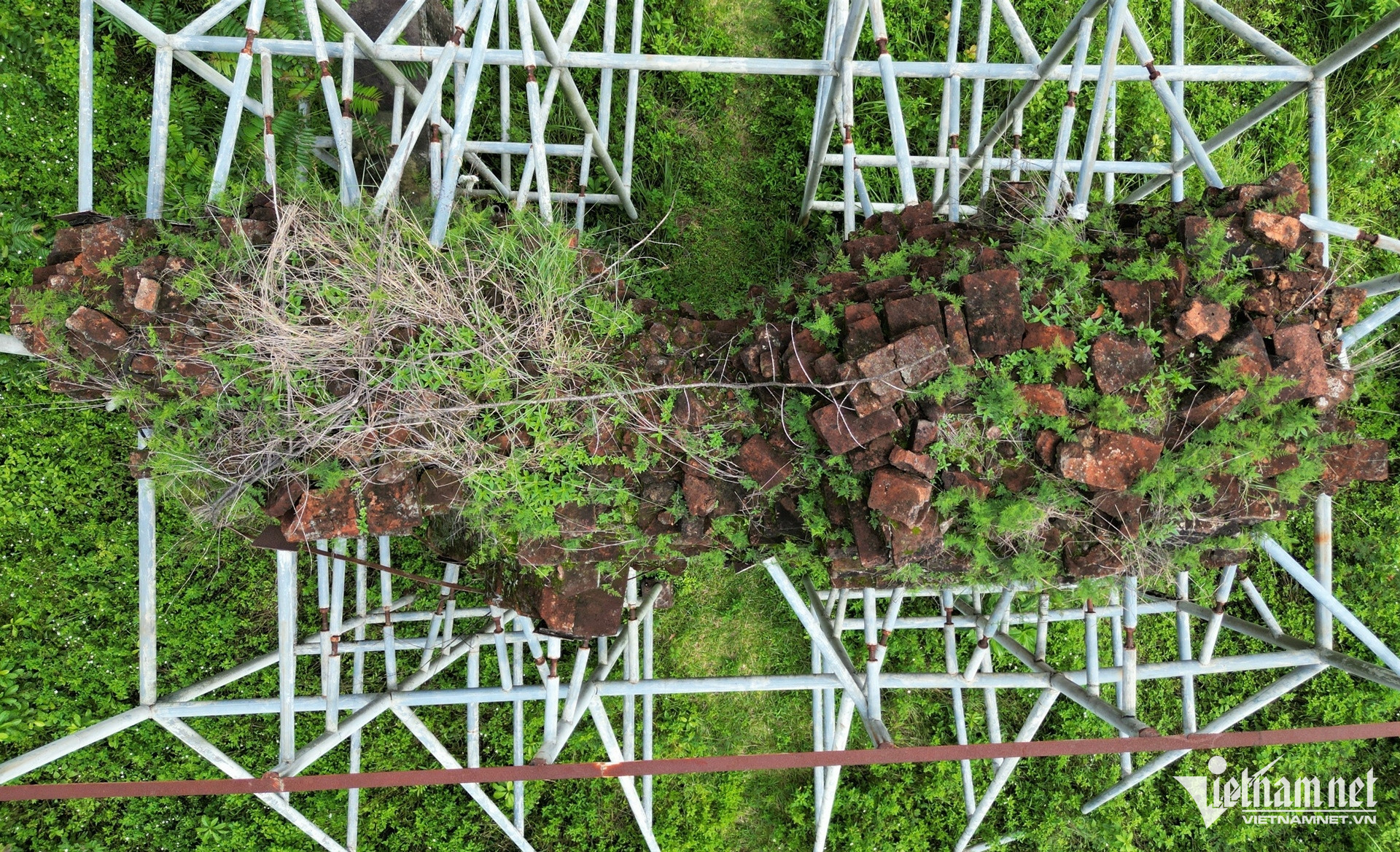
The monastery is considered a Buddhist sanctuary due to its scale and cultural influence in surrounding regions. Photo: Ha Nam
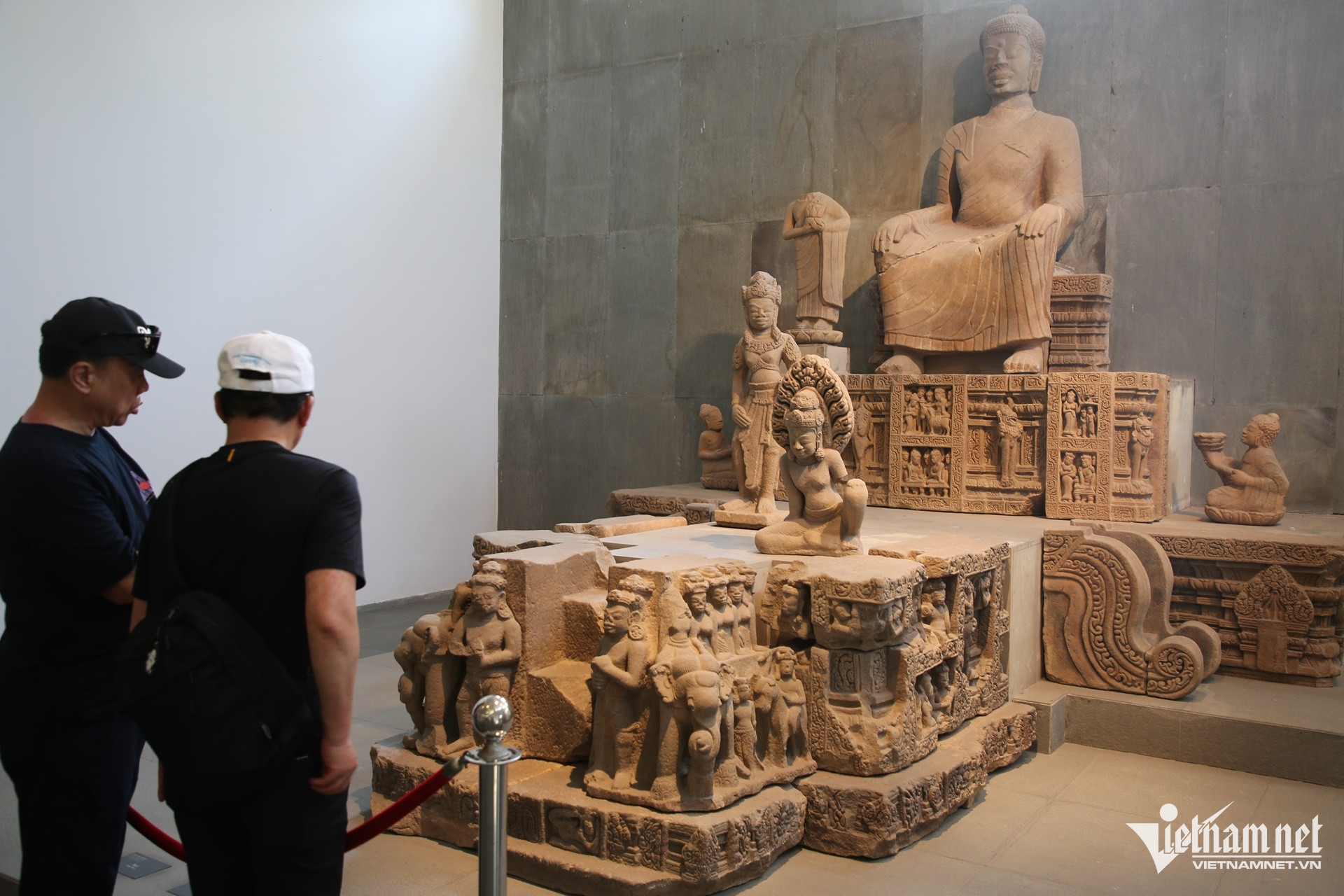
Visitors admire ancient stone carvings that preserve the “history of Buddhism” from over a thousand years ago. Photo: Ha Nam
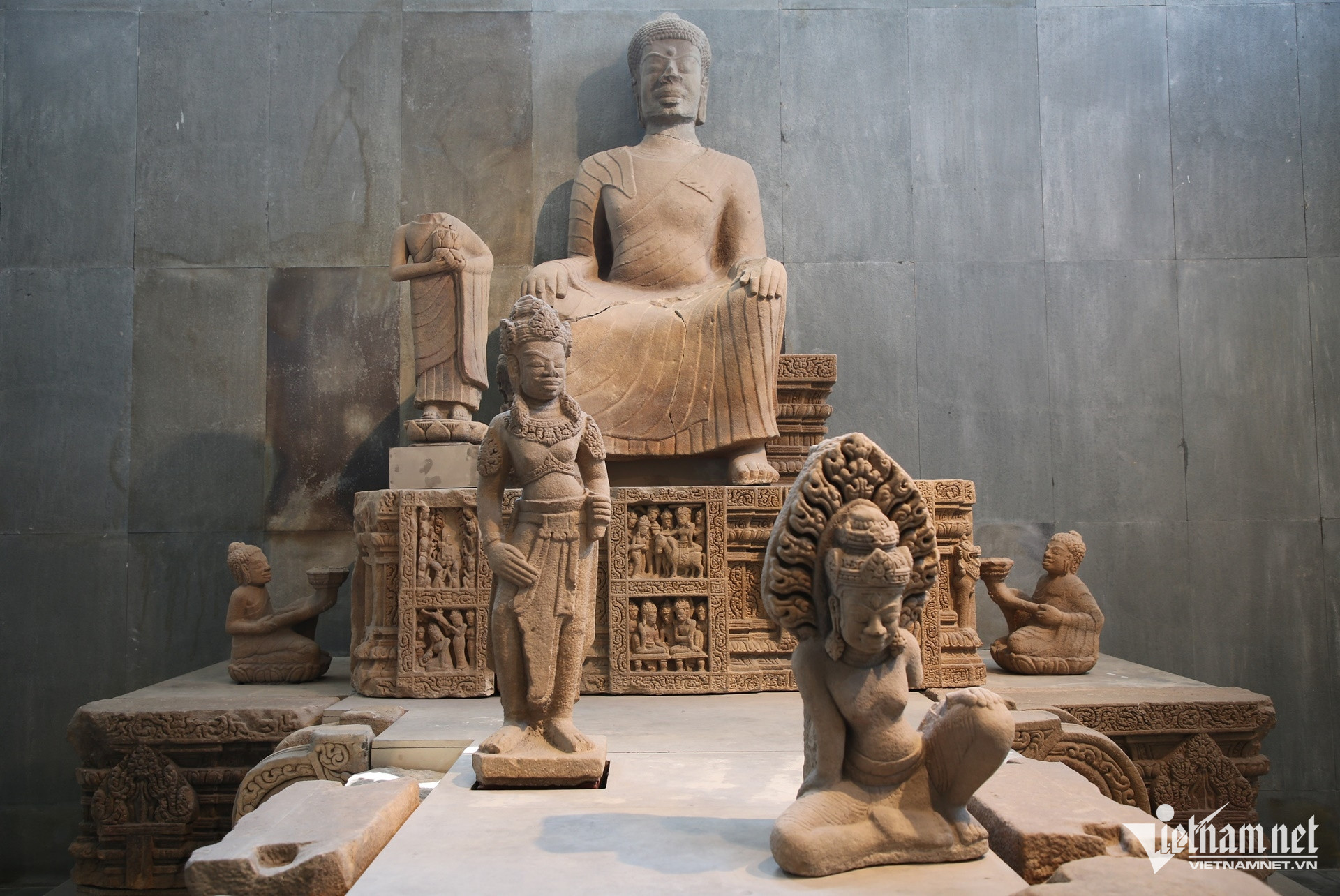
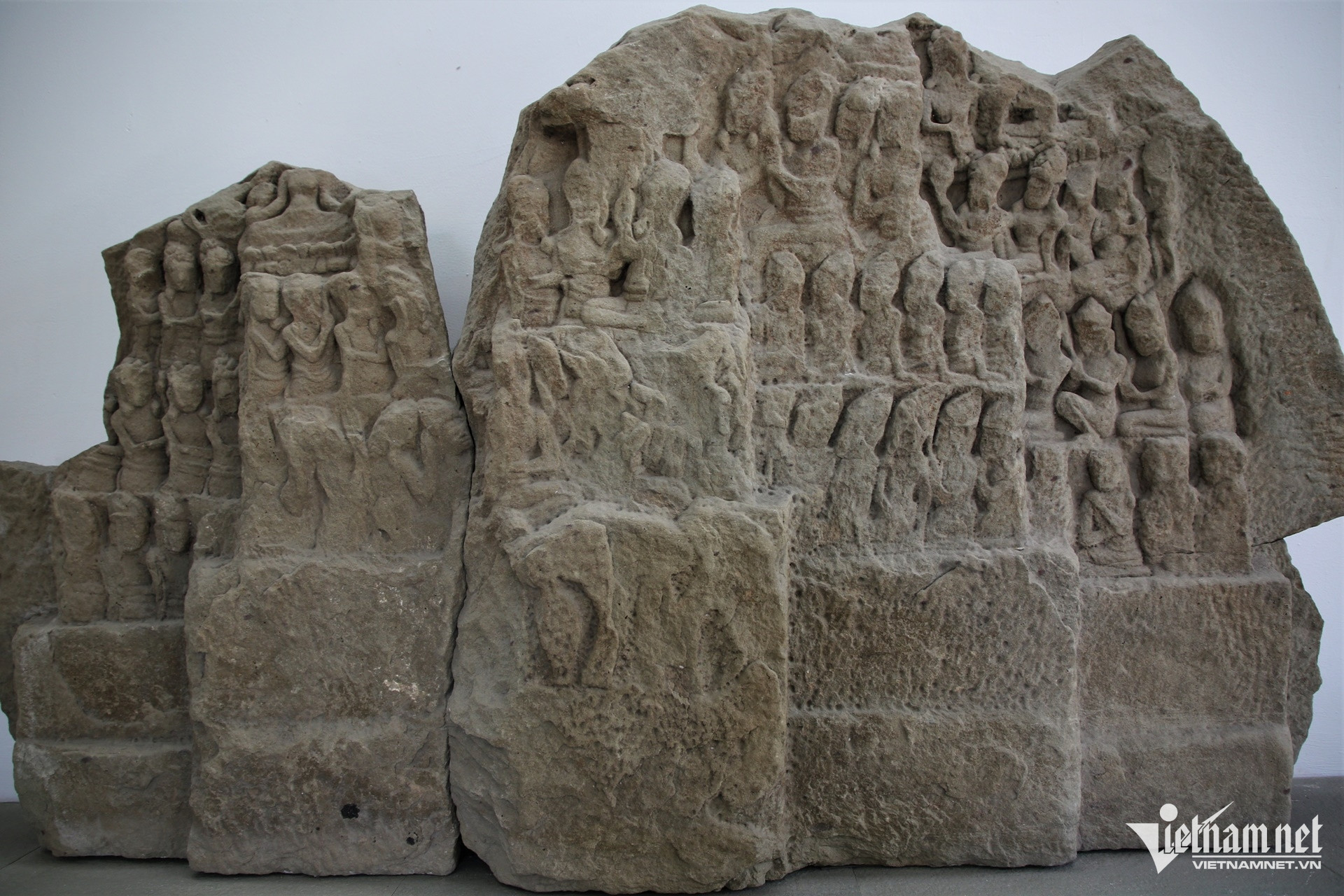
Numerous sandstone altars, Buddha statues, bodhisattvas and monks have been discovered through excavations at the site. Photo: Ha Nam
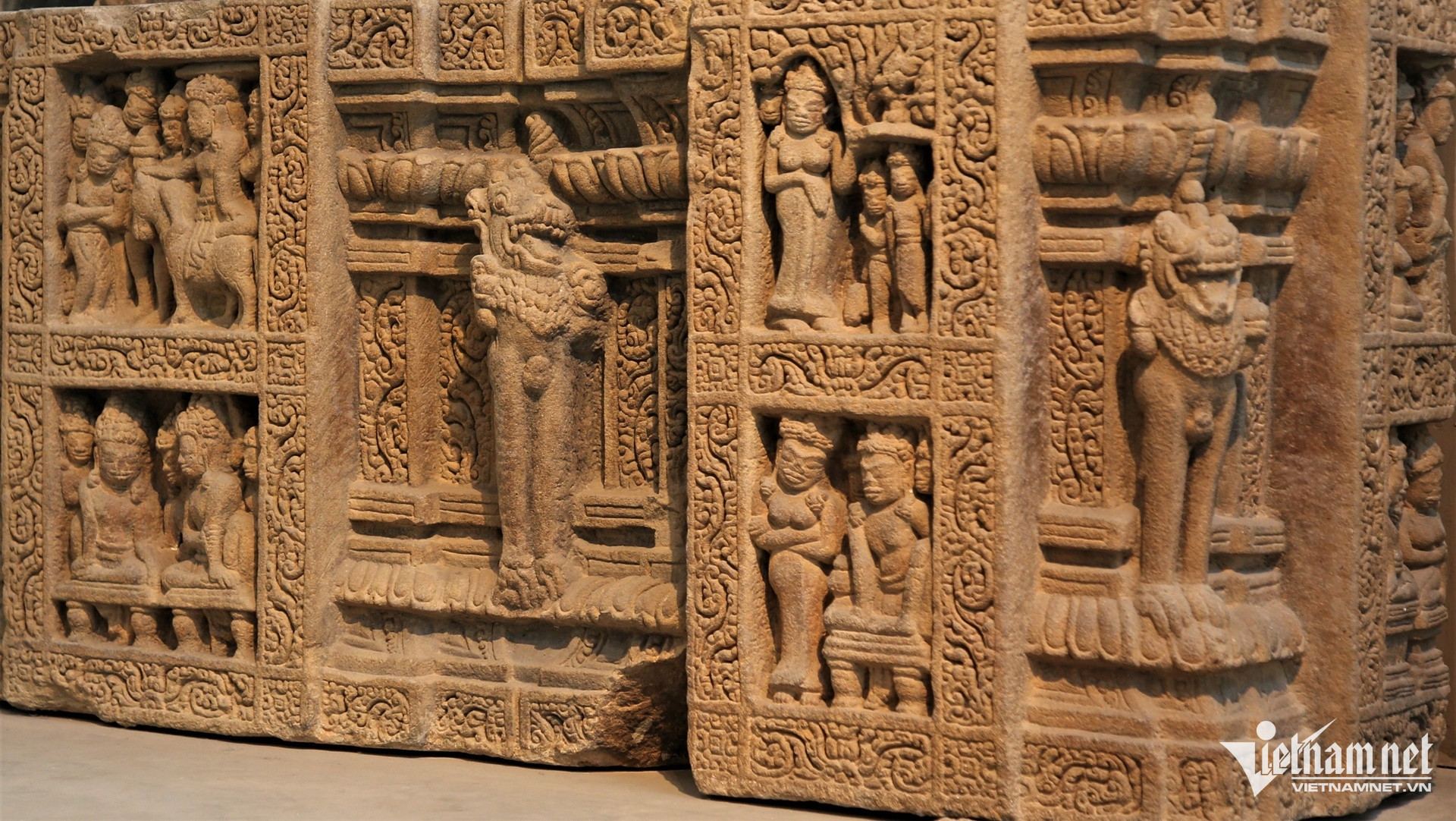
Intricate carvings of human figures and patterns reflect the refined craftsmanship of Cham artisans. Photo: Ha Nam
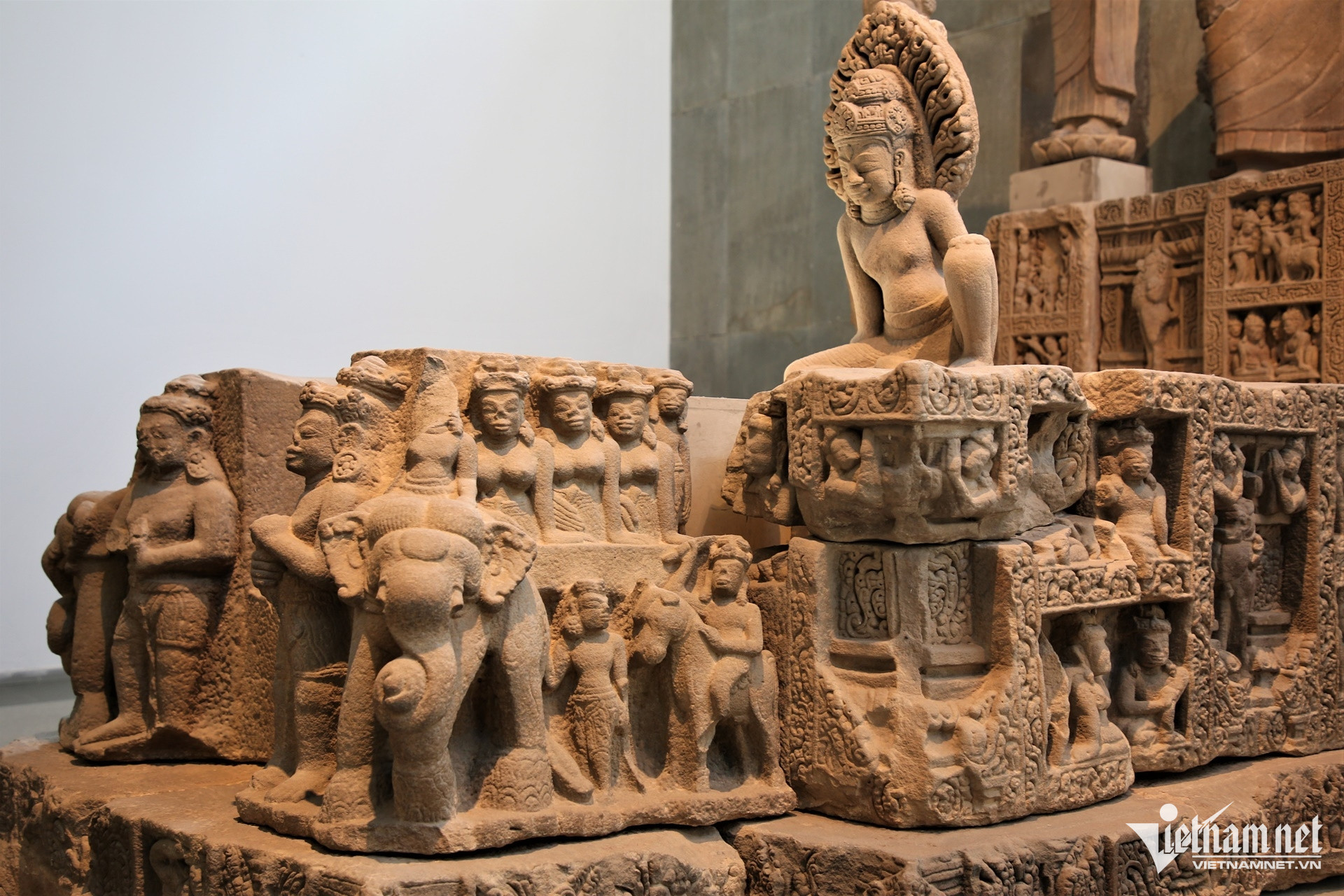
These sculptures contributed to the development of the distinctive Dong Duong style in Cham art during the 9th century. Photo: Ha Nam
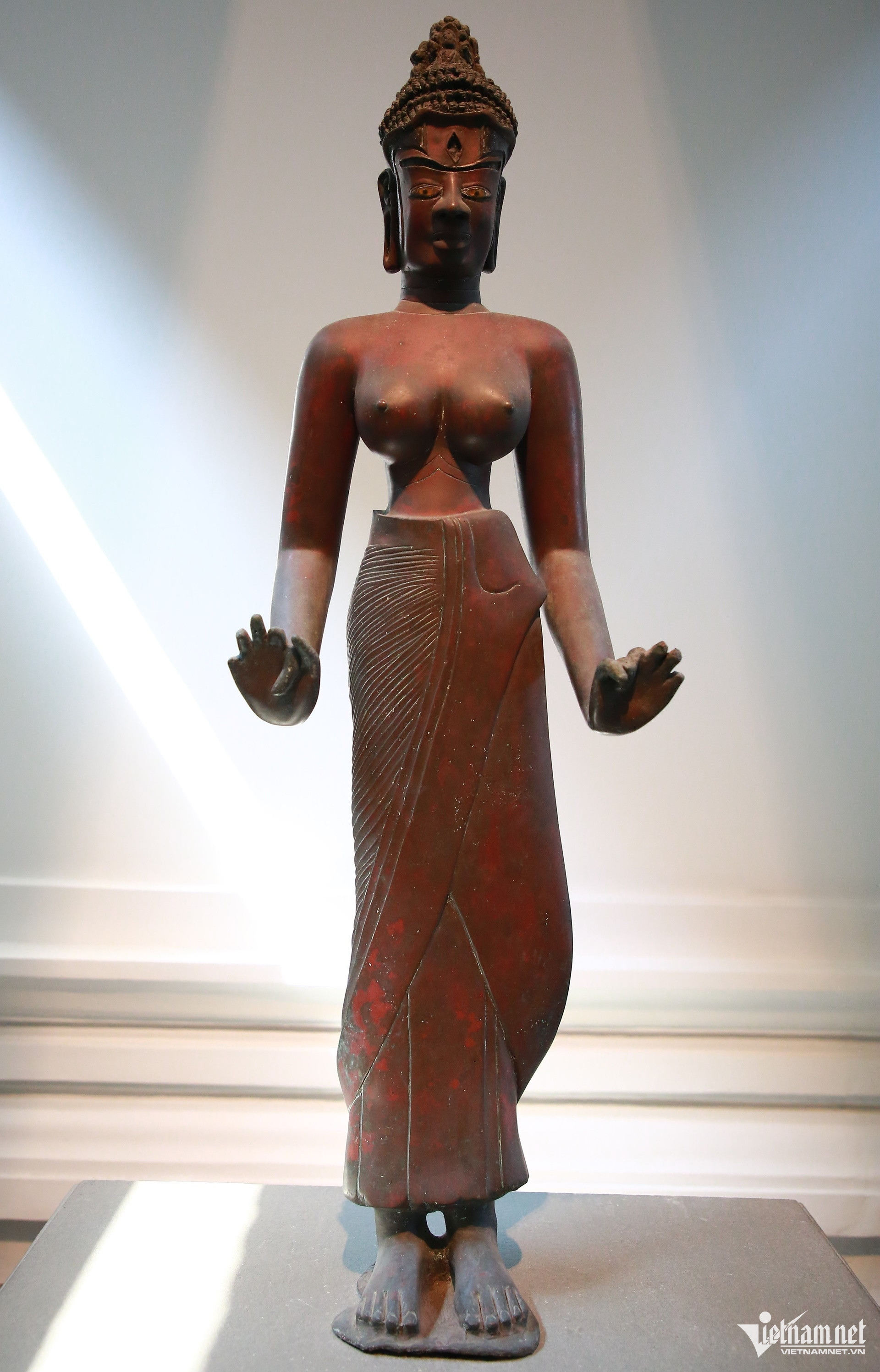
The national treasure statue of Bodhisattva Tara, over 1,200 years old, stands more than 1.1 meters tall and is cast from a single piece of bronze. Photo: Ha Nam
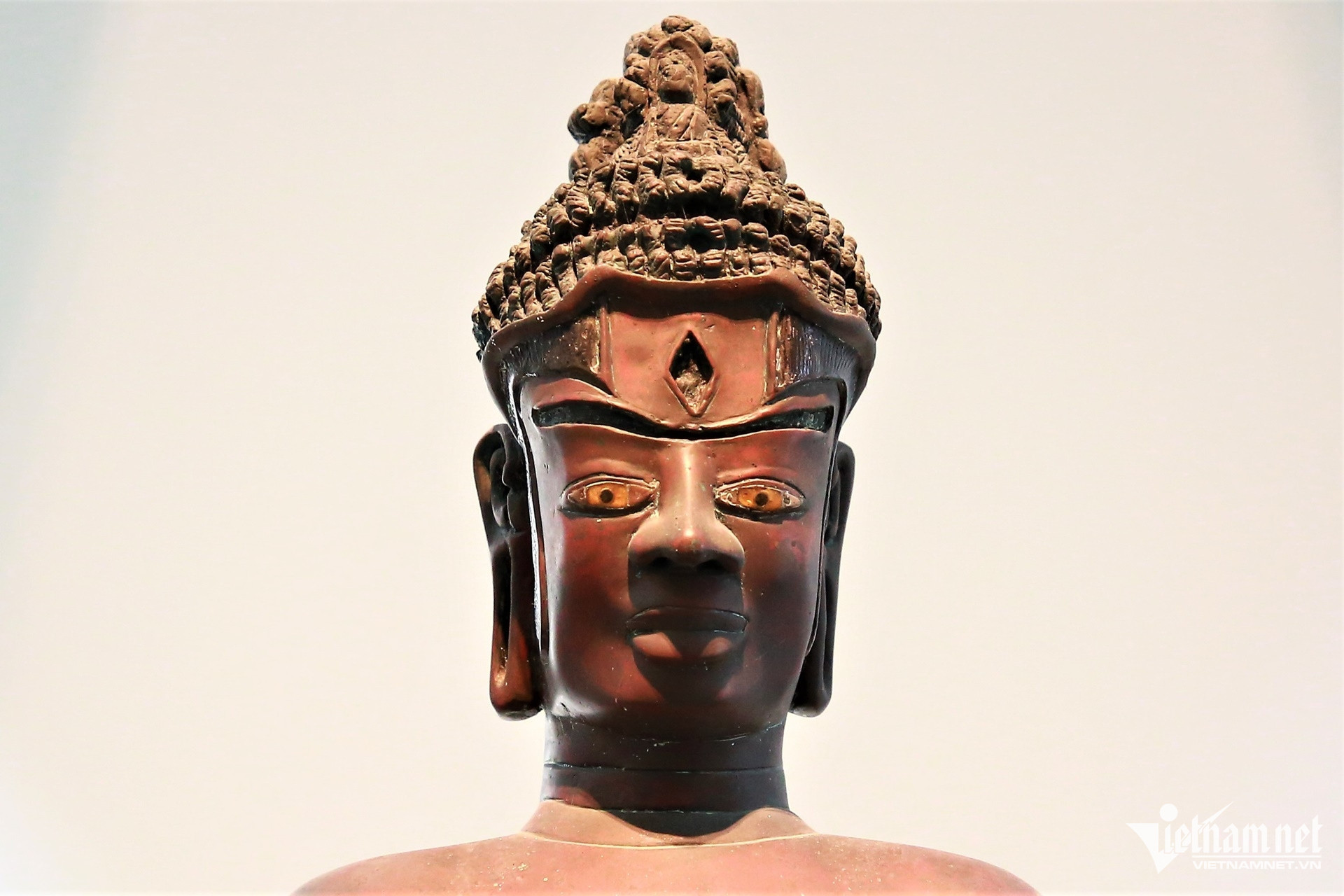
The goddess’s face bears the characteristic Dong Duong style, with thick eyebrows, a broad nose and full lips, along with a third eye on the forehead. Photo: Ha Nam
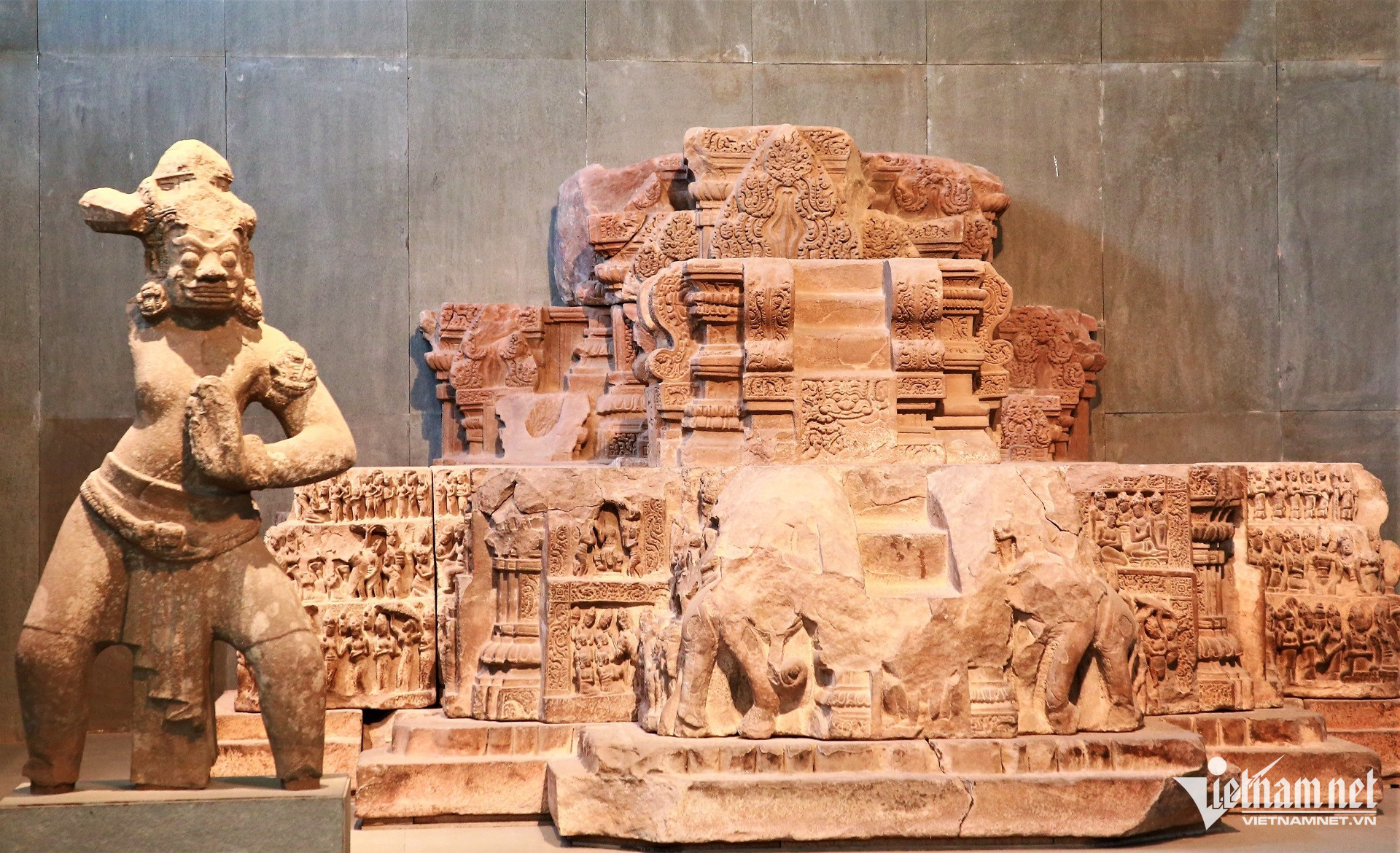
The Dong Duong altar, recognized as a national treasure in 2018, depicts scenes from the life of Buddha Shakyamuni. Photo: Ha Nam
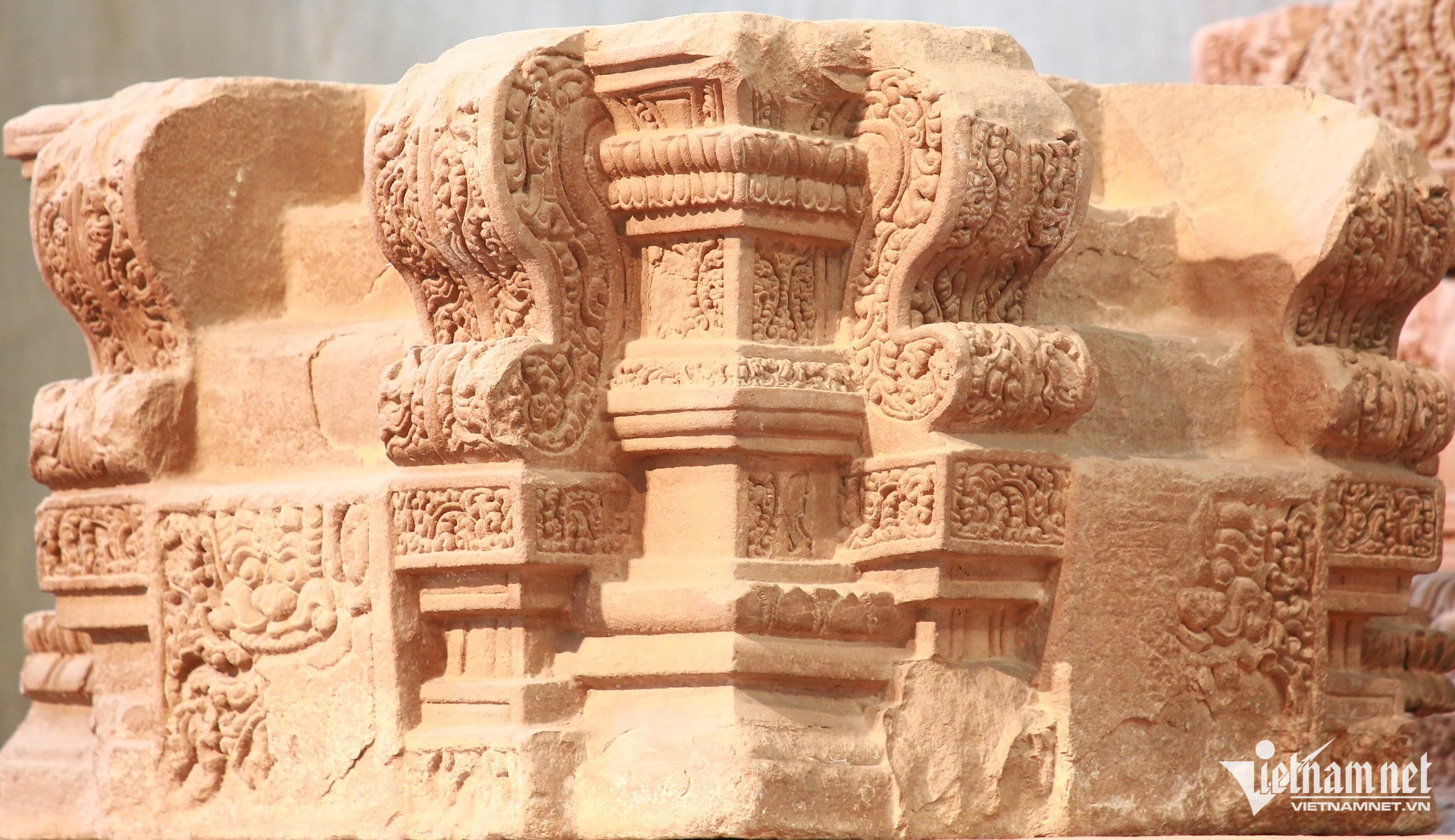
The altar consists of 24 stone blocks assembled into a cohesive and intricate composition. Photo: Ha Nam
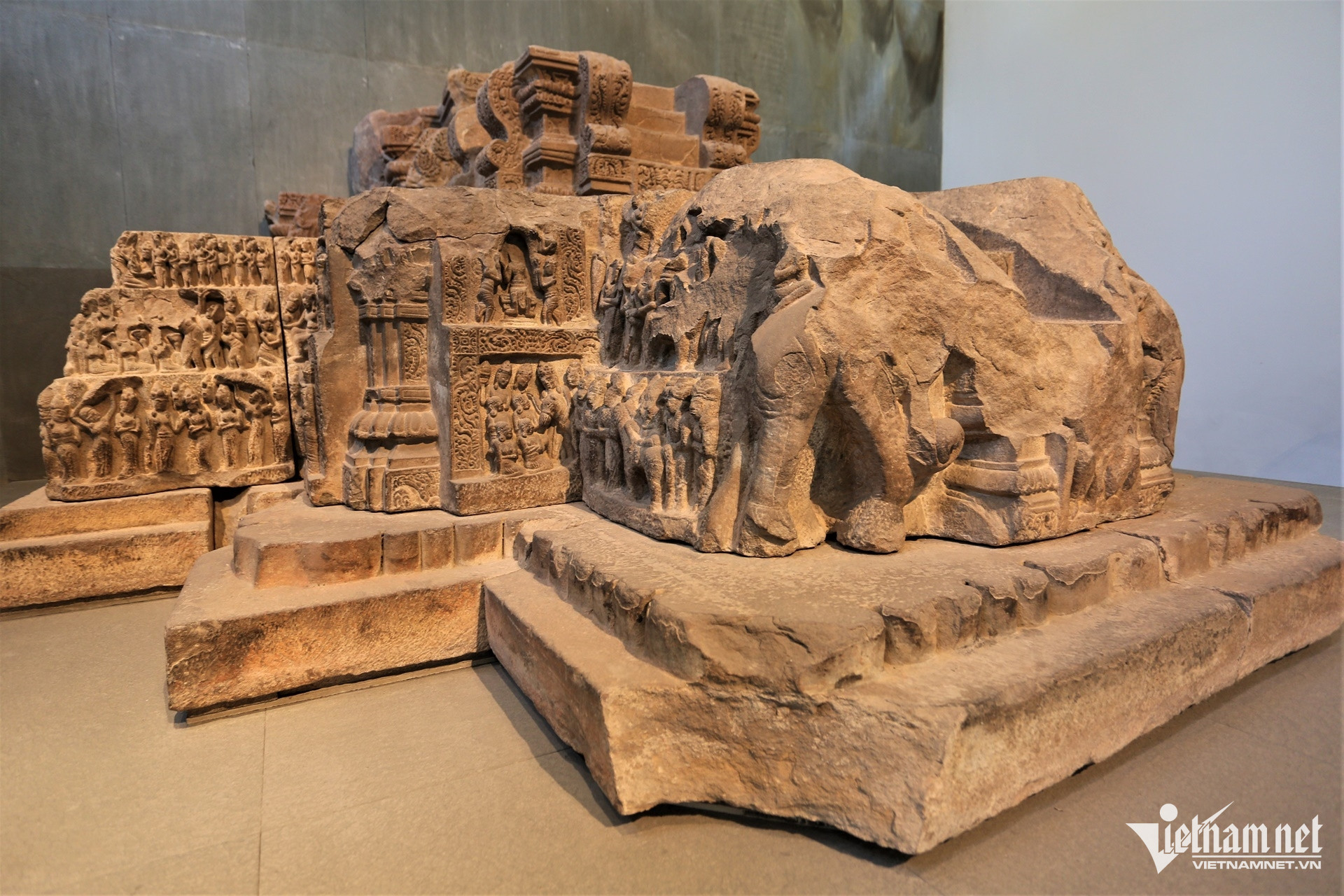
Carvings on three sides of the altar illustrate stages of the Buddha’s life, from birth to enlightenment. Photo: Ha Nam
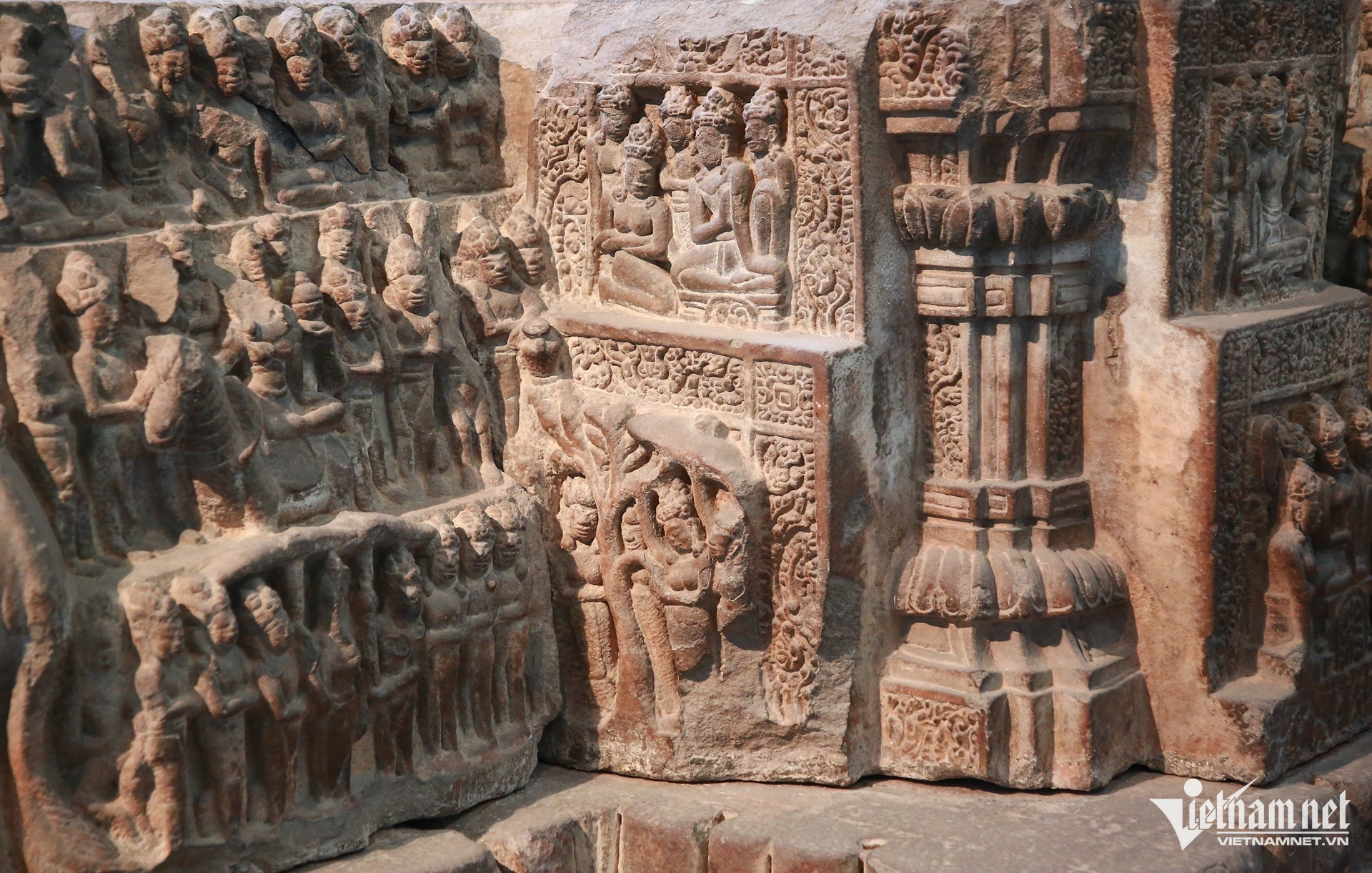
A carving depicts the birth of Buddha in the Lumbini garden. Photo: Ha Nam
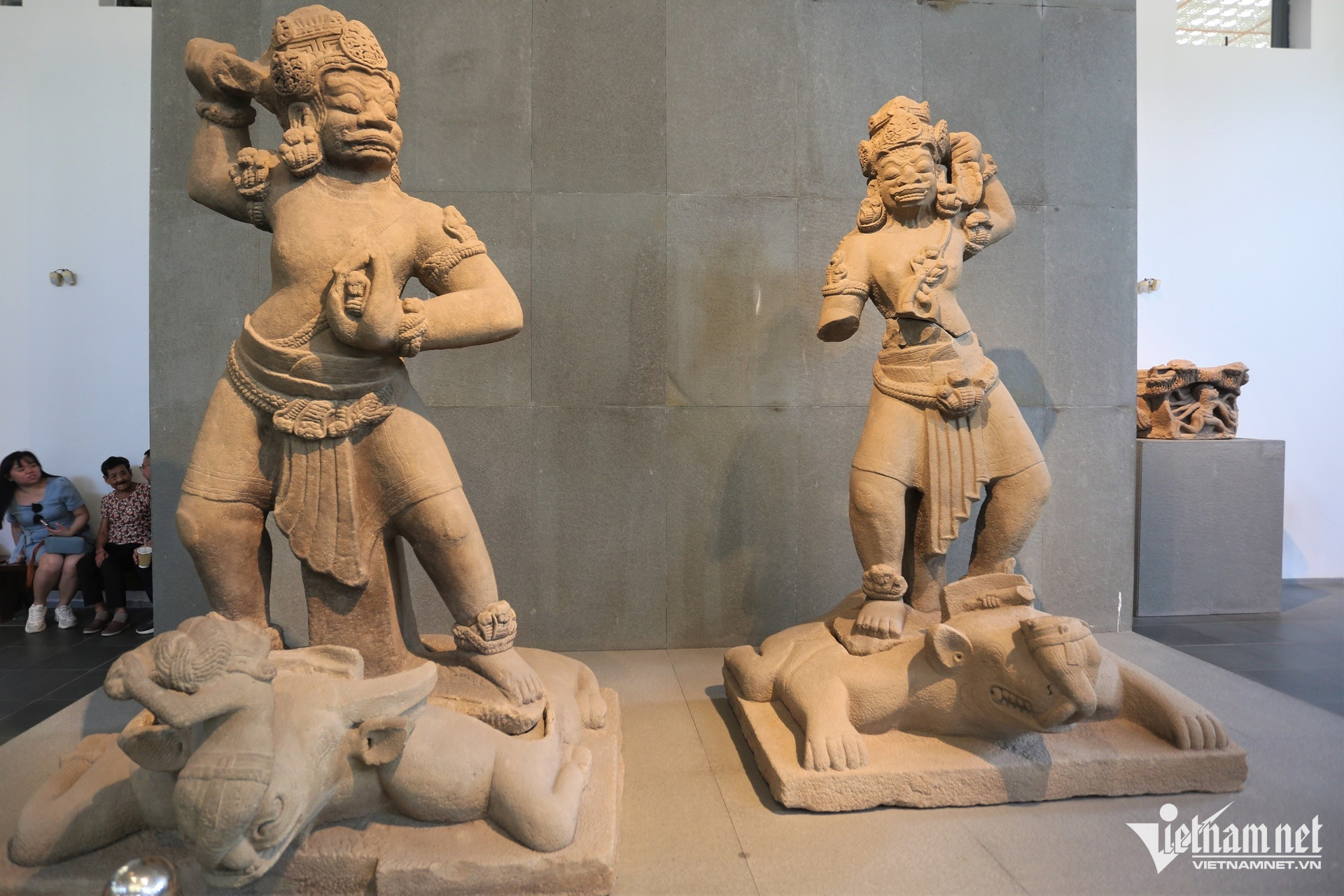
Two large guardian deity statues, about two meters tall, remain relatively intact. Photo: Ha Nam
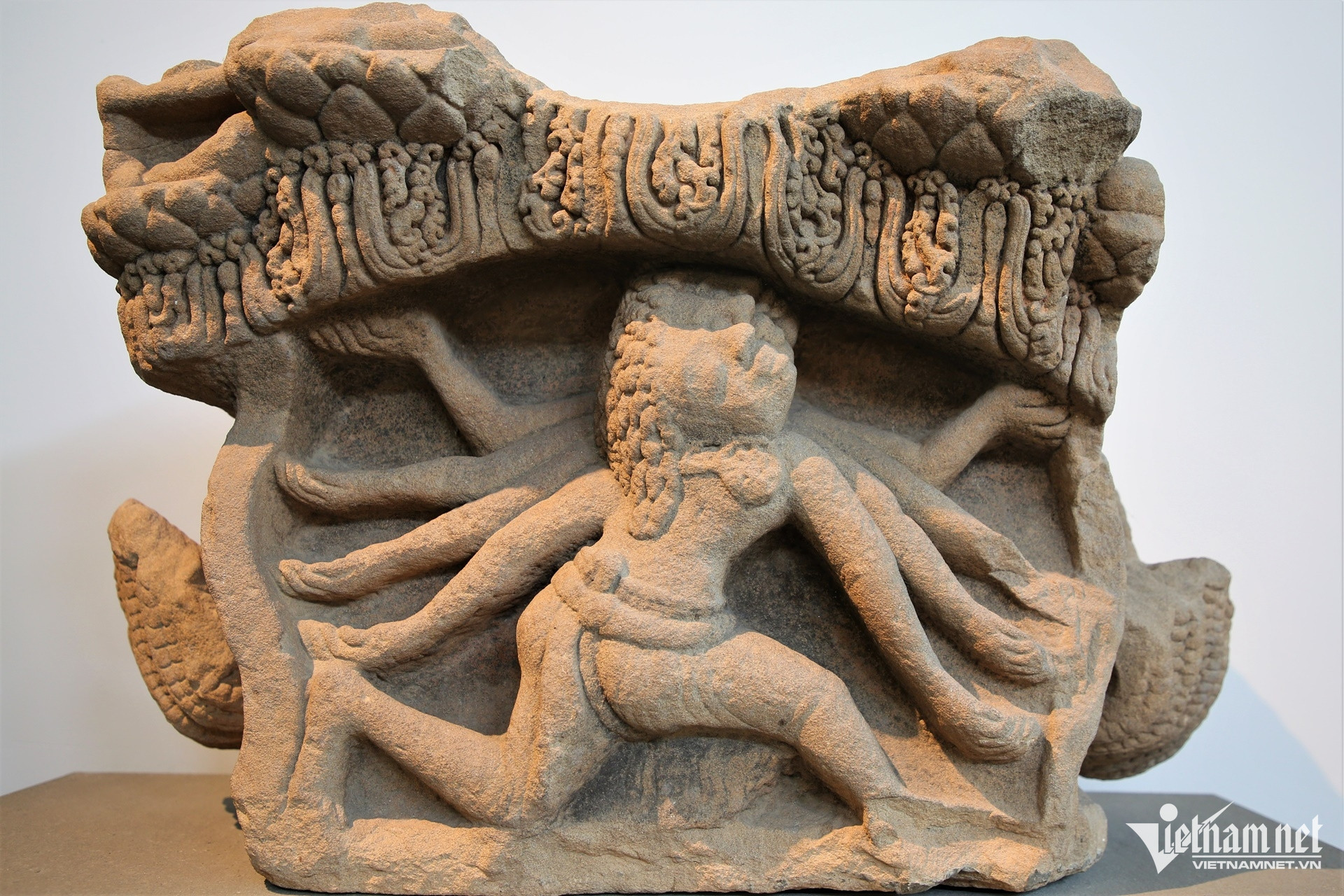
These sculptural artifacts preserve the cultural imprint of Cham civilization across centuries. Photo: Ha Nam
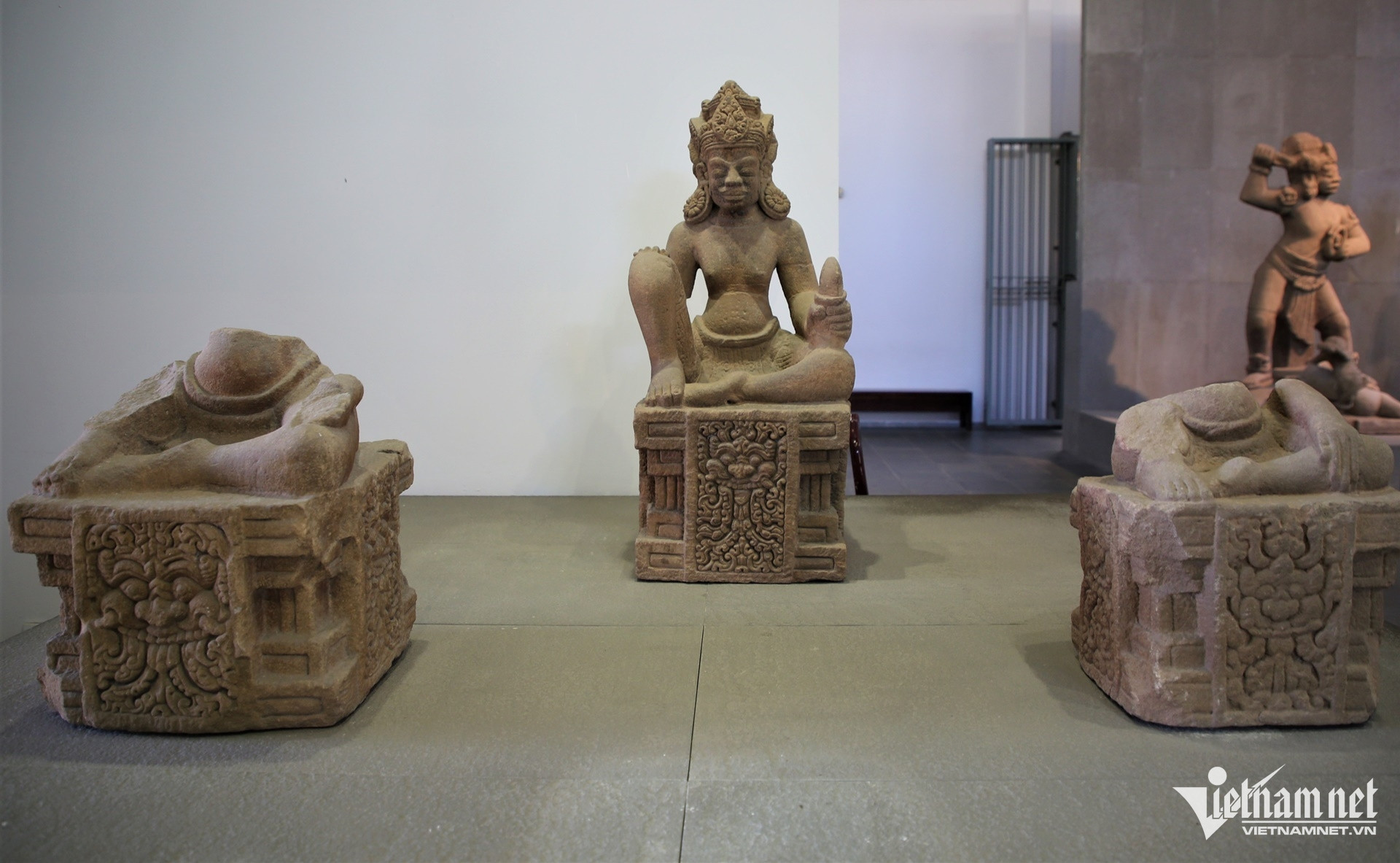
A Deva statue remains mostly intact, while others survive only at the base. Photo: Ha Nam
Ha Nam
.svg)
