 Vietnamnet.vn

 Podcast



On Lang Assembly Hall, also known as Chua Ba On Lang in Cholon, is a well-known spiritual landmark in the city.
Nearly 300 years old
In the closing days of the year, On Lang Assembly Hall, commonly referred to as Chua Ba On Lang in Cholon, Ho Chi Minh City, is crowded with visitors from near and far. It is one of the oldest temples in the city.
According to the temple’s management board, based on an inscription carved on a stone stele dated 1869 that is still preserved at the site, the structure was originally built in 1740.
The temple was constructed by a group of Fujian Chinese merchants who migrated to Vietnam.
The assembly hall spans 1,800 square meters and follows the architectural style of ancient Chinese temples, featuring a wooden load-bearing frame and tubular roof tiles.
The roofline reflects distinct Fujian architectural characteristics, with curved ridges and sharply upturned eaves adorned with ceramic models of citadels.
The rooftop is decorated with intricate motifs such as two dragons contesting a pearl, kylins, phoenixes, miniature citadels and finely crafted ceramic figurines of people and animals.
Documents preserved at the assembly hall show that the ceramic dragon statues and reliefs mounted along the roof ridge and eaves are distinctive decorative elements unique to On Lang Assembly Hall.
The nearly three-century-old temple worships multiple deities in accordance with Chinese folk beliefs, including Thien Hau Thanh Mau, Phuoc Duc Chinh Than, Lady Thai Sinh, Bodhisattva Avalokitesvara, Guan Gong, Bao Gong, the City God, Tuong Dan Lao Gia and the Monkey King.
Among them, Thien Hau Thanh Mau - revered as the protector of those who travel by water and do business far from home - is worshipped at the main altar.
Because it venerates many deities, the temple attracts large numbers of visitors seeking blessings for wealth, romance, peace and health.
In particular, during the final days of the year, many people come to perform the ritual known as “beating the petty spirit,” a long-standing custom among the Chinese community.
‘Beating the petty spirit’
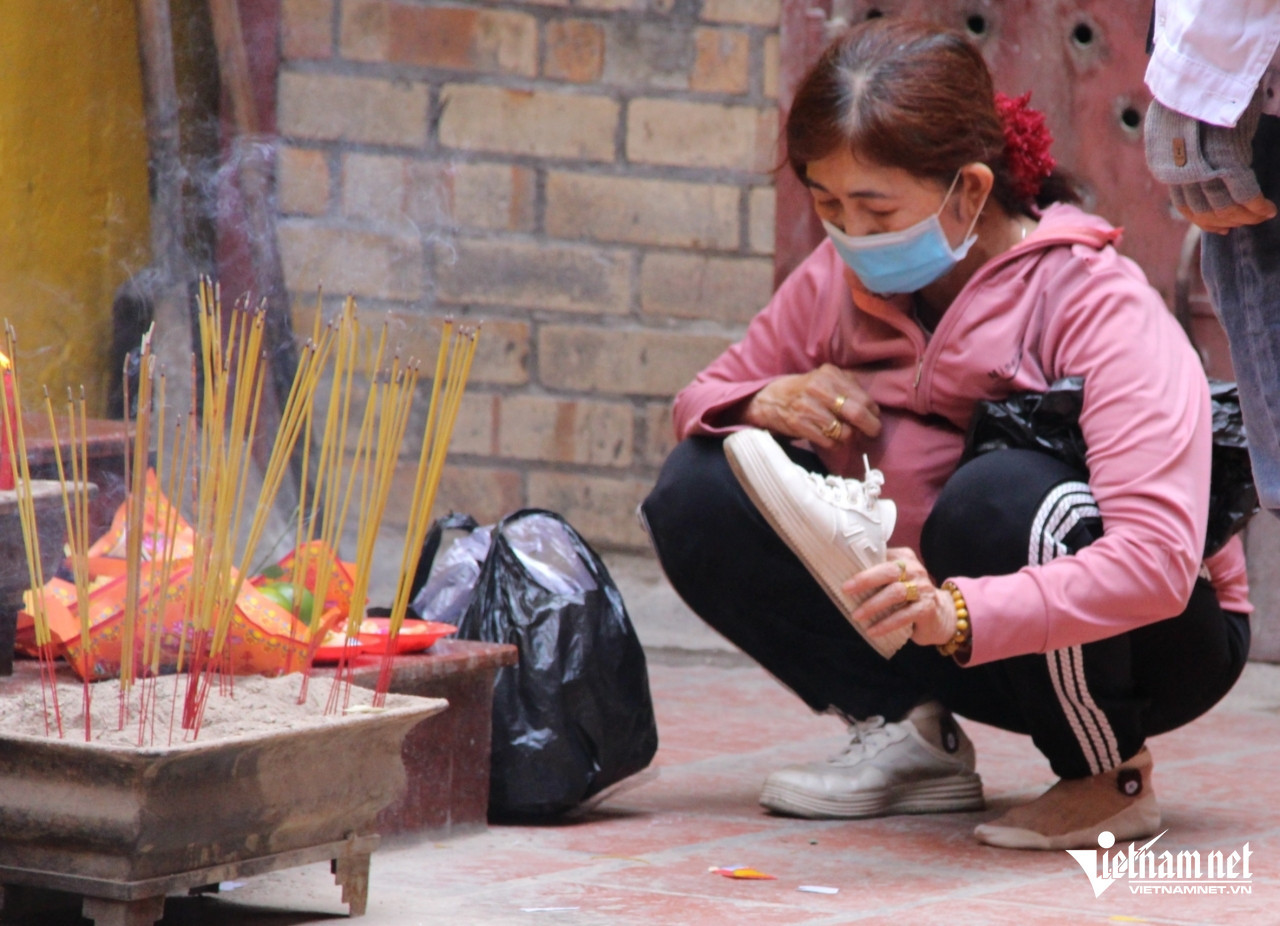
After lighting incense at the altar of Thien Hau Thanh Mau, a woman in her 60s moves to the Tiger Deity altar to pray. She then tosses a small piece of paper onto the tiled floor and repeatedly strikes it with her shoe.
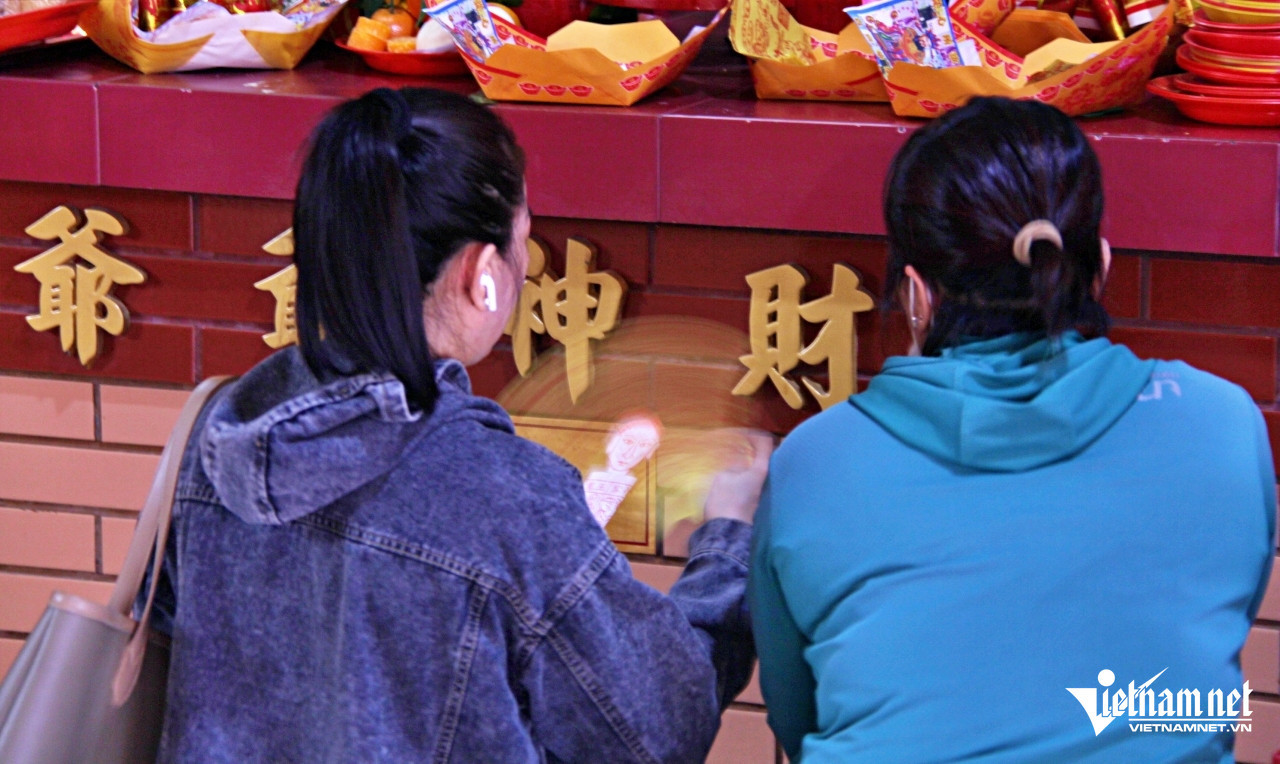
Nearby, two other women firmly stomp on small pieces of paper placed on the floor in front of the God of Wealth altar. Others rub the paper vigorously against the tiles.
A visitor explains that this is part of the “beating the petty spirit” ritual, once common among the Chinese community in Cholon.
“When performing the ritual, people usually offer incense, candles, votive paper and a paper effigy. After completing the prayers, they fan the effigy with votive paper, then place it on the ground as a symbol of those considered ‘petty spirits.’
They then repeatedly strike the effigy with shoes while praying to the White Tiger deity.
Some continue until the effigy is torn apart, while others strike it only a few symbolic times.
But everyone believes that by doing so, ‘petty spirits’ will no longer follow or cause harm,” the visitor shared.
According to the management board of On Lang Assembly Hall, in previous years the temple attracted both Chinese and Vietnamese visitors who came to worship, pray for prosperity and peace, and perform the “beating the petty spirit” ritual.
However, over time, the custom has gradually changed in nature and has been exploited by some for personal gain, turning into superstition. Therefore, while the temple does not strictly prohibit the practice, it does not actively encourage visitors to carry it out.
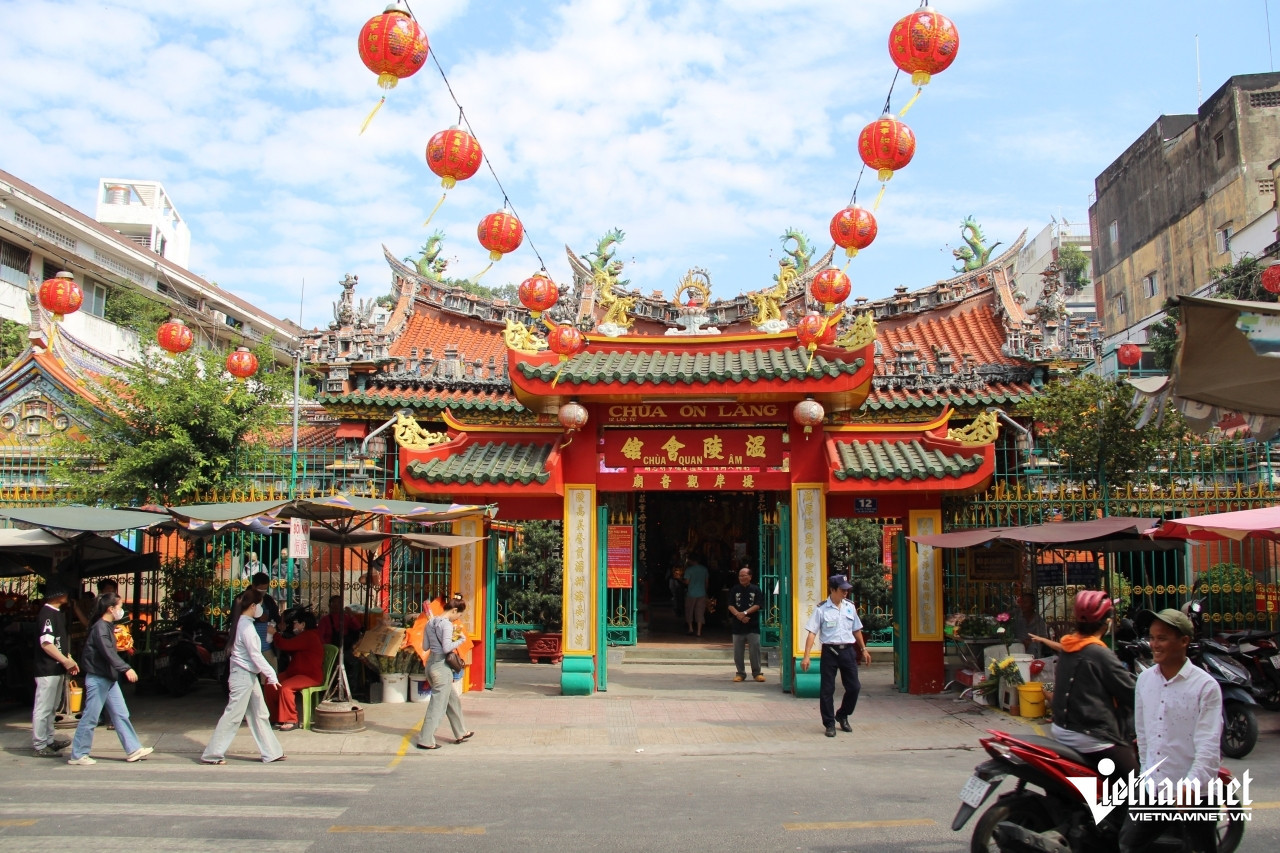
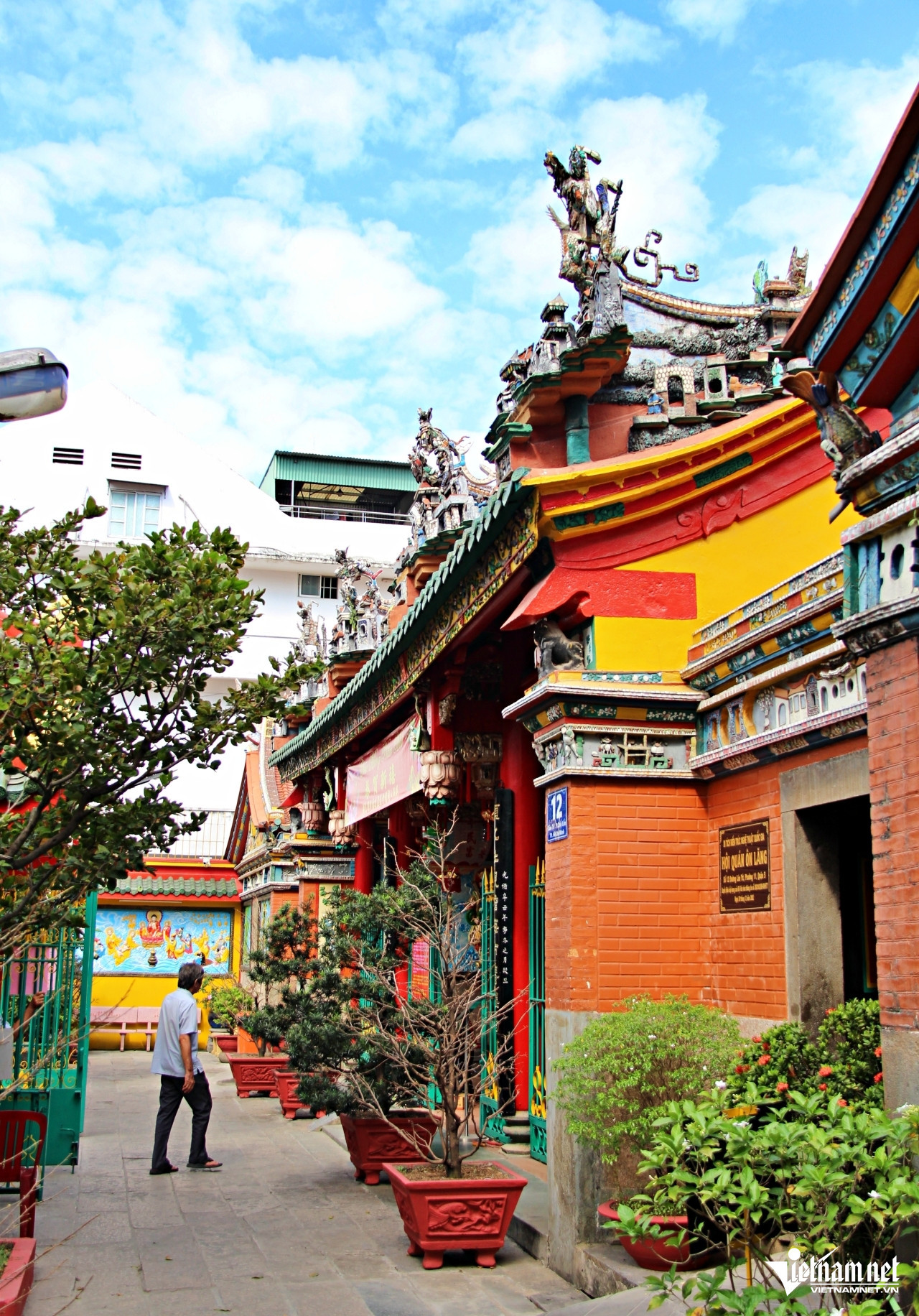
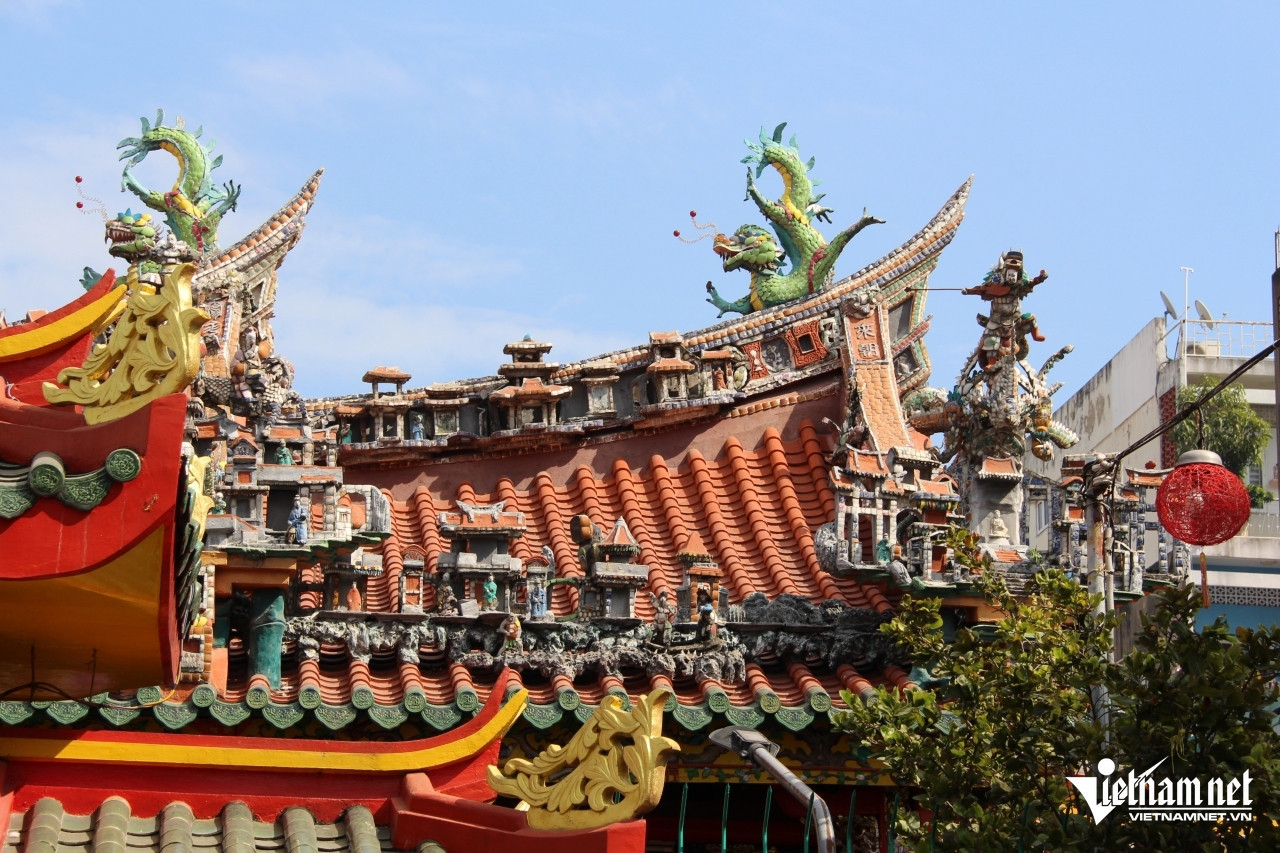
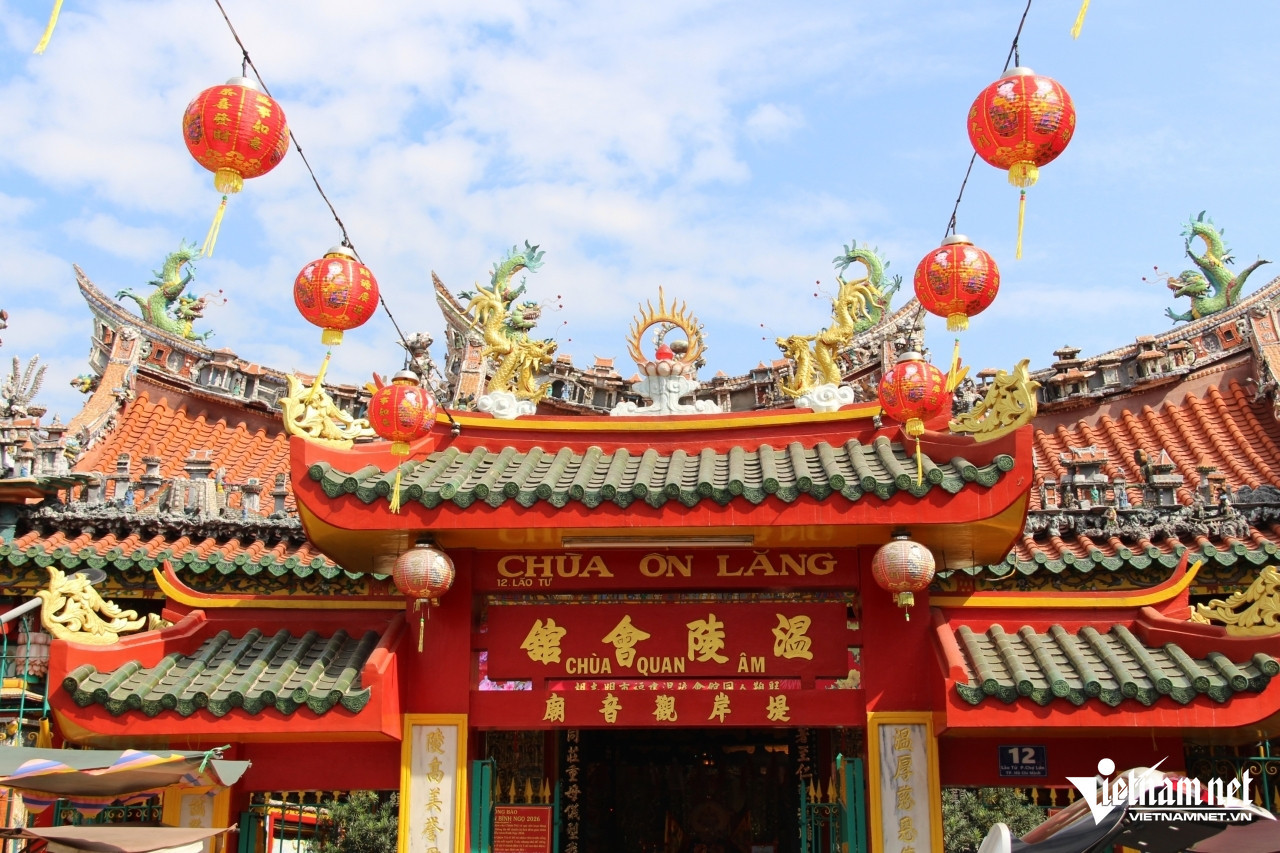
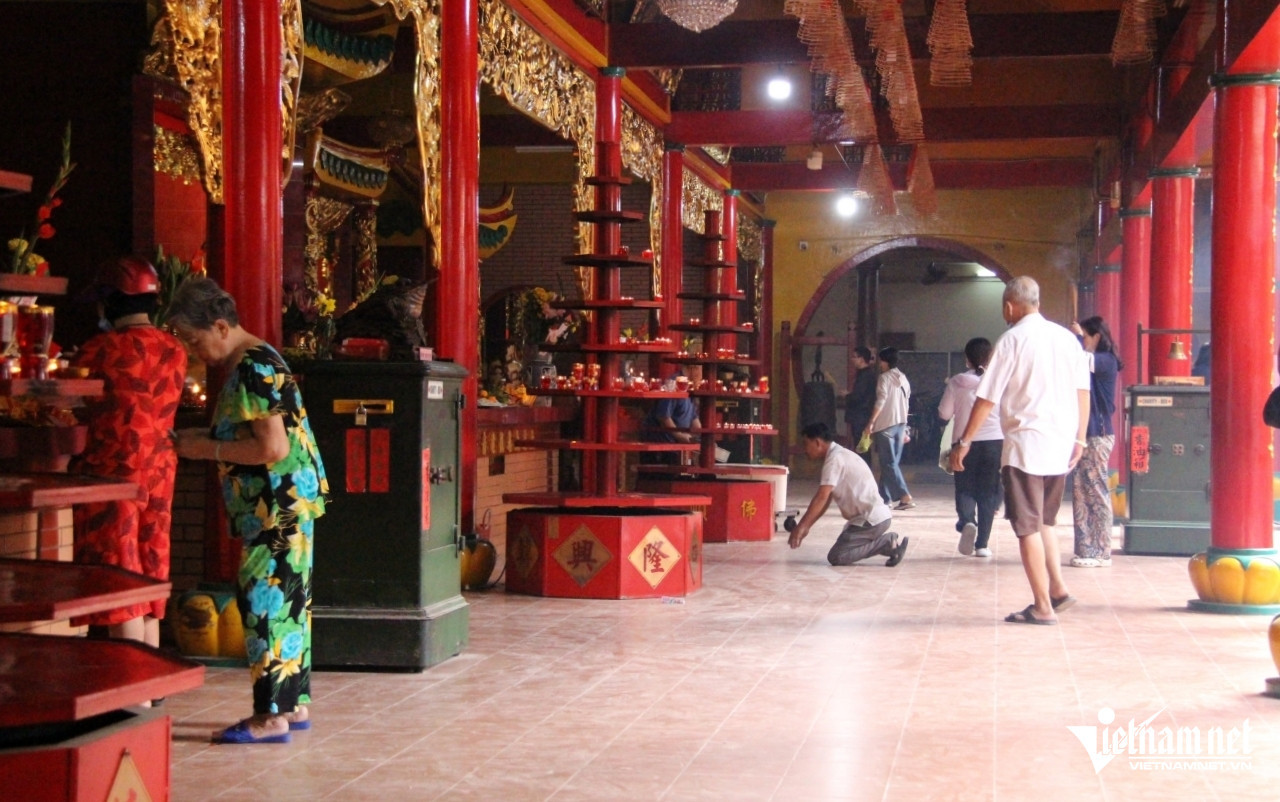
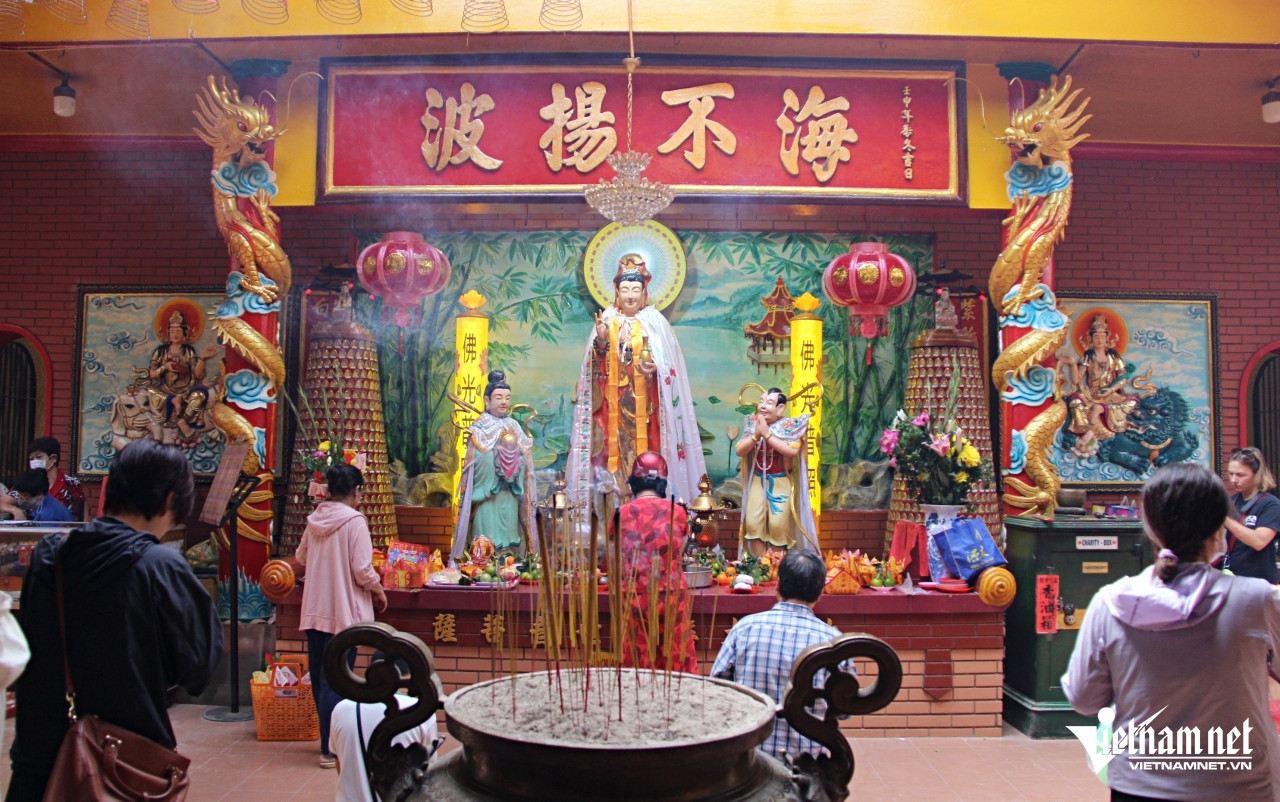
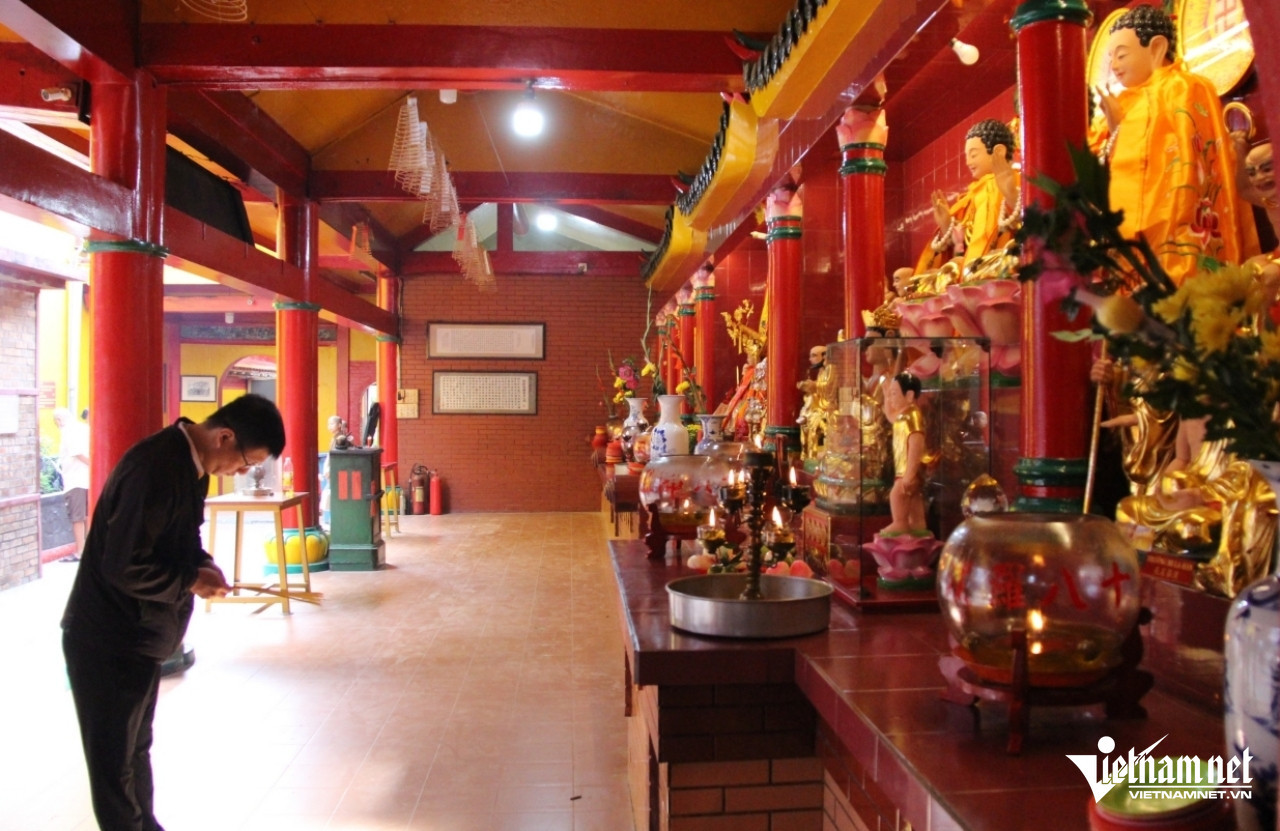
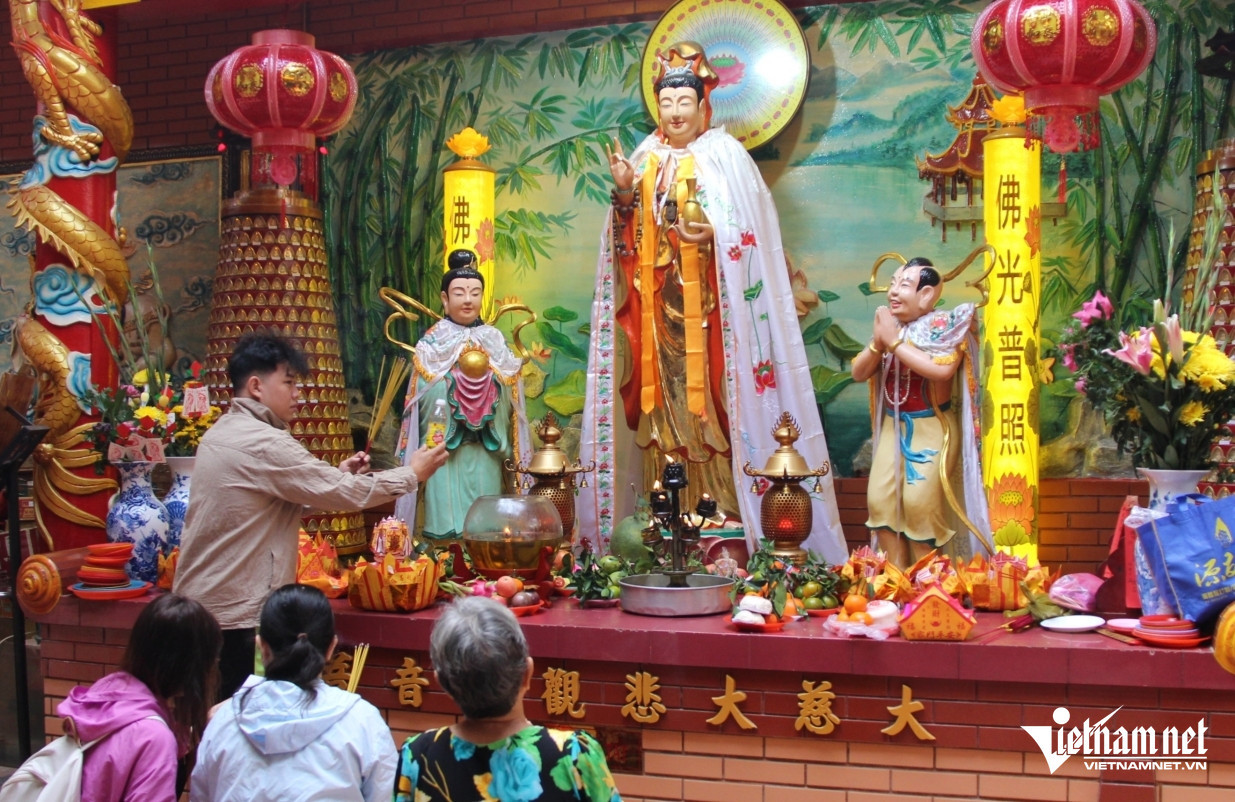
As the year draws to a close and the New Year begins, the assembly hall becomes increasingly crowded with people praying for peace and health. Photo: Ha Nguyen
Ha Nguyen
.svg)
