 Vietnamnet.vn

 Podcast



Tran Tuyen
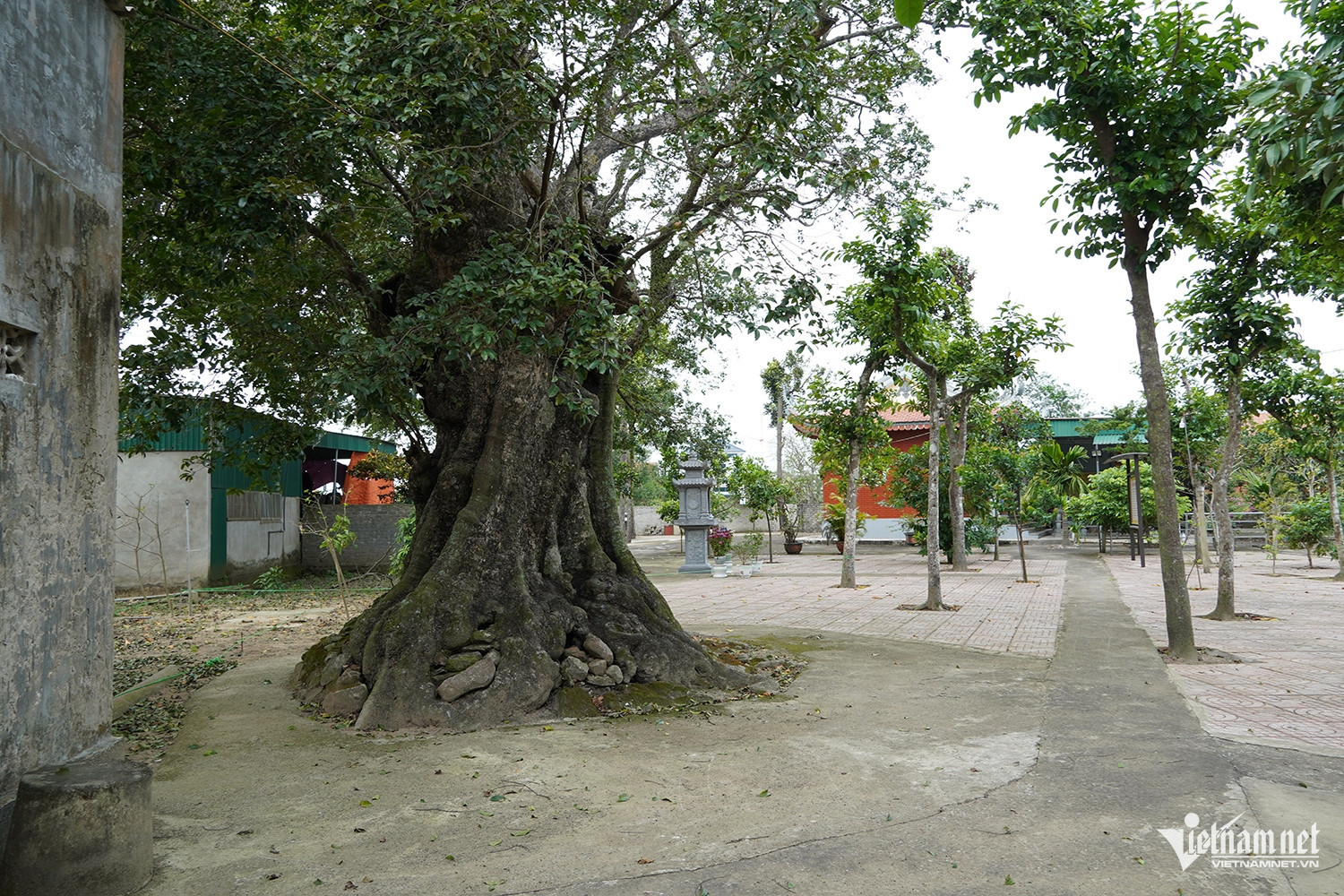
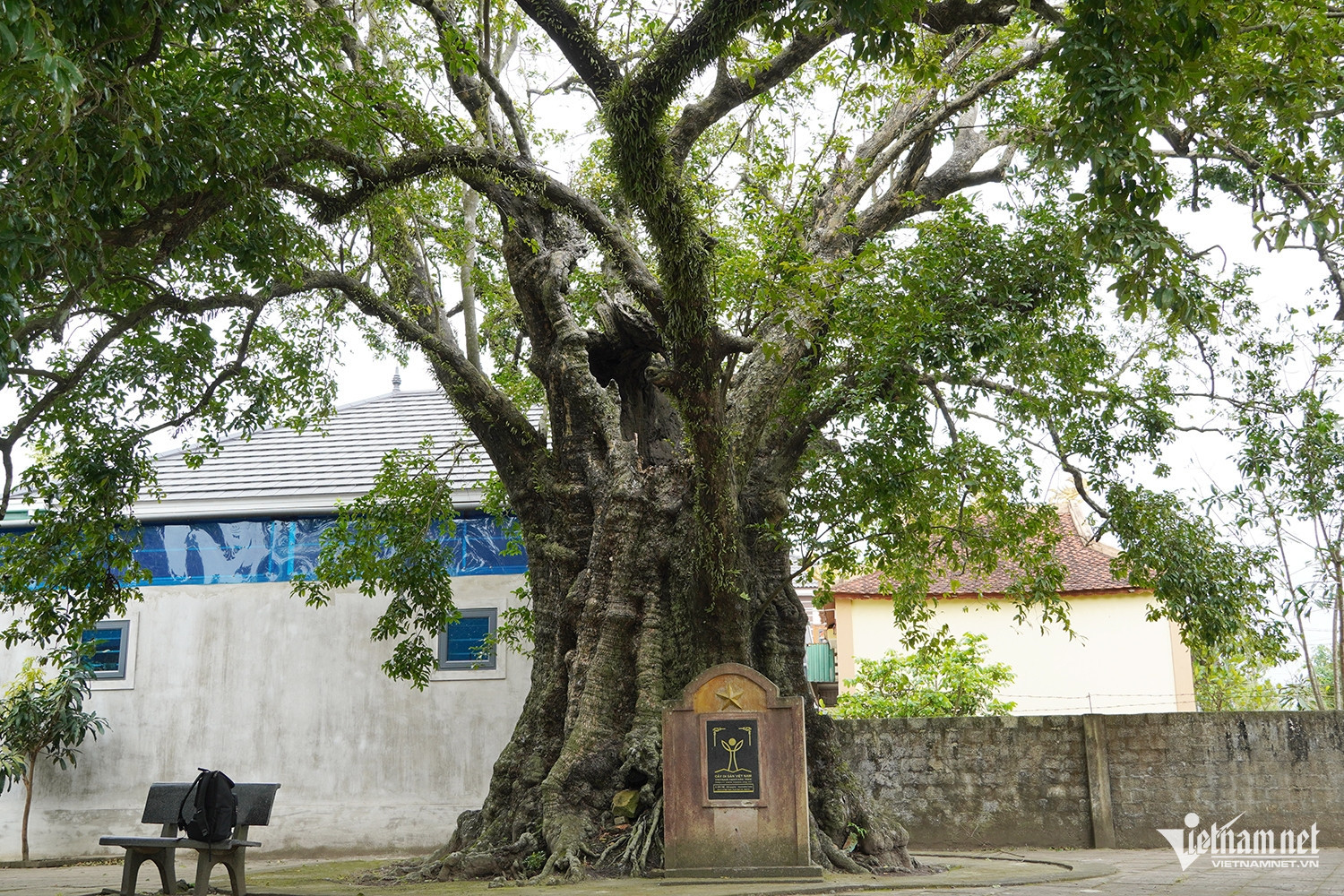
Located within the garden of Le Thanh Ha, 67, in Dong Thinh 2 hamlet, Dong Loc commune, the trees have long been a distinctive feature of the local landscape. Beyond providing shade year-round, they carry deep historical, cultural and environmental significance.
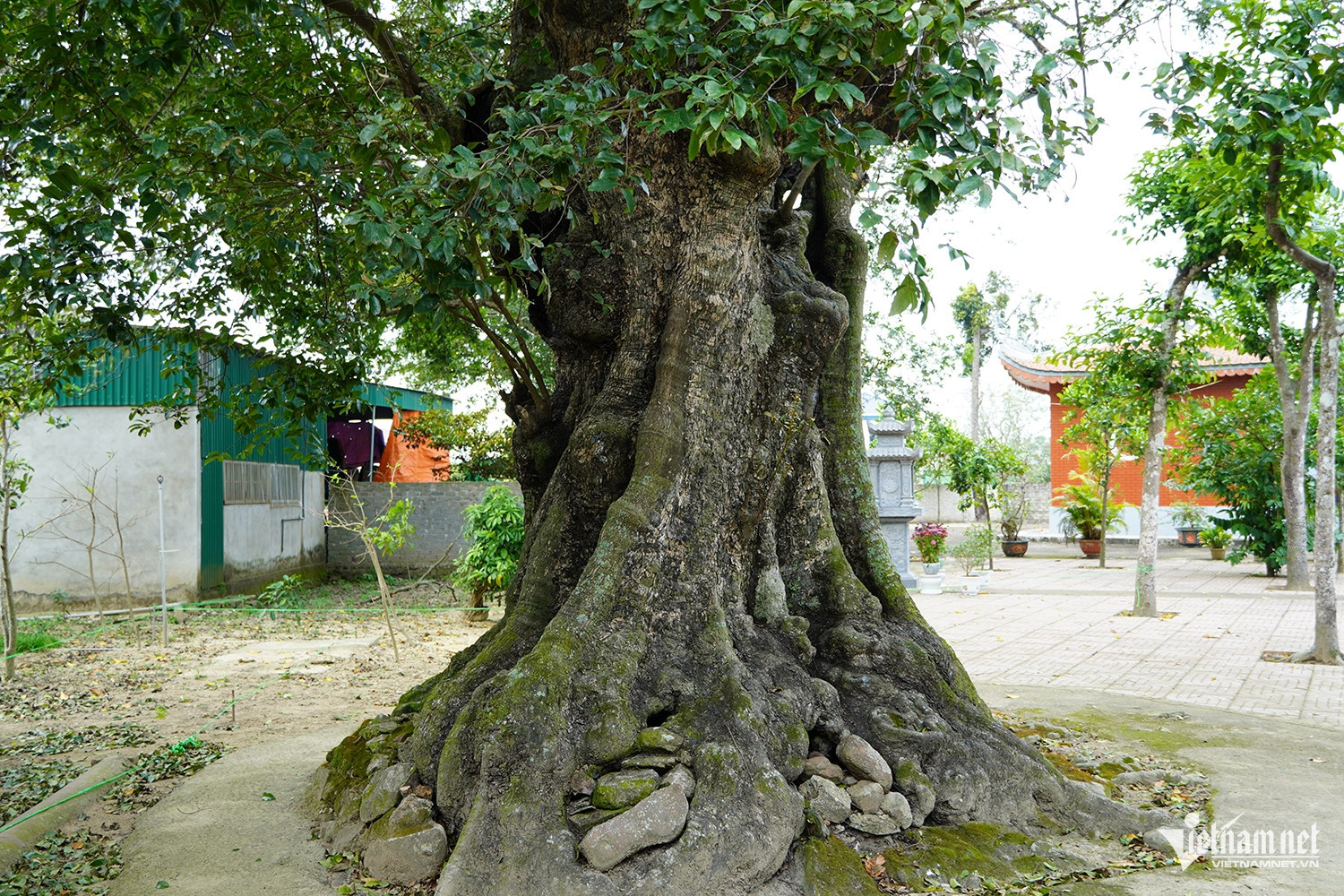
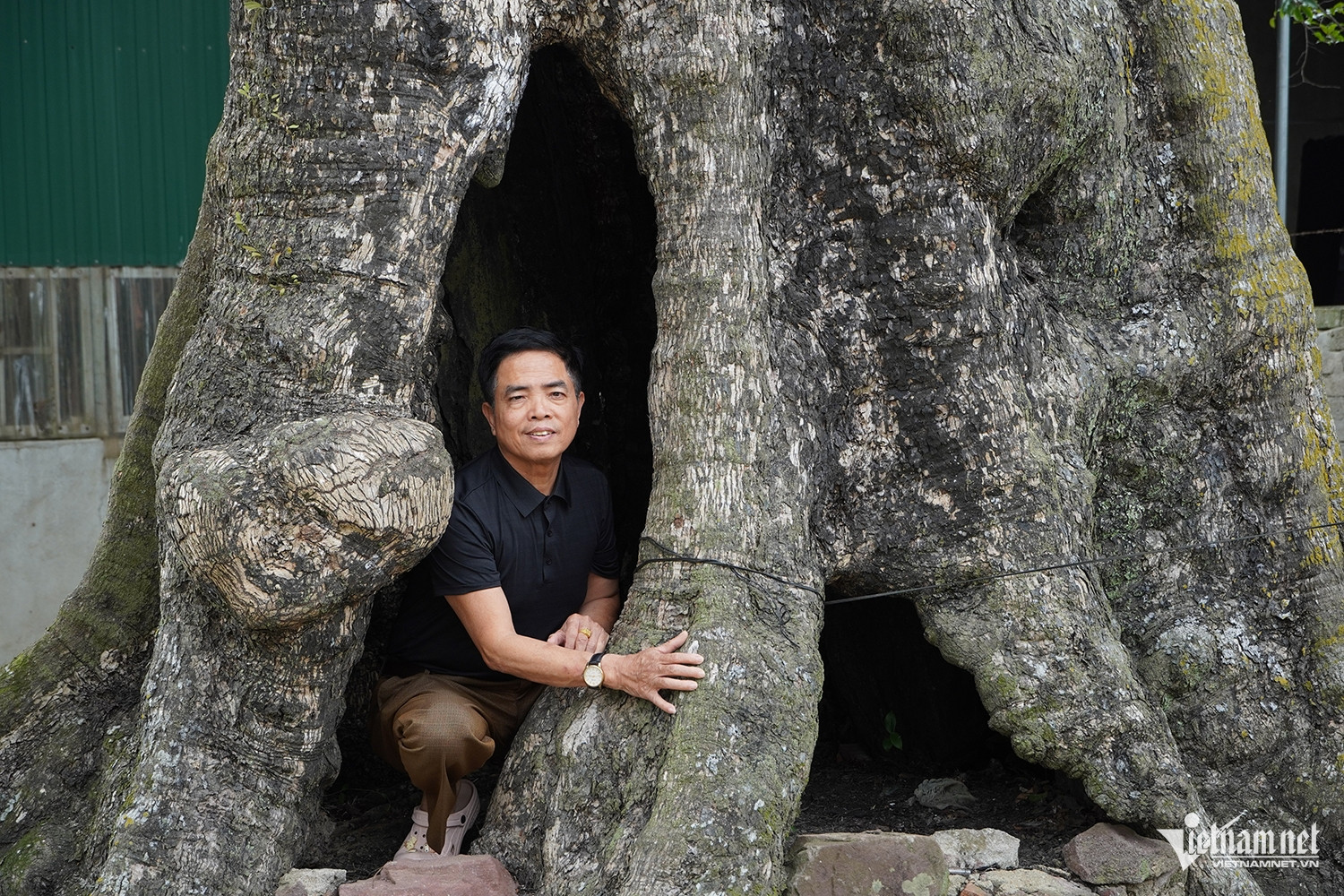
Each tree is massive in scale, rising to around 40 meters with dense canopies. Their trunks measure nearly four meters in diameter, requiring eight to ten adults to encircle them.
Hollow yet enduring
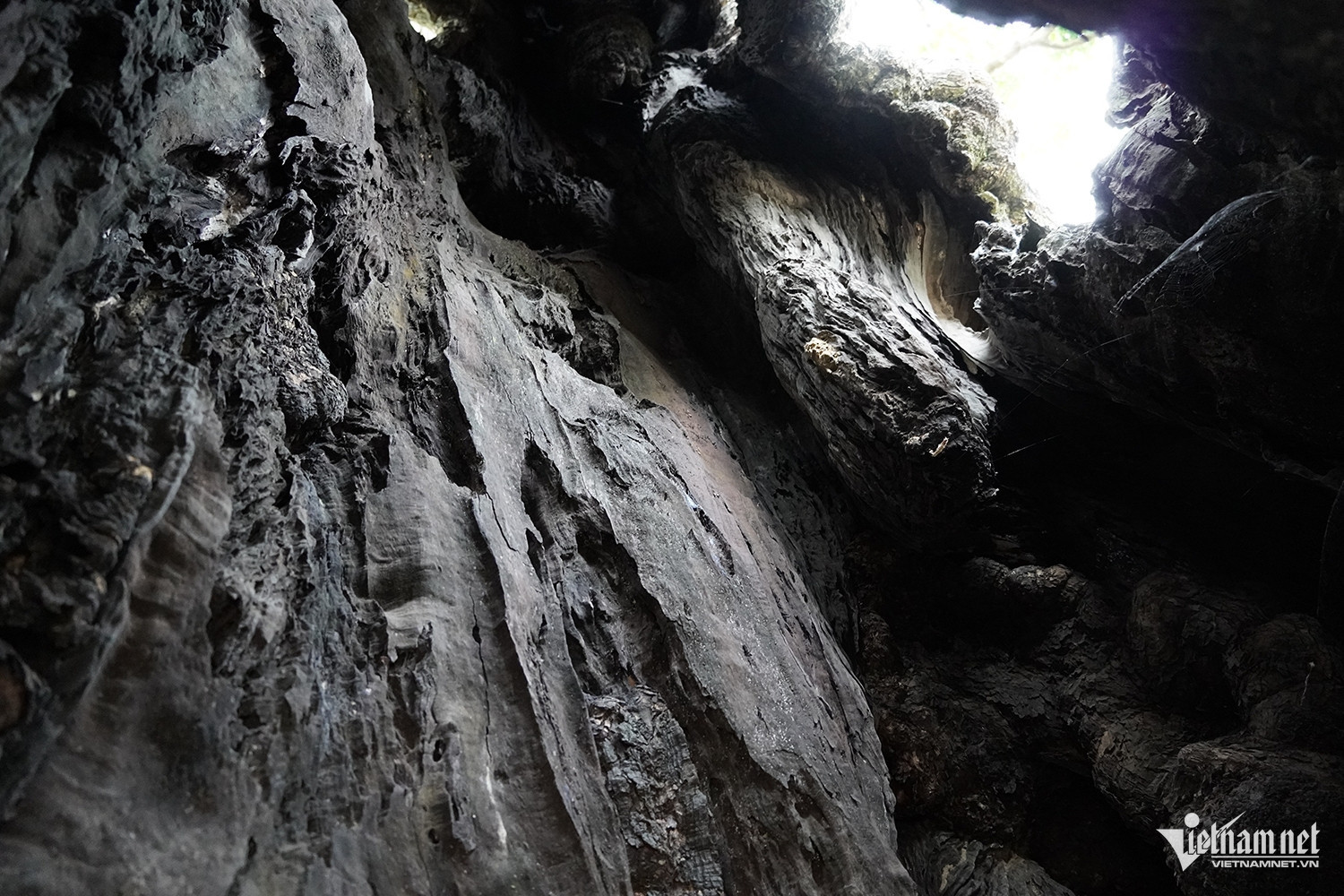
After centuries of growth, much of the inner wood has decayed, leaving the trees hollow. Yet remarkably, they remain upright and vigorous, sustained by their outer layers.
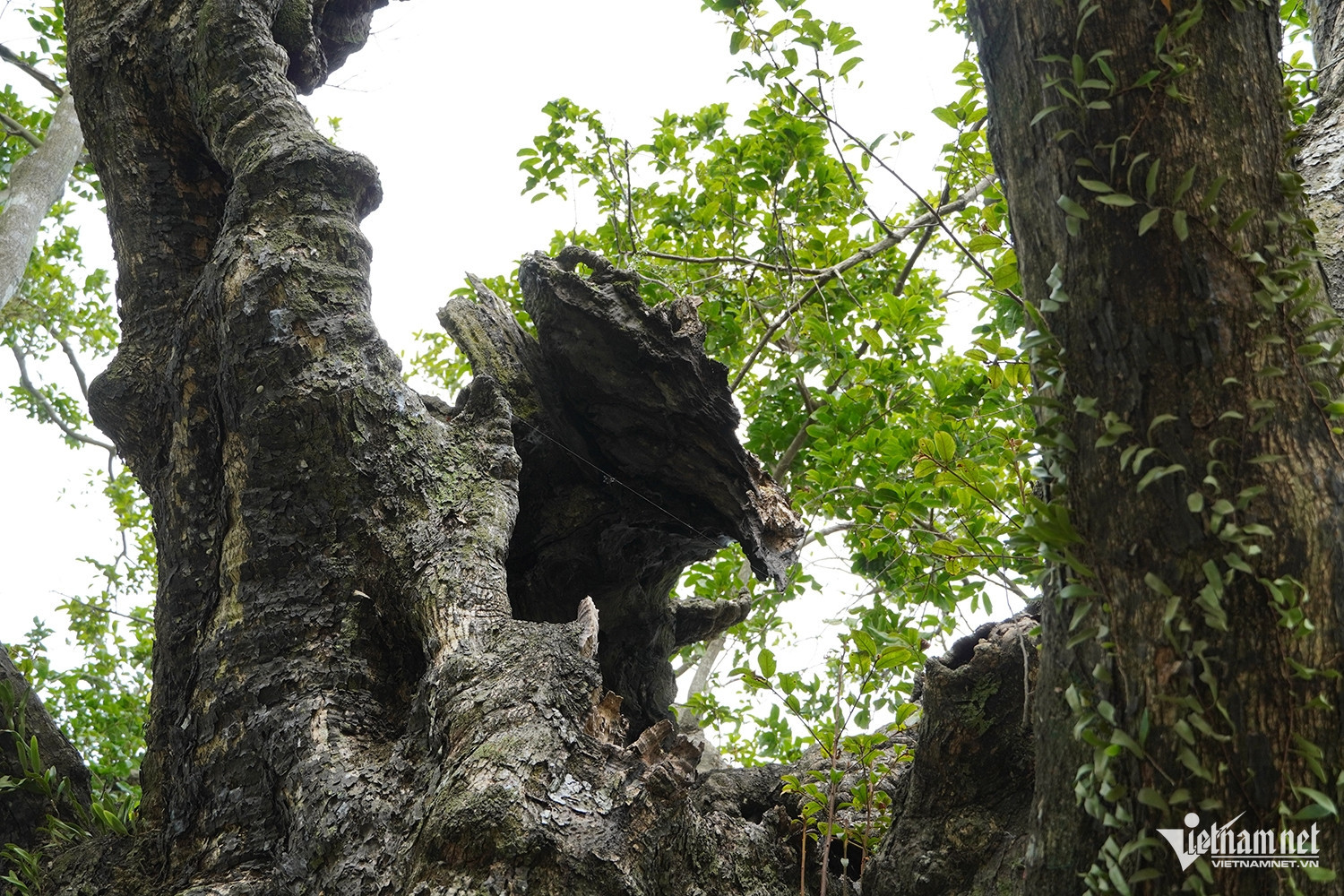
Their trunks and branches are covered with moss and host various parasitic plants, adding to their ancient, weathered appearance. Time has etched visible marks into every surface.
One of the trees lost its top during a major storm in 2025, but it has since sprouted new shoots and continues to grow strongly, a testament to its enduring vitality.
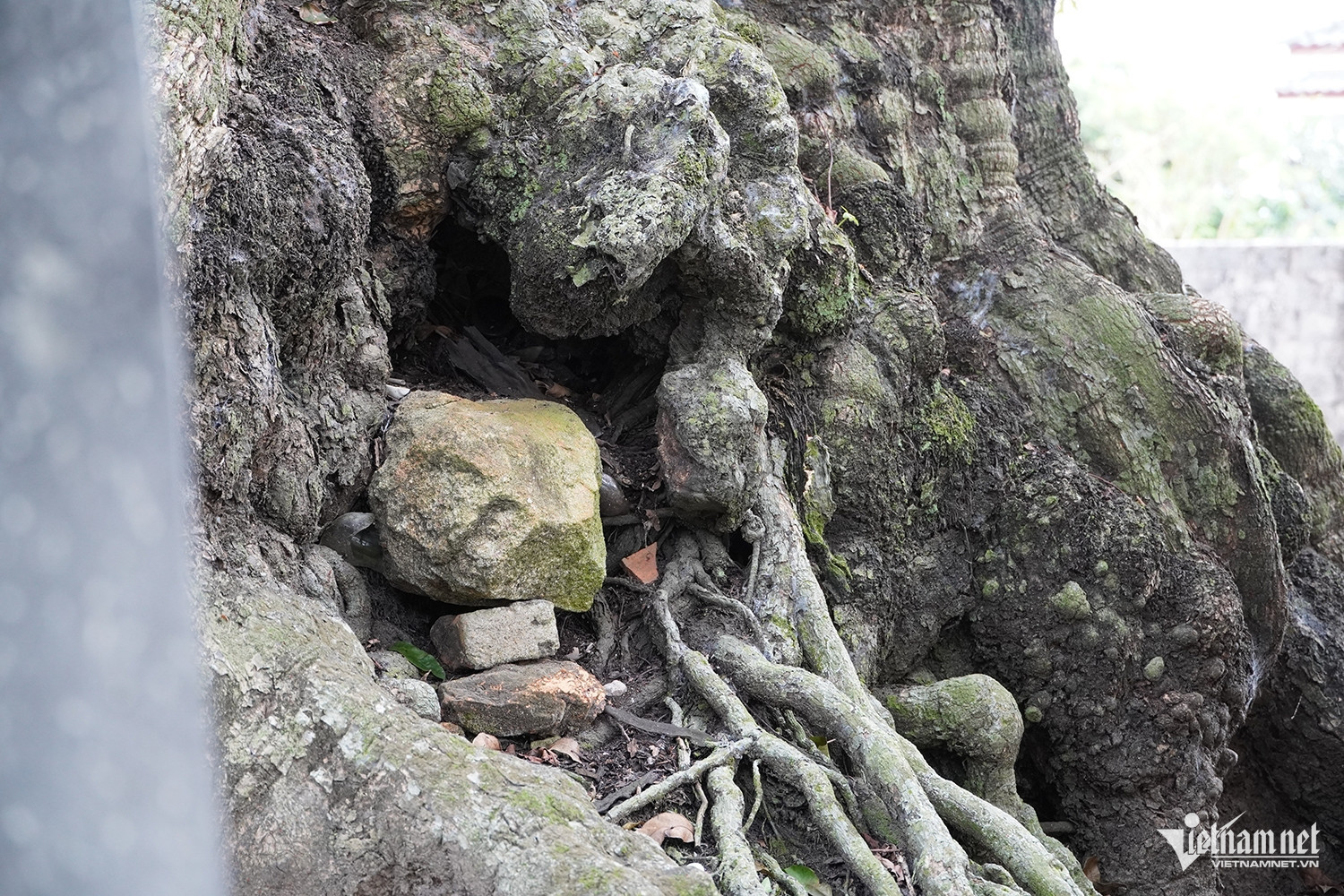
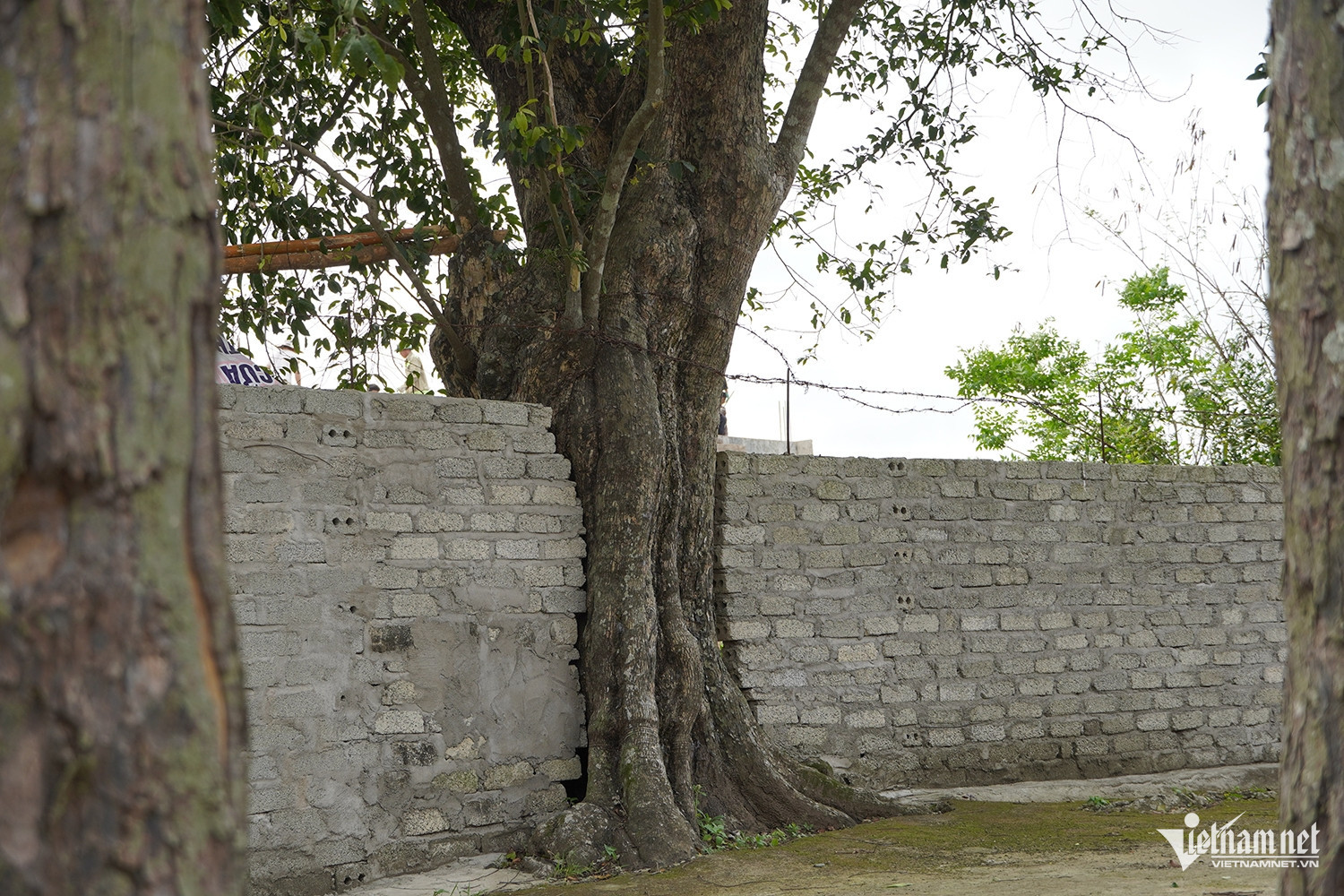
At the base, thick roots spread deep into the soil and rise above ground in places, even engulfing stone slabs that once formed protective borders around the trees.
Rooted in history
The grove is not only biologically remarkable but also steeped in local history. Residents say the site once served as a place where elephants of Emperor Quang Trung were tethered during troop gatherings before his march north to defeat Qing forces in 1789.
During both the resistance wars against French and American forces, the garden was also used as a revolutionary base.
In 2011, authorities and scientists conducted surveys and held a field workshop at the site. By analyzing samples from bark and branches, they determined that the trees are nearly 700 years old.
Living heritage
Despite their age, the trees continue to flower and bear fruit each year. The family harvests and sells the fruit, earning around VND10-15 million annually (US$400-600).
Over the years, there have been multiple offers to purchase or develop the site for tourism. One businessman reportedly offered up to VND12 billion (US$490,000) to turn it into an eco-tourism destination. However, the family has consistently refused.
About 15 years ago, the cluster was officially recognized as Vietnam Heritage Trees. Since then, it has become a familiar destination for visitors traveling through Nghe An, drawn by a quiet wonder that has endured for centuries.
.svg)
