 Vietnamnet.vn

 Podcast



A family-owned orchard of more than 300 heritage longan trees, many over 50 years old, is attracting growing numbers of visitors to Vietnam's Mekong Delta with its twisted, dragon-like trunks and fragrant fruit harvested straight from the branches.
Located in Binh Thuy Ward, Can Tho City, Hieu Trang Longan Orchard is one of the few places still preserving the traditional longan long variety, once widely grown across the region.
Today, the orchard has become a popular destination for travelers seeking an authentic Mekong Delta garden experience.
Preserving a grandfather's legacy
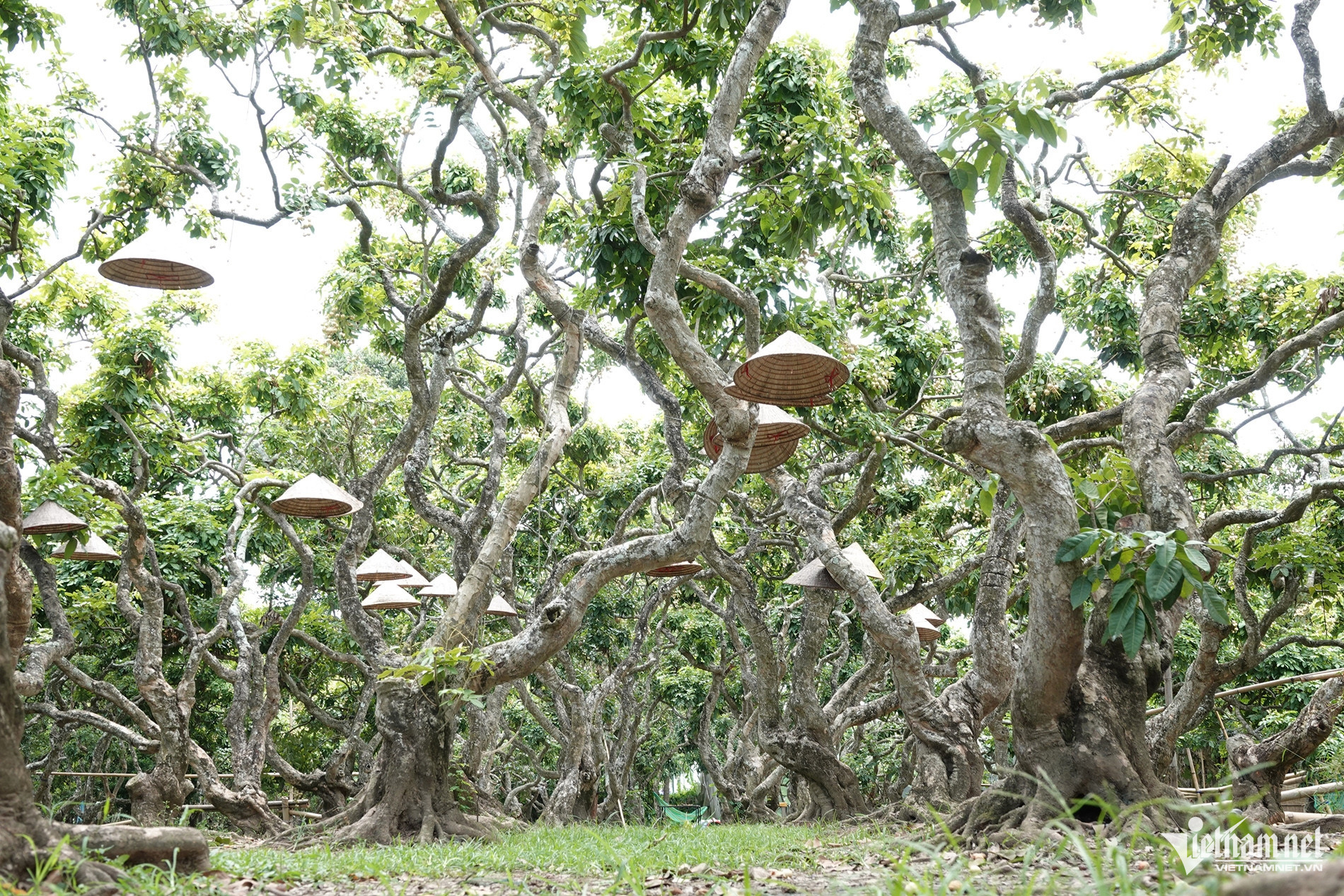
According to orchard owner Tran Thanh Hieu, 46, the trees were planted decades ago by his grandfather.
By the time he was born, the orchard was already mature, leading him to estimate that most of the trees are now more than half a century old.
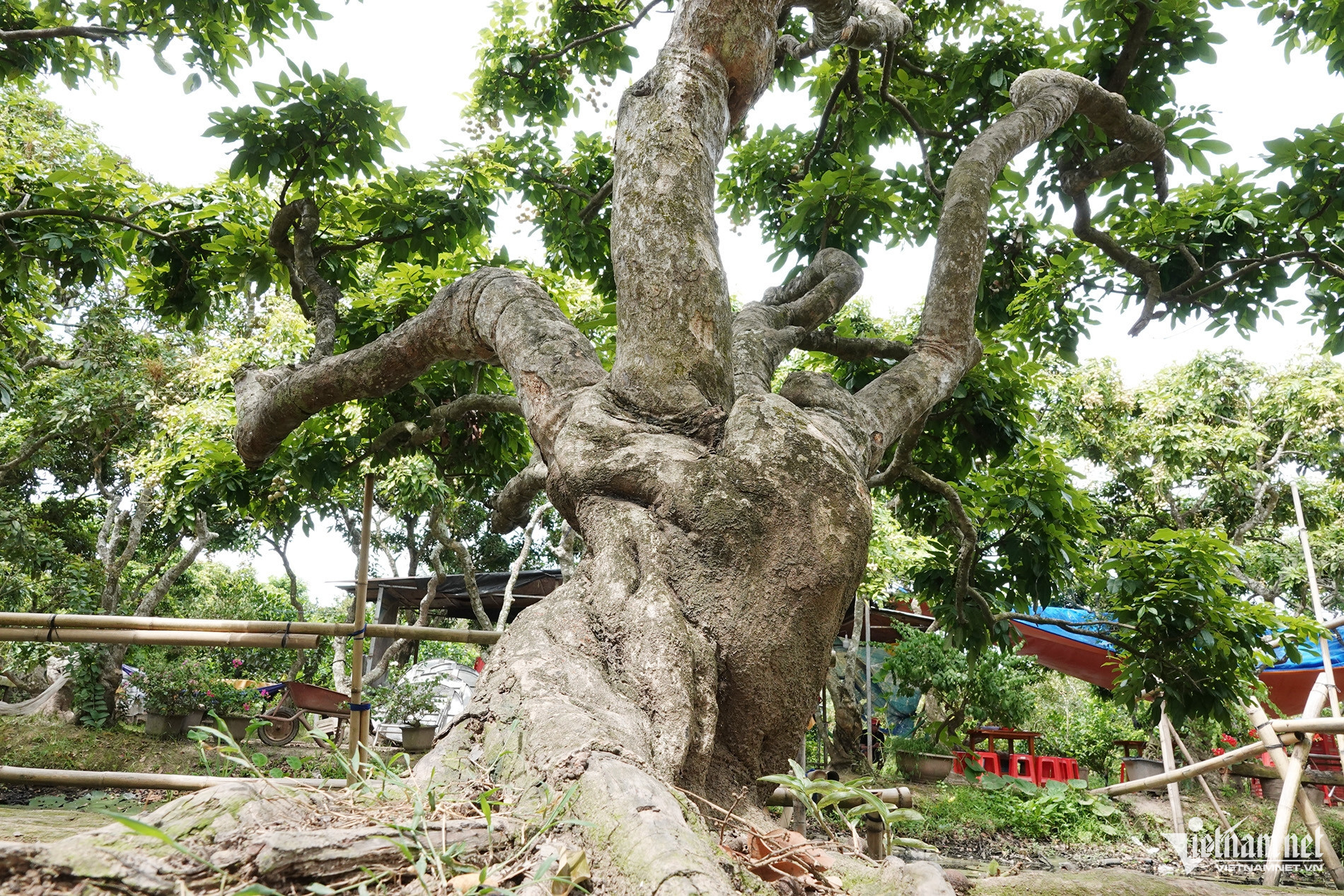
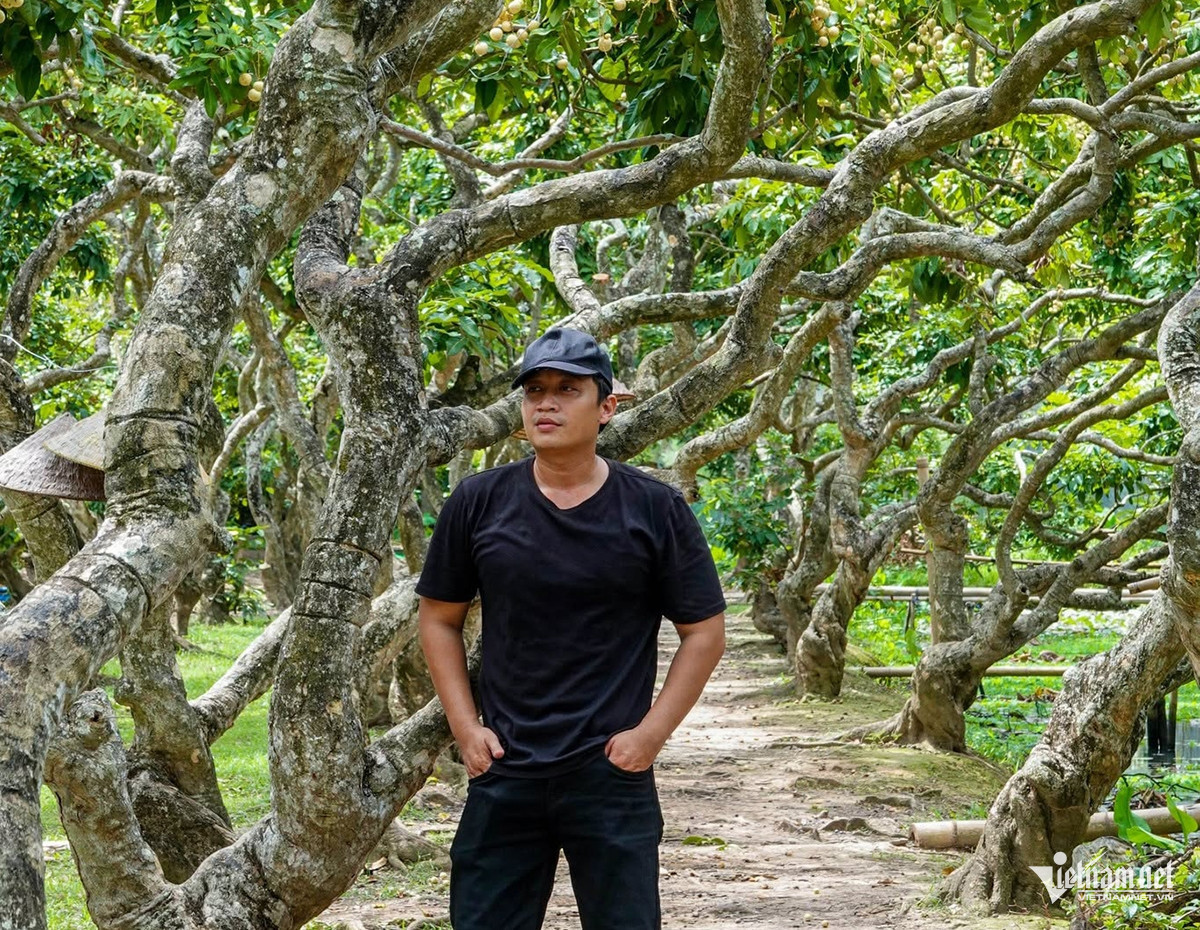
What makes the orchard especially distinctive is the appearance of its ancient trees.
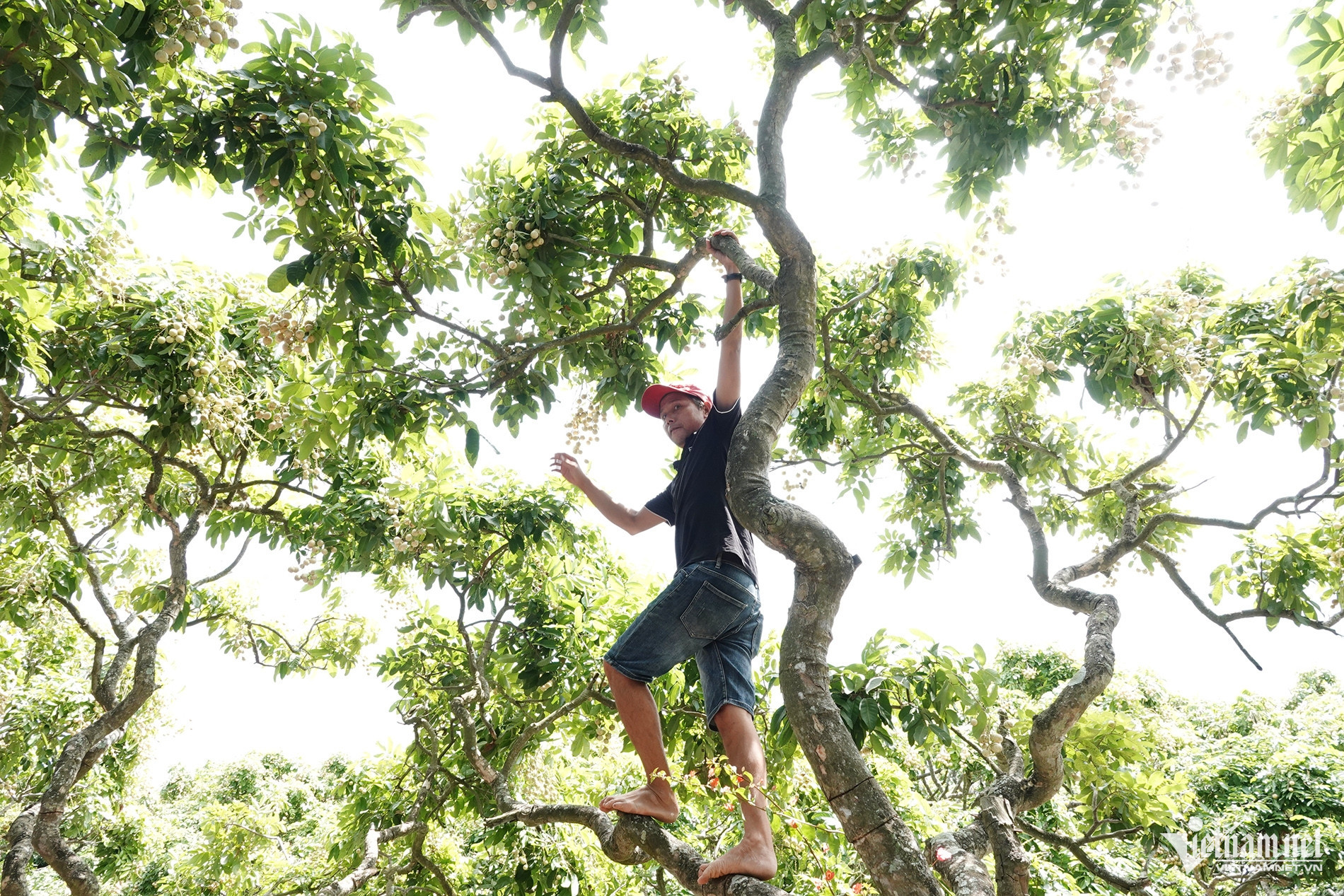
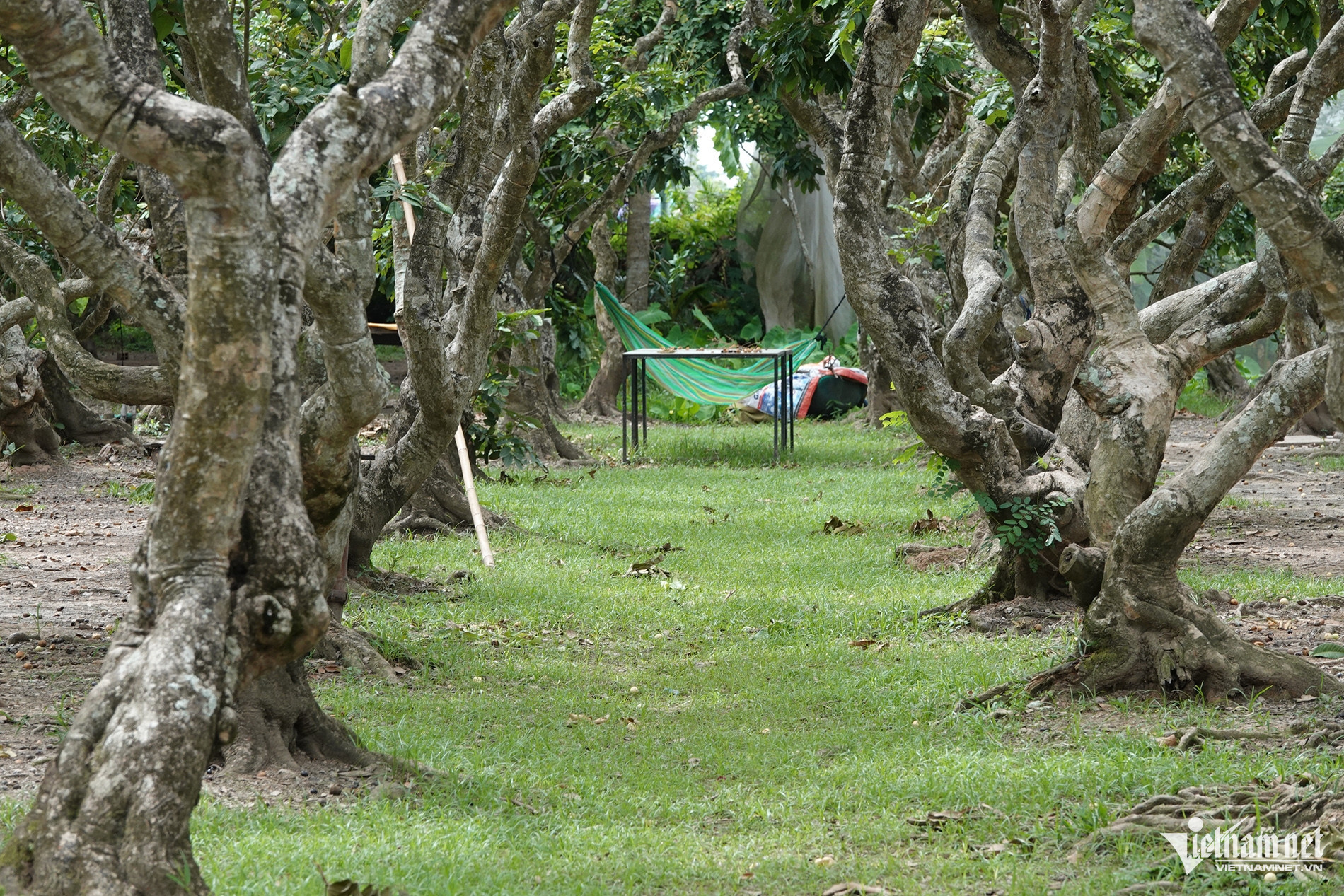
After decades of growth, their trunks have developed rough bark, natural knots and thick moss. Many twist and spiral upward into dramatic shapes resembling flying dragons or giant bonsai sculptures.
"This orchard belonged to my grandfather," Hieu said. "In the past, nearly every family on this river island grew this traditional longan variety. Later, many switched to Thai longan, ox longan or rambutan because they offered higher economic returns. My family became busy with other work and never cleared the old trees, so we unintentionally preserved my grandparents' legacy."
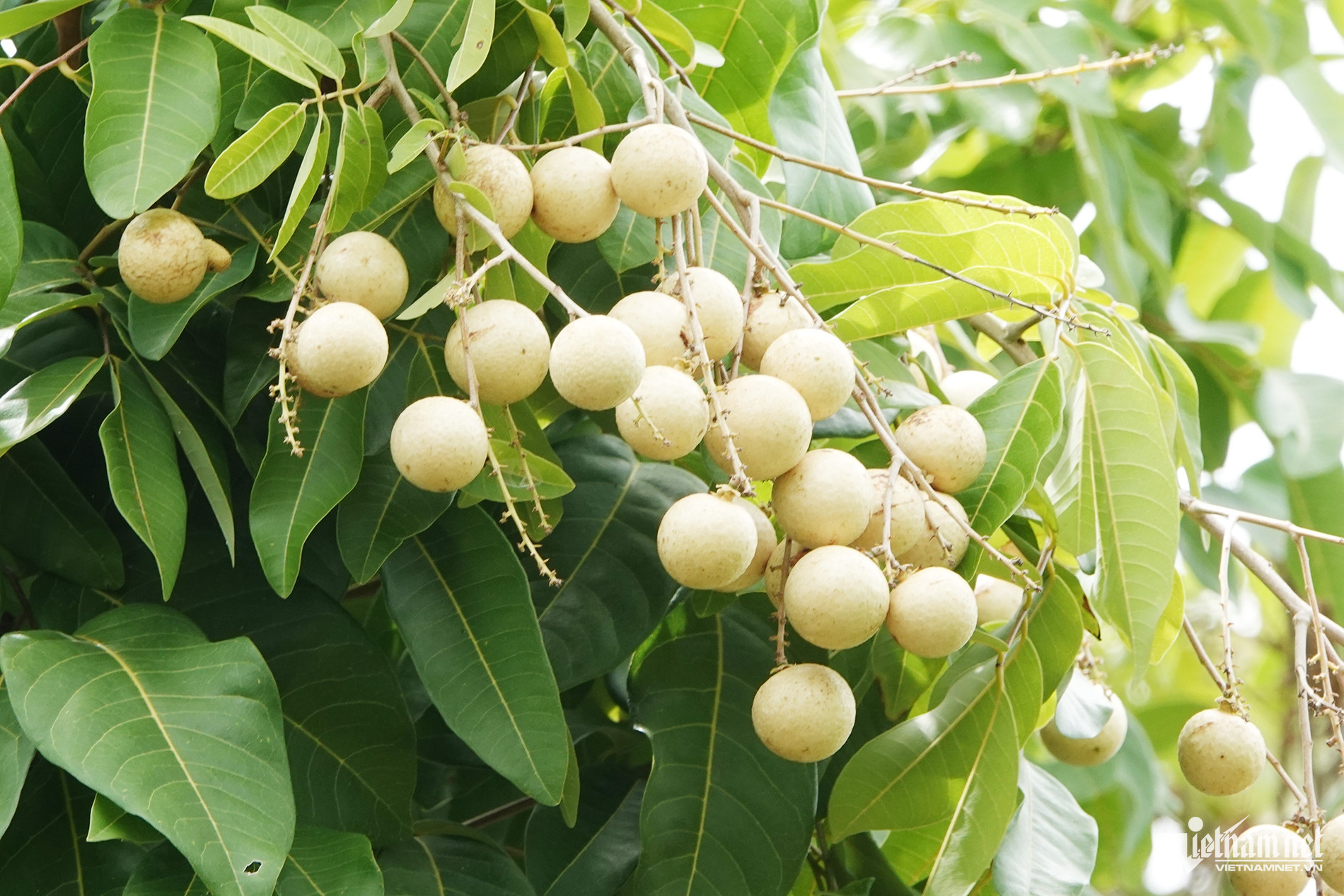
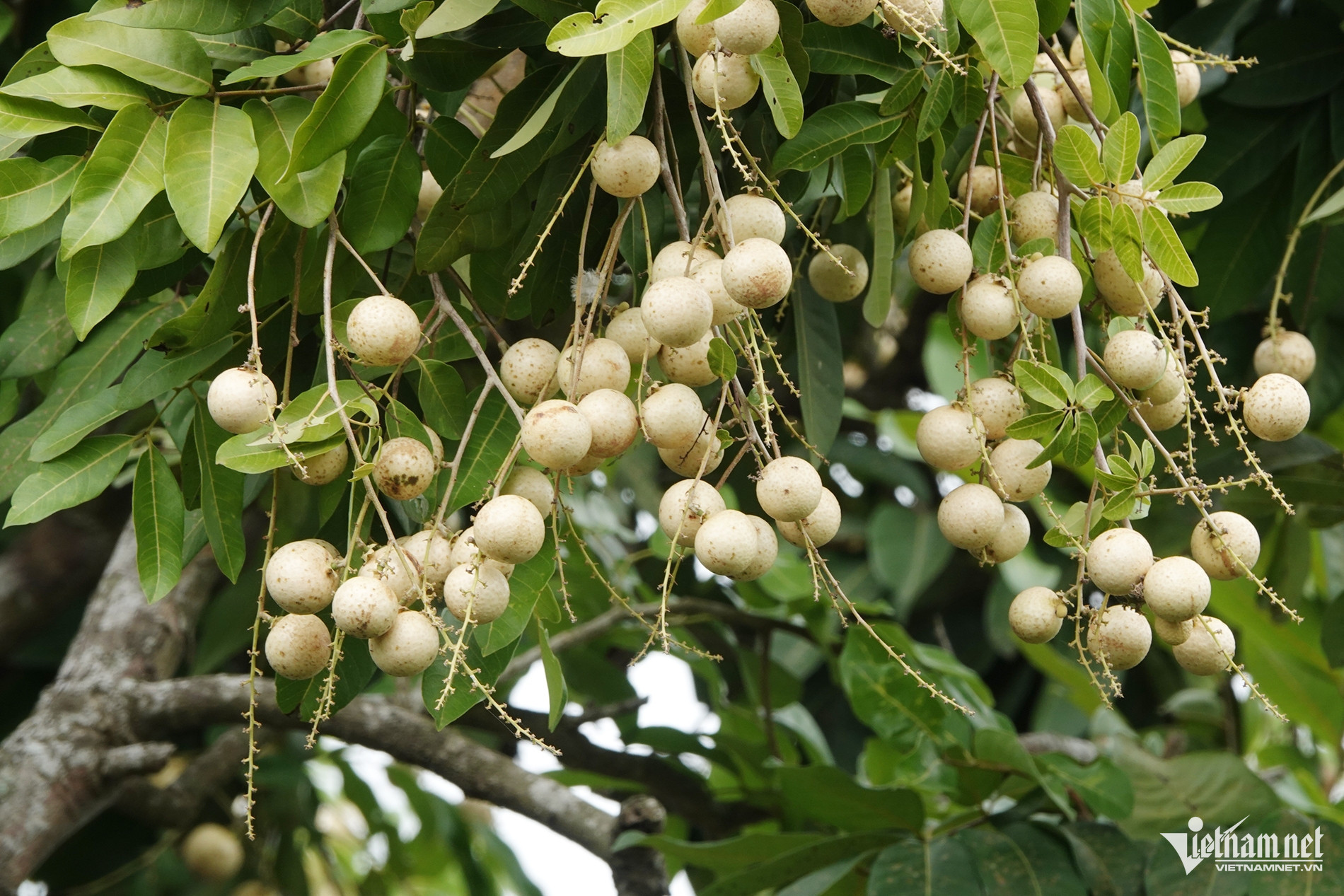
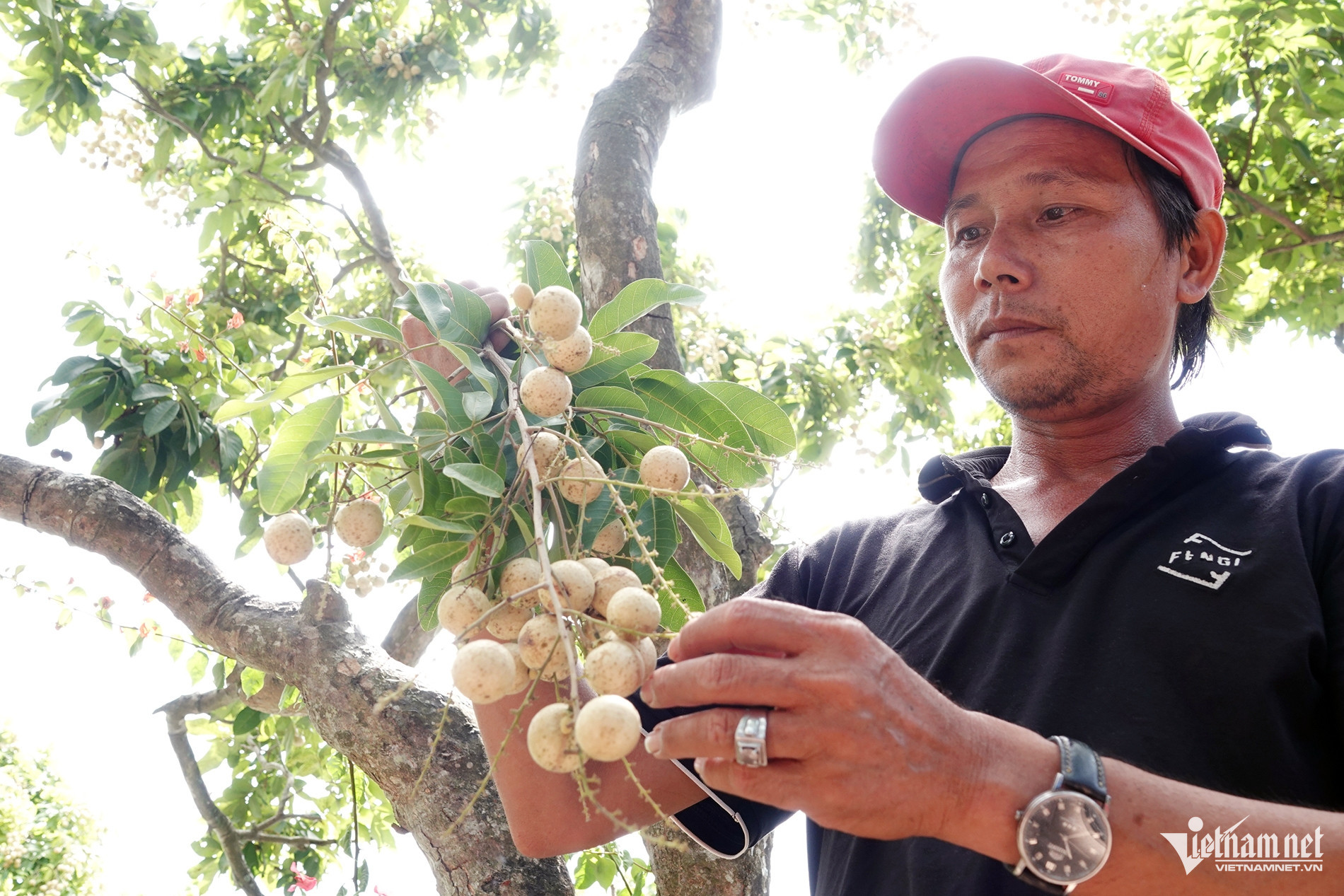
The traditional longan long variety is named after its seed, which naturally develops a crack resembling the eye of a dragon.
Although the fruit has larger seeds and thinner flesh than many modern commercial varieties, it is prized for its intense sweetness and distinctive aroma.
According to Hieu, even after more than 50 years the orchard remains productive, yielding between 6 and 10 metric tons of fruit each year.
Older trees often produce larger harvests because of their expansive canopies.
A living green canopy
Hieu said caring for the heritage longan trees is similar to maintaining other fruit orchards, relying mainly on regular watering and fertilization.
One advantage of the traditional variety is its relatively strong resistance to witches' broom disease, which affects many longan orchards.
To support year-round tourism, Hieu also uses branch-scoring techniques to encourage flowering outside the normal growing season.
"When timed correctly, the trees produce harvestable fruit about four months after branch scoring," he explained. "That means visitors can usually find ripe longans in the orchard throughout the year."
From fruit farm to tourism destination
Instead of selling fruit to wholesalers, the family now reserves the entire harvest for tourism.
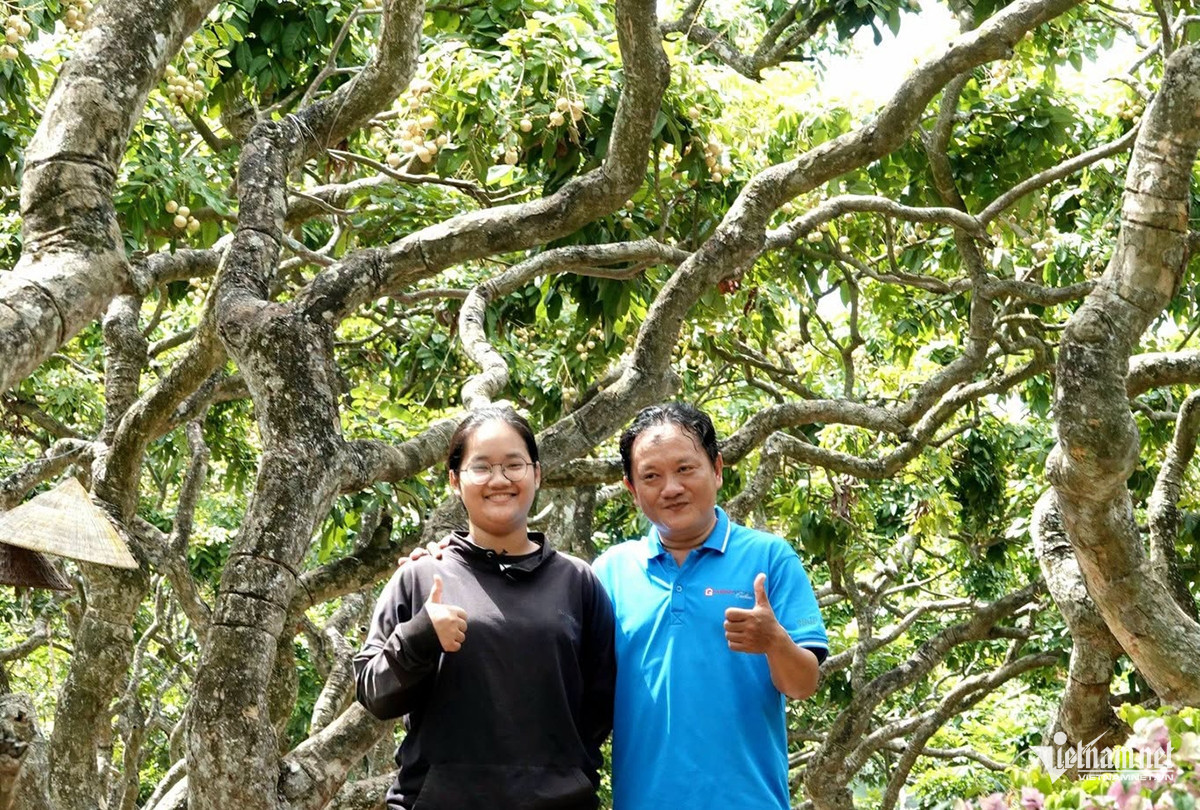
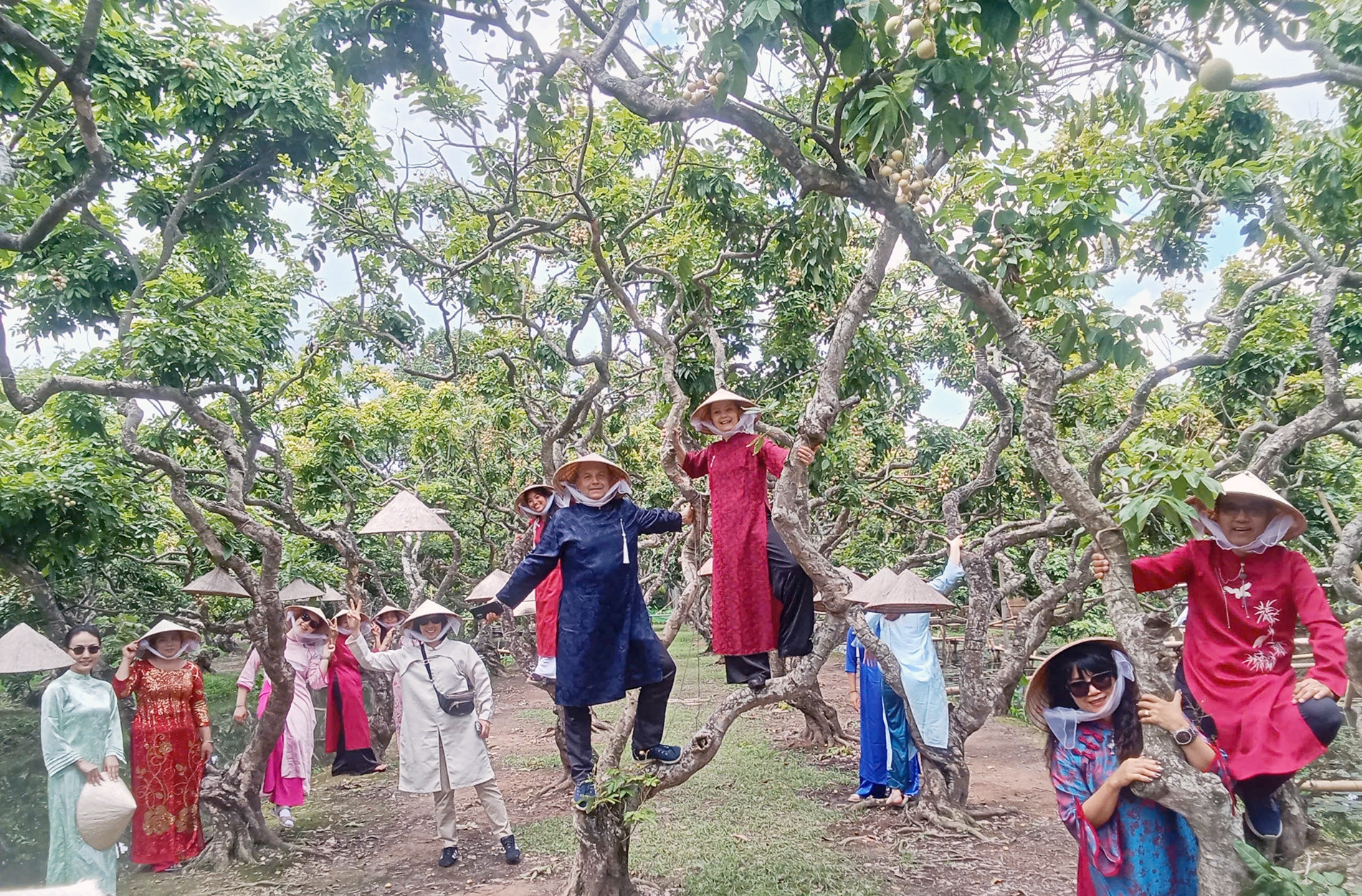
An entrance ticket costs VND30,000 (US$1.15) and allows visitors to stroll beneath the trees and pick one or two clusters of ripe fruit directly from the branches.
At the orchard's tea area, guests can also sample several other longan varieties - including Thai longan, xuong longan and ox longan - making it easy to compare their flavors with the traditional longan long.
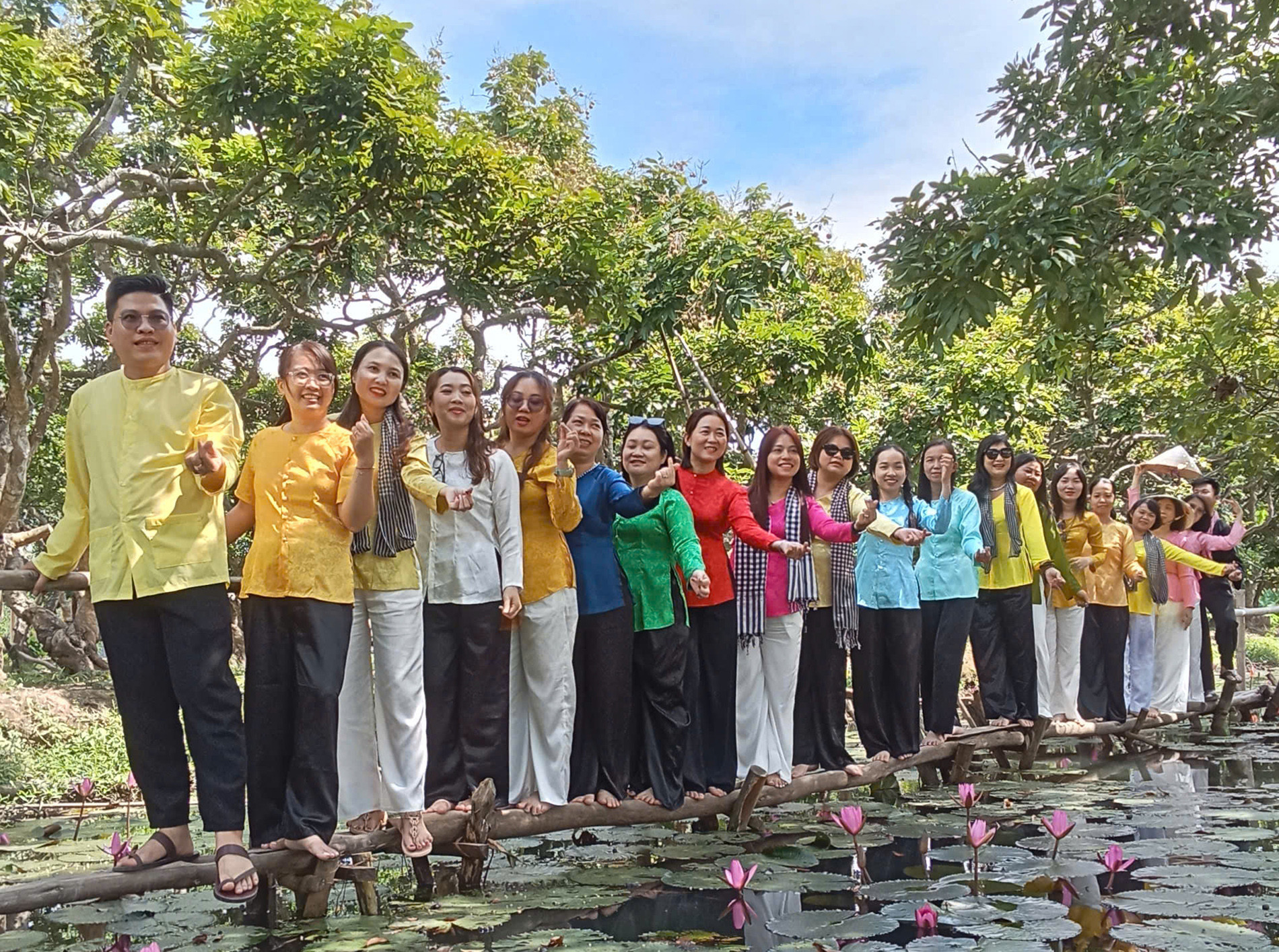
During peak fruit season, the orchard welcomes 100 to 300 visitors each day, creating a sustainable source of income while helping preserve one of the Mekong Delta's agricultural traditions.
Visitor Duy Tan, a resident of Can Tho, said the orchard's greatest appeal lies not in the fruit itself but in the remarkable old trees.
"I've visited many fruit orchards across the Mekong Delta, but it's rare to find so many ancient longan trees preserved in one place," he said. "Each tree has its own unique shape, and harvesting fruit before eating it under the shade is a completely different experience from buying longans at a market."
Tan added that preserving the traditional longan variety instead of replacing it with more profitable cultivars has given the orchard its distinctive identity.
"Visitors don't just eat fruit - they also hear the story behind the orchard and the heritage variety. That's what makes the experience memorable," he said.
Hoai Thanh
.svg)
