Vietnamnet.vn

 Podcast


Tran Nghi
Deep within the limestone mountains of Ninh Binh Province, Hang Boi Cave combines prehistoric archaeological discoveries with a centuries-old legend associated with King Tran Nhan Tong, one of Vietnam's most celebrated historical rulers.
Located in the Thung Ui Cultural Tourism Area in Tay Hoa Lu Ward, the cave forms part of the Trang An Scenic Landscape Complex and is recognized as an archaeological site containing evidence of human habitation dating back more than 12,000 years.
To reach the cave, visitors must walk approximately one kilometer along a mountainside trail and climb a series of stone steps.
Hidden deep within the mountain, the cave extends about 70 meters inward, measures between 30 and 50 meters in width and covers an area of approximately 500-700 square meters.
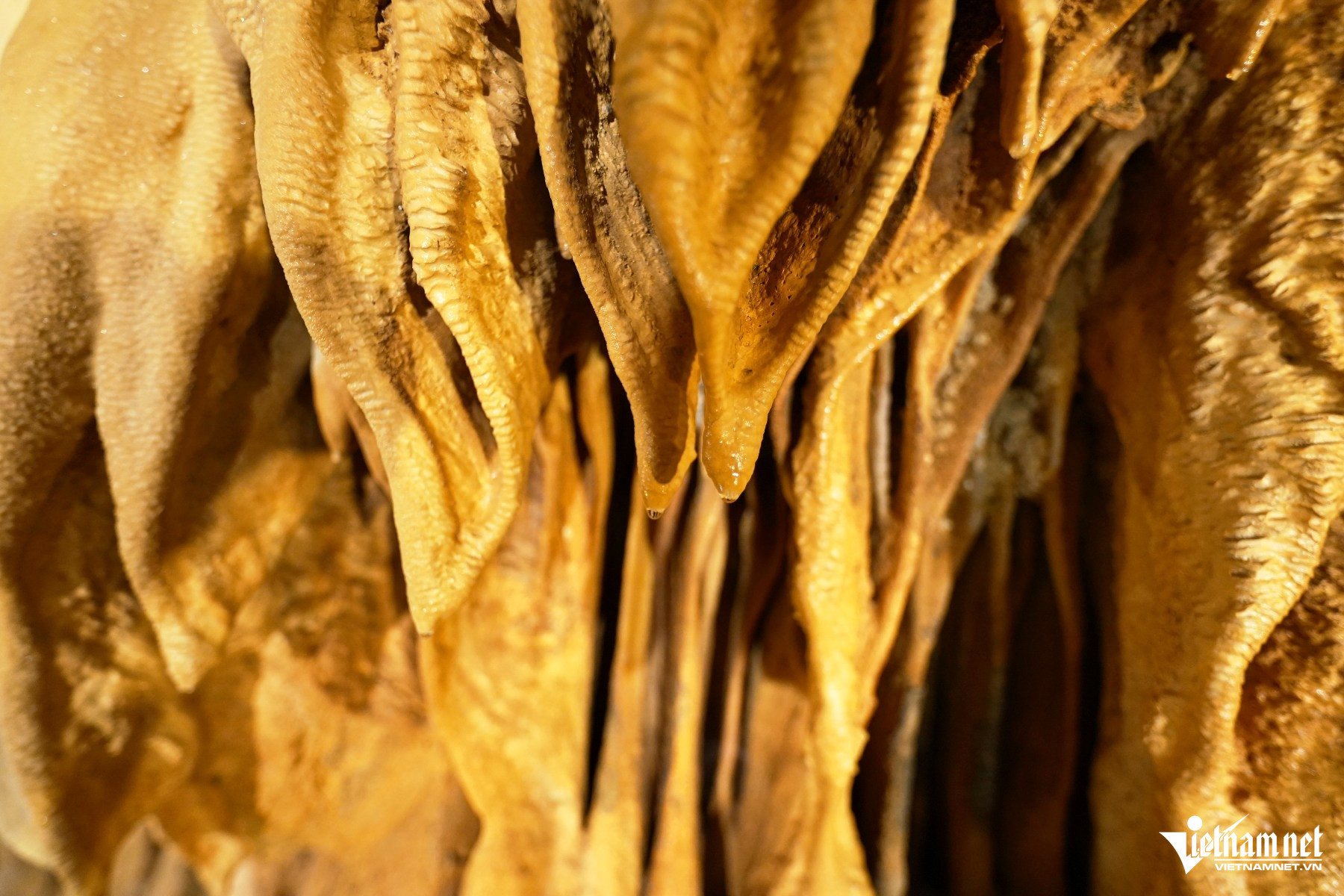
Its interior comprises chambers of varying sizes, featuring an extensive system of stalactites and stalagmites shaped by natural geological processes over millions of years.
A legend of King Tran Nhan Tong's prophecy
The name Hang Boi, meaning "Divination Cave," is associated with a historical legend passed down through generations of local residents.
According to local tradition, during Vietnam's second resistance war against the Mongol-Yuan forces in 1285, King Tran Nhan Tong and his troops traveled through the mountainous area from the Vu Lam Royal Residence.
Upon discovering a cave with a spacious rock shelter suitable for resting, the king reportedly performed a divination ritual to seek guidance on the army's next movements.
The resulting omen was said to predict victory over the invading forces.
Following the successful resistance campaign, local people named the site Hang Boi, also known as Thung Boi, or Divination Valley, in remembrance of the story.
Although the account remains a legend rather than a verified historical event, it has become an important part of the area's cultural identity, connecting the cave to the Tran Dynasty and Vietnam's resistance against foreign invasions.
Archaeological evidence of life more than 12,000 years ago
Beyond its historical associations, Hang Boi is significant for the archaeological evidence preserved within its limestone chambers.
Traces of prehistoric human habitation were first discovered at the site in 2002.
In 2007, Vietnamese scientists and researchers from the University of Cambridge in the United Kingdom conducted archaeological investigations and excavations there.
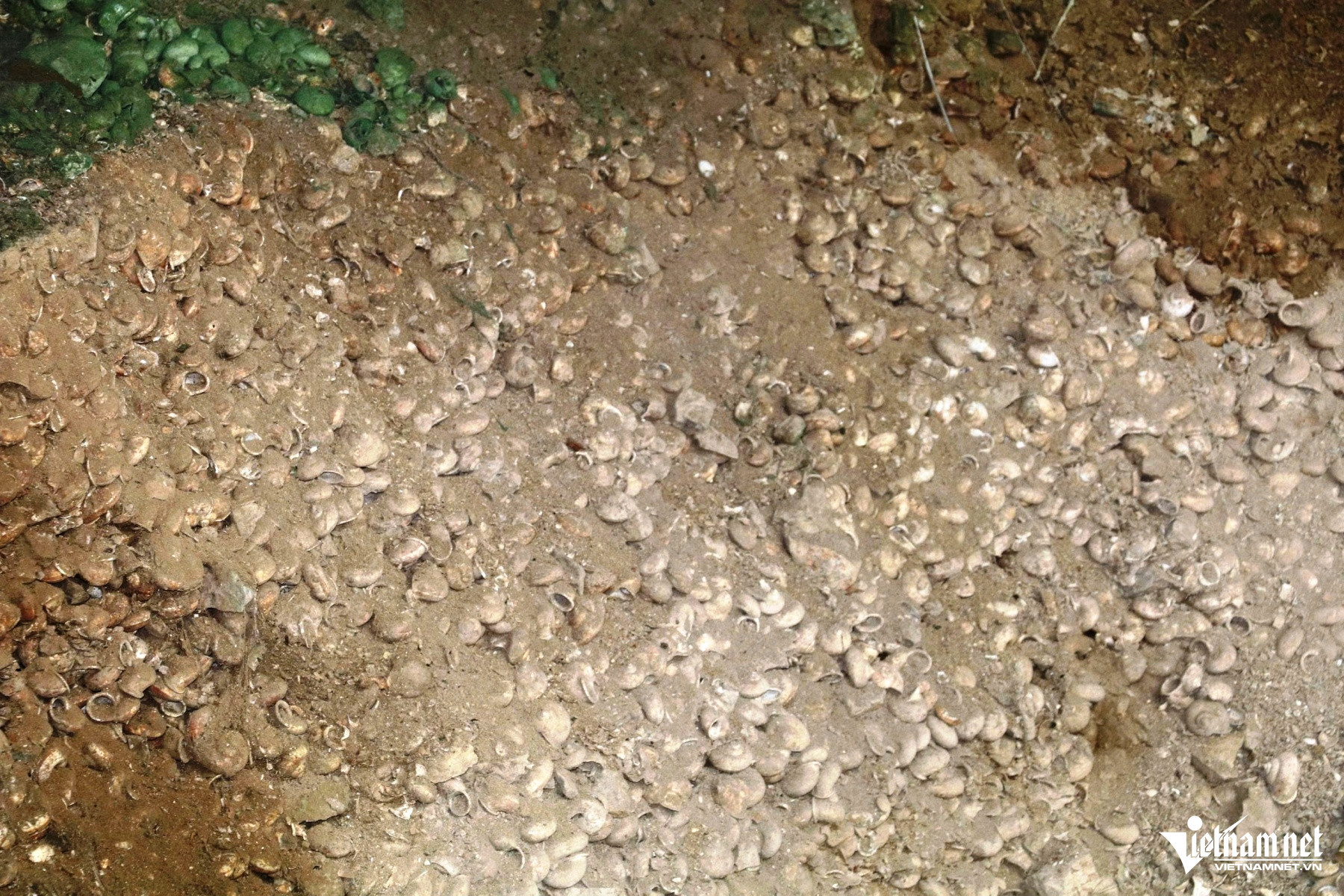
Their discoveries included stone tools, mollusk shells and other evidence of daily activities, indicating that humans occupied the cave during the prehistoric period more than 12,000 years ago.
Near the cave entrance, layers of accumulated mollusk shells remain visible, offering clues about the lives of its earliest inhabitants.
According to archaeological research, some of these shells date back tens of thousands of years.
They provide valuable evidence of how prehistoric communities gathered food, adapted to their surroundings and survived in the limestone landscape.
The discoveries have contributed to a broader understanding of prehistoric human settlement in the Trang An region, which is renowned for its archaeological and natural heritage.
Developing tourism while protecting archaeological heritage
Phung The Quynh, Operations Director of the Thung Ui Cultural Tourism Area, said opening Hang Boi to visitors is intended to diversify local tourism offerings and introduce new experiences.
The initiative also aims to provide visitors with a deeper understanding of Trang An's distinctive natural landscapes, history, culture and archaeological significance.
According to Quynh, tourism development must go hand in hand with heritage conservation, environmental protection and the preservation of the surrounding natural landscape.
The goal, he said, is to promote sustainable tourism while ensuring that the cave's archaeological and geological features remain protected.
As a new tourism attraction, Hang Boi is expected to enrich visitors' exploration of Ninh Binh while bringing greater public attention to important archaeological discoveries.
The site also offers opportunities to connect archaeological research with education, experiential learning and heritage interpretation.
These activities could help visitors better appreciate the historical and cultural depth of the former imperial capital region.
Combining cave exploration with Muong cultural experiences
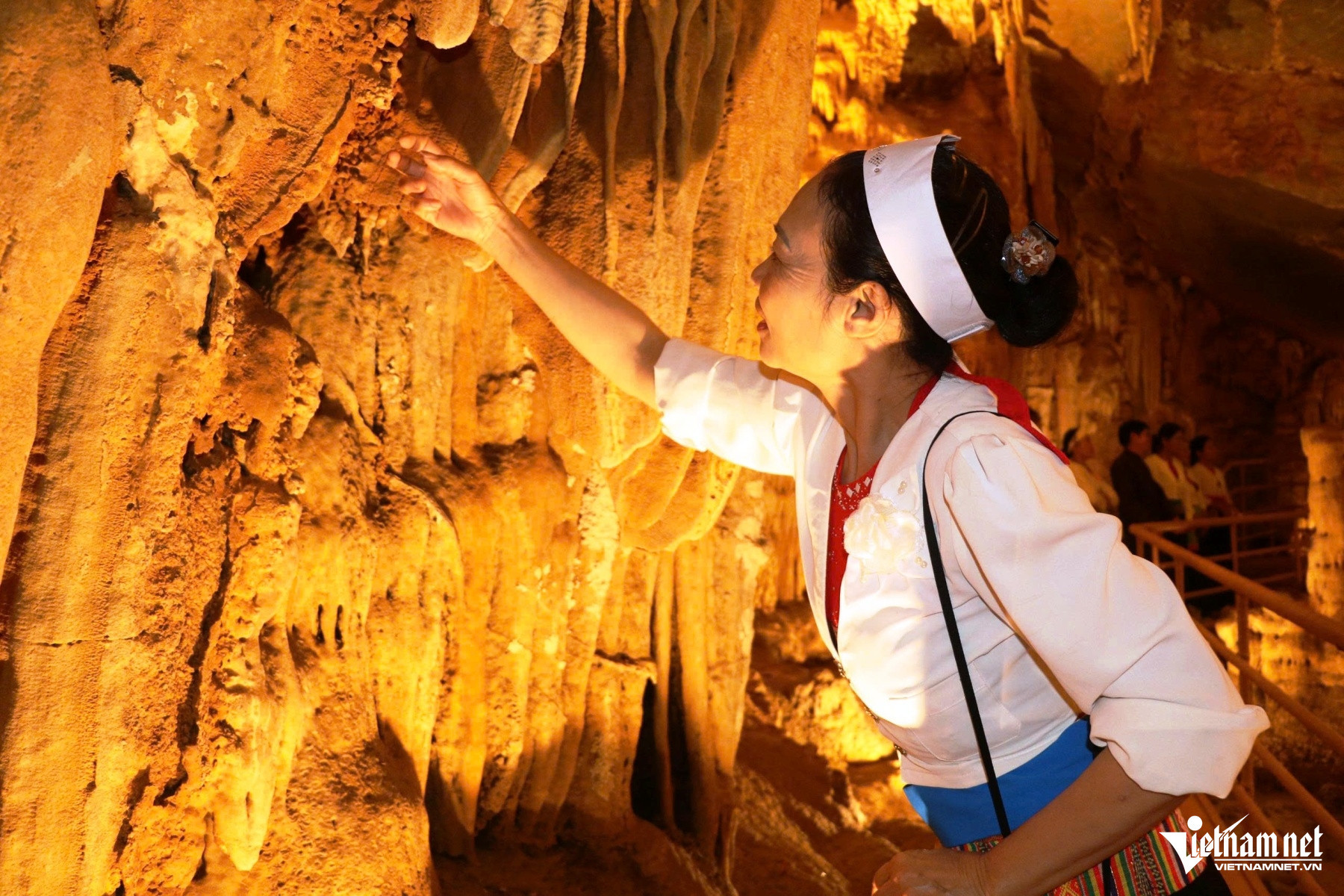
A visit to Hang Boi can also be combined with experiences highlighting the traditional culture of the Muong ethnic community at Thung Ui.
In addition to admiring the limestone scenery, visitors can participate in folk activities such as bamboo pole dancing, traditional ball tossing and other community games.
They can also sample local cuisine and learn about Muong customs, traditions and everyday life.
The combination of prehistoric archaeology, historical legends, natural scenery and living cultural traditions offers a distinctive experience within Ninh Binh's growing tourism landscape.
As the province continues developing cultural, ecological and experiential tourism, Hang Boi is expected to become another attraction that broadens the range of heritage experiences available to visitors.
With its ancient archaeological remains, striking limestone formations and enduring historical legends, the cave offers a journey through thousands of years of human history and natural evolution.

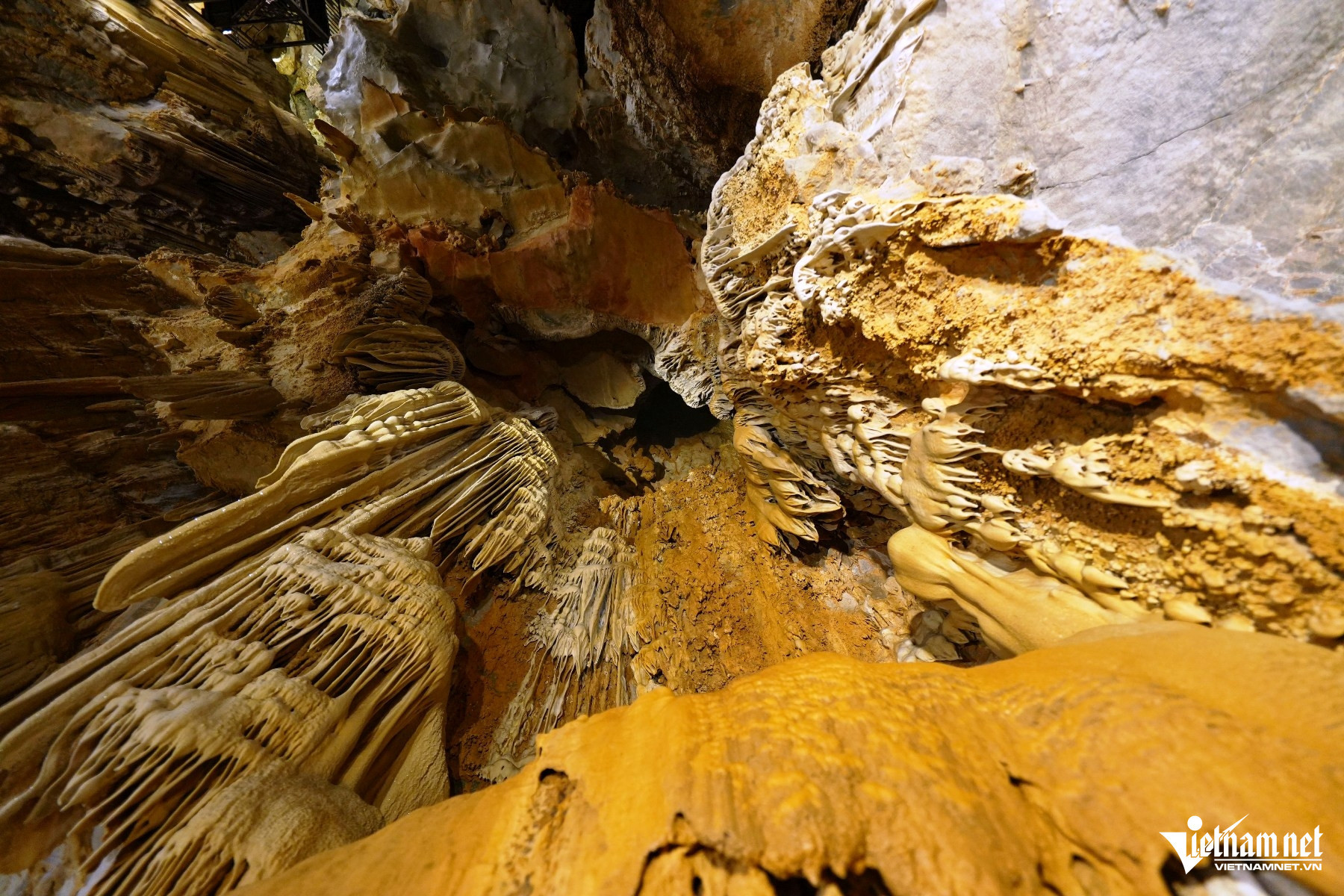
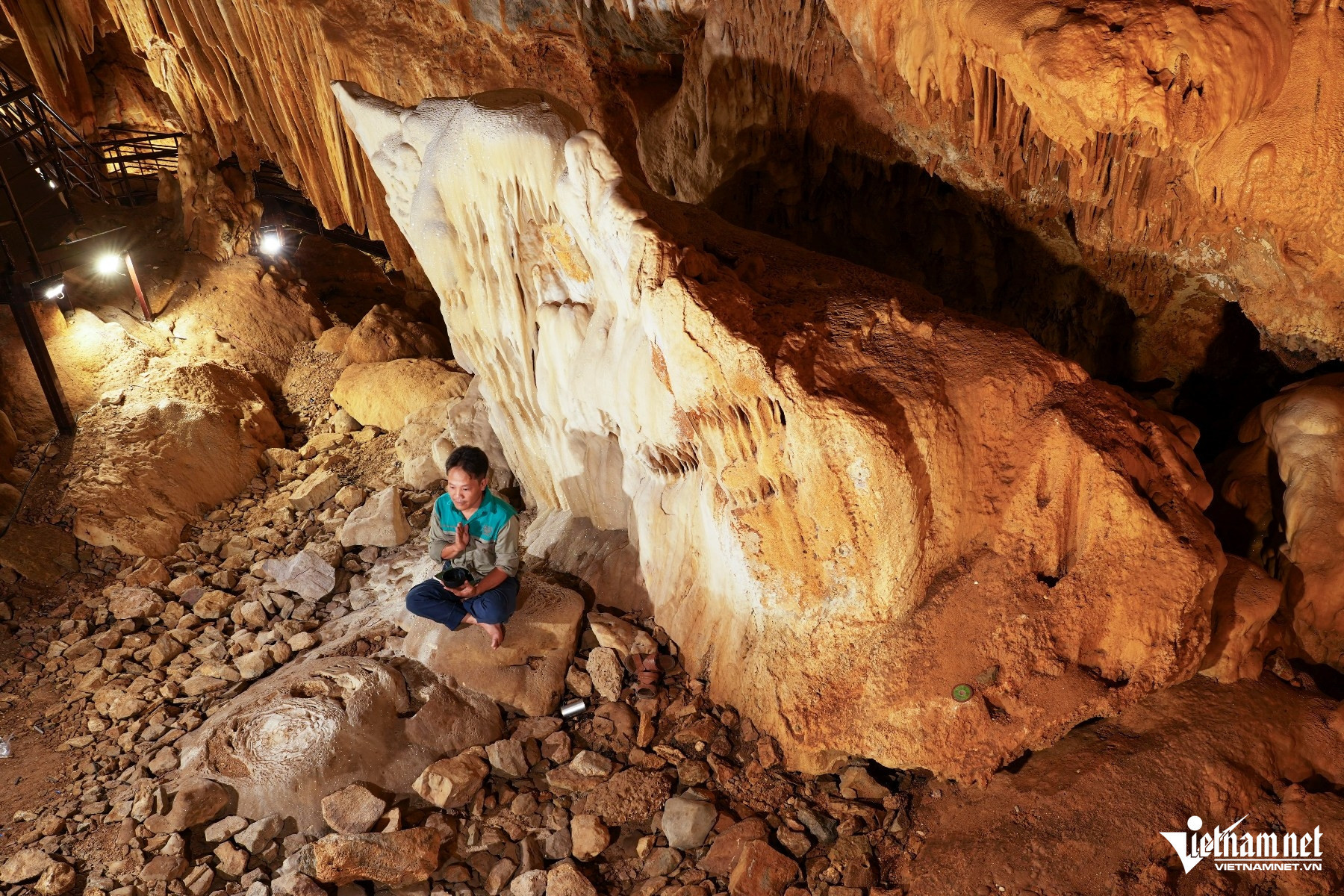
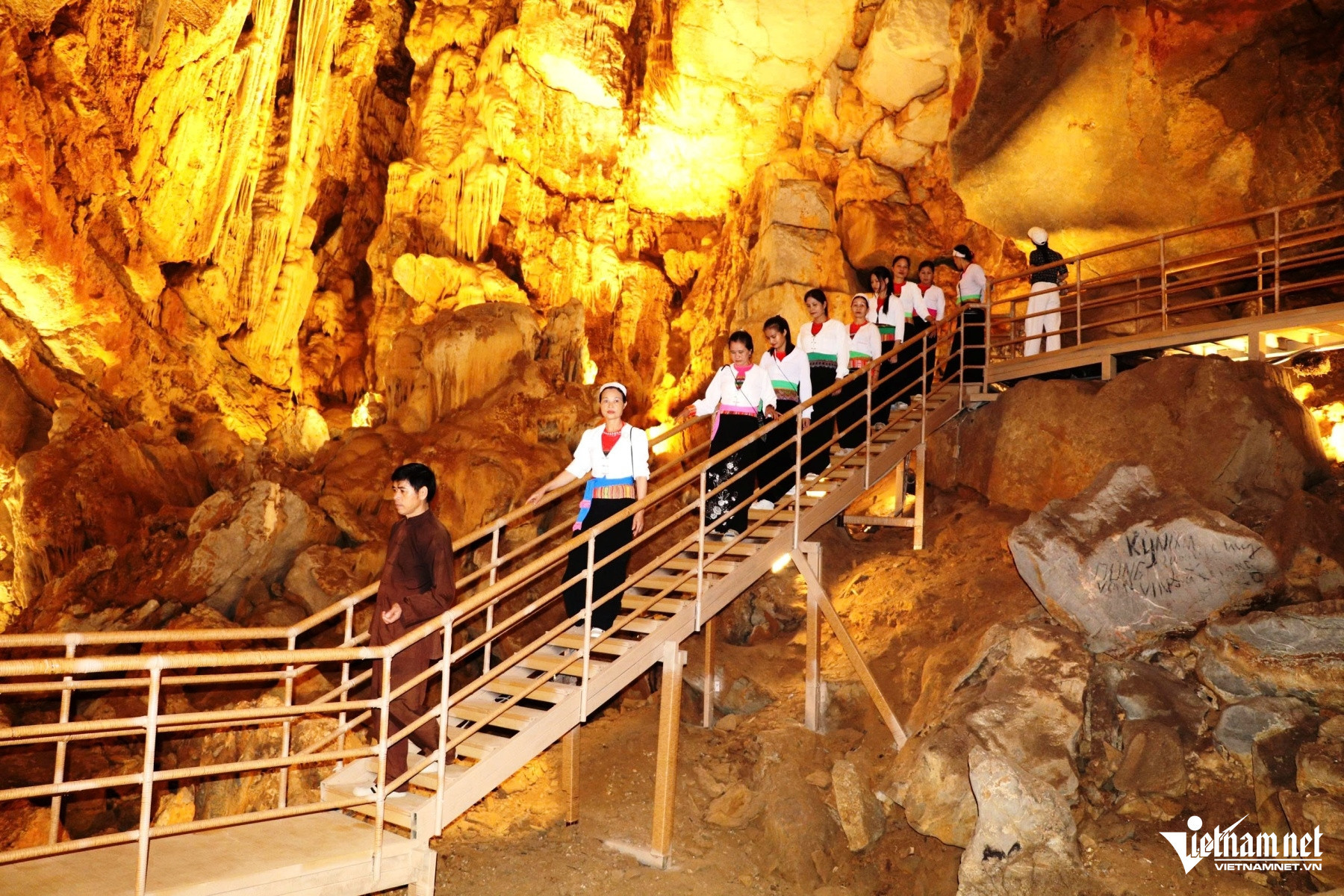
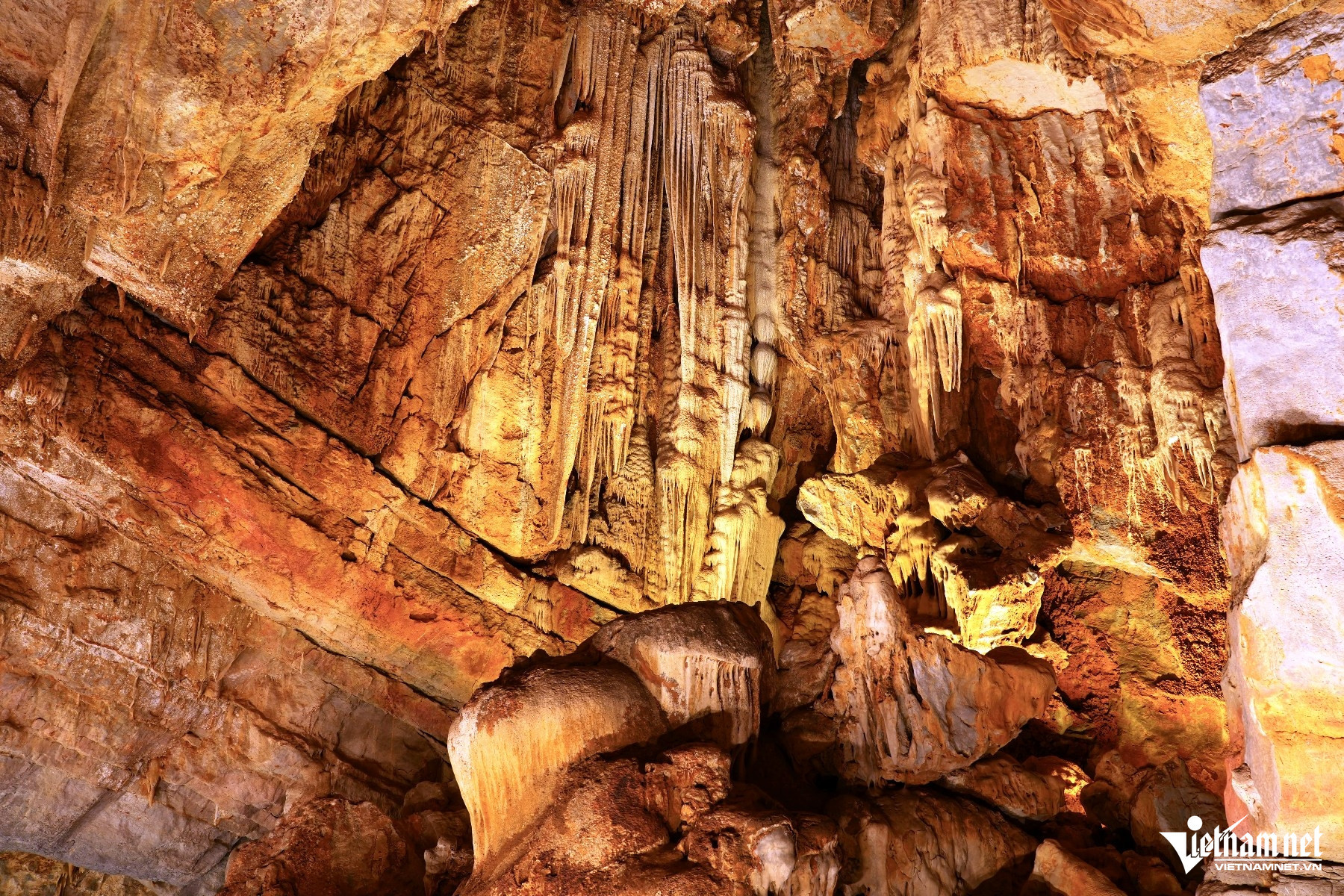
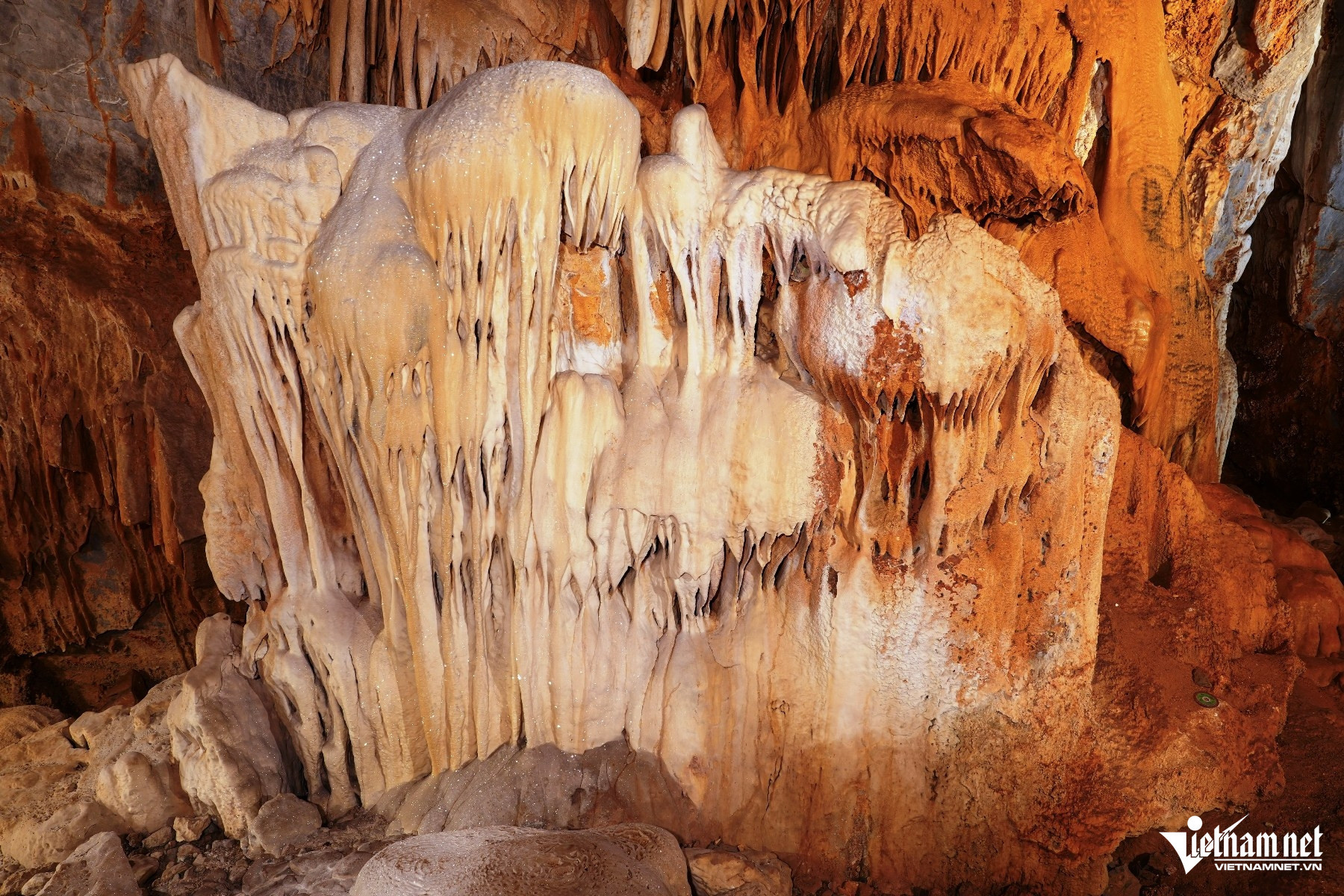
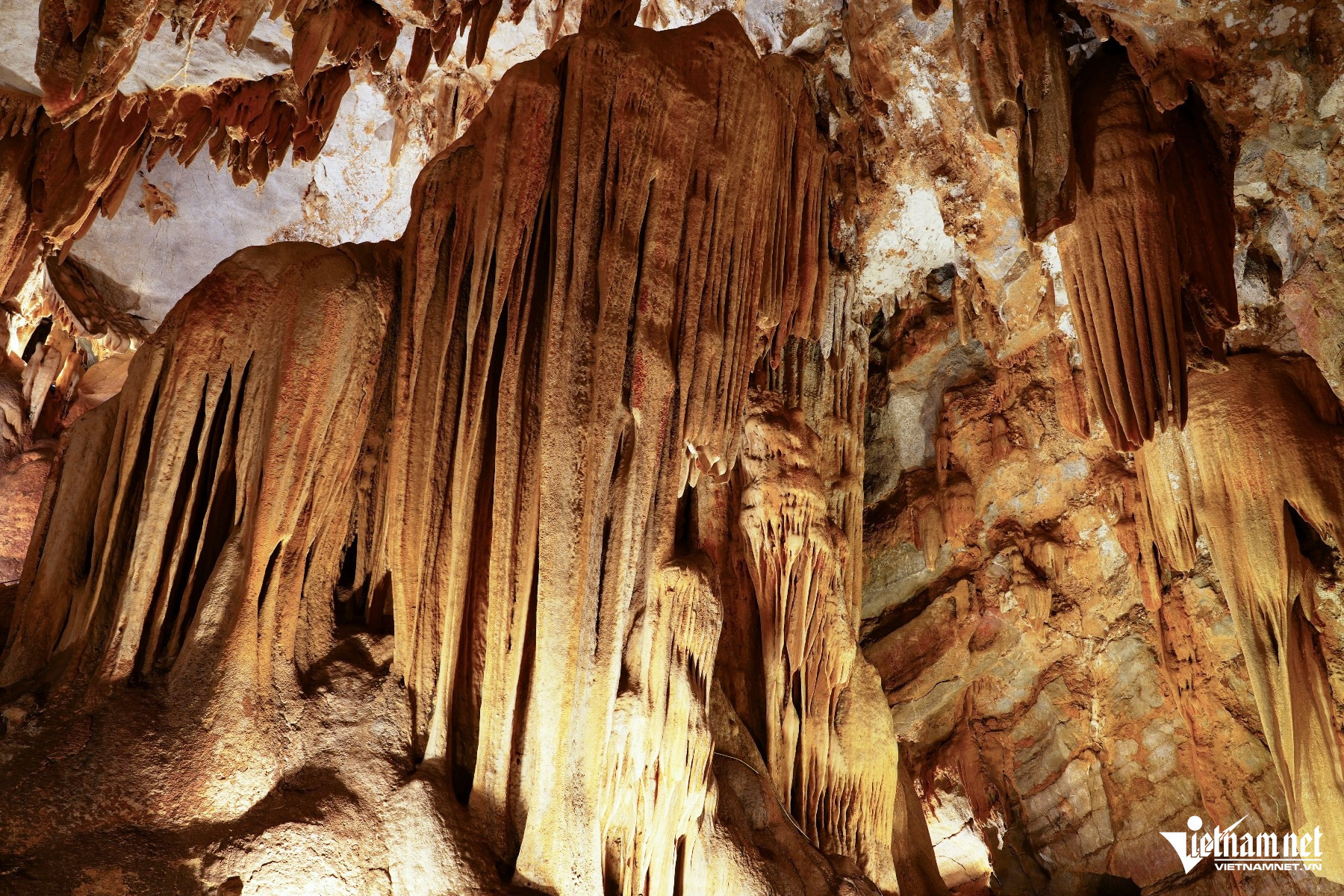
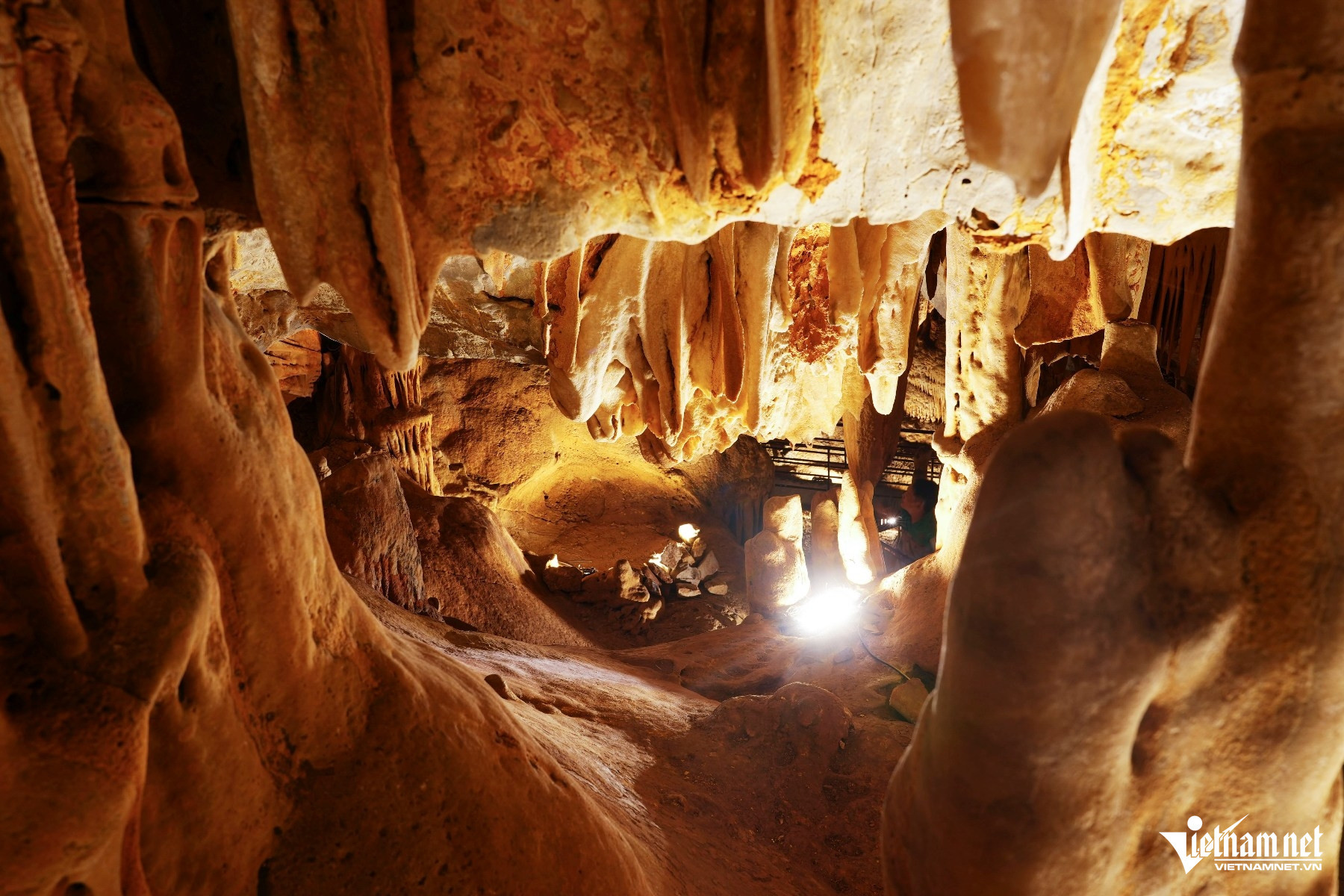
Hang Boi covers approximately 500-700 square meters and comprises chambers of varying sizes.