 Vietnamnet.vn

 Podcast



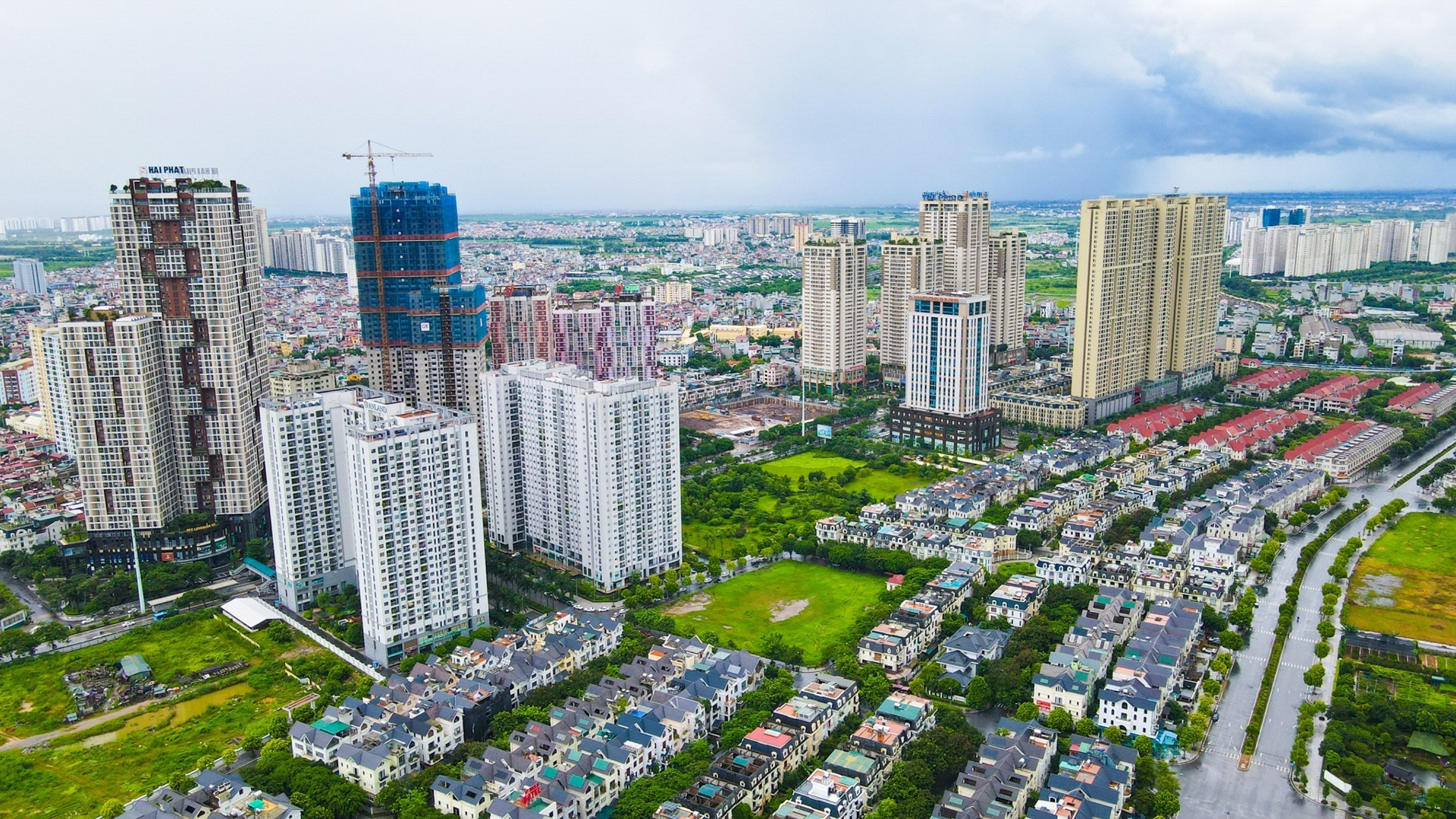
About a year ago, every new apartment launch in Hanoi would attract a huge crowd of buyers. Brokerages reported customers showing up early in the morning to hold a spot, draw lots for the right to buy, or even pay hundreds of millions of VND in extra fees just to secure a unit. Now the market has cooled, and liquidity has slowed.
Across real estate investment forums and social media groups, listings for apartments being sold at a loss have become increasingly common, particularly at projects nearing handover.
Many investors are cutting prices by hundreds of millions, or even more than VND1 billion, below their original expectations in an effort to recover capital quickly or ease financial pressure.
Nguyen Quan, a real estate broker, said the pressure to cut losses is mainly coming from investors who used financial leverage or were hoping for a quick flip. When the market stalls and liquidity dries up while the next payment installments are coming due, many are forced to sell for less than expected to reduce their financial burden.
Meanwhile, the supply of new apartments continues to grow. Many developers are rolling out attractive sales policies such as interest rate support, extended payment schedules, and discounts for new buyers. This makes resold units less competitive, forcing many owners to lower their prices to find a buyer.
At a luxury apartment project in Thanh Xuan Ward, a 56 sqm one-bedroom unit on a prime floor that was purchased for about VND175 million per sqm is now listed for about VND700 million less than its original price.
Previously, in addition to the contract price, buyers had to pay hundreds of millions of VND extra just to secure the unit. The contract price under the progressive payment plan ranged from VND9.7 to VND9.76 billion. With early payment, the price was around VND8.4 billion. The total cost under a bank loan plan was as high as VND10.6 billion.
Similarly, a 75.5 sqm two-bedroom, two-bathroom apartment is also being offered at a loss of about VND200 million. The contract price under the progressive payment schedule is about VND12.7 billion VND, or about VND168 million per sqm. The owner has paid VND1.6 billion VND so far and now wants to transfer the contract to recover the capital contributed.
At the Lumi Hanoi project (Thang Long Avenue, Tay Mo Ward, Hanoi), brokers are also taking resale listings from owners. For example, a 54-square-meter unit is listed at VND3.95 billion, equivalent to over VND73 million per square meter. According to the listing, the owner was forced to cut losses to ease financial pressure before the October handover deadline.
A 101-square-meter three-bedroom unit on a mid-level floor with an original sale contract price of VND7.85 billion is currently offered by its owner with a VND350-million-price reduction down to VND7.5 billion.
Meanwhile, a 143-square-meter duplex unit with an initial contract price of approximately VND12.5 billion has seen its owner cut the price by VND1.5 billion to transfer it for around VND11 billion. According to brokers, buyers need roughly VND 4.5 billion to acquire the contract, while the remainder continues under installment payments with the developer.
Owner-occupiers dominate demand
According to JLL, Hanoi recorded about 8,100 officially launched apartments, along with thousands more in pre-launch sales, with 65 percent of the supply coming from the high-end segment developed by major property companies.
Average primary selling prices continued to rise as new supply remained concentrated in premium projects, reaching around VND101.5 million per sqm, up more than 32 percent year-on-year.
However, total apartment sales in the second quarter fell by around 50 percent compared with the first quarter, reflecting increasingly cautious buyer sentiment.
More importantly, the composition of demand is shifting away from short-term investors toward owner-occupiers.
JLL expects Hanoi to see additional new launches over the next six to 12 months from major developers including Masterise, MIK, Daewoo E&C, Sunshine, and Tan Hoang Minh, intensifying competition in the market.
With prices remaining elevated, demand is expected to come primarily from homebuyers purchasing for their own use rather than investors.
Nguyen Ly Ly from Cushman & Wakefield Vietnam said Hanoi's residential market has gone through several distinct cycles over the past decade. The market once recovered after a period of economic weakness and high interest rates, then experienced rapid growth before slowing under the combined effects of the Covid-19 pandemic, tighter legal procedures, and stricter credit conditions, prior to the current recovery.
Duy Anh
.svg)
