 Vietnamnet.vn

 Podcast



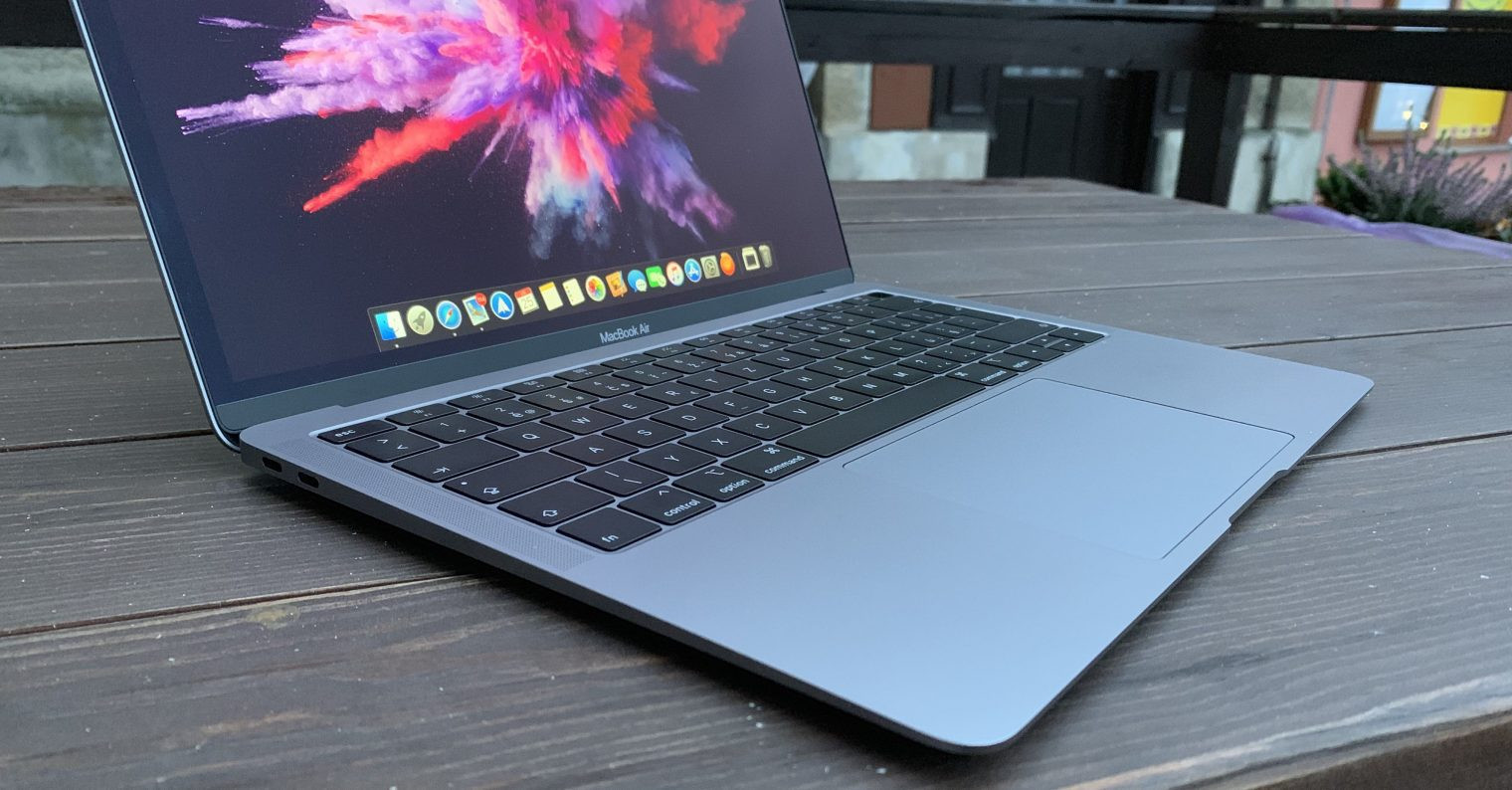
The three models are the 13-inch MacBook Air Retina 2018, the 13-inch MacBook Pro 2018 with four Thunderbolt 3 ports, and the 13-inch MacBook Pro 2017 with two Thunderbolt 3 ports.
All three have now been added to Apple’s worldwide obsolete products list.
Previously, Apple classified these models as “vintage.” Under the company’s policy, a product is considered vintage when more than five but less than seven years have passed since Apple stopped distributing it for sale.
After more than seven years, a product is generally classified as obsolete.
How are users of obsolete MacBooks affected?
According to Apple’s support information, obsolete products are devices for which the company has discontinued hardware service, while service providers can no longer order replacement parts.
The 2018 MacBook Air represented one of the more significant updates in the product line’s history. It was the first MacBook Air to feature a Retina display and Touch ID fingerprint sensor.
It also came with slimmer display bezels and a thinner, lighter design than previous generations.
The 2017 MacBook Pro, meanwhile, used Intel’s Kaby Lake processors. The upgraded 2018 model added True Tone display technology and a third-generation butterfly keyboard.
Which devices could be classified as obsolete next?
Several newer products remain on Apple’s vintage list rather than being classified as obsolete.
These include the 2019 and 2020 MacBook Air Retina models, 2019 MacBook Pro models and the 12-inch MacBook Retina from 2017.
Apple also currently classifies several later-generation iPhones as vintage, including versions of the iPhone 6s, iPhone 7 and iPhone 8, as well as the iPhone XS, XS Max, 11 Pro and 11 Pro Max.
When a device moves from vintage to obsolete status, users may find repairs more difficult because Apple and its authorized service providers no longer guarantee the availability of hardware replacement parts.
Du Lam
.svg)
