 Vietnamnet.vn

 Podcast



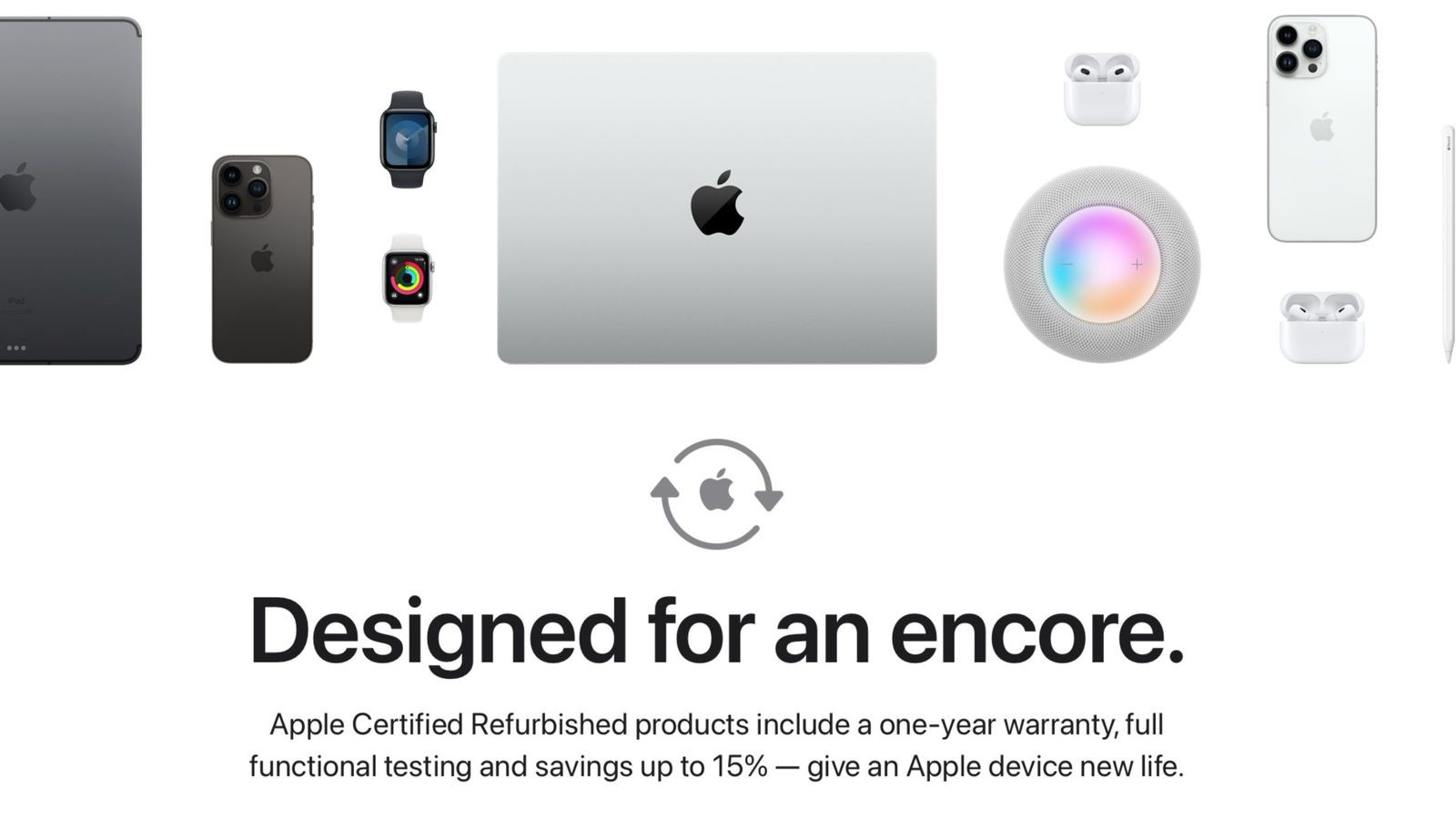
Apple has raised prices across its refurbished Mac and iPad lineup while speculation continues to build that the company could increase the price of the iPhone 17 series later this month amid a global memory chip shortage.
Apple has officially increased prices for Mac computers and iPad tablets across its online refurbished store, following a broad price increase for new products announced earlier.
Across the affected refurbished product lineup, prices have risen by an average of US$160 to US$180. However, Macs have seen far steeper increases than iPads.
Entry-level Mac models now cost about US$204 more on average, while higher-end configurations have increased by around US$330. The 14-inch MacBook Pro with the M4 Pro chip, for example, has risen from US$1,699 to US$1,779. The nano-texture display version increased from US$1,829 to US$1,909, while the 16-inch MacBook Pro with the M4 Pro chip and nano-texture display climbed from US$2,249 to US$2,339.
The premium segment recorded the sharpest increases. A refurbished 14-inch MacBook Pro powered by the M5 chip rose from US$1,359 to US$1,439, while the most expensive configuration jumped from US$2,629 to US$3,309. The 14-inch MacBook Pro equipped with the M2 Max chip also increased from US$4,249 to US$4,839.
For iPads, price increases have been more consistent, typically ranging from US$120 to US$150. The 256GB Wi-Fi version of the 10th-generation iPad, for example, rose from US$339 to US$409, while the iPad mini 6 increased from US$379 to US$459, or from US$449 to US$529 depending on the configuration. Some premium iPad Pro models also posted larger increases of around US$230 to US$250.
The pricing adjustment closely aligns with Apple's broader strategy of establishing a new global price baseline, reportedly driven by soaring memory chip and storage costs amid the AI data center construction boom. In other words, as new devices become more expensive, refurbished models must also rise in price to maintain similar discount levels.
Even so, many refurbished Apple devices are likely built using memory, storage, logic boards and replacement components purchased before the recent surge in component prices. According to MacRumors, the move appears intended to standardize Apple's new pricing structure rather than reflect the actual cost of each individual device.
iPhone 17 prices may rise later this month
Speculation is mounting that Apple could increase the price of the iPhone 17 lineup later this month following recent comments by CEO Tim Cook, who described price increases as "unavoidable."
Last week, Cook told The Wall Street Journal that Apple could no longer absorb rising component costs on its own. Both memory chips and storage devices have become increasingly scarce as artificial intelligence companies and next-generation cloud computing providers dramatically expand data center construction.
The rapid expansion of AI infrastructure has sparked debate over whether actual demand justifies the hundreds of billions of dollars being invested. In the short term, however, it has tightened supply across the global semiconductor industry. Cook likened the shortage to a "once-in-a-century flood" and said he had never witnessed anything comparable during his 40-year career.
Apple is not alone. Samsung, Microsoft, Sony and Dell have already raised prices for a range of products.
Regardless, analysts believe the next iPhone price increase "will not wait until autumn." In other words, Apple's new pricing structure is expected to be in place before the iPhone 18 Pro models are introduced in September.
Du Lam
.svg)
