 Vietnamnet.vn

 Podcast



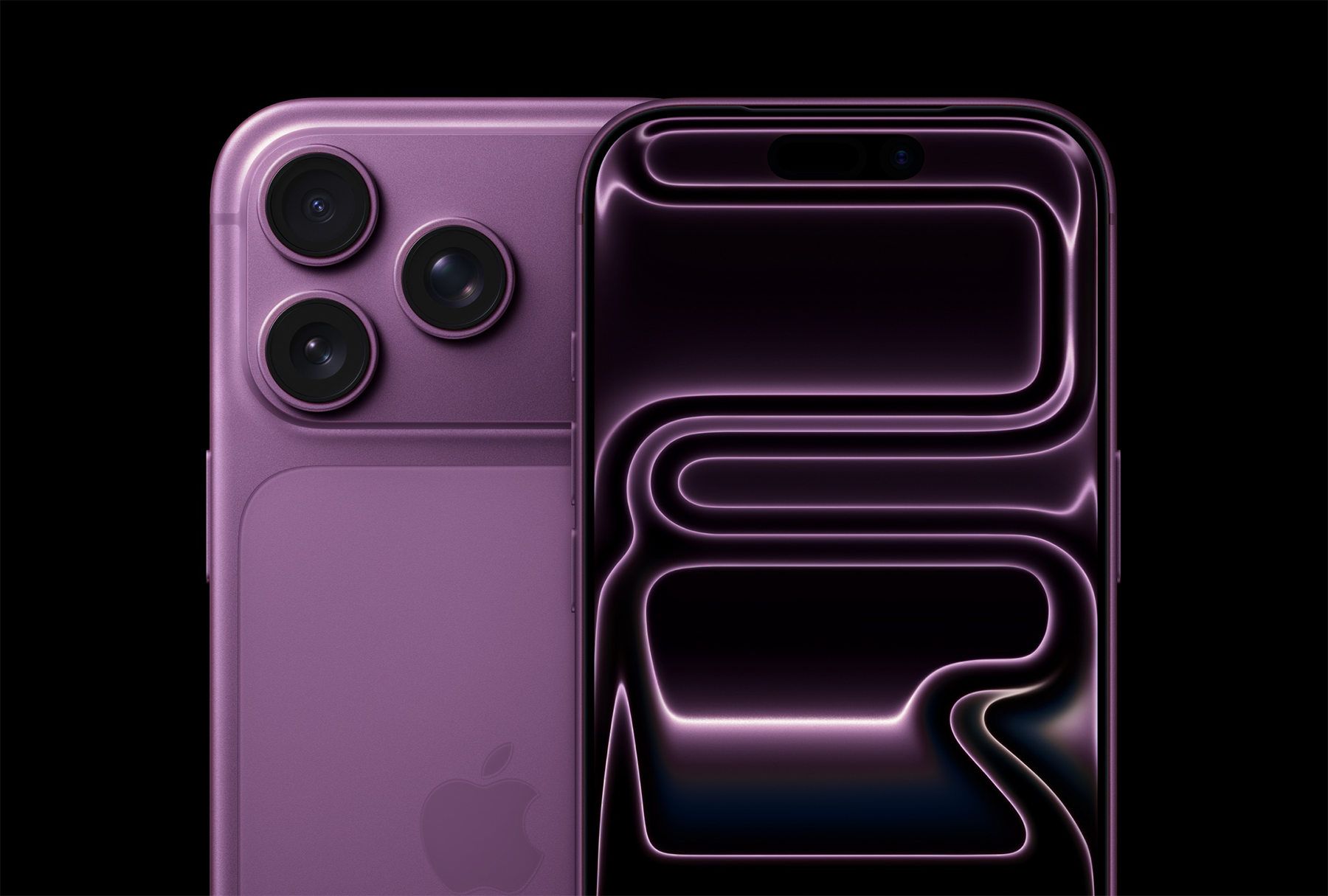
Apple’s September event is scheduled for September 9 at 10 a.m. Pacific Time, or midnight on September 10 in Vietnam.
The 2026 iPhone lineup will undoubtedly take center stage, but this year could be particularly significant as Apple is expected to introduce its first-ever foldable iPhone.
Alongside familiar slab-style models such as the iPhone 18 Pro and iPhone 18 Pro Max, Apple is also expected to unveil a new generation of Apple Watch, AirPods 5 and potentially a few other surprises.
Here are the most notable products expected at the “Surprise and Shine” event.
Foldable iPhone Ultra: Apple’s biggest bet
The biggest attraction could be the first foldable iPhone in Apple’s history. Its official name has yet to be confirmed, although multiple reports suggest the device could be called the iPhone Ultra.
Apple is reportedly opting for a book-style foldable design, with an external OLED display measuring around 5.5 inches for use when the device is closed.
When unfolded, it is expected to offer a much larger 7.8-inch OLED display, providing a viewing area approaching that of an iPad mini.
Fully opened, the iPhone Ultra could have a relatively wide rather than tall form factor. Put simply, it could resemble an iPad mini that folds in half.
Its rumored dimensions are also relatively close to Samsung’s Galaxy Z Fold8, suggesting Apple may be targeting a similar display aspect ratio for its first foldable.
Apple has previously been reported to be pursuing a completely crease-free folding display.
Current foldable display technology, however, has yet to eliminate the problem entirely.
The iPhone Ultra could therefore feature only a very subtle crease, combined with a liquid-metal hinge designed to improve durability.
Apple is also reportedly exploring ways to make the crease less noticeable over time.
One potential solution involves a transparent optical adhesive capable of filling microscopic cracks that may develop after the display has been folded and unfolded repeatedly.
When open, the iPhone Ultra could measure just around 4.5mm thick, making it the thinnest iPhone ever. Folded, it could be around 9mm thick, not far from the iPhone 17 Pro Max at 8.75mm.
Such a thin design, however, could force Apple to make some compromises. Internal space is reportedly too limited to accommodate the TrueDepth camera system required for Face ID.
As a result, the iPhone Ultra could switch to Touch ID integrated into the side power button, similar to the system used on some current iPad models.
Despite potentially dropping Face ID, the device is still expected to feature front-facing cameras for both its external and internal displays.
The rear camera system could also distinguish the iPhone Ultra from Apple’s Pro lineup.
Space constraints may prevent Apple from fitting a triple-camera system, meaning the device could go without a telephoto camera.
Instead, its rear camera setup is likely to consist of Wide and Ultra Wide cameras that can be used whether the phone is folded or unfolded.
MagSafe had previously been in doubt because leaked dummy units did not show a magnetic ring. More recent reports, however, suggest MagSafe charging will still be available on the iPhone Ultra.
The foldable is expected to run on Apple’s A20 Pro chip, manufactured on a 2nm process.
The processor could be around 18% faster and up to 30% more energy-efficient than the A19 Pro.
Other rumored improvements include a seven-core GPU, wider memory interfaces and a larger L2 cache for the efficiency cores.
RAM is expected to reach 12GB.
Apple may also use its internally developed C2 modem. Compared with the C1X, the C2 is expected to offer greater speed and improved energy efficiency, although support for mmWave 5G remains unclear.
If the C2 does not support the technology, US versions of the iPhone Ultra could continue using Qualcomm modems.
Battery capacity is another area attracting attention. Each half of the device is expected to house its own battery cell, with total capacity rumored to range from 5,400 to 5,800mAh, significantly higher than the iPhone 17 Pro Max’s 5,088mAh.
In terms of colors, Apple is reportedly keeping things relatively conservative, with two options: silver/white and a very dark indigo shade approaching black.
Software will be crucial to the foldable iPhone experience. Apple has reportedly asked developers to optimize their apps for multiple display sizes and aspect ratios.
The iPhone Ultra is likely to support multitasking with two apps running side by side, as well as an iPad-style sidebar.
That experience, however, could come at a steep price. Current rumors put the iPhone Ultra’s starting price at no less than $2,000, with higher-storage versions potentially exceeding $2,500.
iPhone 18 Pro and 18 Pro Max: Major camera upgrades
The iPhone 18 Pro and iPhone 18 Pro Max are not expected to bring major design changes compared with their predecessors. The iPhone 18 Pro Max, however, could become slightly thicker and heavier to accommodate a larger battery.
Cases designed for the iPhone 17 Pro are reportedly still likely to fit the new generation.
The rear camera bump could become slightly thicker to accommodate a new variable-aperture lens system.
Apple is reportedly planning Dark Cherry, light blue and silver color options, while black could disappear from the lineup.
Dynamic Island is also expected to shrink, although earlier rumors of under-display Face ID and the complete removal of Dynamic Island now appear unlikely to materialize this year.
The most significant iPhone 18 Pro upgrade could be its main camera. Apple is reportedly developing a variable-aperture system, similar to the mechanism used by DSLR cameras to control the amount of light entering the lens.
Some reports suggest variable aperture could be exclusive to the iPhone 18 Pro Max, although this has yet to be confirmed.
Apple could also use a three-layer stacked image sensor developed by Samsung, potentially delivering faster camera response and improved low-light photography.
The telephoto camera may receive a wider aperture, while the Ultra Wide and front-facing cameras are unlikely to change significantly.
The Camera Control button could also be revised. Apple is reportedly simplifying its design by removing the capacitive touch layer that previously allowed users to swipe across the button to adjust camera settings.
Apple Watch Series 12 and Ultra 4: Familiar designs
Apple Watch Series 12 is expected to retain the current design, although Apple could bring back a ceramic case option.
The smartwatch will likely receive a new processor alongside improvements to health and fitness tracking.
Apple is also testing the ability for its heart-rate sensor to collect data continuously throughout the day. The feature could provide more detailed health and fitness insights, similar to those offered by devices such as the Oura Ring.
Apple Watch Ultra 4 is likewise not expected to undergo major visual changes. Its upgrades are likely to focus primarily on a new processor and additional health features.
AirPods 5 and a wave of software updates
AirPods 5 have reportedly appeared in code from the macOS 26.7 release and could debut alongside the iPhone 18 Pro.
The new earbuds may feature Apple’s next-generation H3 chip, improving audio quality and reducing latency.
Apple is likely to continue offering both an Active Noise Cancellation (ANC) version and a model without ANC.
At the September 9 event, Apple is also expected to announce official release dates for iOS 27, iPadOS 27, macOS Golden Gate, tvOS 27, watchOS 27 and visionOS 27.
Following the event, Release Candidate versions are likely to be made available to developers and public beta testers.
Based on Apple’s traditional schedule, iOS 27 and the company’s other new operating systems could receive their public releases as early as September 14.
New CEO John Ternus to lead an iPhone event for the first time
Another historic change is expected at this year’s event. Apple’s new CEO, John Ternus, has appeared and presented at numerous company events before, but this would be the first time he leads an iPhone launch as CEO, succeeding Tim Cook.
Cook served as Apple CEO for 15 years before moving into the role of executive chairman. This year’s September event could therefore mark not only a major product milestone with Apple’s first foldable iPhone, but also the beginning of a new leadership era for the company.
Hai Phong
.svg)
