 Vietnamnet.vn

 Podcast



For many years, Apple has stood among the most influential technology brands in the world. Whether in Europe, Asia or the Americas, consumers are deeply familiar with iconic products such as the iPhone and Mac. For many users, these devices represent not only premium gadgets but also the benchmark for modern smartphones and personal computers.
Yet Apple appears far from satisfied with its current position. The company has looked at its enormous brand recognition and realized that significant room for growth still remains.
Instead of focusing solely on its traditional premium customer base, Apple is beginning to adjust its strategy. The company is now targeting markets and user groups that it previously did not explore aggressively, while also changing the way its products are introduced in order to reach a broader audience.
MacBook Neo: a new step toward younger users
One of the clearest examples of this new strategy is the emergence of the MacBook Neo. This is a new low cost laptop line from Apple, designed to reach a more mainstream group of users.
Previously, Apple already had the MacBook Air as the most accessible option in its laptop lineup. However, MacBook Neo is expected to be significantly cheaper. To achieve the lower price point, the device comes with more modest specifications compared with the Air and MacBook Pro models. Even so, it remains fully capable of meeting the needs of students and everyday users for studying, office work and basic computing.
What makes the device particularly interesting is Apple’s shift in design approach. For many years, MacBook models were typically offered only in neutral tones such as silver, gray or black. MacBook Neo moves in a different direction, introducing brighter and more youthful colors that feel friendlier and more appealing to younger users.
In addition, student discount programs are expected to help the device gain traction across university campuses. If successful, this could create a noticeable shift. Many students who previously chose Windows laptops or Chromebooks may begin switching to MacBook devices.
Should that happen, MacBook laptops could become a far more common sight in lecture halls. Over the long term, Apple would not only sell more hardware but also cultivate an entirely new generation of loyal users within its ecosystem.
Affordable iPhone strategy: from SE to the “e” series
Apple is not only changing its laptop strategy. The company is also rethinking its approach to affordable smartphones.
In the past, the iPhone SE line served as Apple’s budget option. However, irregular release schedules and somewhat confusing naming conventions made the lineup feel inconsistent.
To address that issue, Apple decided to retire the SE series and replace it with a new “e” lineup, beginning with the iPhone 16e introduced last year. The move is widely seen as a smart strategic step.
This year, Apple continued the approach by launching the iPhone 17e only one year later. That shift effectively turns the affordable iPhone lineup into a product that receives yearly updates, similar to flagship models. The naming system is also clearer. By simply looking at the number, users can easily identify the newest version.
Apple has also been careful to introduce small improvements each year, just enough to encourage some customers to consider upgrading from the iPhone 16e to the 17e. With a consistent upgrade cycle and a clearer naming system, iPhones in the e series could become increasingly common in the market.
Over time, this strategy could significantly expand Apple’s iPhone user base, especially in developing countries where pricing plays a decisive role in purchasing decisions.
Two phase launch strategy for iPhone 18
Alongside expanding its product lineup, Apple is also believed to be adjusting its iPhone release schedule. According to several reports, the company plans to split the launch of the iPhone 18 series into two phases.
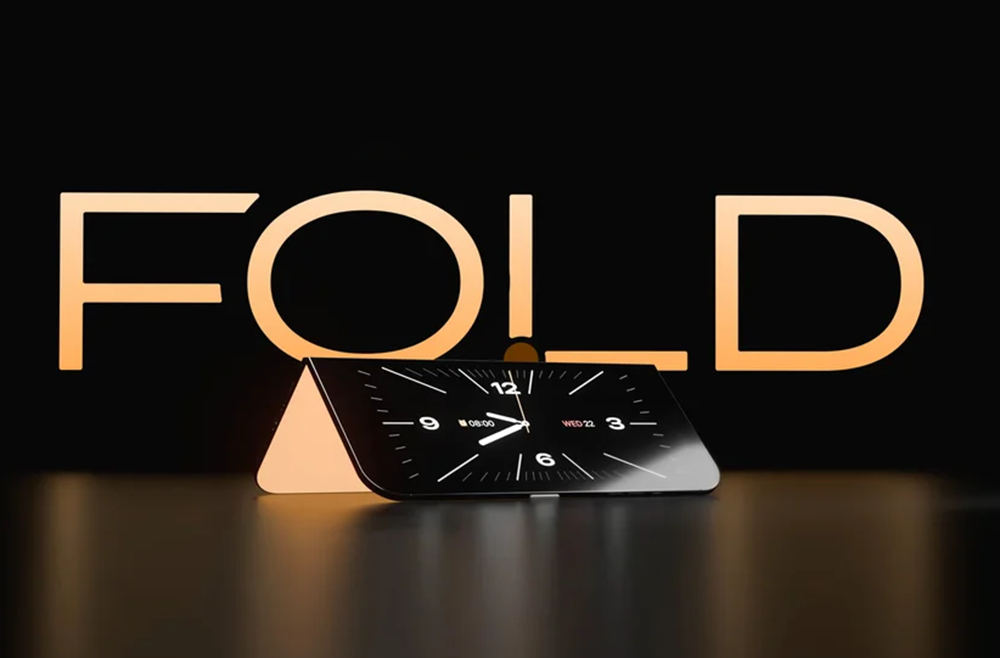
During the first phase, Apple would introduce its premium models including the iPhone 18 Pro, iPhone 18 Pro Max and the company’s first foldable iPhone.
A few months later, Apple would release the remaining versions such as the standard iPhone 18, along with the iPhone Air 2 and iPhone 18e. This timing could coincide with the period when competitors unveil new products, particularly Samsung’s Galaxy S27 lineup.
A staggered release schedule could bring several advantages. First, Apple would gain additional time to refine software and optimize the devices.
More importantly, the company could take advantage of leaked information about Samsung’s upcoming phones before they officially launch. Details about Samsung smartphones typically surface months before their announcement, giving Apple an opportunity to adjust or add certain features to the standard iPhone models in order to compete more directly.
Launching another wave of iPhones early in the year could also help split market attention. Instead of all consumer interest shifting toward Samsung, a portion of buyers may consider moving to iPhone.
A broader ecosystem strategy
All of these changes suggest Apple is becoming more serious about addressing the affordable segment. For many years, the company largely focused on the premium market, and more recently it has even explored the ultra premium segment with products labeled “Ultra”.
However, Apple now appears to recognize that the affordable segment also holds enormous growth potential. The introduction of MacBook Neo and the iPhone e series shows the company building a clearer multi tier product ecosystem.
In the future, Apple could even expand the “Neo” branding to additional devices. It is easy to imagine products such as an iPad Neo, iPhone Neo or AirPods Neo.
If that happens, Apple would have a very clear classification system. Devices labeled “Neo” would represent the mainstream segment with more accessible prices, while the Pro, Ultra or Air lines would continue to occupy the premium tier.
Combined with youthful color options and a broader product strategy, this approach may not only help Apple expand its market share but also make the brand feel closer to a new generation of users.
Hai Phong
.svg)
