 Vietnamnet.vn

 Podcast



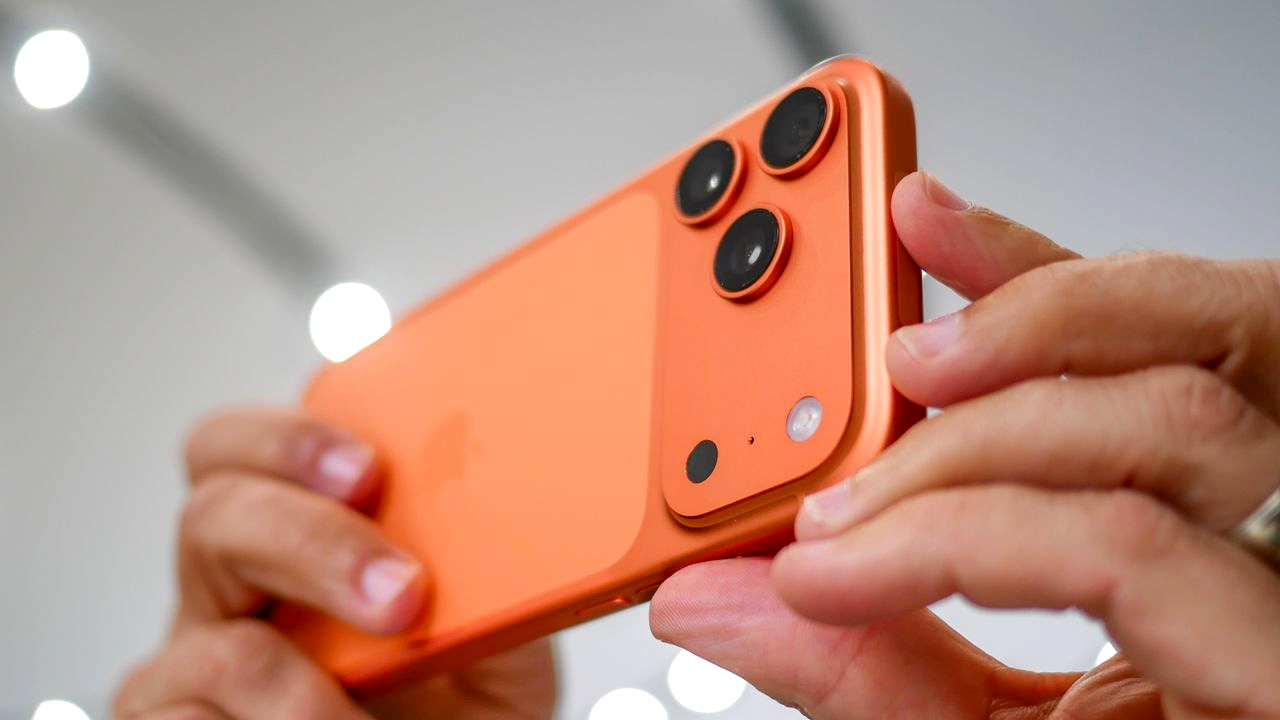
The iPhone 17 Pro Max is widely regarded as one of the best smartphones in the world. Yet a surprising trend has emerged: a large number of users appear to be selling or trading in the device.
A recent survey by PhoneArena reinforced conclusions from an earlier report by SellCell showing that the iPhone 17 Pro Max has an unusually high number of resale and trade-in transactions.
This trend is somewhat paradoxical because, in terms of quality, the device leaves little room for criticism. With its 6.9-inch display, powerful Apple A19 Pro chip and polished software ecosystem, the iPhone 17 Pro Max is considered by many Apple fans to be the best smartphone available.
In in-depth reviews, the device even competes head-to-head with Samsung’s flagship Galaxy S26 Ultra. Many technology rankings place the two devices almost equally at the top.
Thanks to that appeal, the iPhone 17 Pro Max quickly climbed to fourth place among the world’s best-selling smartphones in 2025 only months after its release. At the same time, however, another trend has caught observers off guard: it has also become one of the most frequently traded or resold phones in the second-hand market.
According to SellCell’s report, the iPhone 17 Pro Max has even surpassed older models such as the iPhone 15 Pro Max and iPhone 14 Pro Max in the number of trade-in transactions.
Following the report, PhoneArena conducted a poll asking users whether they had recently sold their smartphone and, if so, which model it was.
Most respondents answered “no.” However, among those who confirmed selling their device, the iPhone 17 Pro Max received a notable share of responses.
In other words, Apple’s most premium flagship is appearing surprisingly often on lists of devices that users part with after only a short period of use.
This raises a key question: what exactly is going on?
High resale value?
Analysts at SellCell believe the phenomenon does not necessarily reflect disappointment with the device. Instead, they suggest the reason may simply be the iPhone 17 Pro Max’s strong resale value.
On the second-hand market, the model retains its value remarkably well. As a result, many owners may choose to sell it while prices remain high, similar to taking profits from a technology investment. In other words, the phone may not be sold because it is bad, but because it is too valuable.
This argument sounds reasonable, as iPhones have long been known for maintaining the highest resale value in the smartphone market.
However, not everyone agrees with that explanation.
In reality, almost no one sells a used phone and truly makes a profit. Users typically still lose money compared with the original purchase price. Therefore, if many people decide to sell their iPhone 17 Pro Max shortly after buying it, there may be another reason strong enough to push them to move on from the device.
That is why PhoneArena launched another survey to determine which phones users switched to after selling their iPhone 17 Pro Max.
What phones are users switching to?
One thing seems almost certain: no one sells a premium smartphone released in 2025 simply to abandon technology and live “off the grid.”
The real question is what device they switch to next.
Initially, many observers believed the most common alternatives might be the smaller models in the same lineup, such as the iPhone 17 Pro or the standard iPhone 17.
However, a PhoneArena reader named “Romeo16” suggested that this assumption might not be logical.
According to the user, if the iPhone 17 Pro Max retains about 74.6% of its original value, the 256GB version could sell for around US$894. Meanwhile, the iPhone 17 Pro starts at US$1,099 and the standard iPhone 17 costs US$799.
That means selling the Pro Max to buy a lower-tier model would not necessarily bring clear financial benefits, and many users might hesitate to accept a loss in order to downgrade to a weaker device.
A worrying signal for Apple
Another notable detail in the survey is that the number of people selling the iPhone 17 Pro Max was even higher than the combined number of people selling Android phones listed in the poll.
This could be seen as a negative milestone for Apple. Although older iPhones still received more votes than the iPhone 17 Pro Max, the gap between the two groups was not large. That suggests even Apple’s newest and most expensive model may be facing challenges in retaining users for long periods.
If the trend continues, it could become a concerning issue for Apple, especially since the iPhone has long been regarded as the smartphone brand with the strongest customer loyalty in the industry.
For now, the key question remains: does the iPhone 17 Pro Max actually have a problem, or are users simply taking advantage of its high resale value? The answer may become clearer as more surveys and market data emerge.
Hai Phong
.svg)
