 Vietnamnet.vn

 Podcast



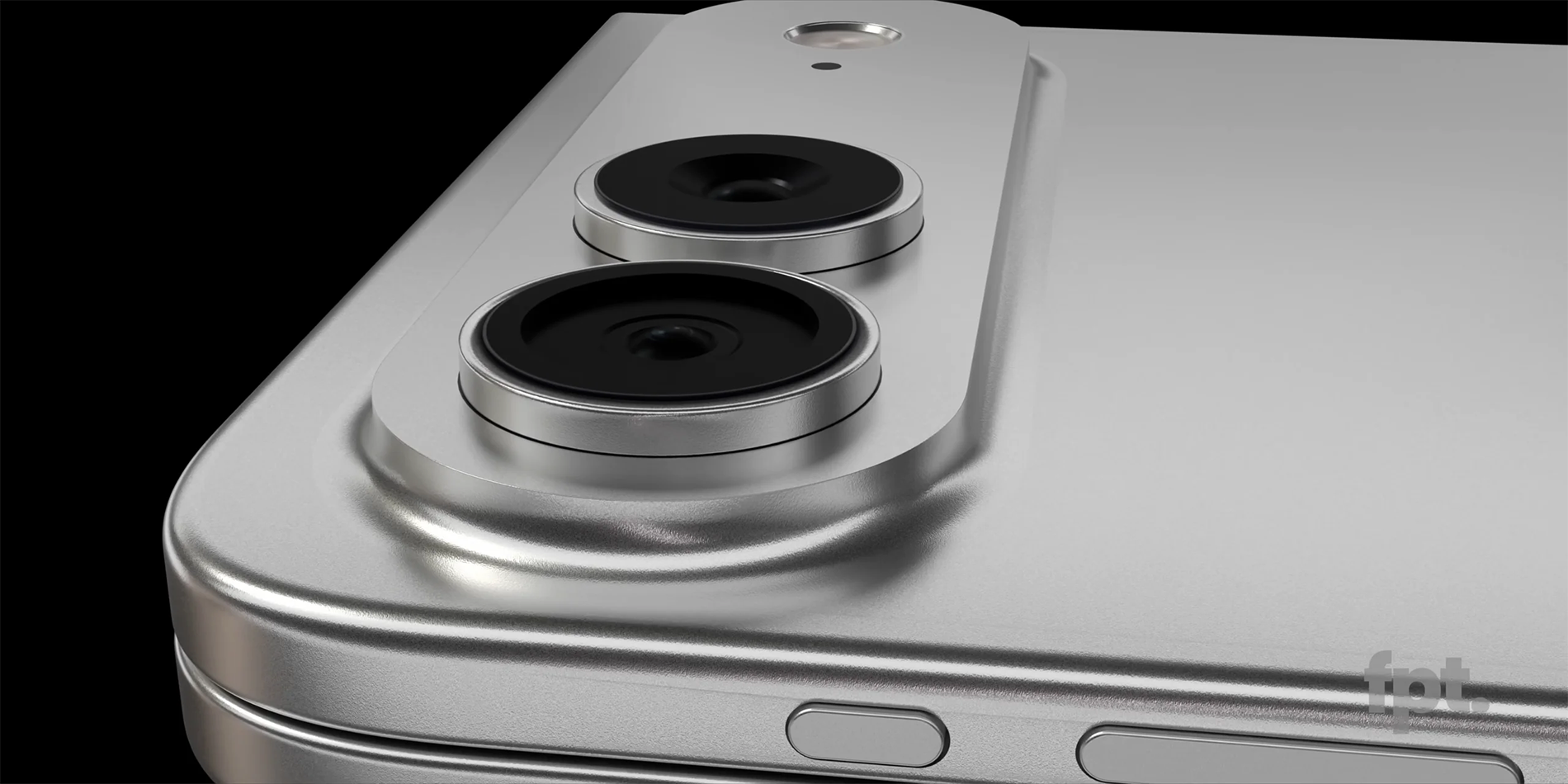
The device is expected to address two long-standing weaknesses that have defined foldable smartphones for years: display quality and overall durability.
Recent speculation, originating from the social platform Weibo, suggests that the “Ultra” branding reflects Apple’s ambition to position the product at the very top of its lineup. Beyond the name, industry analysts indicate that the company is focusing its efforts on solving the most persistent limitations of foldable devices.
A clearer, stronger display - the core challenge
In his latest newsletter, tech journalist Mark Gurman of Bloomberg reported that Apple believes it has made meaningful progress in both display quality and structural durability.
These two factors have long deterred many users from fully embracing foldable phones, despite their futuristic appeal.
At the center of Apple’s efforts is the screen crease - a visual imperfection that remains visible on most foldable devices today. Gurman noted that the crease on the iPhone Ultra would be “less noticeable when unfolded” compared to competitors.
Earlier, supply chain analyst Ming-Chi Kuo had predicted that Apple’s foldable iPhone might feature a nearly “crease-free” inner display. Gurman, however, offered a more measured view, suggesting Apple is working to minimize rather than entirely eliminate the crease.
This signals a pragmatic design philosophy: instead of chasing perfection, Apple appears focused on delivering a user experience where imperfections fade into the background of everyday use.
If successful, this would mark a significant step forward, as the crease has long been considered the most visible drawback of foldable phones, directly affecting both viewing comfort and the perceived premium feel.
A compact tablet experience
In terms of design, the iPhone Ultra is rumored to adopt a book-style folding mechanism, similar to existing horizontal foldables. When fully opened, it is expected to feature an internal display of around 7.7 inches, offering enough space for video viewing, gaming and multitasking with split-screen apps.
On the outside, the device may include a secondary display of approximately 5.3 inches, allowing users to perform quick tasks without unfolding the phone. The camera setup is said to include two rear cameras and a single front-facing camera.
Notably, Apple could forgo Face ID in favor of a power button integrated with Touch ID. This decision may stem from spatial constraints or the technical complexity of embedding facial recognition systems within a foldable design.
A strategic entry into a maturing market
The arrival of the iPhone Ultra would mark more than just a new product launch. It represents Apple’s long-awaited entry into the foldable smartphone segment, where competitors have already established a multi-year lead.
However, consistent with its philosophy of not rushing products to market, Apple appears intent on delivering a device that stands apart rather than merely following trends.
If the company succeeds in addressing durability and screen crease issues, the iPhone Ultra could set a new benchmark for the industry.
At a time when the global smartphone market is showing signs of stagnation, a truly differentiated product may provide the momentum Apple needs to ignite its next phase of growth.
Hai Phong
.svg)
