 Vietnamnet.vn

 Podcast



The naming shift, if confirmed, could signal more than a branding choice. It may redefine how the product is positioned, not only within Apple’s lineup but across the broader smartphone market.
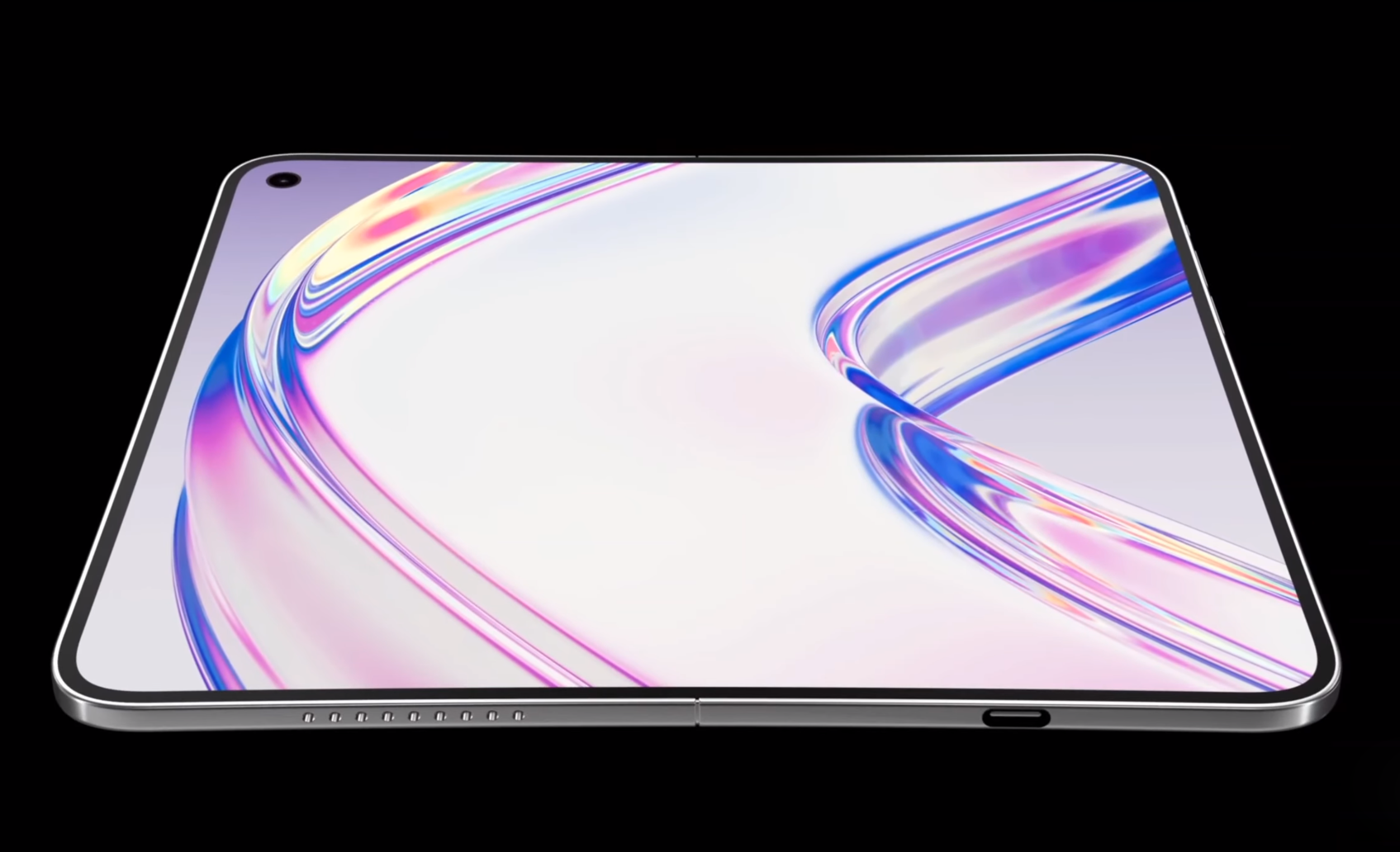
A different name, a different message
According to a post on Weibo by leaker Digital Chat Station, Apple’s wide-format foldable iPhone is likely to carry the “Ultra” branding. The information is said to be backed by industry sources, with some Chinese manufacturers already considering adopting the “Ultra” label for their own foldable devices in response.
The timing of this leak is notable. Just a day earlier, prototype dummy units of the foldable iPhone surfaced, offering the clearest look yet at its physical design. Reports also suggest the device has reached a key milestone in its production cycle.
Naming decisions typically come late in development, lending additional weight to the credibility of this leak.
A familiar strategy in a new form
The “Ultra” label is not new within Apple’s ecosystem. The company has previously used it for high-end products such as the Apple Watch Ultra and its top-tier M-series chips.
Bloomberg journalist Mark Gurman had earlier hinted in his Power On newsletter that Apple was considering extending the “Ultra” branding to its most ambitious iPhone yet.
Rather than emphasizing specifications alone, Apple has often used “Ultra” to signal a distinct experience or purpose. This philosophy could explain why the company might avoid the more literal “Fold” naming.
Not just about specs
Some observers question whether the “Ultra” name is justified, given reports that the foldable iPhone may lack Face ID and feature only two rear cameras, potentially placing it below future Pro Max models in raw specifications.
However, Apple’s branding rarely revolves purely around hardware metrics.
The Apple Watch Ultra, for instance, is not the most feature-packed smartwatch on the market, but its rugged design, size and specialized use cases define its identity.
Similarly, the foldable iPhone may be positioned as a new category altogether rather than a direct upgrade within the existing lineup.
A larger canvas
Reports suggest the device could feature an internal display of around 7.8 inches when unfolded, bringing it closer in size to a small tablet, such as an iPad mini, than a traditional smartphone.
The “iPhone Ultra” name would allow Apple to communicate this shift - from a phone with a folding mechanism to a new form factor that blends categories.
Meanwhile, competitors are preparing their responses. Samsung is reportedly developing a wide-format foldable device under the name Galaxy Z Wide Fold, seen as a direct rival.
Branding as strategy
For years, Apple has not only launched products but also shaped the language of the industry.
A name like “iPhone Ultra” does more than describe a device. It frames expectations, signals ambition and creates a premium tier that others may feel compelled to follow.
If rumors of a US$1,999 price point prove accurate, the device could mark a turning point, bringing foldable technology closer to mainstream adoption while anchoring it firmly in the high-end segment.
In that context, “Ultra” may be less about what the device does, and more about what it represents.
Hai Phong
.svg)
