 Vietnamnet.vn

 Podcast



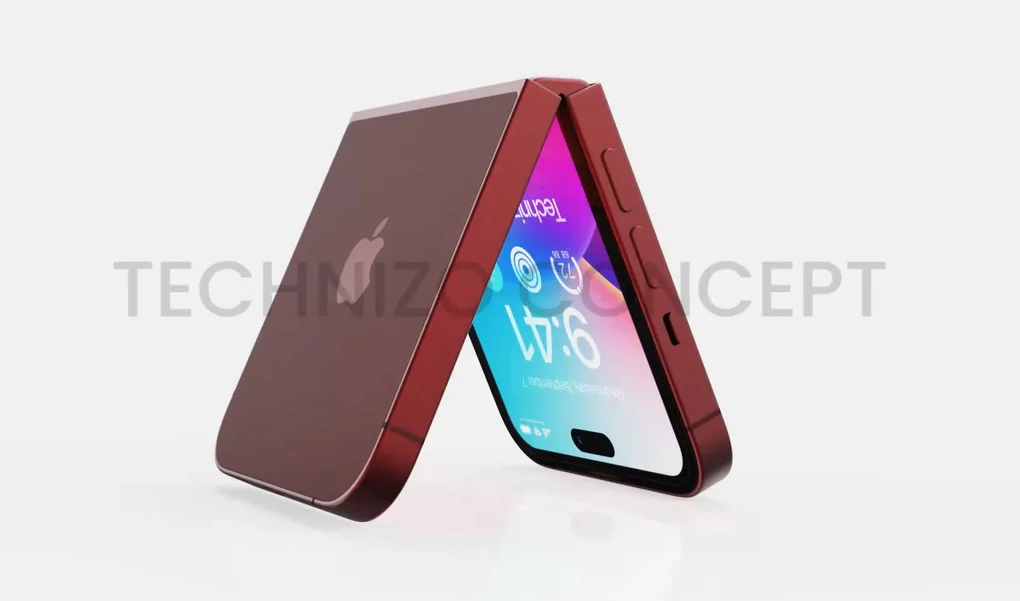
Concept image of a potential clamshell foldable iPhone. Photo: Technizo Concept.
For years, the technology community has been waiting for Apple’s first foldable iPhone. Several leaks suggested the company planned to officially introduce the device later this year, alongside its two traditional flagship models, the iPhone 18 Pro and iPhone 18 Pro Max.
However, few people knew that Apple had once considered developing another type of foldable iPhone - a clamshell design similar to classic flip phones.
The device was reportedly abandoned during development after being deemed “unnecessary”, despite the possibility that it could have become an appealing product in the market.
New leaked information indicates that Apple had been researching a clamshell foldable iPhone to complement the book-style foldable model currently under development.
While the main foldable iPhone is expected to compete directly with premium devices such as Samsung’s Galaxy Z Fold 8 and Galaxy Z Wide Fold, the clamshell version was originally intended to rival compact foldable phones like the Galaxy Z Flip 8.
In fact, rumors about a clamshell foldable iPhone have circulated for several years. But according to the latest report, Apple has now either canceled the project entirely or postponed it indefinitely.
Clamshell foldable iPhone considered “unnecessary”?
According to internal sources, most of Apple’s product development team believes that a clamshell foldable iPhone would not deliver enough new value to justify becoming a standalone product.
Apple has long been known for avoiding rushing into emerging technology trends. Instead, the company typically waits until the technology matures before launching a product with a refined user experience.
A clear example is Apple’s slow entry into the foldable smartphone market. The company is believed to be waiting until it can fully address the screen crease issue, one of the biggest weaknesses of today’s foldable devices.
In its current strategy, Apple is said to be positioning its first foldable iPhone as an ultra-premium product, potentially sitting above even the iPhone 18 Pro Max.
This approach aligns with the company’s broader plan to build an “Ultra” tier at the very top of its product ecosystem.
Within that strategy, a clamshell foldable device - typically designed to emphasize compactness and fashion appeal - may not fit well with Apple’s intended positioning.
According to sources, Apple views the clamshell design as essentially a traditional iPhone that simply folds in half. It does not create a truly breakthrough experience while requiring significant compromises in other areas.
One major reason Apple appears hesitant about the clamshell design lies in hardware limitations.
Because the device folds in half, battery capacity would likely be significantly smaller than that of a standard iPhone. This could lead to shorter battery life, something Apple has consistently tried to avoid in its products.
In addition, foldable displays still struggle to match the durability and visual quality of conventional single-panel screens. Although the technology has improved rapidly, issues such as visible creases and long-term durability remain unresolved.
The camera system also presents another challenge. With the internal space divided into two sections by the hinge mechanism, integrating larger sensors or advanced camera modules similar to those in the Pro lineup becomes more difficult.
This limitation could result in weaker photography capabilities.
According to Apple’s internal evaluation, if the goal is simply to create a smaller iPhone, the company could achieve that by designing a compact traditional iPhone instead of adopting a complex folding mechanism.
Is Apple missing a major opportunity?
The decision to cancel the clamshell foldable iPhone has sparked mixed reactions within the technology community.
From one perspective, the move aligns perfectly with Apple’s long-standing product philosophy: releasing devices only when they offer a truly superior experience and fit the company’s long-term strategy.
From a market perspective, however, some analysts believe Apple could be missing an attractive business opportunity.
Clamshell foldable phones may not sell as strongly as book-style foldables, but they still maintain a stable user base.
For example, previous generations of Samsung’s Flip series, such as the Galaxy Z Flip 7, were not as popular as the Galaxy Z Fold 7, yet they still achieved solid sales.
The compact, fashionable, and distinctive design of flip-style foldables has helped the category attract its own group of users.
If Apple were to launch a premium clamshell foldable iPhone integrated with the familiar iOS ecosystem, it could potentially become a strong seller purely on the strength of the company’s brand appeal.
Even so, for Apple, maintaining a consistent product strategy may matter more than chasing every segment of the market.
And in its upcoming foldable iPhone roadmap, the company appears to be focusing all its resources on a single device - the most premium foldable iPhone, reportedly expected to arrive this year.
Hai Phong
.svg)
