 Vietnamnet.vn

 Podcast



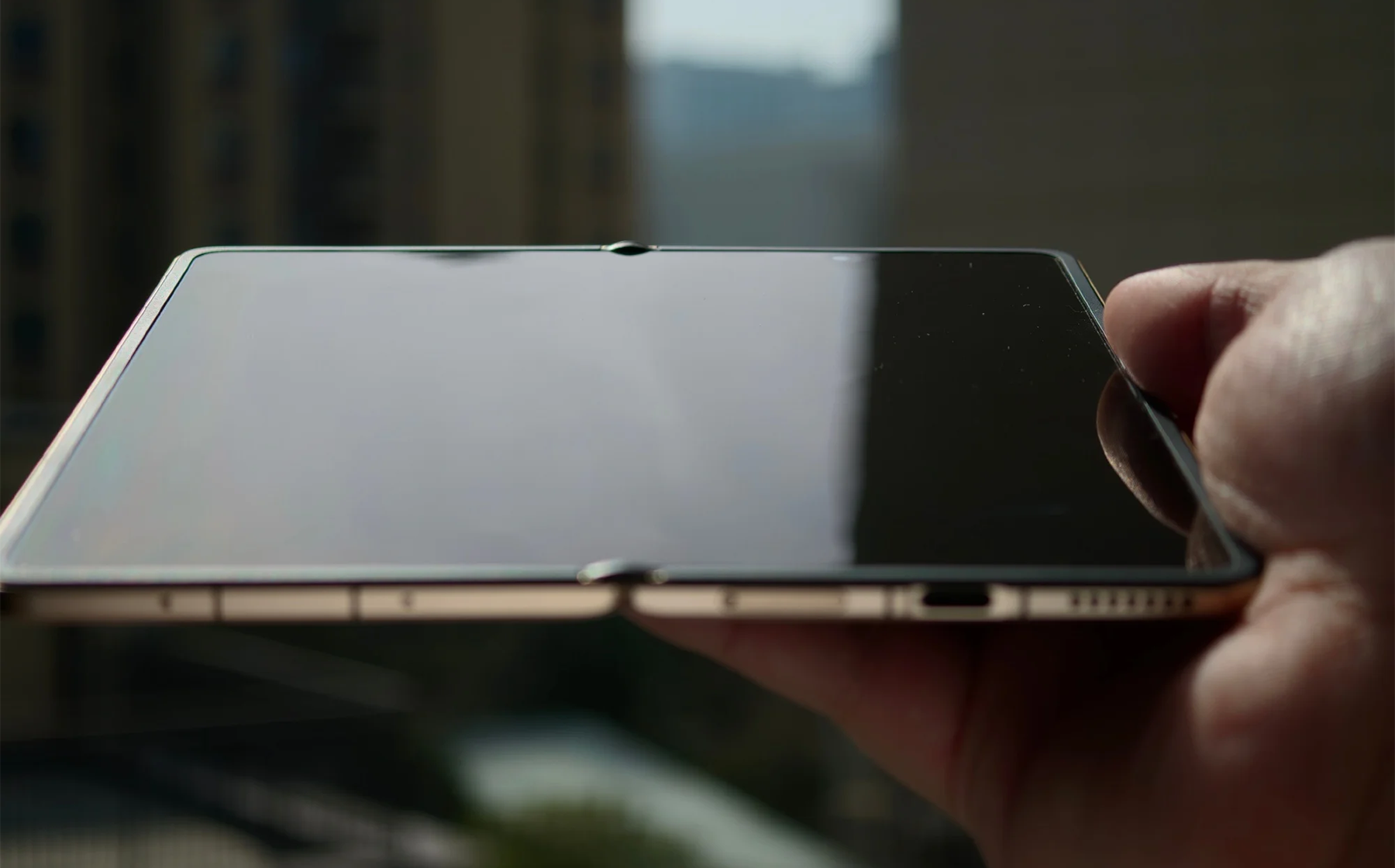
Once hailed as a symbol of the future, foldable phones have now matured enough for the mainstream. Yet one formidable barrier still stands in the way of the long-awaited boom.
Nearly seven years ago, Samsung unveiled the first Galaxy Fold, igniting dreams of a new era in mobile design.
At the time, the device thrilled the tech world, but it quickly revealed a series of shortcomings: fragile inner displays, unreliable hinges, uneven performance and a folded experience that felt far from seamless.
Foldables were soon labeled “toys for tech enthusiasts” rather than products built for the mass market.
For years, manufacturers persisted. Hinges became sturdier. Flexible display layers were reinforced. Software grew more refined. Today’s foldables are worlds apart from their early predecessors. And 2026 may well mark the moment when that original dream reaches full maturity.
Even without mentioning the much-rumored foldable iPhone, upcoming Android devices alone demonstrate how far the category has come.
Honor has confirmed that the Honor Magic V6 will debut this weekend with an inner display that nearly eliminates the crease and a 6,100 mAh battery - an impressive figure for such a slim device.
Its predecessor, the Honor Magic V5, already impressed users with its compact body and comfortable one-handed use when folded. If the Magic V6 truly resolves the crease issue and delivers on battery improvements as promised, it is fair to say that the vision first sparked by Galaxy Fold seven years ago has finally materialized.
On Samsung’s side, the Galaxy Z Fold 7 has reached a high level of refinement, offering a folded experience that feels remarkably close to a traditional bar-style smartphone. Concerns about fragile inner displays and hinge degradation over time have largely been addressed.
Technically speaking, foldable phones in 2026 are no longer experiments. They are durable, powerful and elegant enough to compete directly with the most advanced flagship smartphones on the market.
Yet the biggest obstacle lies in a familiar place: price.
The year 2026 could have been remembered as the milestone when foldables became mainstream. Instead, it may be defined by a different narrative - artificial intelligence and a component crisis that sends smartphone sales into sharp decline.
Some analysts forecast that global shipments could fall by as much as 13 percent due to shortages of DRAM and NAND memory chips across the consumer electronics industry.
The most immediate consequence of this memory crunch is rising component costs. Budget devices are hit hardest, but even premium models are far from immune.
As the mass market contracts, brands such as Honor are compelled to seek higher margins from more expensive products.
In this context, foldables - already among the priciest devices on the market - become even more distant for average consumers. Devices like the Honor Magic V5 and the Samsung Galaxy Z Fold 7 typically cost around 50 percent more than bar-style flagships such as the Magic V7 Pro or the Galaxy S25 Ultra.
Rumors surrounding the first foldable iPhone suggest Apple may need to scale back certain features to keep the price at US$2,400. Even so, that figure is nearly double the price of the iPhone 17 Pro Max. At such levels, foldables, no matter how compelling, remain beyond the reach of the vast majority of users.
The irony is that foldable phones today genuinely justify their value. They are no longer bulky or fragile.
The Magic V6 carries IP68/IP69 water and dust resistance. The Galaxy Z Fold 7 delivers a folded experience that feels almost indistinguishable from a conventional smartphone.
Unfolded, users gain a display comparable to a tablet - ideal for reading documents, watching films or multitasking for work.
Paired with a detachable keyboard, the device can even replace a Chromebook for many everyday needs.
Within a single body, users effectively own both a smartphone and a tablet - something traditional smartphones simply cannot offer.
Looking ahead, the market is also anticipating the Oppo Find N6, followed by successors such as the Galaxy Z Fold 8 and the first foldable iPhone. These products will likely push further improvements in design, battery life, display quality and durability. However, it is difficult to expect any meaningful price reduction.
Foldable phones have undergone a seismic shift: from strange, risky gadgets few dared to buy to some of the most desirable smartphones on the market. Technologically, they are ready for the mainstream.
But economic reality tells a different story. Amid rising component costs and a weakening smartphone market, price tags in the thousands of US dollars remain an imposing barrier for most consumers.
For that reason, 2026 may be the year when you truly want to own a foldable phone - because they are finally good enough, durable enough and practical enough. Yet it may also be the year many realize that the dream remains out of reach, simply because the future still comes at a premium.
Hai Phong
.svg)
