 Vietnamnet.vn

 Podcast



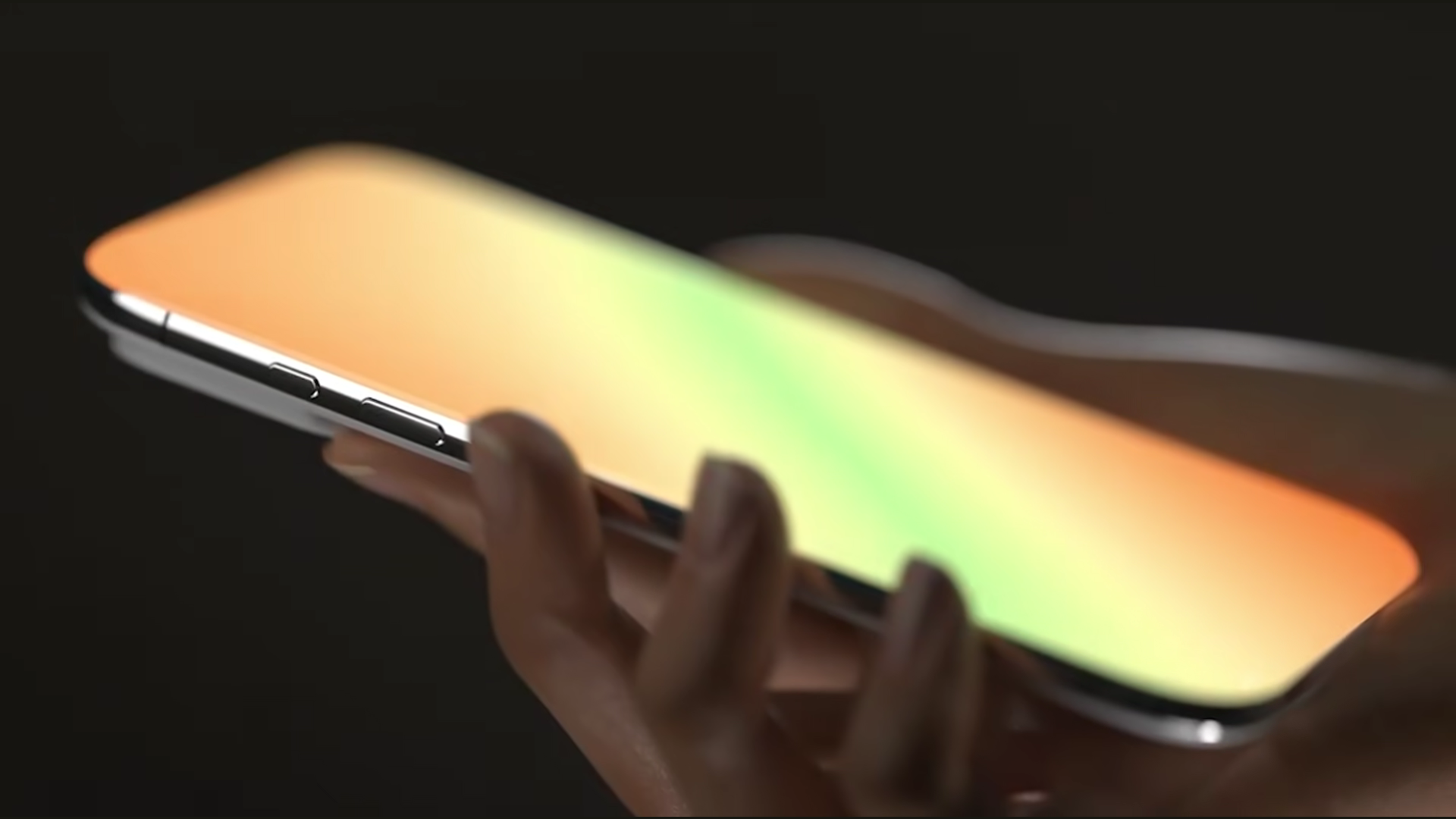
The information was shared by well-known leaker Instant Digital on Chinese social media platform Weibo.
While many of the claims remain speculative, the details surrounding Apple’s solid-state button system have generated major attention in the tech community because the company has reportedly been developing the technology for years without successfully commercializing it.
According to Instant Digital, Apple is currently testing the buttons under a wide range of conditions to ensure consistent performance.
The tests reportedly include operation while wearing gloves, with wet hands, in extreme temperatures, and when the device is placed inside protective cases.
Unlike traditional mechanical buttons, solid-state buttons contain no moving physical parts.
Instead, they rely on pressure-sensitive sensors combined with haptic vibration feedback to simulate the sensation of pressing a real button.
The technology works similarly to the Force Touch trackpads Apple has used in MacBooks for years.
Sources also claim Apple is developing an ultra-low-power chip that would allow the buttons to detect input even when the iPhone is powered off.
That could enable users to access certain basic functions without relying on traditional mechanical controls.
The centerpiece of Apple’s 2027 iPhone vision
Rumors surrounding an “all-glass iPhone” have circulated for years, but the 20th anniversary model is increasingly viewed as the moment Apple may finally turn that vision into reality.
If the device adopts solid-state buttons, Apple could eliminate nearly all protruding physical components from the frame, creating a cleaner and more seamless design.
The change would not only improve aesthetics but also increase durability.
Without mechanical openings for buttons, the device could offer stronger water resistance and reduced long-term wear on internal components.
Apple was previously rumored to introduce solid-state buttons with the iPhone 15 Pro in 2023.
At the time, reports suggested the company had already developed dedicated low-power controllers for the system.
However, Apple ultimately canceled the feature before launch, likely due to concerns surrounding reliability and user experience.
As a result, if the technology finally debuts on the 20th anniversary iPhone, it would represent the culmination of years of development across multiple product generations.
The rumored device is also expected to continue Apple’s pursuit of a completely uninterrupted display with no notch or Dynamic Island.
According to leaks, Apple is testing under-display Face ID technology using hidden infrared sensors positioned beneath the OLED panel.
The front-facing selfie camera may also move underneath the display instead of relying on a visible cutout.
If successful, the entire front surface of the iPhone would become one continuous sheet of glass with an almost borderless visual experience.
Instant Digital further claims Apple could integrate under-display speaker technology, removing the top earpiece opening entirely.
That would leave the front panel virtually free of any visible interruptions.
Next-generation OLED and larger battery capacity
On the display side, sources suggest Apple may adopt a dual-layer OLED panel similar to the technology introduced in the latest iPad Pro models.
The system could improve brightness, increase durability, and deliver better power efficiency.
Other leakers claim Apple is also working with Samsung on “four-micro-curve” OLED panels featuring subtle curves along all four edges.
That display technology could become the foundation for Apple’s long-rumored wraparound glass design.
Battery capacity may also see a major jump.
The iPhone 20 Pro is rumored to feature a battery approaching 6,000mAh - significantly larger than current Apple standards.
Another notable detail involves a new protective glass layer tentatively referred to as “Ceramic Shield Ultra.”
Even Instant Digital acknowledged the name is unofficial, but claimed the material could resist scratches from objects like keys inside a pocket.
Apple has consistently improved iPhone durability over the years, making speculation about a next-generation Ceramic Shield upgrade far from unrealistic.
Still, industry analysts caution that most current information should be treated carefully.
Weibo leakers have a mixed track record, and many reports often combine older rumors with unverified speculation.
Even so, few doubt Apple is preparing something special for the iPhone’s 20th anniversary.
And if even part of these rumored technologies become reality, the 2027 iPhone could mark the biggest transformation of Apple’s smartphone lineup since the debut of the iPhone X nearly a decade earlier.
Hai Phong
.svg)
