 Vietnamnet.vn

 Podcast



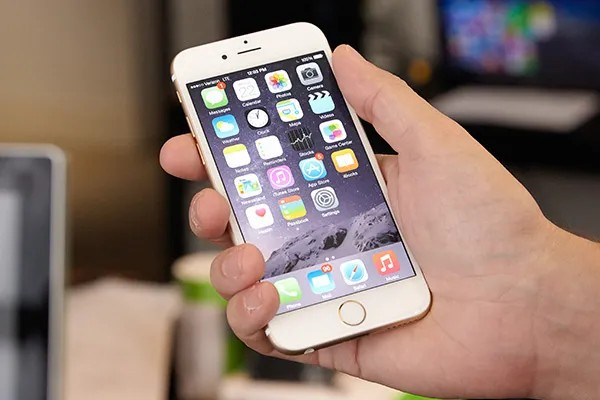
Alongside the launch of iOS 26.2.1 for newer models, Apple quietly rolled out this legacy patch on January 26. The update also applies to the first-generation iPad Air, iPad mini 2 and 3, and the sixth-generation iPod touch.
According to Apple’s technical notes, iOS 12.5.8 is a targeted update designed to renew critical security certificates that power essential services like iMessage and FaceTime. Without this patch, these older devices would lose access to core functionalities due to expired certificates.
With the update installed, users of iPhone 5s and similar devices can expect uninterrupted service through at least January 2027 - stretching the product’s lifespan well beyond Apple’s public five-year security commitment.
The move is particularly notable because the iPhone 5s was officially labeled “obsolete” by Apple in 2024, a status that typically ends all software support. The last time these devices received an update was in January 2023, also for important security vulnerabilities.
The iPhone 6s, released in 2015, has also continued to receive maintenance updates, most recently iOS 15.8.5 in September 2025 and iOS 15.8.6 in January 2026, which included a similar certificate renewal function.
Apple’s move further highlights the stark contrast in long-term support between iPhones and many Android phones of the same generation. For example, the Samsung Galaxy S4 (2013) and Galaxy S5 (2014) have not received any updates for years.
To its credit, the Android ecosystem is catching up. Since 2024, both Samsung and Google have extended their official support periods to seven years for flagship devices like the Galaxy S24 and Pixel 8. Still, Apple’s 13-year track record for the iPhone 5s remains unmatched.
Even though the company officially guarantees only five years of security updates, the extended life of these older devices is widely seen as a testament to Apple’s ongoing commitment to its user base and ecosystem stability.
Du Lam
.svg)
