 Vietnamnet.vn

 Podcast



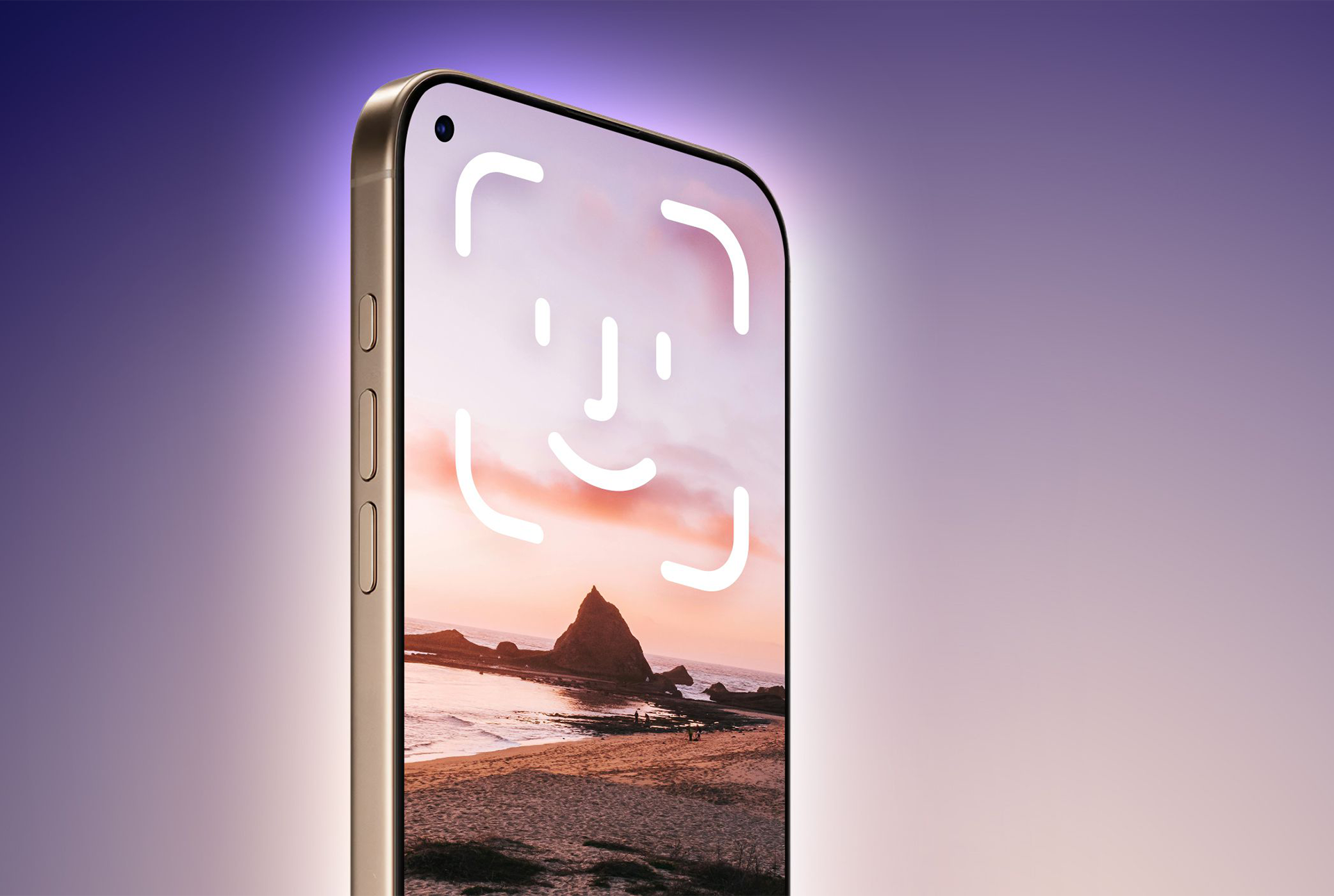
Apple typically works on multiple iPhone generations simultaneously, in close coordination with suppliers. It’s no surprise, then, that details on the iPhone 18 line are already surfacing months ahead of its expected release.
One significant shift will reportedly be in Apple’s launch strategy. Starting with the iPhone 18 series, Apple is said to be adopting a two-phase rollout: the iPhone 18 Pro, iPhone 18 Pro Max, and the long-rumored iPhone Fold are expected in September 2026, while the standard iPhone 18 and iPhone 18e will follow in spring 2027.
1. Familiar design, refined execution
The iPhone 18 Pro is expected to carry forward the design language of the iPhone 17 Pro, including the familiar triple-lens rear camera setup arranged in a triangle. Screen sizes will remain at 6.3 inches for the Pro and 6.9 inches for the Pro Max.
However, Apple may drop the two-tone rear glass finish seen on last year’s models in favor of a more seamless look. Improvements in the back glass manufacturing process - specifically reducing the visual gap between the new Ceramic Shield 2 and the aluminum frame - are expected to enhance the device’s visual consistency and premium feel.
2. Thicker body, bigger battery?
Rumors suggest the iPhone 18 Pro Max will be slightly thicker than its predecessor, potentially reaching 243 grams - heavier than even the iPhone 14 Pro Max.
While the exact reason hasn’t been confirmed, the added thickness likely accommodates a larger battery. If true, this would be welcome news for users seeking noticeably longer battery life, especially on the Pro Max model.
3. Smaller Dynamic Island: A step toward under-display Face ID
Apple's journey toward a full-screen display continues. While some sources speculate the Dynamic Island might disappear entirely in favor of a punch-hole camera, analysts like Ross Young and Bloomberg’s Mark Gurman believe a more realistic change is a smaller, less obtrusive cutout.
Apple is said to be testing miniaturized Face ID sensors and a smaller front-facing camera, laying the groundwork for future under-display implementations.
4. A20 Pro chip: Apple’s first 2nm processor
The iPhone 18 Pro will debut Apple’s A20 Pro chip, built on TSMC’s advanced 2nm process. This leap allows for higher transistor density, boosting both performance and energy efficiency.
Early estimates suggest the A20 Pro will be 15% faster and 30% more power-efficient than the A19 in the iPhone 17. Apple will also reportedly introduce WMCM (wafer-level chiplet integration), allowing RAM to be directly stacked with the CPU, GPU, and Neural Engine for faster AI processing and better battery optimization.
5. Apple’s own 5G modem: C2
Apple is expected to use its in-house C2 modem in the iPhone 18 Pro, following its earlier C1 and C1X models. This move further reduces Apple’s reliance on Qualcomm.
The C2 modem promises faster speeds, lower power consumption, and support for mmWave 5G in the US - a feature missing in Apple’s earlier self-developed modems.
6. Samsung camera sensor breakthrough
Apple is reportedly collaborating with Samsung on a new triple-layer stacked image sensor, named PD-TR-Logic, developed specifically for the iPhone 18.
The sensor is expected to offer faster processing, better noise reduction, and wider dynamic range - marking a rare moment of cooperation between Apple and Samsung in the imaging department, which has historically been dominated by Sony.
7. Variable aperture lens: DSLR-style control
Another major upgrade could come in the form of a variable aperture lens - something never seen before on an iPhone. Rather than a fixed f/1.78, users may be able to manually adjust the aperture, similar to DSLR cameras.
This would allow for greater depth-of-field control, enabling more natural portrait blur or sharper landscapes depending on the scenario.
8. Satellite 5G internet access
Apple is working to expand its satellite connectivity beyond emergency use. If successful, the iPhone 18 Pro could offer full 5G satellite internet access - a feature that would make it one of the first mainstream smartphones capable of true off-grid connectivity.
9. Simplified Camera Control button
To reduce manufacturing costs, Apple is expected to redesign the Camera Control button. Rather than using both capacitive touch and pressure sensors, the new button may retain only pressure sensitivity - streamlining the design without sacrificing functionality.
hi
Apple is experimenting with three bold new color options: burgundy red, brown, and purple. If they make the final cut, this will mark the first time Apple’s Pro models include such a deep red and a true brown - adding fresh visual identity to the iPhone lineup.
With sweeping changes in performance, battery life, connectivity, and camera technology, the iPhone 18 Pro could be Apple’s most ambitious release in recent memory - and one worth waiting for.
Hai Phong
.svg)
