 Vietnamnet.vn

 Podcast



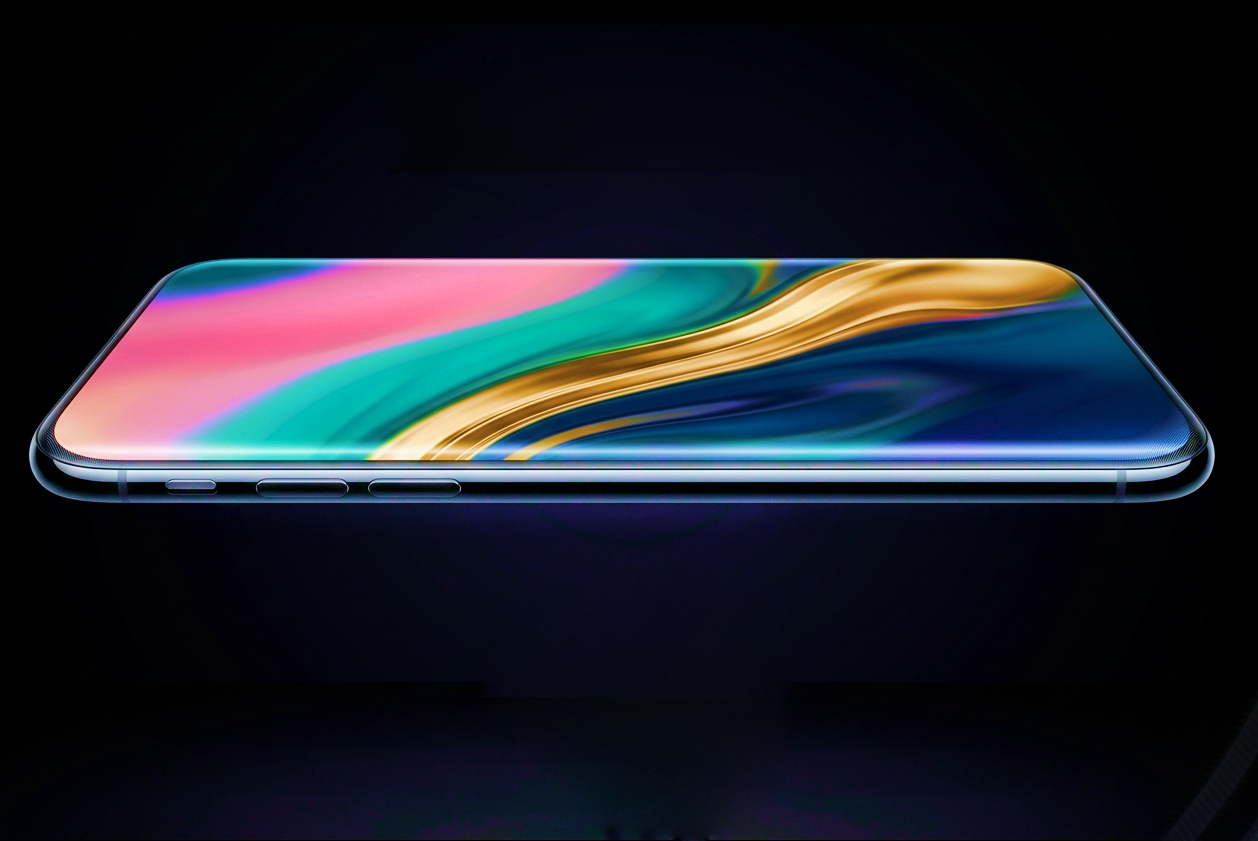
Leaked information suggests Apple plans to use a four-sided curved panel with uniform curvature, supplied by Samsung. However, this is not expected to resemble the curved displays seen on Android smartphones over the years.
Well-known leaker Ice Universe emphasized that this is “not a traditional four-sided curved screen, nor anything we’ve seen before.” The curvature is said to be extremely subtle - almost imperceptible to the naked eye - yet sufficient to create a distinct visual effect.
Instead of delivering an obvious curved feel, Apple appears to be pursuing a different approach, using optical effects to reshape how users perceive the display.
According to Ice Universe, the innovation lies not only in hardware but also in how Apple handles light and imagery. The technology may combine light refraction, advanced light-guiding structures, and precisely engineered visual illusions.
The result could be a display where the edges virtually vanish, while maintaining a natural viewing experience without distortion - an issue that has affected some curved displays in the past.
If accurate, Apple would not only be improving hardware but redefining how content is presented on smartphones, turning the entire front surface into a unified display.
“Liquid Glass Display”: thinner, brighter
Alongside the design, Apple is also expected to adopt a new OLED technology developed by Samsung, known as COE (Color Filter on Encapsulation). This approach integrates color filters directly into the encapsulation layer, making the display thinner and brighter than traditional OLED panels.
Sources suggest Apple may brand this as the “Liquid Glass Display,” aligning it with a new design language in its software. The name evokes a surface that is smooth, fluid, and visually continuous - like a living sheet of glass.
If realized, this could represent a major step in Apple’s long-standing philosophy of tightly integrating hardware and software.
The push for a truly uninterrupted screen
For its 20th anniversary, Apple is reportedly aiming for a fully uninterrupted display - no notch, no cutout. However, this remains one of the biggest technical challenges.
Hiding the entire Face ID system and front camera beneath the display is complex. Current under-display camera technologies still struggle with image quality, while Face ID requires extremely high accuracy and reliability.
Display analyst Ross Young believes Apple may not be able to fully implement under-display Face ID by 2027. However, other sources suggest a breakthrough could still occur within the next year.
If full integration proves unfeasible, Apple could adopt an interim solution: placing Face ID under the display while retaining a small hole-punch for the front camera.
If the rumors hold true, the anniversary iPhone may not just be another upgrade, but a symbolic milestone - much like the iPhone X was in 2017.
A nearly borderless design, combined with advanced display technology and a truly seamless screen, could set a new benchmark for the smartphone industry in the decade ahead.
While many details remain uncertain, it is clear Apple is preparing for a major transformation. If successful, the 2027 iPhone may stand not only as a device, but as a statement about the future of mobile design.
Hai Phong
.svg)
