 Vietnamnet.vn

 Podcast



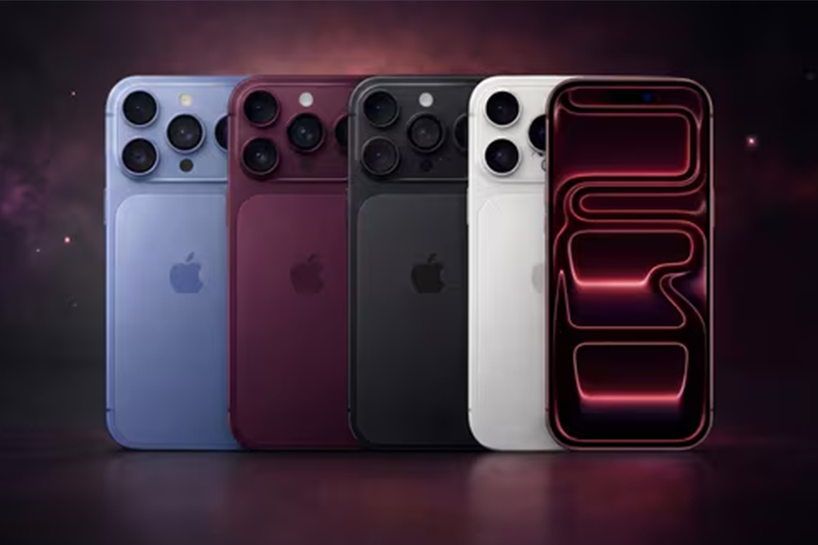
According to analyst Jeff Pu, in a newly released research note, Apple is expected to maintain competitive pricing for the standard configurations of its upcoming Pro models.
The goal is to preserve the appeal of its premium lineup while capitalising on the success of previous generations.
Earlier, Ming-Chi Kuo, one of the most respected observers of Apple’s supply chain, offered a similar outlook. He believes the company is working to keep prices in line with the iPhone 17 series.
If these projections prove accurate, the iPhone 18 Pro could start at around US$1,099, while the Pro Max version may begin at US$1,199, unchanged from the previous generation.
Such a decision would stand out sharply at a time when production costs continue to rise.
While maintaining entry-level pricing, Apple may adopt another approach to protect profit margins by increasing prices for higher storage variants.
This would not be unprecedented, but could be pushed further with the iPhone 18 Pro lineup.
Notably, the iPhone 18 Pro is rumored to introduce a storage option of up to 2TB for the first time. This shift may be enabled by Apple’s move to QLC (Quad-Level Cell) flash memory technology, allowing more data to be stored within the same physical space while reducing production costs compared to existing solutions.
Expanding into ultra-high storage tiers could broaden Apple’s appeal, particularly among professional users, while also increasing revenue per device.
Foldable iPhone set to command record price
Beyond the Pro lineup, another product expected to draw global attention at Apple’s September event is the company’s first foldable iPhone.
Seen as a key step in competing directly with rivals such as Samsung, the device is rumored to feature an inner display with an almost imperceptible crease.
This could allow Apple to differentiate itself clearly from existing foldable smartphones.
However, the anticipated price point is far from modest, with estimates ranging from US$2,000 to US$2,400. If confirmed, it would become the most expensive iPhone ever produced, targeting an ultra-premium segment.
Amid rising component costs and intensifying competition, Apple’s decision to hold the base price of the iPhone 18 Pro may prove to be a carefully calculated move.
Rather than passing the full burden onto consumers, the company appears to be optimising configurations and product segmentation to sustain profitability.
Hai Phong
.svg)
