 Vietnamnet.vn

 Podcast



With just a few weeks to go, Apple is widely expected to unveil its next entry-level model: the iPhone 17e - the successor to the iPhone 16e launched in February 2025.
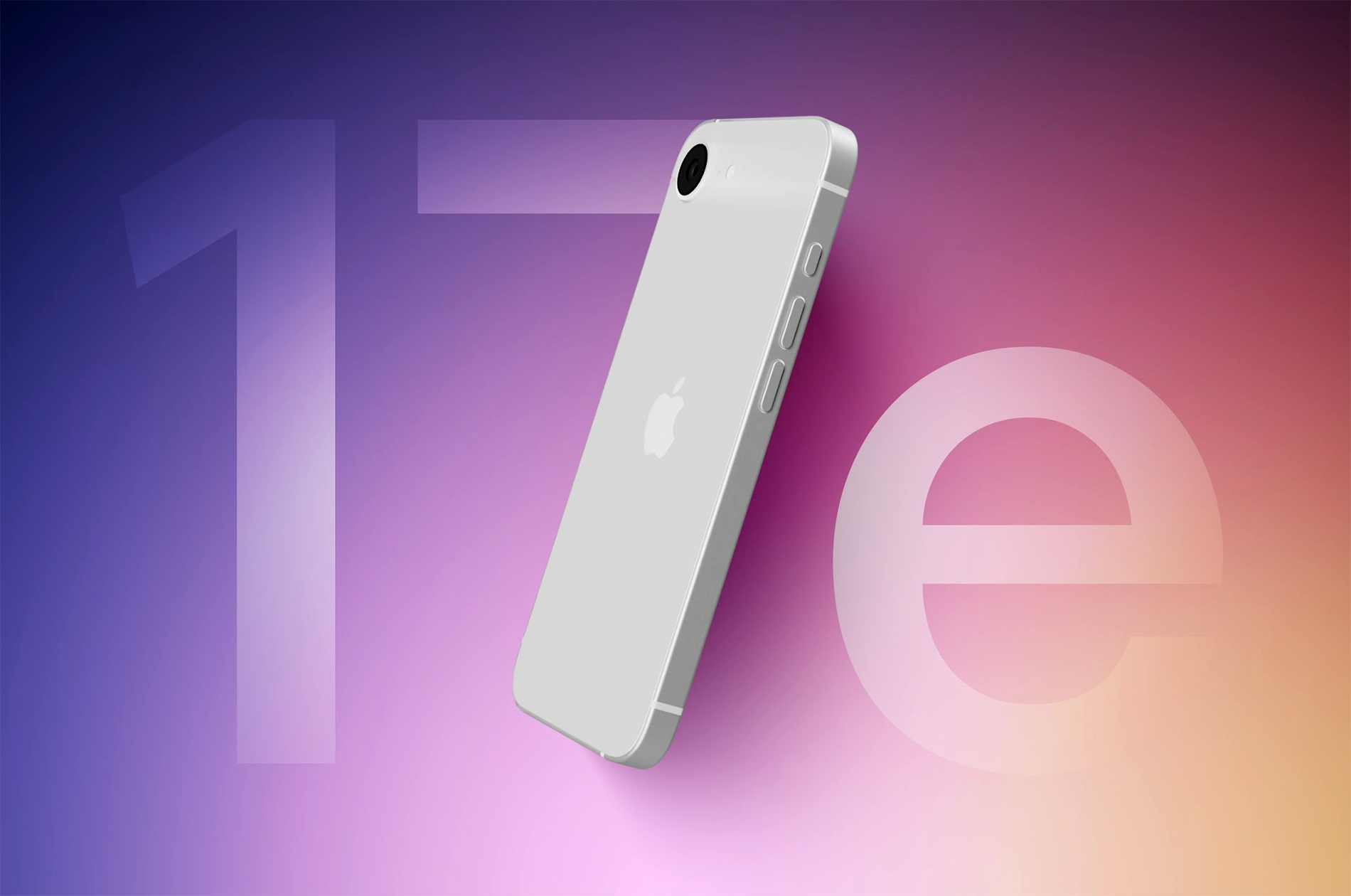
iPhone 17e is expected to bring some welcome upgrades despite its budget pricing. Photo: MacRumors
Although still positioned as the most affordable iPhone, rumors suggest the 17e may offer a series of thoughtful upgrades, adding extra appeal to Apple’s budget lineup within its broader ecosystem.
While the iPhone 17e is unlikely to stray far from its predecessor in overall design, reports indicate that it will retain the 6.1-inch display, single rear camera, and limited color options - expected to be black and white. Apple appears to be continuing its clear distinction between premium models and cost-conscious alternatives.
However, one notable change may appear on the front. Several sources believe Apple will replace the traditional notch with Dynamic Island - a move that would bring a fresh visual identity and a more modern user experience, despite retaining a similar chassis.
Display: 60Hz, but potentially sleeker
The iPhone 17e is likely to use the same display panel as the 16e, meaning its refresh rate will remain at 60Hz. While Apple has already brought its 120Hz ProMotion technology to the base iPhone 17, this enhancement still seems out of reach for the “e” line due to pricing constraints.
The 120Hz refresh rate delivers smoother motion and better scrolling experiences, particularly in video playback and web browsing. Yet Apple appears keen to preserve it as a differentiator for its mid- and high-end devices.
Also unlikely to appear is the Always-on Display feature, which requires an OLED screen capable of dimming down to 1 nit - a capability reserved for Apple’s more expensive iPhones.
Still, there’s speculation that the 17e could come with slightly slimmer bezels, offering more usable screen space without altering the core specs - a small visual boost that might go a long way in improving the overall experience.
Dynamic Island: a small change, a big impact
Should the rumors prove accurate, the switch from a notch to Dynamic Island could become a defining feature of the iPhone 17e. Introduced on premium models, Dynamic Island is a pill-shaped cutout that houses the TrueDepth system and front camera, taking up less screen real estate and deeply integrated into iOS animations and notifications.
Apple has paired this hardware with responsive software, enabling the cutout to morph in size and shape to display alerts, timers, incoming calls, Face ID activity, Maps directions, and privacy indicators for microphone and camera.
Crucially, Dynamic Island is also interactive - users can tap it for quick access to key app features. Compared to the static notch, it represents a tangible upgrade in daily usability.
That said, some sources remain cautious, noting that the iPhone 17e may still stick with the notch. For now, the Dynamic Island upgrade remains unconfirmed.
Chip A19: a step forward, but with trade-offs
On the performance front, the iPhone 17e is expected to be powered by the A19 chip - the same processor introduced with the iPhone 17 family. Built on Apple’s enhanced 3nm N3P process, A19 offers about a 5–10% improvement over the previous A18.
To maintain the price ceiling, Apple may opt for a throttled version of the A19 in the 17e, resulting in slightly lower clock speeds compared to the mainline iPhone 17. A similar move was seen in the iPhone 16e, which featured a GPU with four cores instead of five.
Still, the A19 delivers notable advancements in display processing, image signal handling, and AI performance. Each GPU core includes a Neural Accelerator, further optimizing on-device machine learning tasks - increasingly important in Apple’s strategy.
The 17e is also expected to continue with 8GB of RAM, while higher-tier models have moved to 12GB.
MagSafe: a long-awaited feature for everyday users
One of the biggest shortcomings of the iPhone 16e was its lack of MagSafe - Apple’s magnetic charging and accessory ecosystem first introduced with the iPhone 12. Rumors suggest the 17e will finally include the magnetic ring, opening the door to wireless charging speeds of at least 15W, doubling the 7.5W limit on Qi-based chargers.
This would make the 17e compatible with the vast lineup of MagSafe accessories, from wallets and stands to battery packs - potentially the most meaningful upgrade for users seeking a better everyday iPhone experience at a lower cost.
Camera: familiar territory
On the photography front, no major changes are expected. The iPhone 17e is likely to retain its 48MP wide-angle rear camera, with no additional lenses or standout features.
The front-facing camera is expected to remain a 12MP sensor, while higher-end iPhone 17 variants have already moved to an 18MP selfie camera featuring enhanced Center Stage support.
Modem and connectivity: custom choices, strategic cuts
The iPhone 17e is said to use Apple’s in-house C1X modem, first introduced in the iPhone Air. This chip promises twice the speed of the earlier C1 and better power efficiency compared to Qualcomm-based modems.
However, to cut costs, Apple will likely omit the newer Wi-Fi/Bluetooth N1 chip included in the rest of the iPhone 17 lineup, further highlighting the segmentation across tiers.
Pricing and expected launch window
Apple is expected to maintain the starting price of the iPhone 17e at USD 599.
As for timing, February remains the most likely window for launch - following the same pattern as the iPhone 16e, which was announced via press release. That said, a March or April release is still on the table, potentially aligning with the rollout of iOS 26.4 and the next-gen Siri and smart home devices.
Overall, the iPhone 17e is shaping up to be a modest but meaningful upgrade - solidifying its place as the most approachable iPhone in Apple’s 2026 portfolio.
Hai Phong
.svg)
