 Vietnamnet.vn

 Podcast



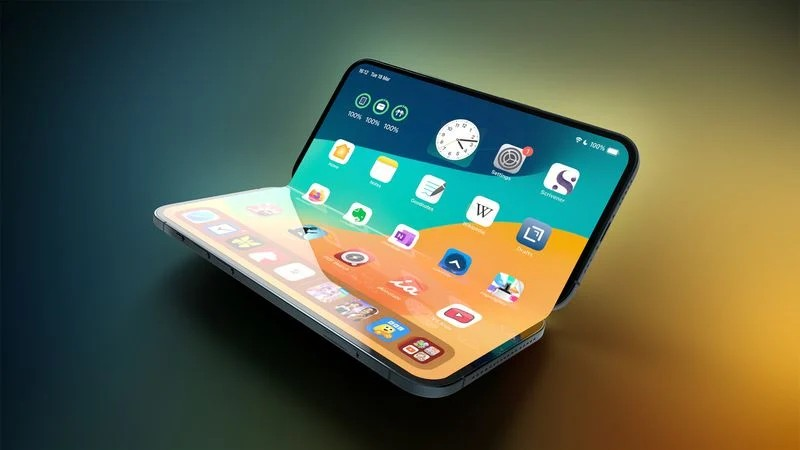
According to Bloomberg, the device remains on schedule for Apple’s annual fall product event, easing earlier concerns about potential production setbacks. As with previous launches, the new models are likely to reach store shelves about a week after their official debut.
Earlier reports from Nikkei Asia had raised alarms about possible delays due to technical testing challenges. However, Bloomberg now indicates that while the complexity of the foldable display and new materials could limit initial supply for a few weeks, Apple is still aiming to release the device alongside - or shortly after - its traditional iPhone lineup.
The launch is still around six months away, and large-scale production has yet to begin. Apple has declined to comment on the reports.
The foldable iPhone represents a significant step in Apple’s strategy to expand its flagship lineup with new designs, higher price points and advanced features. The company is positioning the device to compete directly with Samsung Electronics and Chinese smartphone makers, which have been developing foldable devices for several years.
For Apple, the foldable model is the second phase of a three-year plan to reshape the iPhone. Last year, the company introduced updated Pro and Pro Max models alongside a thinner variant known as iPhone Air. A more comprehensive redesign is reportedly planned for 2027, marking the 20th anniversary of the iPhone.
The iPhone roadmap has become a top priority for Apple’s leadership, including hardware chief John Ternus, who is widely seen as a potential successor to CEO Tim Cook.
The foldable iPhone is expected to stand out with several core innovations. Apple engineers believe they have addressed long-standing issues with foldable devices, particularly display durability and crease visibility. The crease is expected to be far less noticeable when the screen is unfolded.
The device will also optimize its interface for horizontal use, offering a better experience for video viewing and gaming compared to current foldable phones with narrower aspect ratios. Apple is said to be updating iOS so that apps behave more like they do on an iPad when the device is unfolded.
With a projected price tag above US$2,000, the foldable iPhone may deter some consumers. However, it is also expected to raise Apple’s average selling price and contribute to revenue growth.
At the same time, Apple is adjusting its annual release schedule. Lower-end models are expected to be delayed until spring 2027, when the company may also introduce a new iPhone Air and a more affordable iPhone 18e.
Du Lam
.svg)
