 Vietnamnet.vn

 Podcast



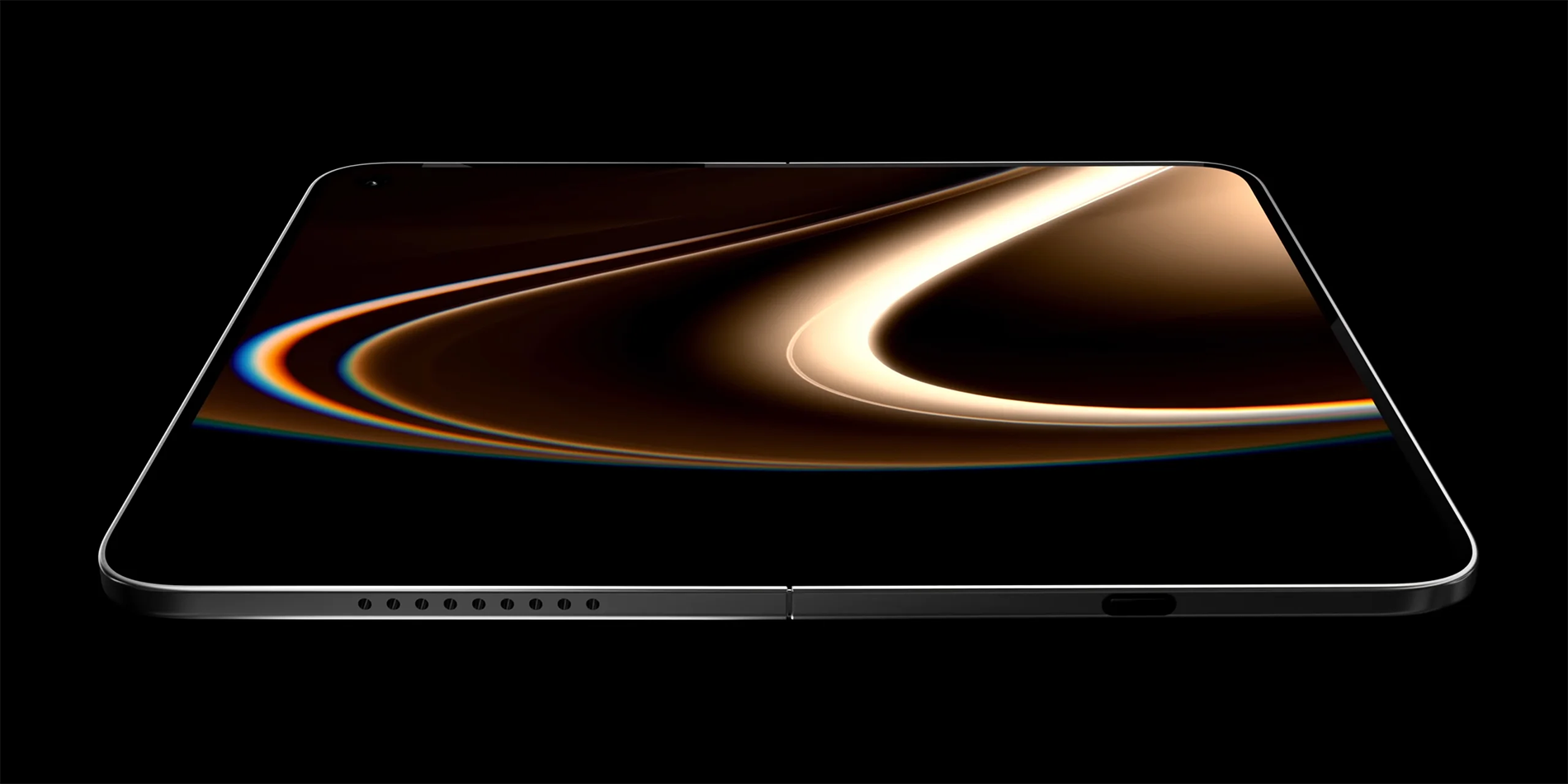
From design and display to internal hardware, nearly every aspect of the device has been scrutinized through leaks. However, the latest discussion centers on whether Apple will retain its signature magnetic charging system, long considered a hallmark of its ecosystem.
On April 19, well-known leaker Majin Bu shared images of a dummy unit believed to represent the foldable iPhone. A transparent case, said to be official, revealed several design clues.
Notably, the camera layout aligns with previous leaks. More importantly, the case appears to include circular magnetic rings - a key indicator of MagSafe support.
This detail has sparked debate. On one hand, Apple could remove MagSafe hardware to achieve an ultra-thin profile. Some sources suggest the device may measure just 4.5mm when unfolded, an exceptionally slim form factor.
On the other hand, the presence of magnets in a supposedly official case suggests the feature may still be included. It is also possible that earlier renders were incomplete or inaccurate.
As with all leaks, these claims remain unconfirmed until Apple makes an official announcement.
Beyond MagSafe, additional details about the foldable iPhone are gradually emerging. The device is expected to compete directly with Samsung’s Galaxy Z Fold lineup, particularly the upcoming Samsung Galaxy Z Fold 8.
One major distinction lies in design. Reports suggest Apple may adopt a “passport-style” form factor - wider and shorter, with a 4:3 aspect ratio. In contrast, Samsung’s foldables typically follow a taller 21:9 ratio.
The display setup is rumored to include a 5.5-inch outer screen and a 7.8-inch main OLED panel with no visible crease, addressing one of the most persistent drawbacks of current foldable devices.
Internally, the device could feature Apple’s next-generation A20 Pro chip and a battery capacity of around 5,000 mAh, positioning it competitively within the premium segment.
Pricing is expected to be steep. Estimates place the device at around US$2,000, aligning it with high-end foldable smartphones from Samsung.
However, questions remain over its release timeline.
Initial predictions pointed to a September launch alongside the iPhone 18 Pro series. More recent reports, however, indicate potential delays. Sources suggest Apple is facing challenges in finalizing the foldable design, with mass production possibly pushed back to August 2026.
If accurate, this could shift the launch to late 2026 or beyond, breaking from Apple’s traditional release schedule.
Such delays may intensify competitive pressure. Samsung is reportedly developing a rival device with a similar wide-format design, while Huawei has already introduced the Pura X Max in China.
Should these competitors gain an edge in areas such as battery life, performance or hinge durability, they could capture market attention before Apple enters the segment.
In that scenario, Apple risks arriving late to a market it did not pioneer - a rare position for a company known for shaping consumer technology trends.
Still, Apple’s ecosystem strength and loyal user base cannot be underestimated. Even with a delayed launch, the foldable iPhone could generate significant impact, as many of the company’s past products have done.
The question remains whether that influence will be enough in a market that is maturing rapidly.
For now, the foldable iPhone stands not just as a new product, but as a critical test of Apple’s innovation strategy and timing in the evolving era of foldable devices.
Hai Phong
.svg)
