 Vietnamnet.vn

 Podcast



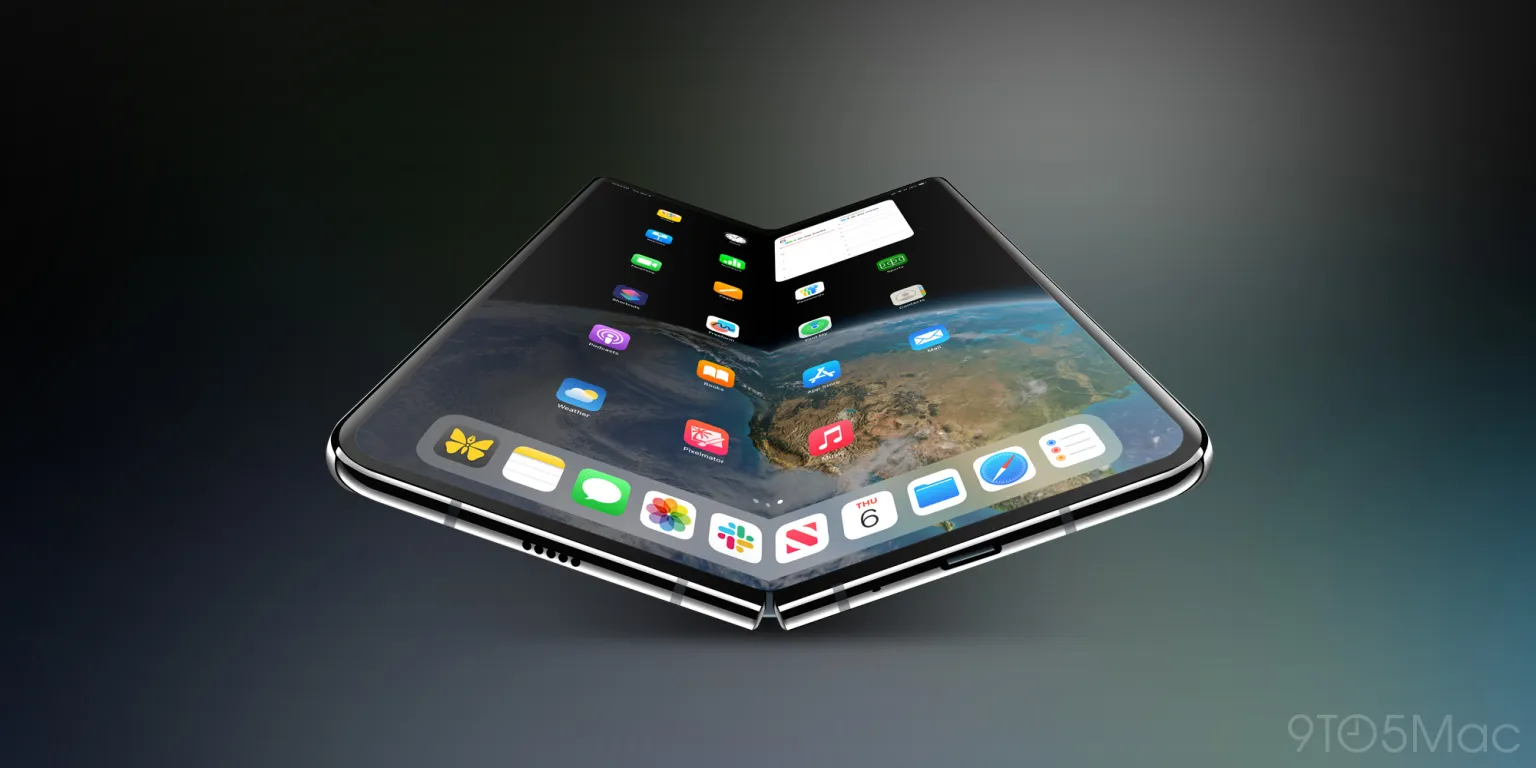
A new report out of South Korea has disappointed many Apple fans, suggesting that the foldable iPhone may be delayed, and that the iPhone 18 series could follow an unusually staggered launch strategy.
While Apple has not officially confirmed anything, the report indicates that the company is seriously considering a completely new approach to its product launch cycle over the next 18 months.
iPhone Fold needs more time to reach perfection
It’s unclear exactly when Apple began developing its foldable iPhone, but the project has reportedly been in the works for years.
Samsung, its biggest rival, launched its first foldable phone back in 2019 and has steadily refined the Galaxy Z Fold lineup to near perfection from 2020 to the present.
Meanwhile, Apple continues its relentless pursuit of perfection - demanding a hinge of extreme durability, an almost invisible screen crease, and an overall experience that exceeds every standard on the market.
According to sources, this refinement process may take several more months or even an entire year, which would mean the first-generation iPhone Fold likely won’t launch before 2027.
Even if Apple completes development by the end of 2026, production for the first year is expected to be limited to just 5 to 7 million units - a tiny number compared to potential global demand.
With a projected price of over $2,000 USD, the iPhone Fold could become a high-end, limited-run product that sells out within weeks.
That’s why many analysts believe Apple should wait until 2027 for a grand debut, rather than rushing a limited release that serves more for buzz than sales.
Unusual scenario: iPhone 18 may see a split launch
One intriguing theory being circulated is that Apple may split the iPhone 18 release.
The Pro, Pro Max, and Air models might be unveiled in fall 2026, while the standard iPhone 18 and a new iPhone 18e model could arrive later in spring 2027.
If true, this would mark a major departure from Apple’s long-standing tradition of launching its full iPhone lineup simultaneously each September.
However, many industry watchers consider this scenario unlikely.
Both the iPhone 15 and iPhone 16 base models launched on schedule and sold extremely well, so there’s little reason for Apple to change a strategy that continues to deliver strong results.
In fact, the standard iPhone 17 is currently outperforming expectations, with higher initial sales than its predecessor.
On the other hand, the iPhone 17 Air hasn’t garnered as much attention, prompting Apple to reduce its production instead of ramping up.
Analysts project iPhone sales in 2025 to remain similar to 2024, with a slight dip expected in 2026 due to market saturation.
However, if Apple sticks to its roadmap, 2027 could be a breakout year - potentially the company’s biggest growth in iPhone sales since 2015.
The foldable future depends on iPhone Fold
The key driver of that breakthrough could be the iPhone Fold - a product that may usher in a new era for Apple.
Combined with a reimagined iPhone 18 series, the foldable iPhone could reinvigorate both the company’s brand and the premium smartphone segment.
According to experts, Apple doesn’t need to fix what isn’t broken.
Launching the entire iPhone 18 lineup in September 2026 remains the most logical and effective strategy, maintaining the momentum and excitement of Apple’s traditional fall event.
If the iPhone Fold is ready by then, Apple could launch it alongside Samsung’s Galaxy S26, Galaxy Z Fold 8, and Z Flip 8 - setting the stage for a historic clash in the premium smartphone market.
Apple’s long-anticipated entry into the foldable space could breathe new life into a segment that has been stalling in recent years.
Android brands, especially Samsung, will likely accelerate their innovation to keep pace once Apple enters the competition.
Conversely, if Apple delays the Fold to avoid launching it alongside the iPhone 18 or pushes the standard model to 2027, it could create confusion and weaken the company’s product strategy.
While rumors and speculation abound, one thing is clear: Apple is meticulously planning for the 2026–2027 period - a pivotal chapter in iPhone history.
With the arrival of the iPhone Fold, Apple isn’t just entering the foldable race.
It has the opportunity to redefine the premium mobile experience - something the company has done consistently for over two decades.
Hai Phong
.svg)
