 Vietnamnet.vn

 Podcast



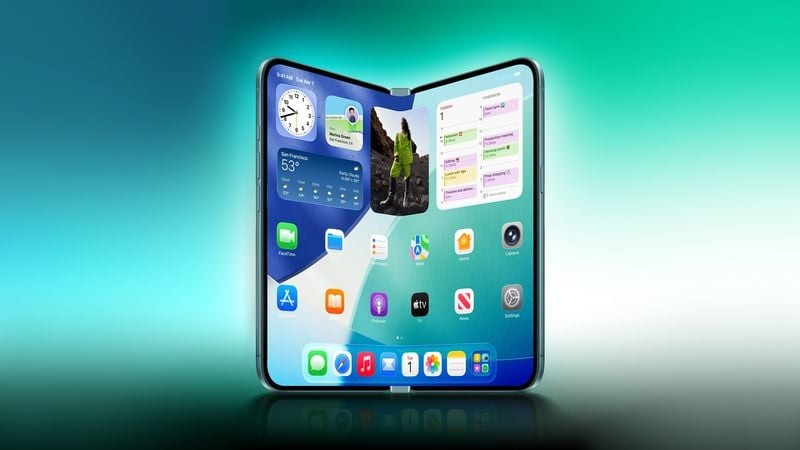
According to analyst Jeff Pu, Apple plans to expand the use of titanium across its product lineup, including the upcoming iPhone Fold 2026 and the next-generation iPhone Air.
In a note to investors, Pu revealed that the foldable iPhone will feature a metal frame combining titanium and aluminum - marking a significant leap in materials innovation that Apple is actively pursuing.
Previously, renowned analyst Ming-Chi Kuo disclosed that Apple was considering a titanium-stainless steel combination for its foldable iPhone, with the hinge made from both steel and titanium, and the main frame constructed entirely from titanium.
Some hinge components could also incorporate liquidmetal - an advanced high-strength alloy - to improve durability and reduce wear over extended usage.
Pu reports that the iPhone Fold will be just 4.5mm thick when unfolded, even thinner than the iPhone Air. This ultra-thin design necessitates the use of titanium to maintain structural rigidity.
Apple's previous decision to adopt titanium for the iPhone Air proved wise, as durability tests confirmed the frame’s superior resistance to bending compared to traditional aluminum.
While Pu refers to a combination of titanium and aluminum, it remains unclear whether this will be a hybrid alloy or a segmented use of the two metals in different frame sections.
Analysts speculate that Apple may use titanium for load-bearing components and aluminum for less stressed areas to reduce the device’s overall weight.
This design aligns with Apple’s current philosophy: maximizing durability while maintaining a lightweight, comfortable in-hand feel - one of the most praised aspects of the iPhone Air.
According to Apple’s product roadmap, the foldable iPhone will belong to the iPhone 18 series and is set to debut in September 2026. Its display is expected to measure 5.5 inches when folded and 7.8 inches when unfolded - comparable to a compact iPad mini.
Apple is likely to focus heavily on minimizing thickness, strengthening the hinge, and ensuring a seamless folding experience to outperform competitors such as the Samsung Galaxy Z Fold and Google Pixel Fold - both of which still struggle with durability issues and visible screen creases.
Pu predicts that titanium will become more widely used across Apple’s product range, with both the iPhone 18 Fold (titanium + aluminum) and the 2026 iPhone Air being crafted from premium materials.
The blend of aluminum’s lightness and titanium’s rigidity could help Apple produce a foldable iPhone that is not only luxurious but also robust - marking a significant evolution in product design.
Du Lam
.svg)
