 Vietnamnet.vn

 Podcast



The iPhone 18 Pro and iPhone 18 Pro Max are already attracting significant attention thanks to leaked dummy units showcasing a new Dark Cherry color option.
The deep wine-red finish looks elegant, distinctive and potentially one of the most beautiful colors Apple has ever introduced on a Pro-model iPhone.
Yet behind that eye-catching exterior lies a bigger question: can a new paint job carry an entire product generation?
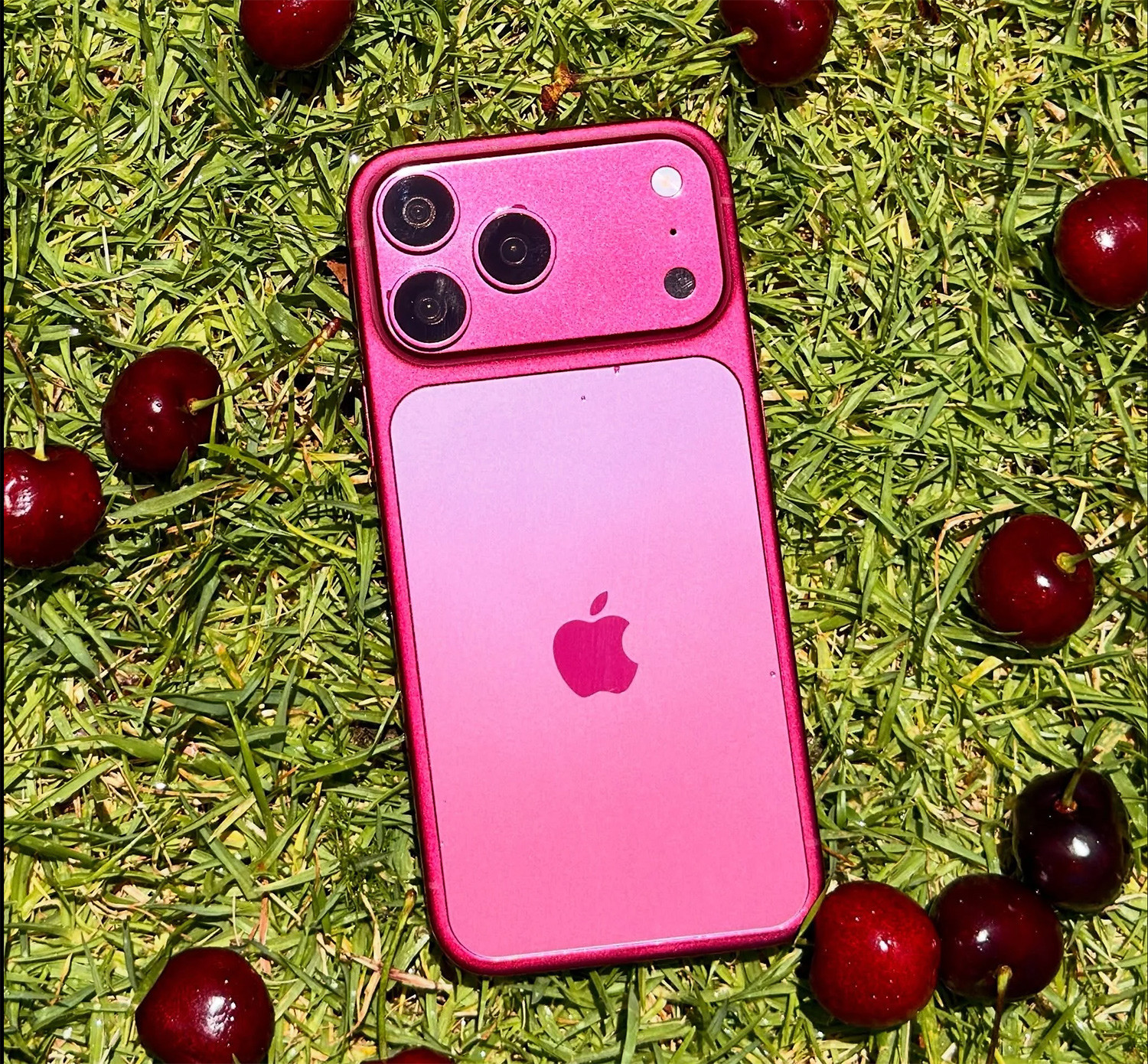
At a time when the future foldable iPhone Ultra and Samsung’s Galaxy S26 Ultra are dominating discussions in the premium smartphone market, the biggest reason many consumers are paying attention to the iPhone 18 Pro appears to be a new color option.
That is hardly an encouraging sign for a device expected to represent Apple's most advanced technologies.
Key upgrades continue to be delayed
For months, industry observers have suggested that the iPhone 18 Pro could serve as a transitional model ahead of a major redesign planned for 2027, marking the 20th anniversary of the iPhone.
Recent leaks only strengthen that view.
Two of the most anticipated innovations are reportedly still not ready. The first is under-display Face ID technology, widely viewed as the next major step toward eliminating visible screen cutouts.
According to multiple supply chain sources, the feature has now been pushed back to 2027.
Even a smaller Dynamic Island is no longer guaranteed to arrive with the iPhone 18 Pro. Several highly regarded leakers suggest the reduced cutout design may be delayed until the iPhone 19 generation.
That means the overall appearance of the iPhone 18 Pro could remain largely unchanged from its predecessors.
With major design improvements postponed, Dark Cherry is unintentionally carrying much of the burden of making the device feel new.
Hardware improvements, but not enough to convince everyone
Apple is still expected to introduce several meaningful upgrades.
According to leaks, the iPhone 18 Pro lineup will feature a variable-aperture main camera, marking the first departure from the fixed f/1.78 aperture design that has remained largely unchanged since the iPhone 14 Pro.
The phones are also expected to debut the A20 Pro processor built on a more advanced 2nm manufacturing process, alongside a battery reportedly approaching 5,200mAh, promising improved endurance.
The problem is that not every user may benefit equally from these upgrades.
Some supply chain reports suggest the variable-aperture camera could be exclusive to the more expensive Pro Max model.
Apple has followed a similar strategy before. The iPhone 12 Pro Max received sensor-shift stabilization a full year before the standard Pro model.
If that happens again, the regular iPhone 18 Pro could retain a camera system that is otherwise very similar to its predecessor, while the performance gains from the A20 Pro chip may be difficult for most users to notice in everyday use.
For a smartphone expected to start above $1,000, the upgrade list appears relatively thin.
Variable aperture is not a revolution
There is a reason Apple is finally introducing a mechanical aperture system to the iPhone camera.
Recent independent testing suggests several premium Android smartphones have gained a noticeable advantage in light gathering, particularly across different zoom ranges.
That gap is largely driven by hardware rather than software processing alone. A variable aperture system would allow the camera to adapt more effectively to bright outdoor conditions while improving both photography and video performance.
For most users sharing photos on social media or capturing daily moments, however, the real-world difference may not be as dramatic as the specifications suggest.
Another frequently discussed issue is that most buyers immediately place a protective case on their phones.
Once that happens, much of the beauty of the Dark Cherry finish disappears from view.
If the premium finish is hidden, can a new color still serve as a compelling reason to upgrade?
The appeal of Dark Cherry becomes even more fragile amid rumors that the iPhone 18 Pro will continue using an anodized aluminum frame similar to the previous generation.
Teardown analyses of earlier models have shown that coatings can wear away around sharp edges near the camera module, exposing the metal underneath. The issue has disappointed some users in recent years.
There have also been reports of Cosmic Orange models fading after prolonged exposure to sunlight, gradually shifting toward a lighter pink shade.
With a darker and richer color like Dark Cherry, scratches and signs of wear could become even more noticeable over time.
Is it worth upgrading from an iPhone 17 Pro?
For current iPhone 17 Pro owners, it is difficult to identify a compelling reason to move to the iPhone 18 Pro.
Users would essentially be paying for a new color and a camera upgrade that may not even be available on the standard Pro version.
Owners of competing flagship devices such as the Galaxy S26 Ultra or Pixel 10 Pro have even less incentive to switch.
The area Apple appears focused on improving with variable aperture technology is one where many Android flagships have already held an advantage for years.
In other words, Apple may be catching up rather than creating a new lead.
A truly meaningful Pro upgrade would ideally introduce next-generation display technology, a more radical design overhaul or at least a consistent camera upgrade across both Pro models.
As long as those foundational changes remain delayed, the iPhone 18 Pro risks becoming a forgettable transitional chapter in the evolution of the iPhone lineup.
Hai Phong
.svg)
