 Vietnamnet.vn

 Podcast



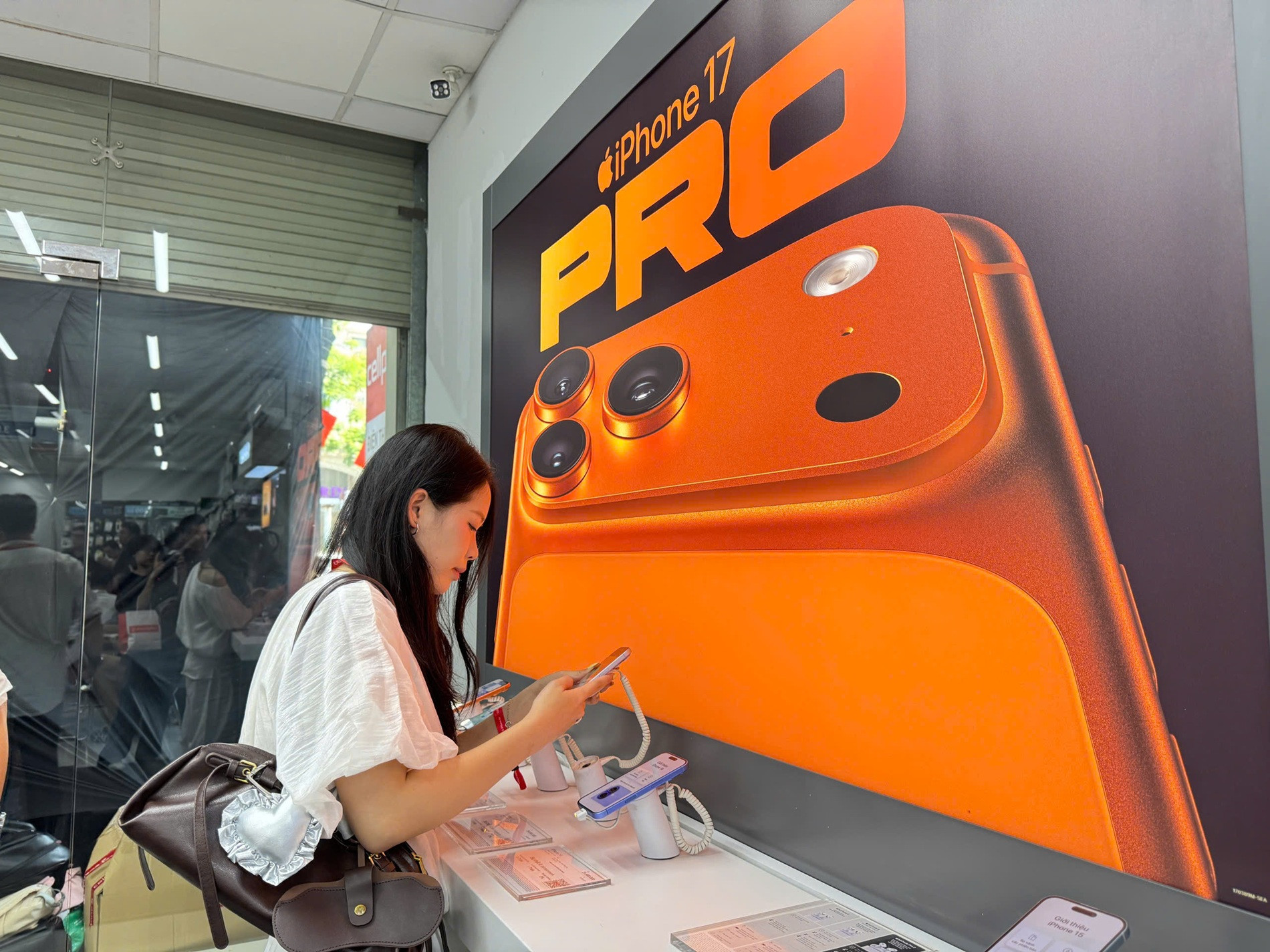
In the first quarter of 2026, Apple recorded revenue of US$111.2 billion, up about 17% year-on-year, and expects a similar pace of growth in the current quarter.
Chief executive Tim Cook said “extraordinary demand” for the iPhone 17 had delivered one of the company’s strongest performances for this time of year.
A second consecutive quarter of double-digit sales growth adds momentum as Cook prepares to hand over leadership to hardware chief John Ternus in September.
In his first public remarks since being named successor last week, Ternus pledged to maintain “thoughtfulness, discipline and deep care in financial decision-making” inherited from his predecessor.
“We have an incredible roadmap ahead,” he told analysts, joking that “you won’t get any details out of me.”
Cook said the transition comes at the right moment, with the business “performing extremely well.”
Apple expects revenue to grow between 14% and 17% in the current quarter, significantly outpacing Wall Street forecasts.
iPhone sales rose more than 20% to US$57 billion in the first three months of 2026, driven in part by strong demand for the iPhone 17 in China. Revenue from the market reached US$20.5 billion, up 28% year-on-year, extending its recent recovery.
“The iPhone 17 lineup is now the most popular in our history... we believe we gained market share in the last quarter,” chief financial officer Kevan Parekh told the Financial Times.
Mac revenue reached US$8.4 billion, up around 6% year-on-year, following the March launch of the US$599 MacBook Neo.
Services revenue - including the App Store and iCloud - climbed to US$31 billion, while net income beat expectations at US$29.6 billion, up about 19% from a year earlier.
Cost pressures and the AI question
Despite two record-breaking quarters, Apple’s stock has remained largely flat this year, reflecting investor concerns over its artificial intelligence strategy, rising costs and the next engine of device growth.
Like much of the consumer electronics industry, Apple is facing higher memory chip costs as demand for AI data centers surges, raising questions about pressure on product margins. Last month, the company raised prices for MacBook Air and Pro models.
Cook warned that memory costs would “increasingly impact the business” through the rest of the year. Supplies of iPhones and Macs have also been constrained, as Apple has “less flexibility in the supply chain than usual.”
Even so, the company reported gross margins rising to 49.3%, up from 47% a year earlier. Cook said the use of inventory purchased at lower prices had helped delay the full impact of rising costs. Apple expects margins to range between 47.5% and 48.5% in the current quarter.
Investors are also watching for signs that Apple’s AI capabilities are catching up with rivals after a slower start nearly two years ago. Unlike other major tech companies, Apple has avoided heavy investment in AI infrastructure, instead relying on external models.
In January, the company struck a deal to use models from Google and is expected to unveil a new AI-powered version of Siri at its developer conference in June.
Du Lam
.svg)
